Electric Vs Oil Space Heater: Essential Showdown
Electric vs. oil space heaters: For quick, safe zoning, electric heaters win due to portability and ease of use, while oil heaters offer superior, longer-lasting radiant heat for continuous background warmth when efficiency is key.
Do you feel a familiar chill creeping into just one chilly room? Choosing the right space heater can feel like a confusing maze of wires, fuel types, and scary hidden costs. You want warmth right now, safely, without turning your whole home into a furnace. I get it—making the wrong choice leaves you with safety worries or higher bills. Don’t stress! As your home heating helper, Tanim, I’m here to break down the electric versus oil space heater showdown simply. We will discover which affordable, easy-to-use heater perfectly suits your cozy needs. Let’s dive in and find your best winter solution!
When the central heating just isn’t cutting it, a space heater is your personal hero. But when standing between an electric model and an oil-filled radiator, what gives? The truth is, both serve excellent purposes. Understanding the core differences in how they work, how much they cost to run, and how safe they are will make your decision simple. This guide brings you the clear facts, skipping the confusing tech specs so you can buy with complete confidence.
Understanding the Basics: How Each Heater Makes Heat
Before comparing costs or features, we need to know how these two champions of spot heating do their job. They use completely different technologies to bring you that lovely warmth.
Electric Space Heaters: Instant Warmth Through Convection and Radiation
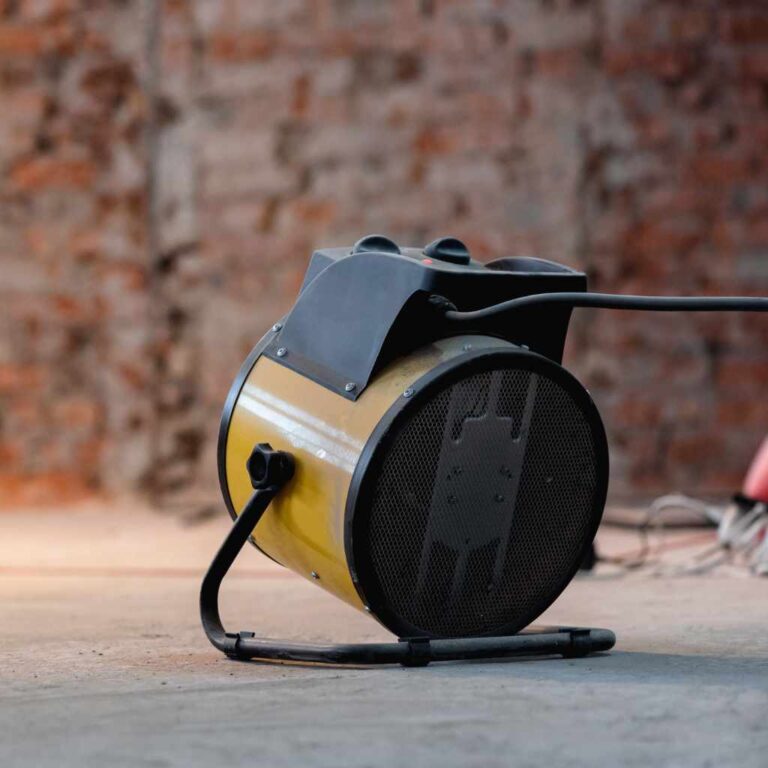
Electric heaters are plugged into the wall and use resistance wiring to convert electricity directly into heat. They are known for being fast and easy to use. There are a few main types:
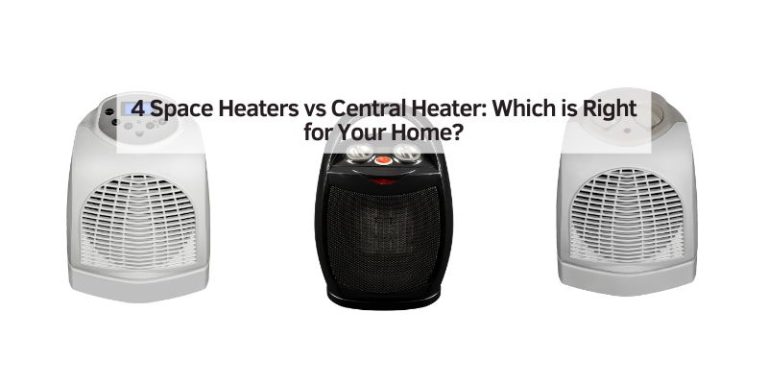
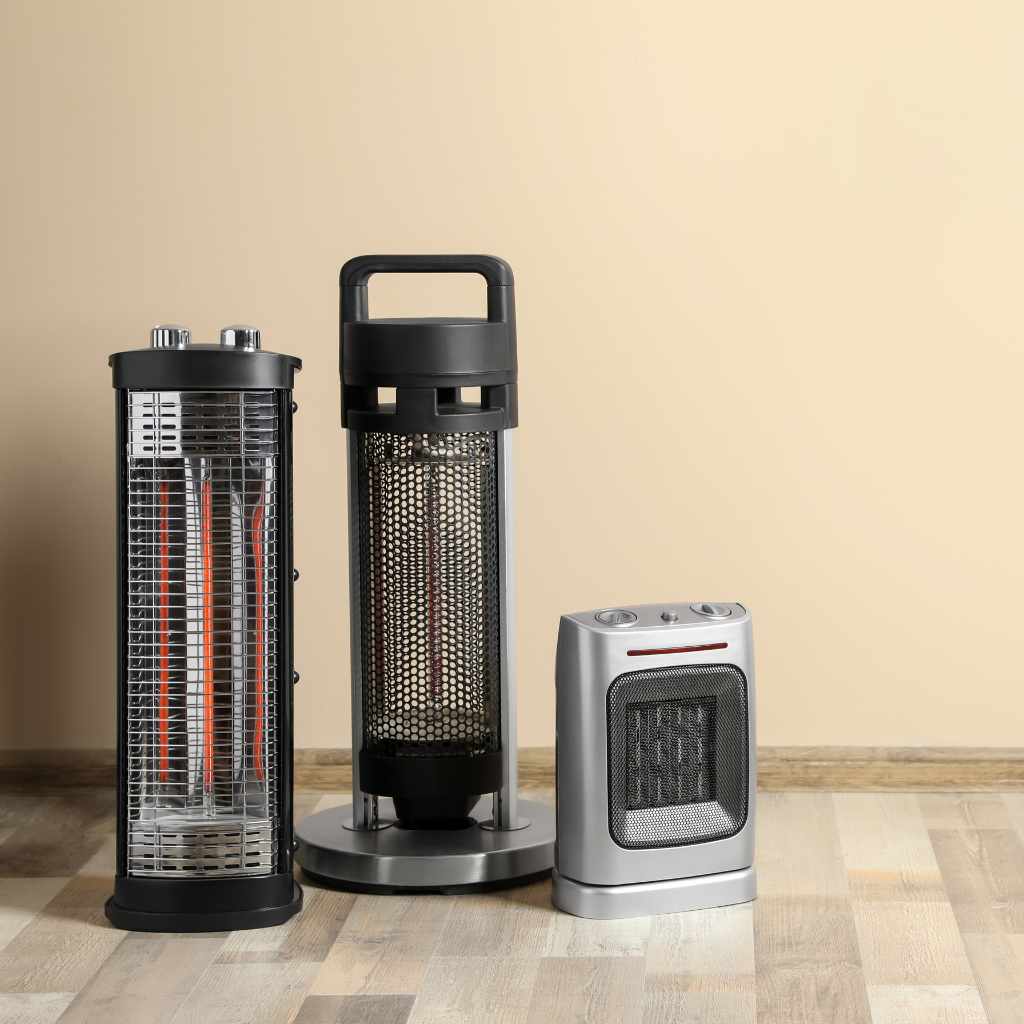
- Convection Heaters (Fan-Forced): These pull cool air in, heat it over electric elements, and blow the warm air out using a fan. They are great for heating a whole room quickly.
- Radiant/Infrared Heaters: These produce infrared rays that heat objects and people directly, much like the sun. If you stand right in front of one, you feel the heat instantly.
- Ceramic Heaters: Often use a ceramic plate element and a fan. They are very popular because they are generally safer and smaller than traditional coils.
The magic here is instant power—flip the switch, and heat starts flowing within seconds.
Oil-Filled (Hydronic) Space Heaters: The Slow and Steady Winner
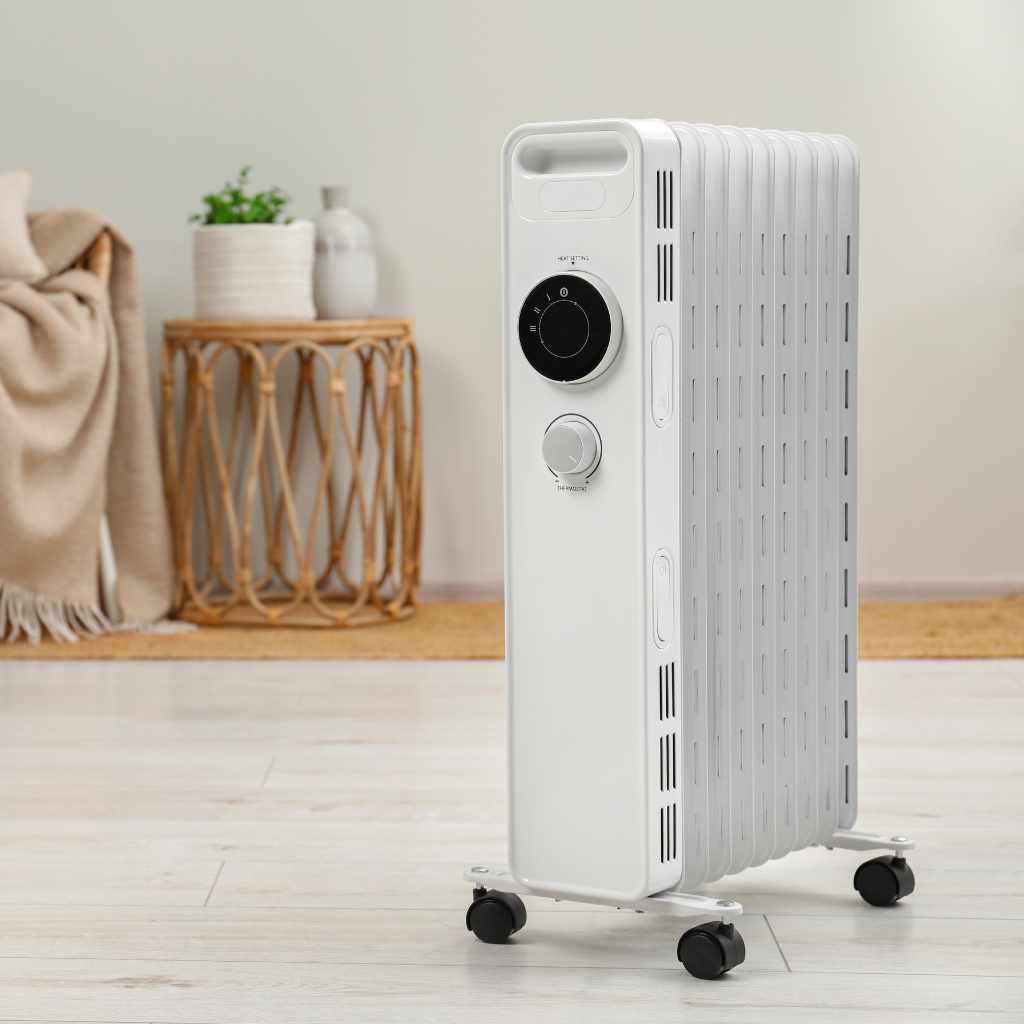
Oil heaters look different; they often resemble old-fashioned radiators. These units use electricity, yes, but not to create the heat directly. Instead, they heat safe, non-toxic thermal oil sealed inside the fins.
Here’s the crucial difference:
- Electricity heats the internal oil reservoir (this takes time).
- The hot oil circulates through the metal fins of the unit using natural convection (no noisy fans!).
- The metal casing radiates steady, gentle warmth into the room long after the thermostat cycles the electricity off.
This retained heat is why people often praise oil heaters for providing a more consistent, less “drying” heat than standard electric coil units.
Feature Face-Off: Electric Vs Oil Space Heater Comparison
Let’s line them up side-by-side on the features that matter most to homeowners and renters trying to stay cozy and safe.
Speed of Heating
If you walk into a freezing home office and need warmth immediately for that afternoon call, speed matters.
- Electric Heaters: Excellent. Fan-forced or radiant electric heaters provide noticeable warmth within 1–5 minutes.
- Oil Heaters: Slow. Because they must heat the internal fluid first, it can take 20–30 minutes before you truly feel the widespread ambient warmth filling the space.
Heat Distribution Quality
How evenly does the heat spread across the room?
- Electric Heaters: Varies by type. Fan-forced models are good, but the heat stops abruptly when the fan shuts off. Infrared types require you to be in the direct line of sight.
- Oil Heaters: Superior for ambient warmth. The slow, rolling convection heat tends to evenly warm the air mass of a small-to-medium room, keeping the temperature stable.
Portability and Installation
For renters using space heaters in different rooms throughout the week, transportability is key.
- Electric Heaters: Extremely portable. Most are lightweight, feature handles, and simply require a standard wall outlet. No installation needed.
- Oil Heaters: Moderately portable. Due to the internal oil, they are heavier and bulkier. While they roll on casters, moving them upstairs or frequently between rooms isn’t ideal. They also require dedicated time to cool down before being safely moved post-use.
Safety Features (A Critical Check!)
Always review safety features. Nobody wants a fire hazard!
- Electric Heaters: Nearly all modern electric space heaters include essential tip-over protection (shutting off if knocked over) and overheat protection.
- Oil Heaters: Generally excellent safety records because their surfaces are warm, not glowing hot like an exposed electric coil. They also have overheat protection, but because they lack a fan, the surface temperature may remain higher than an element-only electric heater.
The Bottom Line: Operating Costs & Energy Efficiency
This is where most people get confused. Both heaters use electricity, and technically, they convert almost 100% of that electricity into heat. So, why is there a difference in cost?
The difference lies in how long they run and how efficiently they maintain that temperature.
Electric Heaters and Running Costs
A standard 1500-watt electric heater draws a lot of power continuously when it’s running. While they heat up fast, they can use energy quickly if left on constantly.
| Factor | Electric Heater Impact |
|---|---|
| Thermostat Use | Cycles on and off frequently if rooms fluctuate quickly, leading to higher draw periods. |
| Sustained Heat | Stops heating completely when the element cools down. |
Oil Heaters and Running Costs
Oil heaters are champions of thermal retention. They heat up slowly, but once the oil is hot, the unit can cycle on and off less often because the heat radiating from the fins keeps the room temperature stable for longer periods.
This means that while they might take longer to get the room hot initially, the cost to maintain that heat over several hours can often be lower than constantly cycling a forced-air electric heater.
Tanim’s Friendly Energy Tip: Before plugging in any space heater, make sure you check your home’s electrical capacity. According to the U.S. Department of Energy, most portable electric heaters draw about 1,500 watts. Plugging high-wattage devices into the same circuit as other appliances can overload the circuit and trip your breaker. Always use a dedicated outlet if possible.
When to Choose: Matching Heater Type to Your Need
Making the right choice depends entirely on what you need the heater to do. Are you warming your hands under a desk, or heating a drafty bedroom overnight?
Choose an Electric Heater When You Need:
- Instant, Targeted Heat: Perfect for warming a small bathroom before a shower or heating a specific workspace.
- Simplicity and Portability: If you need to move the heater between the living room during the day and the basement workshop at night, electric is best.
- Noise Sensitivity: Certain non-fan radiant electric heaters are nearly silent (though fan models can be loud).
- Extreme Safety When Not Present: If you leave for work and want to be certain the heating stops instantly via a timer or smart plug, the immediate shut-off of electric elements can be preferable.
Choose an Oil-Filled Heater When You Need:
- Consistent, Ambient Room Warmth: Ideal for sleeping areas or small home offices where minor temperature swings are jarring.
- No Fan Noise: Oil heaters rely on silent convection, making them excellent companions for sleeping.
- Long-Term, Overnight Use: Their ability to hold and radiate heat means they work more efficiently to maintain a set temperature overnight.
- Deeper Penetration Warmth: The radiant heat feels less like blowing air and more like genuine background warmth.
Quick Performance Chart: Electric vs. Oil
Here is a simplified summary to help solidify your decision:
| Feature | Electric Space Heater | Oil-Filled Space Heater |
|---|---|---|
| Startup Heat Speed | Very Fast (Minutes) | Slow (20+ Minutes) |
| Heat Quality | Direct, immediate, can be uneven | Gentle, even, radiant |
| Noise Level | Can be noisy (fan models) | Very Quiet (Silent Convection) |
| Portability | High (Lightweight) | Moderate (Heavy, wheeled) |
| Surface Temperature | Can get very hot (coils) | Warm to the touch, less scorching |
Safety First: Essential Best Practices for Both Heaters
No matter which type you choose, safety protocols are non-negotiable. Treating a space heater like a permanent fixture—which it shouldn’t be—is the main cause of home heating accidents. We prioritize protecting your home and family above all else.
The Three-Foot Rule (The Golden Standard)
This rule applies to virtually every portable heating appliance:
- Maintain at least three feet (about one large step) of clear space around the heater.
- This area must be free of flammable items, including furniture, curtains, bedding, towels, and paper stacks.
Proper Electrical Setup
This advice is critical for electric heaters absorbing high wattage:
- Never use extension cords or power strips. Space heaters are designed to draw high current, which can melt or burn cords not rated for that load.
- Always plug directly into a wall outlet that is in good condition (no scorch marks or wobbling).
- Periodically check the cord and plug on your heater for any signs of damage.
When You Leave the Room
This is one of the simplest ways to prevent issues:
- If you leave the room for more than an hour, turn the heater off.
- If you are leaving the house, shut it down completely. Do not rely solely on the tip-over switch.
- If you are using an oil heater, give it time to cool down before moving it, even a short distance.
Advanced Uses: Where Each Heater Shines Brightest
Sometimes, the location defines the best tool for the job. Think about the specific environment you are trying to heat.
Best Electric Spot-Heating Scenarios
Electric heaters excel in areas requiring rapid, temporary heat boosts:
- Garages/Workshops: A radiant electric heater can warm tools and you up instantly while you work on a weekend project.
- Travel/Dorm Rooms: Their light weight and instant on/off feature make them ideal for temporary setups where storage space is limited.
- Draft Reduction: Placing a small electric heater near a drafty window can sometimes counteract the cold air entering the immediate perimeter.
Best Oil Heater Scenarios
Oil heaters are better suited for established, smaller zones that need consistent background comfort:
- Bedrooms: The quiet, steady warmth prevents the abrupt start/stop cycle of a fan-forced heater from startling you awake.
- Basements/Sunrooms: Areas that take a very long time to warm up benefit from the oil unit’s lingering thermal energy. They help stabilize the cold baseline temperature slowly.
- Small Libraries or Offices: They provide a stable environment conducive to concentration, without the distracting sound of a fan motor.
To ensure you are maintaining your home efficiently, understanding how much energy your heating efforts are costing is important. For excellent, objective information on home energy usage and ratings, resources like the Energy Saver program by the U.S. Department of Energy provide great standards for comparison.
Maintenance: Keeping Your Heater Performing Well
Unlike fuel-based heating systems, space heaters require very little maintenance, but a little care goes a long way toward safety and efficiency.
Electric Heater Care:
- Dusting Elements: Over time, dust settles on internal heating elements. When the unit heats up, this dust burns off, causing a lingering, sometimes smoky smell. Gently wipe the exterior grille when the unit is unplugged and cool.
- Cleaning the Fan (if applicable): Use compressed air or a soft brush to remove dust buildup from the fan blades to ensure proper airflow.
Oil Heater Care:
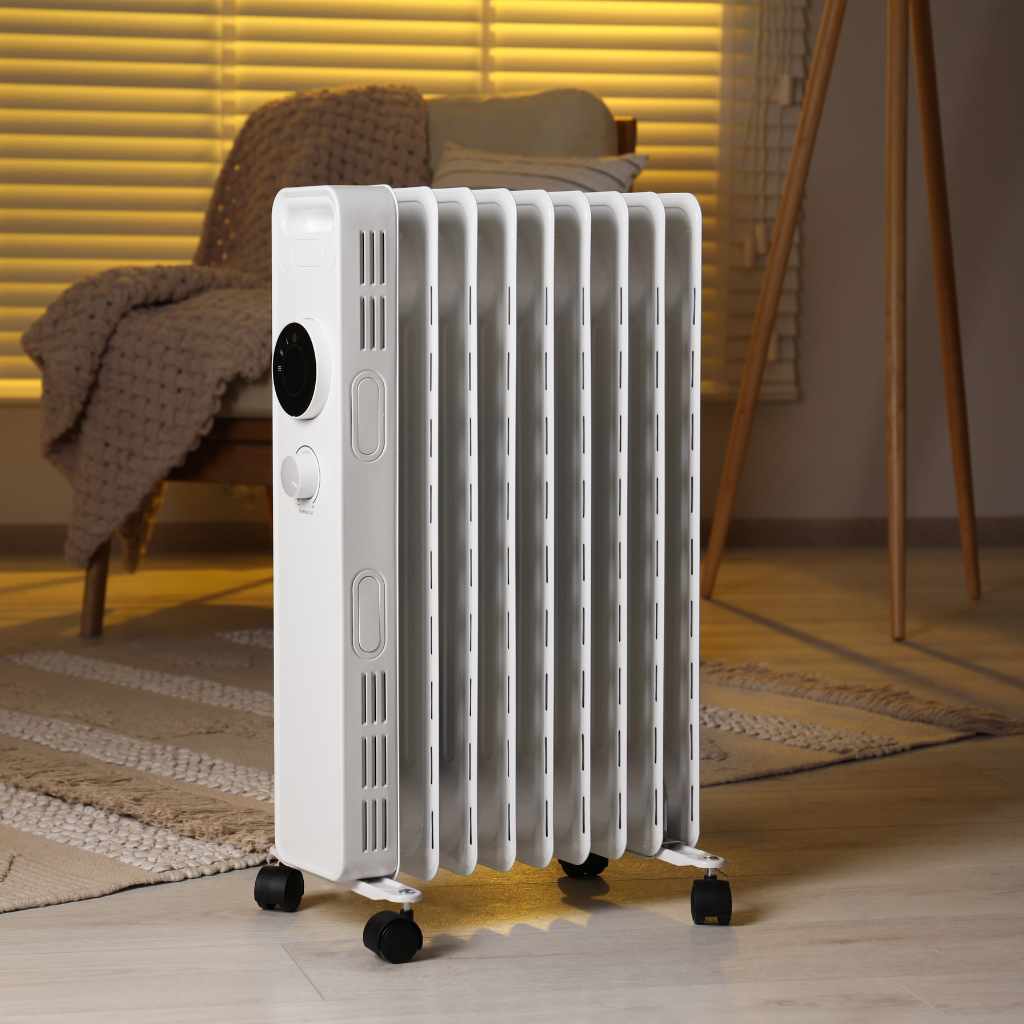
- External Cleaning: Since the oil is sealed, the focus is purely external. Wipe down the fins with a damp cloth to remove airborne dust that settles on the metal. This ensures maximum radiative efficiency.
- Checking Seals (Rarely): Never attempt heavy servicing, but visually inspect the unit for any signs of oil seepage around the valves. If you see any oily residue, discontinue use immediately and contact the manufacturer.
Neither type requires refills, annual filter changes, or chimney cleaning, which is what makes them such wonderful, low-commitment heating solutions!
Frequently Asked Questions (FAQ) About Space Heaters
Q1: Are oil-filled space heaters more energy-efficient than electric ones?
A: They are more efficient at retaining heat. While both use 1500 watts max, oil heaters spread the heat more evenly over time, meaning the heating cycle might run less often than a fast-cycling fan heater, potentially saving money on long continuous use.