Energy Efficient Space Heaters Vs Electric: Essential Guide
Energy efficient space heaters often provide targeted, lower running cost comfort compared to standard electric resistance heaters, which use electricity less efficiently for whole-room heating. For small areas, advanced portable types save money, but central electric systems are best for whole-house warmth.
Is trying to keep one room warm costing you a fortune every month? You look at the heater, then at your energy bill, scratching your head. Choosing the right space heater can feel like a complicated puzzle. You worry about safety, running costs, and whether the heat will actually reach you!
Don’t worry. I’m Tanim, and I’m here to make this simple. We will break down the big differences between standard electric heaters and newer, energy-efficient options. This guide gives you clear steps to pick the right heater for your needs, ensuring you stay cozy, safe, and keep your wallet happy this season. Let’s demystify heating so you can enjoy your space immediately.
Understanding the Basics: What Makes a Heater “Efficient”?
When we talk about home heating, “efficiency” means a few different things. For a user like you, it boils down to this: How much usable heat do I get for every dollar I spend on energy?
Most portable heaters use electricity. However, not all electric resistance heats the same way or targets heat as smartly. Efficiency in this context often means using modern technology to deliver warmth exactly where you need it, rather than fighting to heat the whole house unevenly.
The Two Main Players: Standard Electric vs. Energy Smart
To compare apples to apples, we first need to define what most people mean when they say “electric heater” versus “energy-efficient heater.”
- Standard Electric Resistance Heaters (The Workhorse): These include basic oil-filled radiators, ceramic fan heaters, and traditional panel heaters. They work by running electricity through a heated element (like a toaster coil). They are 100% efficient at turning electricity into heat, but that heat often escapes quickly or warms spaces unevenly.
- Energy Efficient Space Heaters (The Smart Choice): This term usually refers to modern technologies that concentrate heat or use less power to maintain temperature. Think of infrared (radiant) heaters, heat pump mini-splits (for larger supplemental needs), or models featuring digital thermostats and timers.

Deep Dive: How Standard Portable Electric Heaters Work
We need to understand the baseline before we can upgrade. Standard electric space heaters are very common because they are simple, relatively inexpensive to buy, and require zero installation.
Types of Standard Electric Resistance Heaters
These rely on converting electrical energy directly into heat using resistance. They are easy to use—just plug them in and turn the dial.
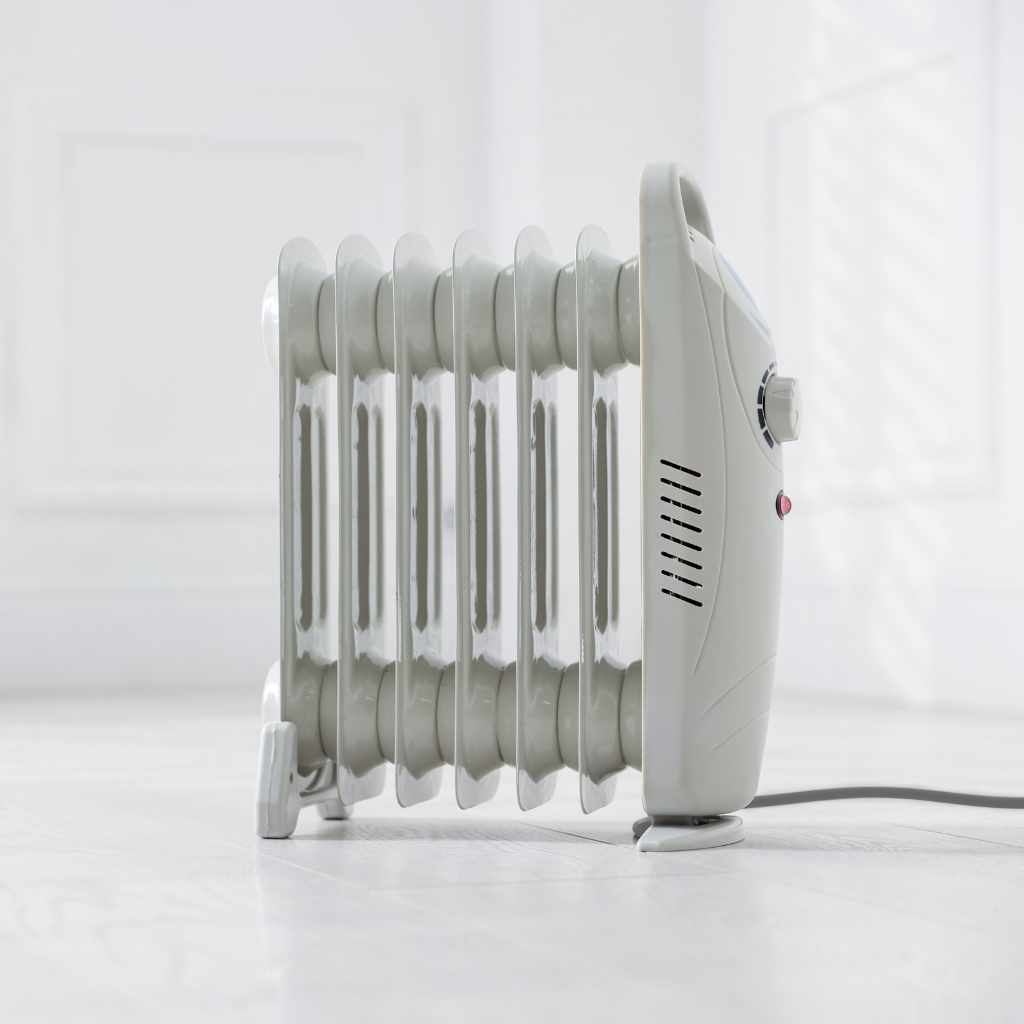
- Convection Heaters (e.g., Oil-Filled Radiators): These slowly warm the air around them. The warm air rises, circulates, and eventually warms the space evenly. They hold heat well, even after turning off.
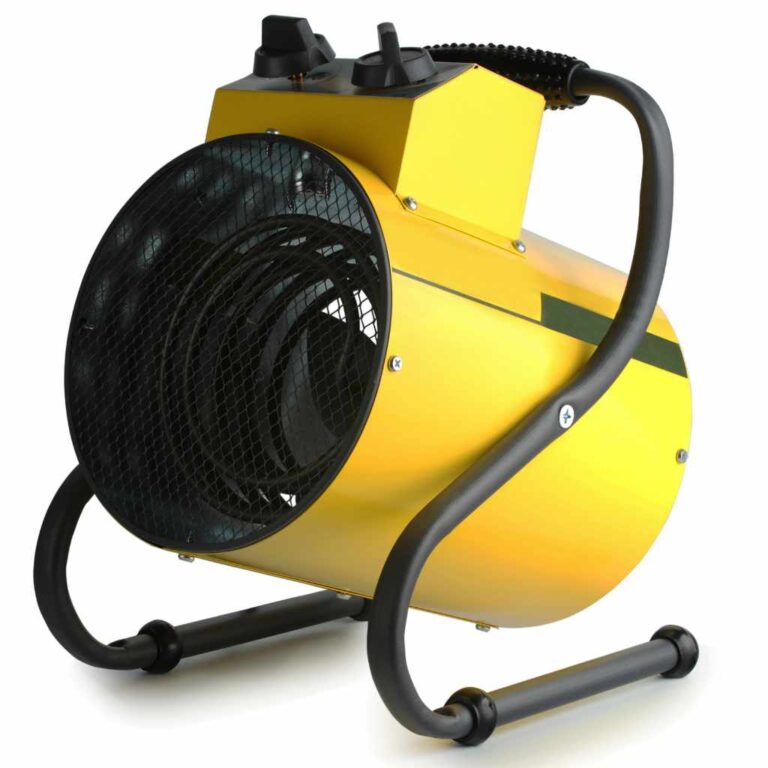
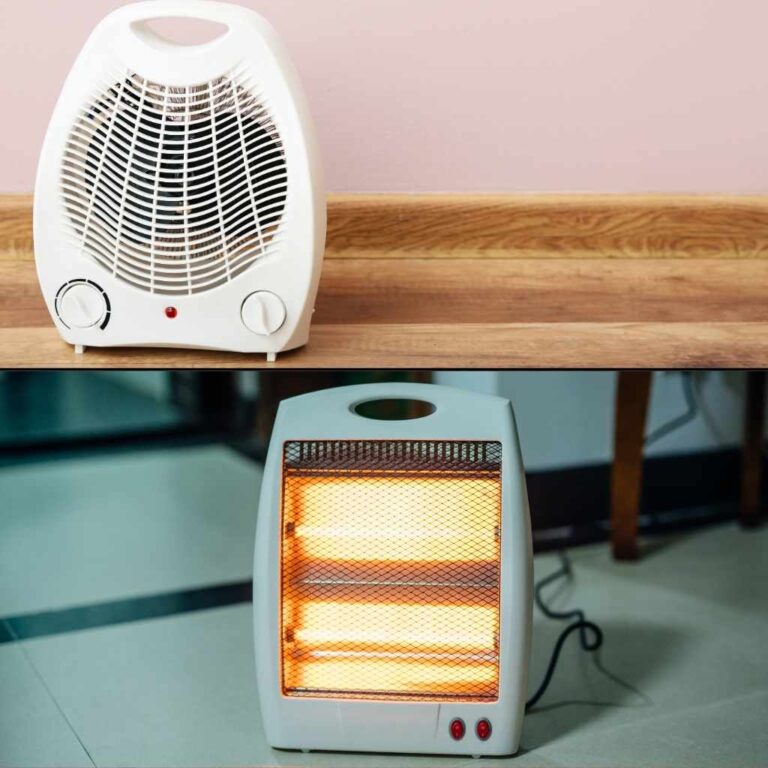
- Fan-Forced Ceramic Heaters: These use internal ceramic elements that heat up quickly. A fan blows air across these elements, quickly distributing warm air into a small area. Great for instant, localized warmth.
- Infrared/Radiant Heaters (Simple Models): While many modern infrared units are efficient, basic versions warm objects directly in their line of sight, not the surrounding air. If nothing is blocking the path, you feel warm instantly.
The Hidden Cost of Standard Electric Heating
While they are technically 100% energy efficient at turning power into heat, running them constantly can shock your utility bill. Why?
- High Wattage Draw: Most portable units draw 1,500 watts, which is the maximum most standard home outlets can safely handle. Running this full power for many hours adds up quickly.
- Wasted Heat: If you heat an entire room, but only sit in one spot, you are paying to warm empty air and unused corners.
- Thermostat Issues: Cheaper units often have inaccurate built-in thermostats, meaning they run longer than needed before shutting off.
The Game Changer: Energy Efficient Space Heaters Explored
Energy-efficient space heaters focus on minimizing waste. They achieve this primarily by heating people and objects directly, or by using highly precise electronic controls.
Key Energy-Saving Technologies
When shopping, look for these specific technologies, which tend to save you money over the long run compared to basic plug-in models.
1. Infrared (Radiant) Heaters – Heating People, Not Air
Infrared heaters are fantastic for targeted comfort. They function like the sun—they emit infrared waves that pass through the air until they hit a solid object (like you or the furniture). That object absorbs the energy and radiates warmth back.
- Pro: You feel warm almost instantly, meaning you can set the thermostat lower for general ambient temperature.
- Pro: They require significantly less electricity to create an immediate “feeling” of warmth.
2. Heat Pump Technology (Mini-Splits)
While often a larger investment, ductless mini-split heat pumps are the most energy-efficient way to supplement heating in specific zones. They do not create heat; they move existing heat from the outside air into your room.
For every unit of electricity they consume, they can move two or three units of heat energy into your home. This is measured by the Coefficient of Performance (COP), often well above 300% efficiency!
For a general space heater search, though, people are usually focused on portability. So, we focus mainly on advanced portable electric types.
3. Advanced Convection and Ceramic Heaters
Even standard types have gotten smarter:
- Digital Thermostats: Look for models with precise digital temperature readouts that cycle on and off much more accurately than old dial systems.
- Eco Modes: These modes modulate power usage slightly lower once the room nears the target temperature, preventing overheating and energy spikes.
Comparing Energy Efficiency: Heater Showdown
To make your decision easier, let’s put the key differences into a clear comparison chart. This focuses on cost-in-use and heating effectiveness.
| Feature | Standard Resistance Heater (e.g., Basic Ceramic) | Energy Efficient Choice (e.g., Infrared/High-End Digital) |
|---|---|---|
| Primary Heating Method | Heats the surrounding air and space. | Heats objects and people directly (Radiant). |
| Speed of Comfort | Slow to warm a large area. | Fast localized warmth. |
| Running Cost Per Hour (Estimate) | Higher, as it heats all air. | Lower for immediate comfort in a targeted zone. |
| Best Use Case | Occasional warming of a small, closed room. | Supplemental heating where you are sitting (office, living room). |
How to Calculate Your Running Costs (It’s Easier Than You Think!)
One of the biggest worries for homeowners is the monthly cost. You don’t need a degree in electrical engineering to figure this out. You just need two numbers: the heater’s wattage and your local electricity rate.
Finding Your Numbers
- Find the Wattage (W): This is usually printed on the back label of your heater. Most portable heaters max out near 1,500 W.
- Find Your Electricity Rate ($/kWh): Look at a recent utility bill. The cost is usually listed in dollars per kilowatt-hour (kWh). A common national average is around $0.16 per kWh, but double-check your local rate. (For example, the US Energy Information Administration provides great resources on average rates, although you must check your specific local provider for accuracy check EIA data).
The Simple Cost Formula
Follow these simple steps to convert Watts to Kilowatts and then calculate the hourly cost:
- Convert Watts to Kilowatts (kW): Divide the Wattage by 1,000. (Example: 1,500 W becomes 1.5 kW)
- Calculate Hourly Cost: Multiply the Kilowatts (kW) by your Electricity Rate ($/kWh).
Example Calculation (Using a 1,500W Heater at $0.18/kWh):
1.5 kW × $0.18/kWh = $0.27 per hour of use.
If you run that heater for 8 hours a day, that’s $2.16 per day! If you choose a highly efficient infrared model that only needs 800W to achieve the same perceived warmth, the cost drops dramatically. Precision matters when you are offsetting your main furnace!
Practical Application: Choosing for Specific Zones
The phrase “energy efficient space heaters vs electric” is usually a question of application, not just technology. Where you use the heater dictates the best, most cost-effective choice.
Scenario 1: The Drafty Home Office or Bedroom
You are sitting at a desk or sleeping. You don’t need the whole house to be 72°F; you just need your immediate area warm.
- Best Choice: Infrared/Radiant Heater.
- Why: It beams warmth directly to you (the occupant), not the cold air or walls. You can set the central thermostat lower and use the radiant heater only when you are present, leading to huge savings.
Scenario 2: Maintaining Comfort in a Large Living Room
You need to supplement a central system that can’t quite keep up with cold evenings, or you want to avoid turning up the main furnace for guests.
- Best Choice: Oil-Filled Convection Heater with Digital Thermostat.
- Why: Once the room reaches the set temp, the oil-filled unit retains heat and coasts, cycling on only occasionally. While slower to warm, it provides sustained, gentle heat that feels more like central heating for a slightly larger space than a radiant heater.
Scenario 3: Heating a Garage, Attic, or Large Workshop
These areas are often poorly insulated, making standard electric units struggle. If you are using it frequently, efficiency is paramount.
- Best Choice: Ductless Mini-Split Heat Pump (if budget allows for installation) or a high-BTU ceramic fan heater with built-in overheat protection.
- Why: For large, cold spaces, the sheer heat-moving capability of a heat pump beats portable electric resistance systems every time. For a smaller temporary fix, use a powerful fan unit aimed directly where the work is happening.
Safety First: A Non-Negotiable Check List
When discussing space heaters, comfort and cost must always follow safety. A fantastic deal on a heater is a bad deal if it causes a hazard. Remember, many portable electric heaters are 1,500W appliances running near flammable items.
Essential Safety Features to Look For:
- Tip-Over Protection: This is crucial. The heater must automatically shut off if it falls over—no exception.
- Overheat Sensors: In addition to tip-over, these sensors detect internal overheating and shut the unit down before damage occurs.
- Cool-Touch Exterior: Especially important if children or pets are in the area. Look for ceramic heaters with grills that stay relatively cool when operating.
- UL or ETL Listing: Ensure the heater is certified by a recognized testing laboratory like Underwriter’s Laboratories (UL) or Intertek (ETL). This confirms it meets national safety standards.
Crucial Warning on Wiring: Do not plug any space heater—efficient or standard—into an extension cord or power strip. They draw too much current and pose a serious fire risk. Always plug directly into a wall outlet. For more safety guidelines, consult resources from the Consumer Product Safety Commission (CPSC).
Installation and Placement Tips for Maximum Efficiency
Even the best, most energy-efficient heater will waste energy if placed incorrectly. Follow these simple rules to maximize the heat you feel while minimizing the electricity you use.
Simple Rules for Placement:
- Keep it Close: For radiant heaters, the closer you are (safely!), the more effective they are. Aim them directly at you.
- Avoid Drafts: Never place a heater near a door or window that opens often, or under a drafty vent. The cold air constantly fights the heat generated.
- Mind the Gap: Heaters require clear space around them. Check the manual, but a common rule is 3 feet of clear space in front and to the sides, keeping flammable items far away.
- Use Insulation: If you are using a heater in a room that is otherwise unheated (like a basement room), ensure the windows have heavy curtains or thermal liners. You are fighting air leaks!
When Is It Time to Upgrade Your Whole System?
If you find yourself relying on multiple space heaters for more than just a few hours a day during peak cold snaps, it might be time to evaluate your main heating system. Space heaters are excellent supplements but terrible primary heat sources for entire homes due to the high cost of continuous 1,500W usage.
Consider an upgrade if you notice:
- You run two or more space heaters for most of the day.
- Your main furnace seems incapable of keeping areas above 65°F.
- Your electrical panel frequently experiences mild tripping when heaters are on.
Modern central heat pumps or high-efficiency gas furnaces provide far better long-term efficiency than multiple portable electric units running simultaneously.
Frequently Asked Questions (FAQ) For Beginner Homeowners
Q1: Are all 1500-watt electric heaters the same cost to run?
A: Yes, if they run continuously at full power. A 1,500W heater costs the same per hour as another 1,500W heater, regardless of the technology (ceramic or oil). The difference in “efficiency” comes from how long they need to run to keep you comfortable.
Q2: Do infrared heaters work if I leave the room?
A: No, not very well. Because infrared heat warms objects, if the warm objects cool down after you leave, the residual heat dissipates quickly. Convection heaters (which heat the air) hold ambient temperature better when you step out.
Q3: Is it safe to leave an oil-filled radiator heater on all day?
A: Generally, yes, if it has modern automatic shut-off features (tip-over and overheat protection). Since they use convection to heat oil, they maintain a very steady surface temperature and are often considered one of the safer portable options for long periods, assuming they are plugged directly into the wall.