
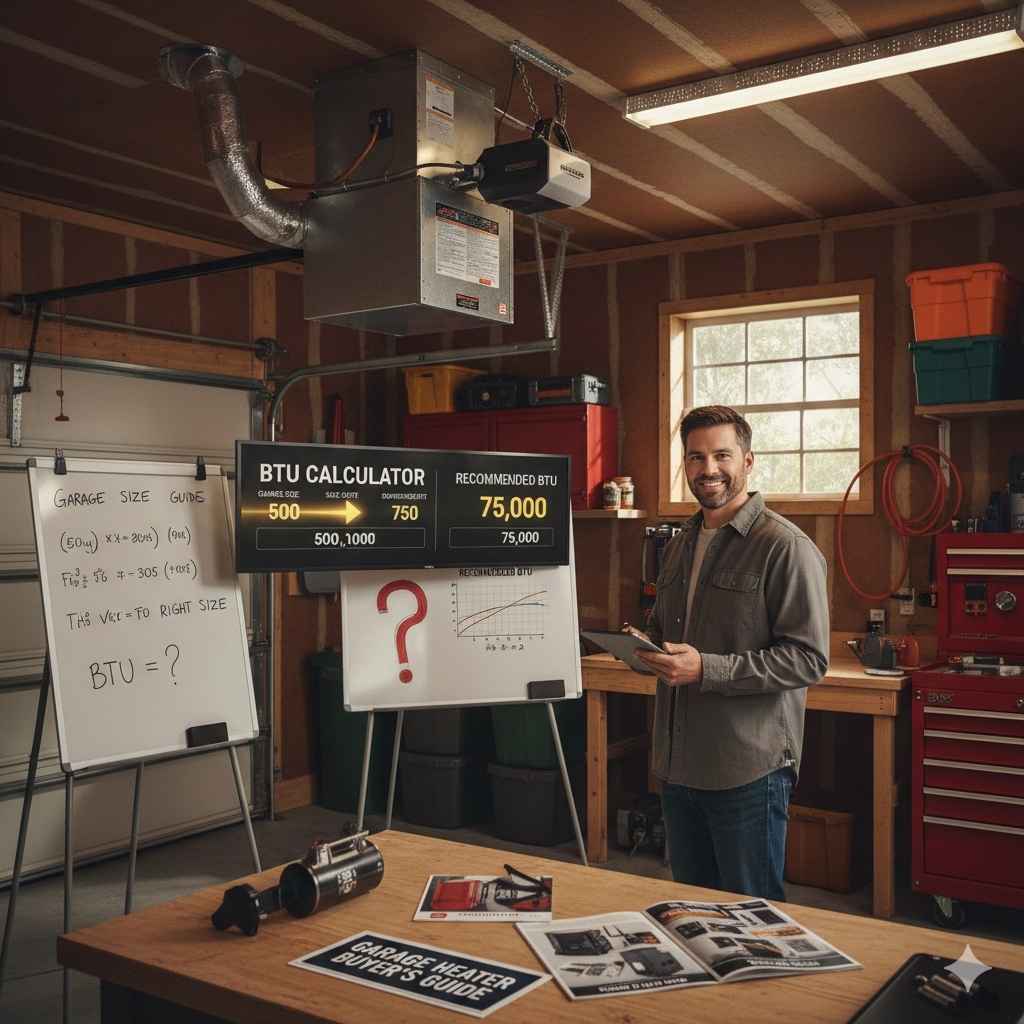
Figuring out How Many BTU Garage Heater Do I Need? can feel tricky, especially if you’re just starting out. You might get confused by all the numbers and different types of heaters. Don’t worry! This guide is here to break it down simply. We’ll explore exactly what BTU means, how to figure out your garage’s heating needs, and the different types of heaters available. This way, you’ll be able to choose the best heater for your garage. We’re going to explore all this, so let’s get started!
What Does BTU Mean?
BTU stands for British Thermal Unit. It’s a measurement of how much heat a heater can produce. Think of it like a measure of a heater’s “power.” The higher the BTU number, the more heat the heater can put out. When you’re buying a garage heater, the BTU rating is one of the most important things to consider. You need enough BTUs to warm your garage, but you don’t want to waste money on more heat than you need. A heater with too few BTUs won’t keep your garage warm, while a heater with too many BTUs will cost more to run. The size of your garage and how well it’s insulated will affect the number of BTUs you need.
Breaking Down British Thermal Units
A single BTU is the amount of energy needed to raise the temperature of one pound of water by one degree Fahrenheit. This might seem like a small amount, but when you multiply it by thousands (or even tens of thousands), you get a good idea of a heater’s heating capacity. This is why you often see heaters rated with BTU values like 10,000 BTU, 20,000 BTU, or even higher. It’s important to note that the efficiency of the heater will also affect how effectively the BTU rating translates to actual heating in your garage. A highly efficient heater might be able to warm a space more effectively than a less efficient one, even with a lower BTU rating. Considering the heater’s efficiency, along with the BTU rating, is a key step.
Energy Measurement: The BTU serves as a standard unit to measure the heat output of any heating appliance. Knowing the BTU rating helps you assess the heater’s power.
Every heater, whether it’s a small electric space heater or a large propane garage heater, is rated in BTUs. This rating informs you about the heater’s heating capacity. Understanding BTUs is therefore important. You can use it to compare different models and find the one that suits your needs. It is directly connected to how much energy the heater consumes. A higher BTU rating typically indicates higher energy consumption.
Heat Production Standard: BTU establishes a benchmark to compare different types of heaters.
Comparing heaters becomes straightforward once you are acquainted with BTU. You can evaluate the performance of diverse heaters. This is a significant advantage when you are making a purchasing decision. Also, you can compare a propane heater’s BTU output to an electric heater’s. This helps to determine which is better suited for your garage.
Practical Significance: BTU values are critical for selecting the right heater.
Knowing the BTU needs for your garage is a very important part of choosing a heater. It will keep your garage at a comfortable temperature. It also prevents you from wasting energy on a heater that is too powerful. Correctly matching the heater’s BTU output to your garage’s space and insulation leads to optimal energy efficiency and temperature control.
Real-world Application: Consider the size of your garage, insulation, and the average outdoor temperature to determine your needed BTU.
This consideration makes sure your heater can heat your garage effectively. The size of your garage is the primary factor. Well-insulated garages require fewer BTUs than those with poor insulation. You can create a comfortable and efficient heating system for your garage by taking these factors into account.
BTU and Garage Heater Types
Different types of garage heaters use different methods to produce heat, which can affect their efficiency and BTU output. Electric heaters, for example, typically have lower BTU ratings compared to propane or natural gas heaters. However, they can still be suitable for smaller, well-insulated garages. Propane and natural gas heaters can produce a much larger volume of heat, making them appropriate for bigger, poorly insulated garages. You’ll need to figure out the right type of heater for your specific needs, considering factors like fuel availability and the amount of space you are heating.
Consider the cost of fuel. Propane and natural gas can vary in price. Electric heaters might be cheaper to buy. But the electricity costs can be more expensive long-term, depending on where you live. Consider the safety features of each type of heater. This includes automatic shut-off mechanisms. Also, it includes the correct ventilation requirements to prevent carbon monoxide buildup.
Estimating BTU Needs for Your Garage
Estimating your BTU needs requires some basic information about your garage. First, you will need to determine the square footage of your garage. You will measure the length and width of your garage and multiply them to get the square footage. Also, you should consider the height of your garage ceilings to determine the cubic footage. This number, along with factors like insulation and climate, plays an important part in the calculation. You will determine the right-sized heater for your garage. This will prevent you from buying a unit that’s not strong enough or too powerful.
Next, you’ll need to assess the insulation in your garage. Garages with good insulation will need fewer BTUs to heat. Garages with poor or no insulation will need more BTUs to compensate for heat loss. Also, consider your local climate. If you live in a colder climate, you will need a heater with a higher BTU rating. Warmer climates may require fewer BTUs. Use online BTU calculators, or consult with a heating professional. The factors above all influence your final BTU needs.

How to Calculate Your Garage’s Heating Requirements
Calculating how many BTUs you need involves a few steps. The first is to measure your garage’s dimensions. Then, you’ll determine the garage’s cubic footage. You will also assess the level of insulation and consider your local climate. This will give you a good starting point for your calculation. You can then use a formula or an online BTU calculator to help you determine the appropriate BTU rating for your heater.
Step-by-Step BTU Calculation
Let’s break down the steps involved in calculating your garage’s heating needs in more detail. This method makes the process easier to follow and will give you a more accurate estimate of the heater you need.
Measure the Garage: Measure the length, width, and height of your garage in feet.
To start, measure the length and width of your garage. Multiply these two numbers to get the square footage. Then measure the ceiling height. To determine the total cubic feet of your garage, multiply the square footage by the height. This gives you the volume of the space you need to heat.
Assess Insulation: Take a look at the insulation in your garage.
Good insulation keeps the heat inside, reducing the BTU requirements. If your garage is well-insulated, you will need fewer BTUs. Poor insulation or no insulation, then you will need more BTUs. Examine the walls, ceiling, and the garage door. This will help you know how much heat loss will occur.
Consider Climate: Factor in the climate where you live.
The climate has a big impact on the BTU calculation. Colder climates will call for heaters with higher BTU ratings. This will overcome the cold outside temperatures. Warmer climates will require less heating. The coldest temperatures you expect during the heating season is an important part of calculating how many BTUs you will need.
Use a BTU Calculator: Use an online BTU calculator.
Many online BTU calculators are available, making this step easier. Enter the dimensions of your garage, the type of insulation, and your local climate information. The calculator will provide you with an estimated BTU requirement. This is the simplest way. These calculators are available at no charge and will take the guesswork out of the process.
Adjust for Use: Adjust the BTU Calculation based on usage.
If you use your garage infrequently, a lower BTU heater may be enough. If you spend lots of time in your garage, then a heater with a higher BTU output would be a better choice. Adjust your final BTU number based on your specific needs. This helps to select a heater that gives the right level of comfort.
Garage Size and BTU Needs
The size of your garage is the biggest factor in determining the BTU needs. A larger garage will naturally need a heater with a higher BTU rating compared to a smaller garage. Remember, the goal is to make sure your heater can effectively heat the entire space. You want to avoid one that is either too small to be effective or too powerful, leading to wasted energy. Knowing the square footage and cubic footage of your garage is the foundation of the BTU calculation process.
Here’s a basic overview to give you a general idea. Keep in mind that these are just estimates, and you’ll still need to consider your climate and insulation levels. You’ll want approximately 10 BTUs per square foot for a well-insulated garage. A less-insulated garage may require 20 to 30 BTUs per square foot. The goal is to provide the required heating. The correct amount of BTUs will let you maintain the desired temperature in your garage without consuming unnecessary energy.
Insulation and Its Impact on BTU Requirements
Insulation is crucial in controlling heat loss and, in turn, affects the BTU requirements. Well-insulated garages keep heat inside, reducing the amount of energy needed to maintain a comfortable temperature. Garages with poor insulation or none at all lose heat quickly. These will need a higher BTU heater to keep the space warm. The type of insulation also plays a key role. Proper insulation can significantly reduce your heating costs and improve overall comfort. Check the insulation in your garage walls, ceiling, and garage door. This is important to determine your total BTU needs.
If you plan to improve the insulation of your garage, consider doing that before buying a heater. This might reduce the required BTU of the heater. Also, a well-insulated garage retains heat longer, which can lead to lower energy bills. Using spray foam insulation, or adding insulation to the garage door, is a great start. These enhancements will lead to better overall thermal efficiency and comfort.
Choosing the Right Garage Heater
Selecting the right garage heater involves more than just knowing the BTU requirements. You’ll need to think about the type of heater, the fuel source, and safety features. Selecting a heater that meets your needs ensures you have an effective heating solution. You will have a safe garage environment as well. Let’s look at the different options available, with their pros and cons. We will also explore the different safety considerations.
Types of Garage Heaters
The main types of garage heaters include electric, propane, and natural gas heaters. Each has unique characteristics and benefits, so the best choice depends on your specific needs and situation. Understanding the different types allows you to make an informed decision and to select the one that fits your garage best.
Electric Heaters: Electric heaters are often simple to use and install.
They are powered by electricity. They don’t need any special ventilation. Electric heaters are a good choice for smaller garages. They are a good fit for well-insulated spaces. A major benefit of electric heaters is that they don’t produce any emissions. There’s no risk of carbon monoxide exposure, and they are generally safer to operate. The drawback is that electric heaters may be more costly to run, particularly in areas with higher electricity rates.
Propane Heaters: Propane heaters run on propane fuel.
Propane heaters are powerful and can heat larger spaces quickly. They are appropriate for garages where electricity isn’t always reliable. They are often a better choice for heating a large, poorly insulated garage. You will need to make sure you have good ventilation when using a propane heater. You will also need to store propane safely. Propane heaters have a good BTU output, making them efficient for heating large spaces.
Natural Gas Heaters: Natural gas heaters connect to a natural gas line.
Natural gas heaters offer continuous heating. They are an efficient option for those with access to natural gas. Like propane heaters, they provide considerable heat output. These are well-suited for larger garages. They need proper ventilation. Safety is a key factor when you use natural gas heaters. Ensure that the installation is handled by a professional. This will help with the safe use of natural gas heaters.
Fuel Sources and Operating Costs
The type of fuel your garage heater uses will greatly affect operating costs. Electric heaters may have higher operating costs in some regions. This is because the price of electricity can vary. Propane and natural gas have their own costs. They often are more cost-effective. But the prices can change, so it’s important to monitor those costs. Comparing the costs of fuel with the heater’s efficiency, and your typical usage habits, can help you calculate the costs.
Electric heaters may offer a lower upfront cost. The electricity bills can be expensive. Propane heaters require the purchase of propane tanks. You have to consider the long-term cost. Natural gas heaters may have a lower running cost compared to electric. But you need to have a natural gas line installed in your garage. Calculate the costs of different fuel types. Consider how long you plan to use the heater. This will help you make a practical decision.
Here’s a simplified table comparing average fuel costs:
| Fuel Type | Cost Factor | Considerations |
|---|---|---|
| Electricity | Per Kilowatt-hour (kWh) | Rates vary by location and time of use. |
| Propane | Per Gallon | Tank size and market prices influence cost. |
| Natural Gas | Per Therm or Cubic Foot | Prices depend on utility provider and usage. |
Safety Features to Look For
Safety should be a top priority when choosing a garage heater. Ensure the heater has important safety features. These will protect your garage and your well-being. Look for heaters with automatic shut-off functions, such as tip-over protection and overheating protection. These shut the heater off automatically if it tips over or gets too hot. A carbon monoxide detector is important when using fuel-burning heaters. This detects dangerous levels of carbon monoxide. The best way to use the heater safely is to read the manufacturer’s directions. This will tell you how to safely operate and maintain the heater.
Tip-Over Shut-Off: Automatically turns off the heater if it is knocked over.
Tip-over protection is a fundamental safety feature. It cuts off the power or fuel supply. It avoids potential fires. This is really useful if you have kids or pets. If you have an active garage workspace, it’s a key safety consideration.
Overheat Protection: Shuts the heater down when it reaches unsafe temperatures.
Overheat protection prevents the heater from becoming a fire hazard. Sensors monitor the internal temperature. When the temperature gets too high, the heater turns off. It will stop it from starting a fire. This feature keeps the heater and the surrounding items safe.
Carbon Monoxide (CO) Detector: Important for fuel-burning heaters.
CO detectors are really important when you use fuel-burning heaters. Fuel-burning heaters, such as propane or natural gas heaters, can produce carbon monoxide. This is a dangerous gas that can be deadly. A CO detector will sound an alarm if the CO levels are too high. This is a very important safety measure. It protects your health and safety.
Proper Ventilation: Required for fuel-burning heaters.
Always ensure your garage has good ventilation when you use fuel-burning heaters. This will help to get rid of harmful fumes. Follow the manufacturer’s ventilation instructions. This will make sure that the air is clean and safe.
Installation and Maintenance Tips for Garage Heaters
Proper installation and regular maintenance are vital for the safe and efficient operation of your garage heater. Incorrect installation can make your heater unsafe. Poor maintenance can lead to reduced efficiency and a shorter lifespan. Following these instructions will allow your garage heater to operate at its best. It will also help keep your garage warm and your operating costs low.
Professional Installation vs. DIY
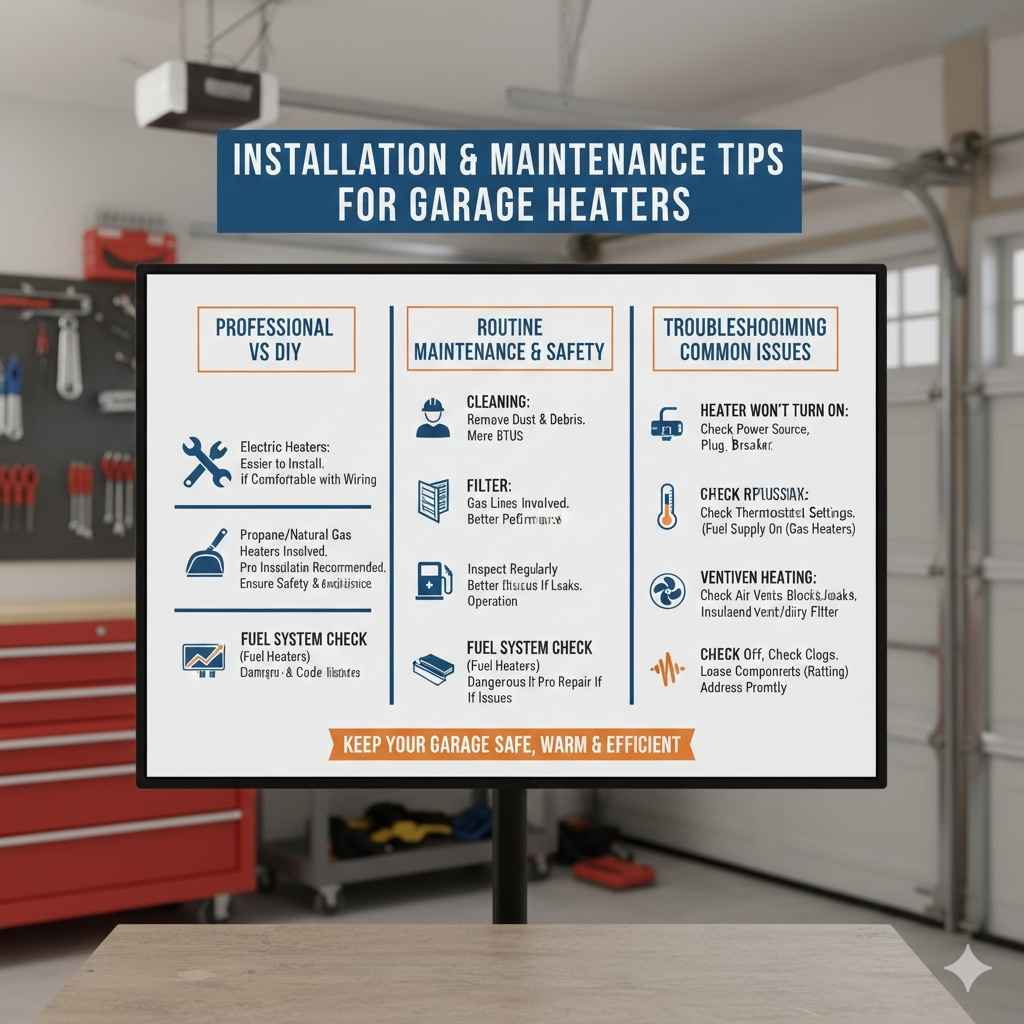
Whether you choose professional installation or do it yourself depends on the type of heater. Electric heaters are usually easier to install. Often, you can handle the installation yourself. But if you’re not comfortable working with electrical wiring, it’s best to hire a professional. Propane and natural gas heaters involve gas lines. Professional installation is highly recommended because of the risks. Professionals have the skills, tools, and knowledge to ensure the installation is safe and compliant with all local codes. Always review the manufacturer’s instructions. That will help you determine the best approach for installing your heater.
Improper installation can lead to potential hazards like fire and carbon monoxide leaks. These risks are why following the instructions is important. A professional installation provides assurance. It ensures that the system works efficiently. It also keeps your garage safe. If you want to install the heater on your own, remember to check all local regulations. Make sure your installation complies with the safety guidelines.
Routine Maintenance and Safety Checks
Routine maintenance will make sure your garage heater works safely and efficiently. Maintenance can extend the life of your heater. It can also reduce the risk of malfunctions and safety issues. Regularly check for any signs of damage. Make sure all components are working correctly. Inspect your heater before each heating season. This will keep it working well and help prevent problems.
Cleaning: Clean your heater regularly.
Keep the heater clean by removing dust and debris. This helps your heater work at its best and reduces fire hazards. Use a vacuum cleaner or a soft brush to clean the air vents and other components. It prevents the heater from overheating and keeps it running smoothly.
Filter Replacement: Replace the filter periodically.
If your heater has air filters, replace them regularly. A clean filter improves air quality and lets the heater run effectively. Check the manufacturer’s instructions to figure out how often you should change the filters.
Fuel System Check (Fuel Heaters): Inspect fuel lines and connections.
If you have a propane or natural gas heater, inspect the fuel lines and connections for leaks. Leaks are dangerous. They can lead to fires or explosions. If you notice any issues, have a qualified technician repair them immediately.
Ventilation Inspection: Make sure the ventilation system is clear.
If your heater uses a ventilation system, check it to ensure it is clean and not blocked. Good ventilation is very important for safety. It prevents dangerous fumes from building up in your garage. Always follow the manufacturer’s instructions for the ventilation setup. This helps to keep your garage safe and the air fresh.
Troubleshooting Common Issues
Sometimes your garage heater might not work as it should. Knowing how to recognize and fix common problems can help you save time. Also, you can avoid a potentially costly repair. Minor issues are easier to handle yourself. More serious issues should be handled by a qualified technician.
Heater Won’t Turn On: Check power source and connections.
If your heater won’t turn on, first check the power source. Make sure it’s plugged in correctly and the circuit breaker hasn’t tripped. Check the power cord for damage. If you have a gas heater, make sure the fuel supply is turned on and there are no leaks. A simple fix could get your heater working.
Heater Doesn’t Produce Heat: Check the thermostat settings and the fuel supply.
If the heater turns on but doesn’t produce any heat, check the thermostat settings. Make sure they are set correctly. With fuel heaters, check the fuel supply. Also, check for a blocked vent or a dirty filter. Sometimes a little cleaning or a simple adjustment can fix the issue.
Uneven Heating: Check air vents and insulation.
If your garage is heating unevenly, check the air vents. Make sure that they aren’t blocked. Also, check that your garage’s insulation is good. Ensure there aren’t any drafts. Uneven heating might also mean that the heater is the wrong size for your garage. A few adjustments can significantly improve the heating in your garage.
Unusual Noises: Check for clogs or loose components.
If your heater is making unusual noises, turn it off. Check for any clogs in the vents or loose components. A rattling or banging sound could indicate a problem that you should address right away. Address these problems as quickly as possible. This can help prevent bigger and costlier problems in the future.
Frequently Asked Questions
Question: How do I know if I have enough BTUs for my garage?
Answer: Calculate your garage’s cubic footage, assess its insulation, and take your climate into account. Use a BTU calculator or the guidelines above for the best estimate. Make sure you select the correct BTU rating for your specific garage.
Question: Can I install a garage heater myself?
Answer: Electric heaters are often simpler and easier for DIY installation. Propane and natural gas heaters may need professional installation for safety reasons. Always consult the manufacturer’s instructions and local codes.
Question: What’s the difference between propane and natural gas heaters?
Answer: Propane heaters use propane tanks. Natural gas heaters connect to a natural gas line. Both are powerful, but natural gas heaters offer a constant fuel supply. Propane is often available in areas without natural gas access.
Question: What safety features should my garage heater have?
Answer: Look for tip-over shut-off, overheat protection, and a carbon monoxide detector (for fuel-burning heaters). Make sure that there is proper ventilation. Always follow the manufacturer’s safety recommendations.
Question: How often should I maintain my garage heater?
Answer: Perform routine checks before the heating season. Clean the heater regularly, change filters as needed, and inspect fuel lines and vents. Refer to the manufacturer’s directions for specific maintenance guidelines.
Final Thoughts
Choosing the correct BTU garage heater ensures your workspace remains comfortable and safe, year-round. It starts with knowing how many BTUs you require. To determine that, assess your garage’s dimensions, insulation quality, and local climate. Then, use those numbers, using a formula or BTU calculator, to find out your garage’s heating needs. You have to consider the different heater types. Electric, propane, and natural gas heaters all have unique benefits. Be sure to consider fuel source and safety features when making your decision.
Proper installation and consistent maintenance are key to the safe and efficient function of your heater. Now, with a good understanding of BTU calculations, heater types, and safety, you’re prepared to pick the perfect garage heater.
Last Updated on January 14, 2026 by Tanim