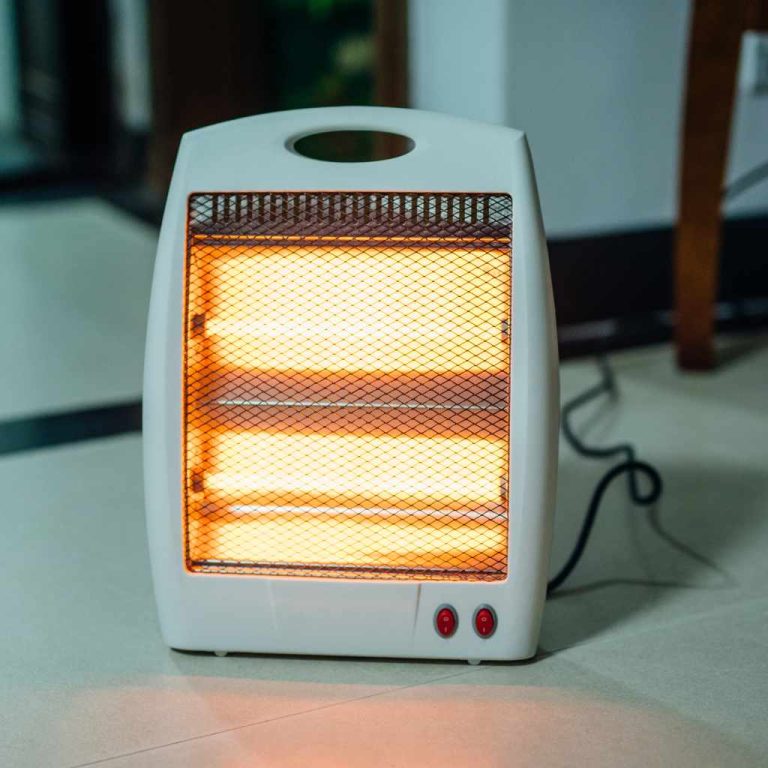
Electric Heater Types Comparison: Essential Guide
Choosing the right electric heater is simple once you understand the main types: Convection, Radiant, and Fan-Forced. This guide breaks down which heater suits your space—whether you need whole-room warmth or focused spot heating—making your decision fast, safe, and budget-friendly.
Are you tired of chilly rooms when the temperature drops? Picking an electric heater can feel confusing. So many options exist, and you just want to be warm and safe without running up a huge electric bill! Don’t worry; it’s easier than you think to find the perfect match for your home. We will explore the most common electric heater types together, showing you exactly what each one does best. Get ready to enjoy cozy comfort, guaranteed.
Electric Heater Types Comparison: Essential Guide to Staying Warm
Welcome! I’m Tanim, and I’m here to guide you through the world of electric heating. Finding the right heater is all about knowing how heat moves. Some heaters warm the air, others warm you directly. Once you see the differences, choosing becomes a simple game of matching the heater to your needs—be it heating a small office or warming up a drafty living room. Let’s demystify these units so you can choose confidently.
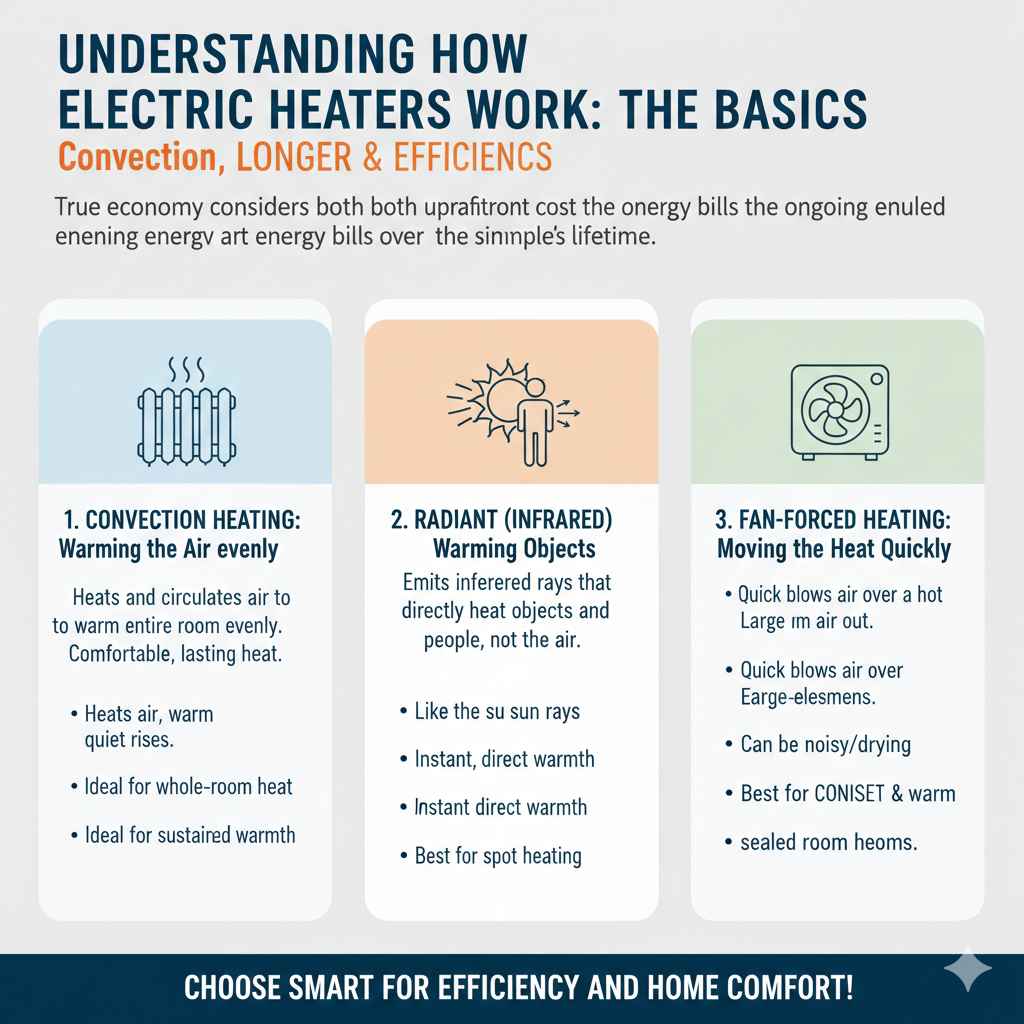
Understanding How Electric Heaters Work: The Basics
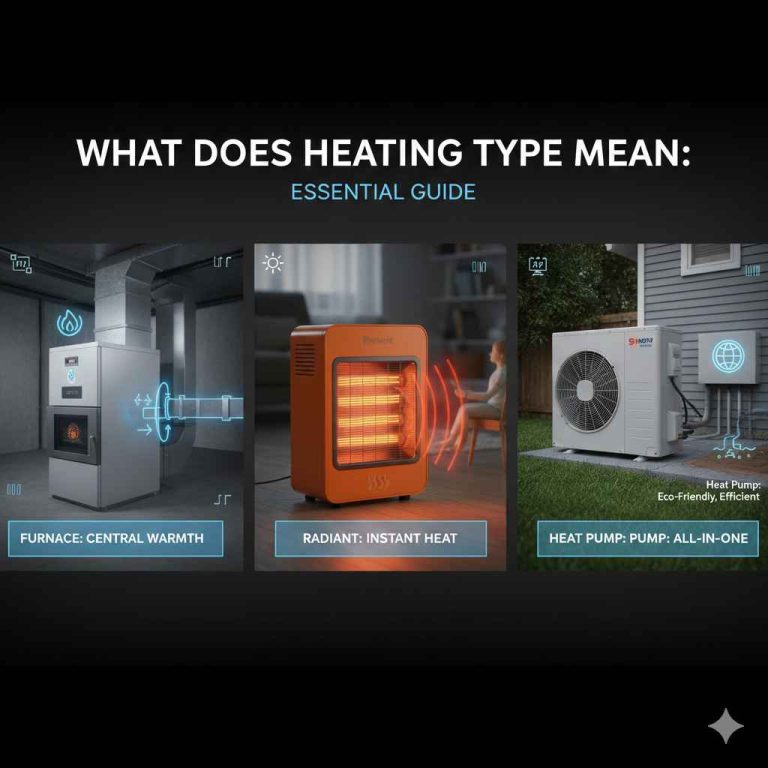
All electric heaters use electricity to create heat. They usually do this in one of three primary ways: convection, radiation, or forced air. Understanding this simple process is the key to making smart choices about efficiency and comfort.
1. Convection Heating: Warming the Air
Convection heaters work like your home’s central furnace, but on a smaller scale. They heat the air around them, and this warm air naturally rises, circulates, and slowly warms up the entire room evenly. This method provides a very comfortable, gentle heat that lasts even after the unit turns off.
2. Radiant (Infrared) Heating: Warming Objects
Radiant heaters work like the sun. They send out infrared rays that travel through the air and heat up objects and people directly in their path. The air itself stays cooler. This is fantastic if you need instant warmth in a small area, like sitting right next to the unit, but it won’t raise the overall room temperature much.
3. Fan-Forced Heating: Moving the Heat Quickly
Fan-forced heaters combine a heating element (like a coil) with a fan. The fan blows air directly across the hot element, rapidly pushing warm air out into the room. These heat up a space quickly but can sometimes feel drying or noisy compared to other types.
The Top 5 Electric Heater Types Compared
We will look closely at the five most common types you will find in stores today. We’ll review what they are, how they work best, and where they shine in your home.
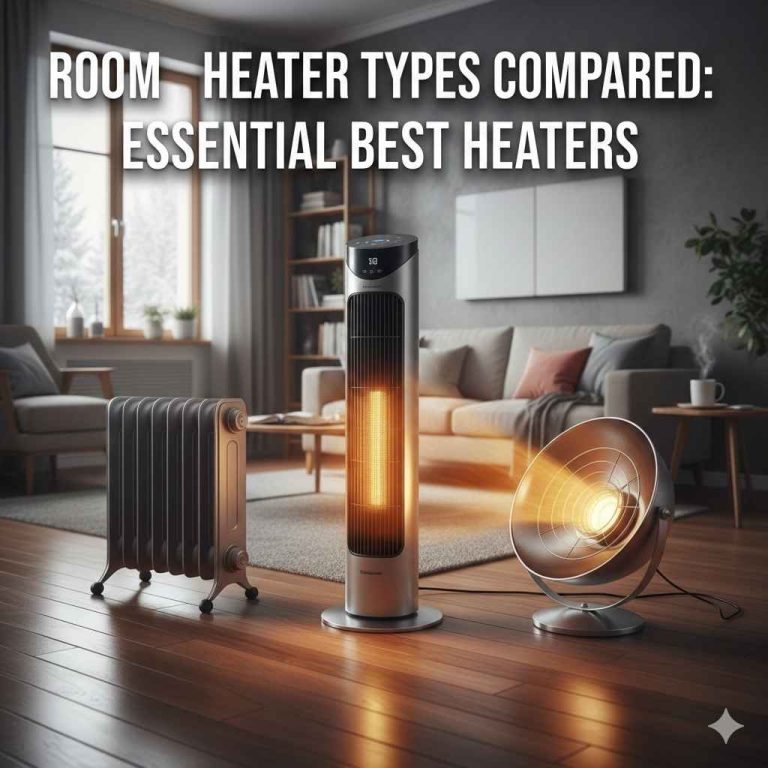
1. Oil-Filled Radiator Heaters (Convection Type)
These are the classic, heavy heaters that look like old-fashioned radiators. They are filled with special diathermic oil sealed inside. Electricity heats the oil, and the oil then radiates steady warmth into the room.
Pros and Cons
- Pros: Provide very even, silent, long-lasting heat. They are excellent for maintaining a steady temperature in bedrooms or living areas.
- Cons: They take a long time to heat up initially. They are heavy and not easily portable.
2. Ceramic Heaters (Often Fan-Forced)
Ceramic heaters use a PTC (Positive Temperature Coefficient) ceramic element that heats up quickly. A fan then blows air over this element and into the room. They are popular because they are compact and generally very safe.
Pros and Cons
- Pros: Fast heat output. Highly portable and lightweight. Many feature safety shut-offs and oscillating features.
- Cons: The heat tends to be localized and can dry out the air slightly. Best for warming small to medium spaces.
3. Infrared/Quartz Heaters (Radiant Type)
These are purely radiant heaters. They use quartz tubes or halogen bulbs that glow brightly, emitting intense infrared heat. Think of them as personal sunbeams.
Pros and Cons
- Pros: Provide instant, direct heat. Very energy efficient for spot heating because they don’t waste energy heating the air first.
- Cons: Only heats what is directly in front of it. Do not significantly raise the ambient room temperature.
4. Mica Thermic Panel Heaters (Radiant & Convection Mix)
These newer, slimline heaters use thin mica sheets that heat up rapidly. They provide a mix of radiant heat (warming nearby surfaces) and natural convection as the air moves across the warm panels. They are known for being slim and quiet.
Pros and Cons
- Pros: Very lightweight and aesthetically pleasing (slim design). Quiet operation and rapid warm-up time.
- Cons: Generally more expensive upfront than basic ceramic models.
5. Fan Heaters (Basic Fan-Forced)
These are often the smallest, cheapest heaters. They use metal heating coils and a fan to blow air directly out. They are great for an immediate blast of heat in a small, enclosed space.
Pros and Cons
- Pros: Very affordable to buy and quick to deliver initial warmth. Highly portable.
- Cons: Can be noisy. The heat does not linger once the unit turns off. Higher risk of dust burning if coils get dusty.
Choosing the Right Heater for Your Space: A Quick Reference Table
To make your electric heater types comparison crystal clear, here is a table summarizing when to use each type. This will help you quickly match the tool to the job.
| Heater Type | Best For | Heat Speed | Noise Level | Coverage Area |
|---|---|---|---|---|
| Oil-Filled Radiator | Bedrooms, offices requiring steady background heat | Slow to start, excellent retention | Silent | Medium to Large Rooms (Evenly) |
| Ceramic Fan | Medium rooms, supplemental heating | Fast | Moderate (fan noise) | Medium Rooms (Good circulation) |
| Infrared/Quartz | Spot heating (e.g., under a desk, patio) | Instant | Silent | Very Small Area (Direct path) |
| Mica Thermic Panel | Living areas where aesthetics matter | Fast | Very Quiet | Medium Rooms (Balanced heat) |
| Basic Fan Heater | Quickly warming a small bathroom or personal space | Very Fast | Loud | Small Spaces Only |
Focusing on Efficiency: Which Heaters Save You Money?
When comparing electric heaters, the term “efficiency” can be tricky. All electric resistance heaters are nearly 100% energy efficient—meaning almost every watt of electricity used becomes heat. The real savings come from how you use the heat, not the heater itself.
To maximize your savings, focus on matching the heating method to the need:
- Spot Heating vs. Area Heating: If you only need to warm yourself, use an Infrared/Quartz heater. You are only heating your immediate area, saving energy on the rest of the room.
- Long-Term Steady Heat: For rooms you use for many hours (like a living room in the evening), an Oil-Filled Radiator is often better. It uses less power once it reaches temperature, relying on the retained heat in the oil to cycle on and off, maintaining warmth without major energy spikes.
- Smart Controls: Look for models with built-in thermostats and timers. Being able to set the heater to turn off automatically when you leave the room is the single best way to cut down on costs.
Remember, operating costs are based on wattage. A 1500-watt heater costs the same to run for one hour regardless of the type. Where they differ is how effectively they deliver that heat to where you need it most.
Key Features for Safety and Convenience
Since safety is non-negotiable, especially when dealing with portable units, always check for these essential features before purchasing any electric heater.
Must-Have Safety Features
- Automatic Shut-Off (Tip-Over Switch): This is crucial. If the unit is accidentally knocked over, it immediately cuts power.
- Overheat Protection: Sensors that detect when internal components get too hot and automatically power down the unit to prevent fire hazards.
- Cool-Touch Exterior: Essential for homes with children or pets. This means the exterior casing does not get dangerously hot, preventing burns. Ceramic heaters often excel here.
Convenience Features to Look For
- Adjustable Thermostat: Allows you to set a specific temperature rather than just a low/medium/high setting.
- Timer Function: Lets you program the heater to turn on before you wake up or turn off after you go to bed.
- Oscillation: For fan-forced heaters, this feature allows the unit to swivel side-to-side, spreading the heat across a wider area.
Installation and Placement: Getting the Most Out of Your Heater
Even the best heater won’t work well if placed in the wrong spot. Placement is key to circulation and safety.
Where NOT to Place Your Heater
This is very important for preventing electrical issues and fires. Always follow the manufacturer’s suggested clearance, but general rules include:
- Keep heaters at least three feet away from anything flammable: curtains, bedding, paper, or furniture.
- Never place a heater where it might get wet, such as near a bathtub, sink, or in a damp basement area (unless explicitly rated for damp locations).
- Avoid placing heaters where they can be easily tripped over or run into, like narrow hallways.
Optimal Placement Strategies
The best spot depends on the type of heat:
- For Convection Heaters (Oil-Filled): Place them where air circulation is best. Often, this means placing them under a window. Cold air drops from the window glass, hits the heater, warms up, and rises to counteract the cold draft.
- For Radiant Heaters (Infrared): Place them directly facing the area you will occupy. If you are sitting on a couch, point it toward the couch.
- For Fan Heaters: Place them centrally in the space to allow the fan to push the air outward effectively.
For homeowners concerned about the safety standards of electrical appliances, you can always refer to the guidelines provided by organizations like the National Fire Protection Association (NFPA) regarding space heater use and clearance guidelines (NFPA official resources).
Deep Dive: Which Heater is Best for Specific Rooms?
Let’s tailor your choice based on the room size and your goal. This section helps solidify your decision-making process.
Small Rooms (e.g., Bathroom, Small Office under 100 sq. ft.)
For very small spaces that need quick, temporary warmth, a small Ceramic Fan Heater or a Quartz Heater works well. If it’s a bathroom, ensure the unit is rated for damp locations and place it far from the shower.
Medium Rooms (e.g., Bedroom, Den, 100–200 sq. ft.)
Consistency is key in bedrooms. The Oil-Filled Radiator is the champion here. It heats slowly but provides a consistent, silent warmth that doesn’t disrupt sleep. If you prefer faster heating, a mid-sized ceramic unit with an oscillating feature works well too.
Large Rooms or Open Areas (e.g., Living Rooms over 200 sq. ft.)
Heating large areas with a single portable electric heater is challenging and costly. If you must use a portable unit, choose the highest wattage allowed (usually 1500W) and opt for a powerful Ceramic Heater that circulates air well. For true efficiency in large spaces, consider panel heaters like Mica Thermic models across the room to share the load, or focus only on heating the immediate occupied zone.
Maintenance: Keeping Your Electric Heater Safe and Running Smoothly
A little cleaning goes a long way in ensuring your heater works efficiently and safely for years. Dust buildup acts as an insulator, making the unit work harder, and can pose a fire risk in fan heaters.
Simple Annual Cleaning Checklist
- Unplug First: Always ensure the heater is completely disconnected from the wall outlet before starting any cleaning.
- Dust Removal: Use a soft, dry cloth or a vacuum cleaner with a brush attachment to gently clean the exterior grills and vents. Do not spray liquids directly onto the unit.
- Check the Cord: Inspect the power cord for any fraying, cracking, or damage. If the cord is damaged, do not use the heater; contact a professional or replace the unit.
- Wipe Down (Exterior Only): If safe for your model (check the manual), you can gently wipe the plastic casing with a slightly damp cloth, ensuring no moisture gets into the internal components.
- Storage: If storing the heater for the summer, keep it in its original box or a clean, dry place, away from extreme temperatures.
Regular maintenance ensures that the heating elements can transfer heat effectively, keeping your running costs down and your safety up. Remember, you can find detailed care instructions for most modern appliances by looking up the manufacturer’s safety guidelines, often available online from reputable sources like the Consumer Product Safety Commission (CPSC) regarding appliance safety.

FAQ: Your Quick Answers on Electric Heaters
Q1: Are electric heaters expensive to run?
A: They cost money based on their wattage (most run at 1500 watts). Running a 1500W heater for eight hours costs about the same as running an older 100W light bulb for 120 hours. Use them smartly by only heating the space you occupy to keep bills low.
Q2: Which heater type is the safest?
A: Generally, modern ceramic heaters with tip-over and overheat protection are considered very safe due to their cool-touch surfaces. Oil-filled radiators are also safe because they don’t use exposed glowing elements.
Q3: Can I use an extension cord with my electric heater?
A: No, this is a major safety risk. Electric heaters draw a lot of power and can easily overload standard extension cords, leading to overheating or fire. Always plug the heater directly into a wall outlet.
Q4: What is the difference between a 750W setting and a 1500W setting?
A: The wattage setting dictates how much power the heater draws. 1500W provides maximum heat output, while 750W provides half the heat, allowing you to use less energy when you only need a little warmth.
Q5: Should I use a heater to supplement my main furnace?
A: Yes! This is called “zone heating.” If your furnace struggles in one specific room (like a basement office), using a small, targeted electric heater allows you to keep your central thermostat lower, saving energy overall while keeping that one spot comfortable.
Q6: How long does it take for an oil-filled radiator to heat a room?
A: Oil-filled radiators heat slowly, often taking 30 to 60 minutes to make a noticeable difference in a medium room. However, they are excellent at maintaining that temperature once achieved, offering lasting warmth.
Conclusion: You Are Now Ready to Choose Warmth
Choosing an electric heater no longer needs to be a guessing game. You now understand the core differences between convection, radiant, and fan-forced heat. Whether you prioritize the quiet, long-lasting comfort of an oil-filled radiator for your bedroom or the instant, direct warmth of a ceramic unit for your workspace, you have the knowledge to select the right tool.
Remember the core advice: match the heat type to the need. Use radiant heat for instant personal warmth, and use convection heat for steady, whole-room comfort. Always prioritize safety features like tip-over switches and never use extension cords. By being mindful of placement and maintenance, you ensure your home stays cozy, safe, and budget-friendly all season long. Go ahead—make that warm, informed decision today!