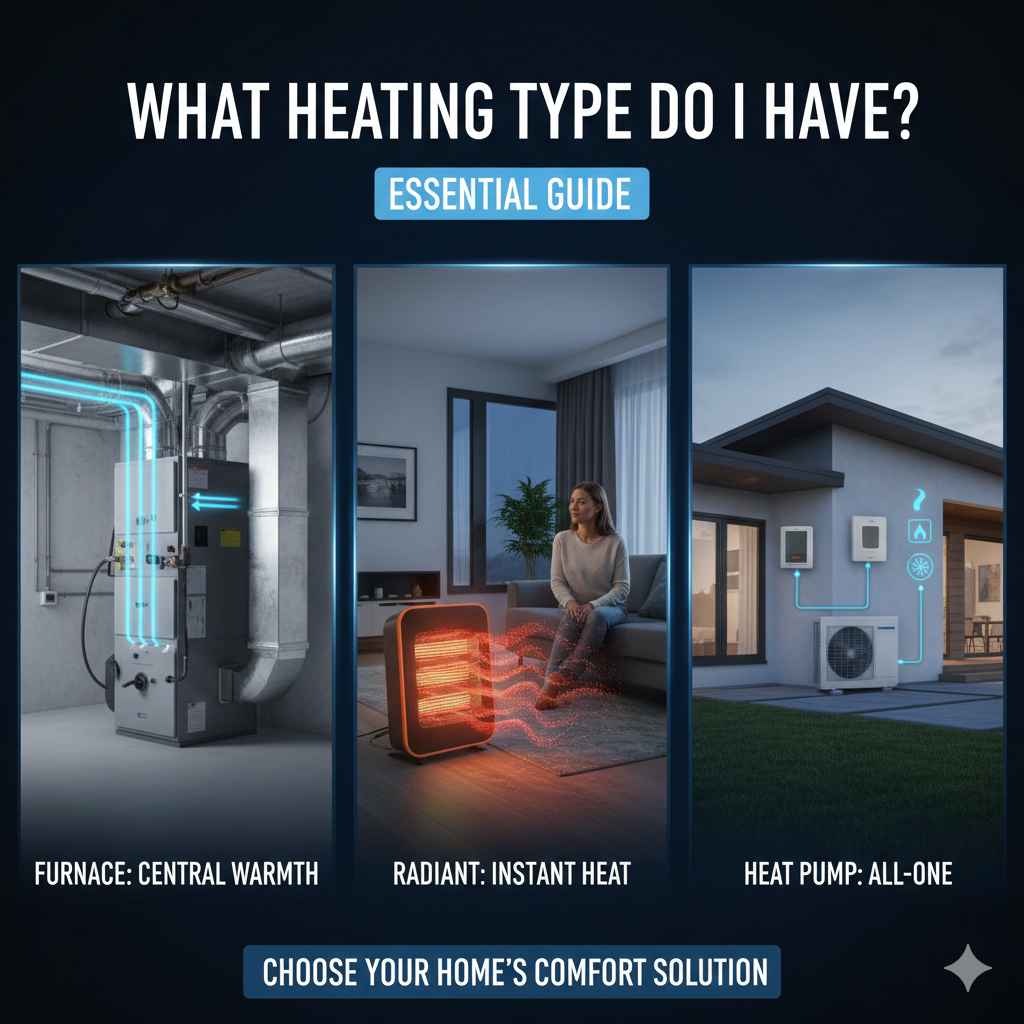
What Heating Type Do I Have? Simple Home Checks
To figure out what heating type you have, look for the main unit (furnace, boiler, or heat pump), check the fuel source (gas line, oil tank, or electrical panel), and examine your vents or radiators. This guide makes identification simple, ensuring you always know how to keep your home cozy.
For vehicle heating questions, Do All 6.4 Have Block Heaters: Facts Revealed gives readers a related follow-up to check.
For a closely related heater topic, What Does Heating Type “Heat Pump” Mean? Explained Simply gives readers a useful next step.
For a closely related heater topic, What Type of Portable Heater is : to Warmth gives readers a useful next step.
Feeling lost when the temperature drops? It’s very common not to know the exact system warming your house. Understanding your heating type is the first step to saving money, staying safe, and getting cozy comfort all winter long. Don’t worry if it sounds complicated; we will break it down into simple checks you can do right now. This guide is your friendly expert tour of the machines making your home warm. Let’s uncover your system together!
What Heating Type Do I Have? Essential Guide to Home Comfort
Knowing your heating system isn’t just trivia—it’s practical power! When something goes wrong, the repair person asks, “What kind of system do you run?” If you can answer that, fixes are faster and sometimes cheaper. Plus, knowing your system helps you use less energy. We’re going to walk through easy inspection steps so you can confidently identify if you have a furnace, a boiler, a heat pump, or something else entirely. Let’s get started on making your home heating simple!
Step 1: Finding Your Main Heating Appliance
Your home’s heating system is powered by one central “heart”—the main appliance. This is where the fuel is burned or the heat is generated. To identify your system, you need to find this unit first. In most homes, it’s located in a basement, garage, utility closet, or attic.
Furnace vs. Boiler: The Big Difference
The most common residential systems are forced-air furnaces and hot-water or steam boilers. They look different and work in completely different ways:
- Furnaces (Forced Air): These systems heat air directly. They move that warm air through metal ducts and push it out of vents (registers) in the floor, walls, or ceiling.
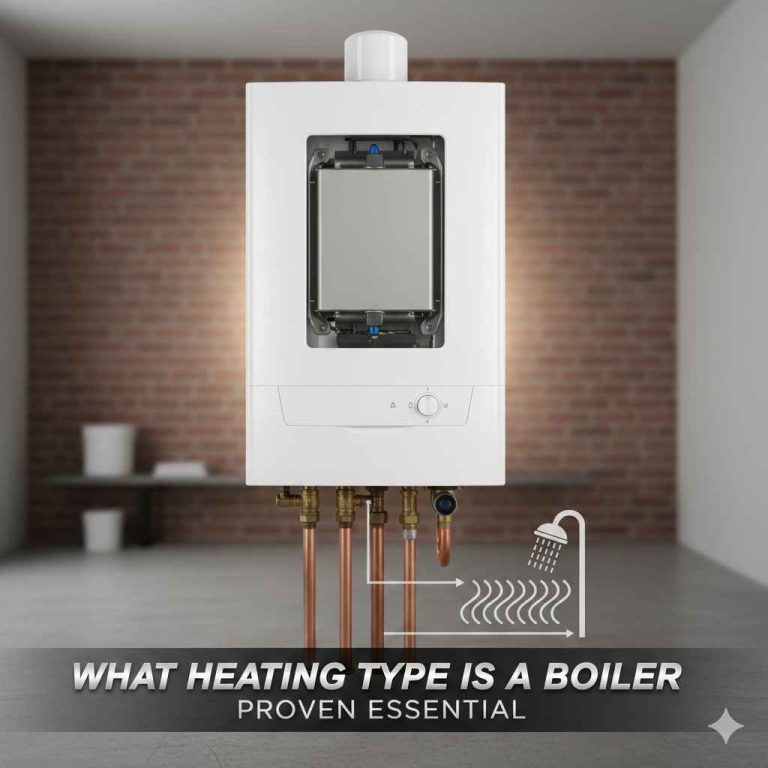
- Boilers (Hydronic Heat): These systems heat water (or create steam). This hot water or steam then travels through pipes to radiators, baseboard units, or in-floor tubing to heat the home. They do not use air ducts.
Action Item: Look around your main utility space. Do you see a large metal box with many ducts leading away from it? That’s likely a furnace. Do you see pipes with valves and maybe a tall chimney stack, often next to radiators in the living space? That points toward a boiler.
Step 2: Checking How Heat is Delivered (Distribution Method)
Once you locate the main unit, the next crucial clue is how the heat gets to your rooms. This confirmation step helps eliminate confusion between similar-looking appliances.
Identifying Air Delivery (Ductwork)
If you find vents—those grates on your floors, walls, or ceilings where air blows out—you almost certainly have a Forced-Air System. This means you have a furnace (or an air handler paired with an outdoor unit, which we’ll discuss next).
Easy Check: Open one vent cover. If air blows out when the heat is on, you have a duct-based system.
Identifying Water/Steam Delivery (Radiators or Baseboards)
If you see bulky metal radiators attached to the walls, or low-profile finned metal units (baseboard heaters) connected by pipes, you have a Hydronic System, meaning you have a boiler.
Easy Check: These systems feel warm to the touch when running and produce heat silently, without blowing air.
Step 3: Determining the Fuel Source
The fuel source is often the easiest way to categorize your system. Where does the energy come from to run the furnace or boiler?
A. Natural Gas or Propane
If your system uses gas, you will see a rigid metal pipe running directly into the furnace or boiler unit. This is the gas line.
- Natural Gas: This usually connects directly to a utility line buried underground outside your home. It’s generally the cheapest fuel source where available.
- Propane (LP): If you use propane, you will have a large, stationary tank outside your home (often white or black) that stores the fuel.
Safety Note: Gas systems require proper venting (a chimney or specialized exhaust pipe) to safely remove combustion byproducts like carbon monoxide. Never block these vents.
B. Fuel Oil
Oil systems are common in areas without natural gas access. If you have an oil system, you will see a large tank—often cylindrical and usually located in the basement or outside—with copper tubing running from the tank into the heating unit. The oil burner requires maintenance (like an annual cleaning) to run efficiently.
C. Electricity
Electric systems are very straightforward. They use electricity directly to create heat, often through electric coils inside a furnace or baseboard heater. You might not see a chimney or gas line connection to the unit itself.
Where electricity is used:
- Electric Furnaces: These look like gas furnaces but have large electrical wiring connecting to them instead of gas lines.
- Electric Baseboard Heaters: These are individual units in each room, controlled by a thermostat on the wall, running solely on household electricity.
Step 4: Recognizing Heat Pumps (The Modern Alternative)
Heat pumps are gaining popularity because they both heat and cool your home efficiently. They move heat rather than generating it through combustion, which means they use electricity year-round.
Central Heat Pumps
These systems have two main components:
- Outdoor Unit: Looks very much like an air conditioner condenser unit—a large box with a fan sitting outside.
- Indoor Unit (Air Handler): This is typically located where a furnace would be, connected to your ductwork.
How to tell: If you see a main heating unit connected to ductwork AND you have a large outside unit that runs in both summer (for A/C) and winter (for heat), you likely have a central heat pump.
Ductless Mini-Split Heat Pumps
These are great for homes without existing ductwork or for adding heat to specific zones. You will see sleek, white rectangular units mounted high on the wall inside each room. They are connected by a small conduit pipe running through the exterior wall to a small unit outside.
Tip: Heat pumps sometimes rely on supplemental electric resistance heating (like giant toaster coils) when temperatures drop very low. Your unit might have a label mentioning “auxiliary heat.”
Summary Table: Identifying Your System at a Glance
Use this quick reference guide based on your inspection findings. This table summarizes the main identification points:
| System Type | Main Component Location | Heat Distribution | Fuel/Power Source Clue |
|---|---|---|---|
| Forced-Air Furnace | Basement, Closet, Attic | Air blowing from vents/registers | Gas pipe, Oil line, or heavy electrical wiring |
| Boiler (Hydronic) | Basement, Utility Room | Radiators or baseboard fins | Gas line, Oil line, or Electrical hookup |
| Central Heat Pump | Indoor unit in closet/attic + Large Outdoor Unit | Air blowing from vents/registers | Heavy electrical wiring only |
| Ductless Mini-Split | Wall-mounted units inside; small unit outside | Warm air from indoor wall unit | Electrical wiring |
| Electric Baseboard/Wall Heater | Unit installed directly in the room wall | Direct radiant heat from unit | Standard wall outlet wiring (no central unit) |
Going Deeper: Common Fuel Types and Their Implications
Once you know what you have (furnace or boiler), knowing the fuel helps you understand running costs and maintenance needs. Energy.gov provides excellent resources on home energy choices, which you can review if you are considering an upgrade.
Natural Gas Systems
Gas furnaces and boilers are common because gas burns cleanly and is often the most budget-friendly option for heating a whole home. They require an annual inspection by a professional to ensure the heat exchanger is safe and functioning well. Efficiency ratings (AFUE) are important here.
Oil Systems
Oil heat tends to be more expensive than natural gas and requires regular maintenance, including fuel filter changes and burner cleaning. If you have an oil tank, always monitor its level, especially before long cold snaps, as running out can be inconvenient.
Propane (LP) Systems
Propane functions much like natural gas but is stored on your property. Because propane is delivered and stored in a tank, its price can fluctuate based on delivery schedules and local supply. If you rent your tank, check with the supplier about maintenance requirements.
Electric Resistance Heating
This is the most straightforward electrically powered heat, but it is often the most expensive way to heat large spaces because you pay for every unit of energy converted directly into heat. However, it’s excellent for supplemental heating or in very small, well-insulated spaces.
Understanding Efficiency Ratings (AFUE and HSPF)
When you identify your system, you might see stickers or plaques on the unit detailing its efficiency. These ratings tell you how much of the fuel you pay for actually turns into usable heat. For homeowners looking to save on bills, these numbers matter!
For Combustion Systems (Furnaces and Boilers):
- AFUE (Annual Fuel Utilization Efficiency): This rating is a percentage. An 80% AFUE furnace means 80 cents of every dollar spent on fuel becomes heat, while 20 cents are lost up the chimney. Modern, high-efficiency units often reach 90% to 98% AFUE.
For Heat Pumps:
- HSPF (Heating Seasonal Performance Factor): This measures how efficiently the heat pump heats over an entire season. Higher numbers mean better efficiency.
If your unit has a very low AFUE (like 60% or 70%), it is an older model, and upgrading could lead to significant savings, even though the initial replacement cost seems high. Check with your local utility provider; they often offer rebates for installing high-efficiency equipment.
Troubleshooting Clues Based on System Type
Knowing what you have helps you diagnose simple problems before calling a technician. Here are common clues:
- If you have a Furnace and nothing is blowing:
- Check the thermostat—is it set high enough?
- Check the furnace door—is it securely closed? (Most units have a safety switch that prevents firing if the door is ajar.)
- Check the furnace filter—a clogged filter restricts airflow, making the system work poorly or shut down.
- If you have a Boiler and no heat in one room:
- Check the radiator valve—is it fully open?
- If it’s a steam system, is the air vent on the radiator blocked or closed?
- If it’s a hot water system, you might need to “bleed” the radiator to release trapped air bubbles that stop hot water flow.
- If you have a Heat Pump and it’s too cold:
- Check the thermostat setting—is it set to “Heat” and not “Cool”?
- Check the thermostat mode—if it’s set too low, the unit may rely too heavily on expensive auxiliary heat, or it might be struggling to keep up with the outside temperature.
What If I See Vents AND Radiators? (The Hybrid Home)
This is rare but not unheard of! Some older homes might have had a primary boiler system for baseboard heat, and then a later addition of a furnace (perhaps for cooling or to supplement heat). If you find both full sets of ductwork/vents AND radiators, you have a Dual System.
Action: Identify which system the thermostat controls. Usually, the furnace is tied to a central thermostat, while older boiler systems might have zone controls or separate thermostats for certain areas.
Identifying Small, Zone Heating Devices
Not all heat comes from the central system. Many people use supplemental heaters, which are often confused for the main source.
Portable Heaters
These plug into standard wall outlets and are used to heat a single room temporarily. Types include:
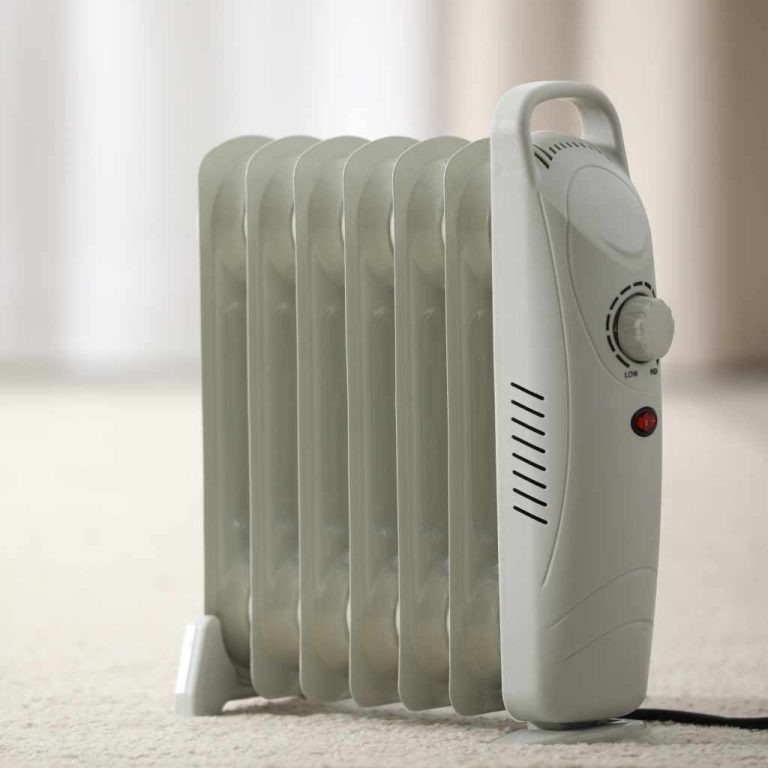
- Oil-Filled Radiators (Portable): These use electricity to heat oil sealed inside the unit, providing gentle, lasting warmth.
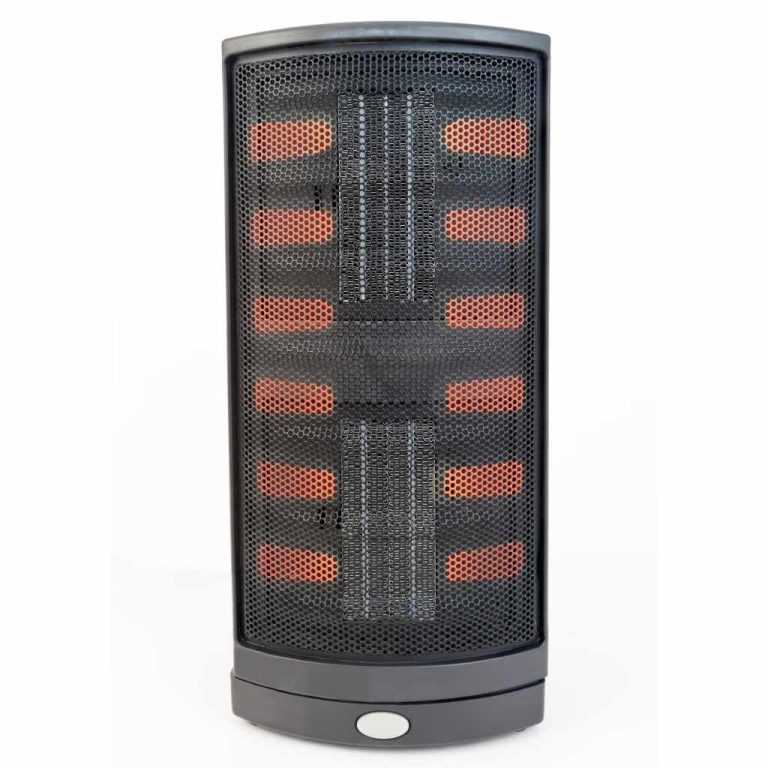
- Ceramic Heaters: These use a fan to blow air over hot ceramic elements. They heat up fast but may cycle on and off more frequently.
Crucial Point: If you are relying on portable electric heaters to keep your main living area warm, your primary system is likely either broken, undersized, or you have electric resistance heat, which is why your bills are high.
External Resources for Efficiency Checks
For reliable data on how different heating systems perform in your climate zone, consulting government standards is very helpful. The U.S. Department of Energy provides clear guidelines on seasonal efficiency ratings to help homeowners compare replacement options intelligently.
Frequently Asked Questions About Heating Systems
Q1: How do I know if my furnace is old?
A: Look for a label or serial number on the unit, or check the model number online. Generally, furnaces older than 15–20 years are considered old. Older models often have AFUE ratings below 80% and are less efficient than current standards.
Q2: Can a boiler use the same ducts as an air conditioner?
A: No. Boilers use water or steam piped to radiators. If you have ducts, you have a forced-air system (a furnace or a heat pump air handler). An air conditioner always uses the same ductwork as the furnace, as both rely on moving air.
Q3: What is the safest type of heating system for a home?
A: Heat pumps (both central and mini-split) are generally considered the safest because they do not burn fuel, eliminating the risk of carbon monoxide leaks. For combustion systems, gas is generally safer and cleaner than oil, provided they are professionally vented and inspected annually.
Q4: Why is my electric bill so high if I have a gas furnace?
A: This happens when the furnace fan motor (which pushes the hot air through the ducts) is large or inefficient. It also happens if you have a very old, low-efficiency furnace that wastes a lot of fuel trying to compensate for heat loss.
Q5: I see two units—one inside and one outside. What am I running?
A: If the inside unit connects to ducts and the outside unit is a large box with a fan, you have either a central air conditioner (summer cooling) paired with a furnace (winter heating), OR you have a heat pump (which does both jobs).
Q6: Should I look for a high or low rating on my system’s efficiency sticker?
A: You always want the highest rating possible. For furnaces and boilers, look for an AFUE rating of 90% or higher. For heat pumps, look for a high HSPF or SEER rating.
Q7: If I can’t find a main unit, what does that mean?
A: It strongly suggests you have individual electric baseboard heaters or perhaps small, wall-mounted gas heaters in each room. In this case, there is no single “central” heating appliance to find.
Conclusion: Taking Control of Your Home Comfort
Identifying your heating type is less about decoding complex engineering and more about simple visual detective work. Whether you are looking at ducts suggesting a furnace, pipes leading to radiators indicating a boiler, or a distinct outdoor unit pointing to a heat pump, you now have the knowledge to name your system confidently. This simple understanding is your key to troubleshooting minor issues, scheduling accurate maintenance, and making smart decisions when it’s time to upgrade.
Remember, maintaining a warm, safe, and efficient home is totally achievable when you know the basics of what’s under your hood—or in your basement! Keep an eye on those efficiency ratings, schedule yearly check-ups based on your fuel type, and enjoy the reliable comfort that comes from being an informed homeowner. You’ve taken the first, and often hardest, step toward total home heating mastery.