How to Secure a Block Heater Plug in Bad Weather Safely
Use an outdoor-rated cord cover with a gasket, keep the plug above snowmelt when possible, add a drip loop, and secure the cord to a fixed support; if the connection can move or sit in water, it is not secure. Bad setup leads to water ingress, frozen plugs, and pullout from wind or cord tension. This guide covers a simple checklist to secure a block heater plug in snow, slush, freezing rain, and wind.
How secure should a block heater plug be in bad weather?
Secure means free from danger or harm, and it also means firmly fastened. For a block heater plug, that means the connection should hold up to water, wind, and snow without loosening, sitting in slush, or exposing live contacts. If the plug can move, wick water, or refreeze shut, it is not secure enough for winter use.
What failures winter weather creates at the plug face
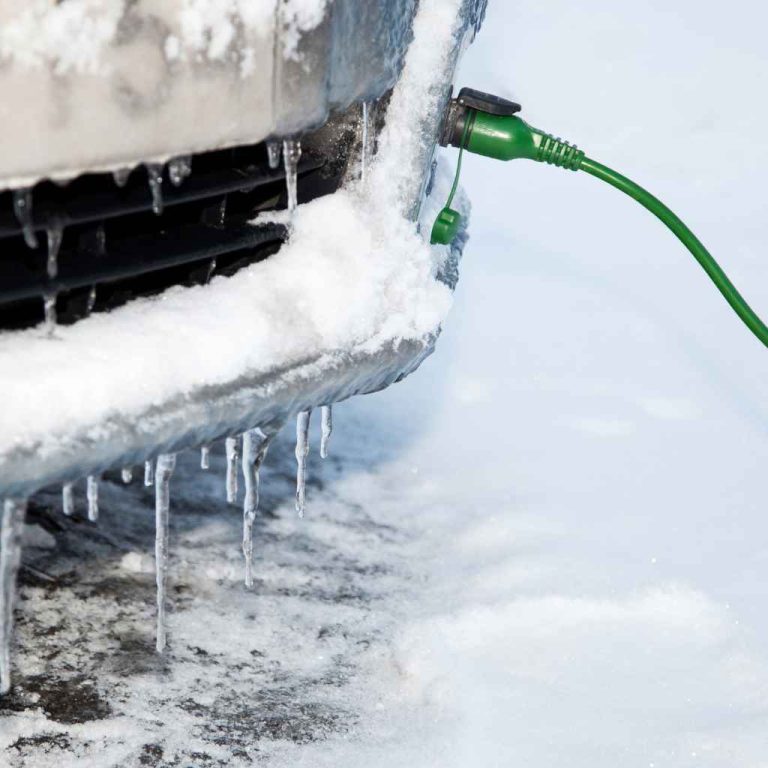
Bad weather creates three predictable problems: water ingress, strain pullout, and refreezing. Snowmelt and road spray can enter the plug face, freezing rain can lock moisture around the blades, and wind or cord tension can tug the connection apart. Partial contact can also cause nuisance trips, especially on a GFCI-protected circuit.
What “secure” means for water, strain, and ice control
In this context, secure means tied down or fastened firmly, and not likely to fail or give way. The plug should stay dry enough to operate, stay elevated above slush, and stay supported so the cord does not bear the weight of snow or ice. A good setup blocks weather without trapping moisture against energized contacts.
When a simple fix is not enough
A simple cover or strap is not enough if the plug body is cracked, the receptacle is loose, or the cord jacket is damaged. Replace failing parts rather than trying to hide the problem. Say your plug cover stays packed with slush after a plow pass; that is a sign the location or cover style needs to change, not just more tape.
Start with the right outdoor-rated parts
Use a block-heater connection that is built for exposure, not indoor use dressed up for winter. The best setup starts with a weatherproof cap or cover, a grounded outdoor cord with the correct gauge for the heater load, and a protected outlet that can be checked and reset without exposing your hand to ice buildup.
Choose a block heater plug cap or cover
Use a cap or cover that fits over the outdoor plug end, sheds snow and slush, and still allows inspection and ventilation. It should keep water off the contacts without sealing moisture in. Do not use a cover that traps condensation against energized blades or makes it impossible to see whether the plug face is clean and dry.
Choose a heavy-duty outdoor extension cord
Use an outdoor-rated extension cord with a grounded three-prong configuration and cold-weather flexibility. The cord should be sized for the heater load, not chosen only by length. A heavy-duty jacket stays easier to route in freezing temperatures and is less likely to crack when bent near the plug or dragged across packed snow.
Check the GFCI outlet and reset access
Use a GFCI outlet for outdoor protection, and confirm that the test button works and the reset remains reachable in freezing weather. Wet conditions can trip a GFCI, which is expected behavior. If the reset is buried behind snow or ice, the outlet may be protected in theory but difficult to restore in practice.
How do you keep the plug from pulling out in wind?
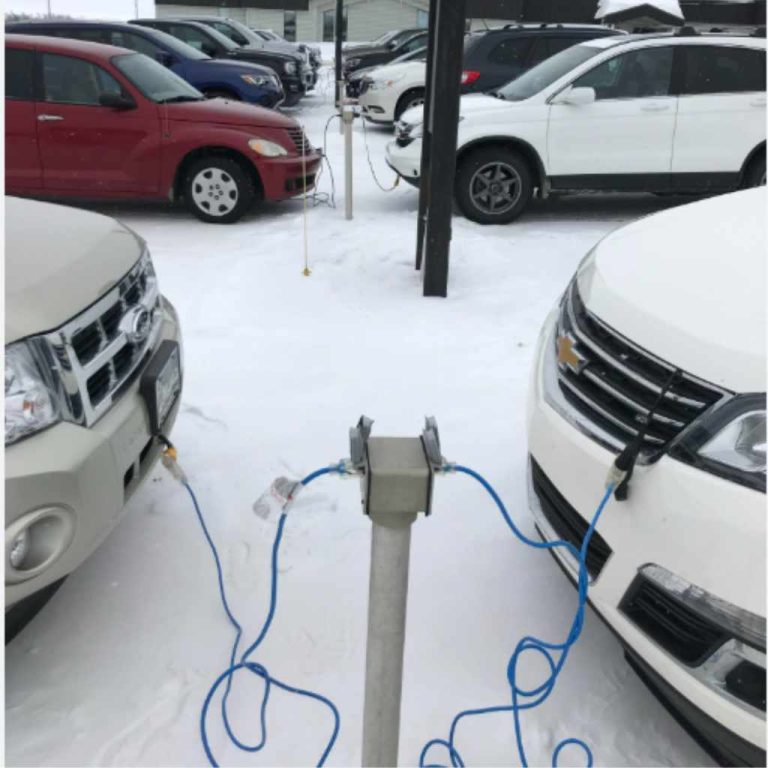
Keep the cord from carrying tension. Use strain relief, lift the connection away from drifting snow, and anchor the cord to a fixed point so wind or snow load cannot pull the plug loose. The goal is a supported connection, not a tight line that flexes the receptacle every time the weather shifts.
Use strain relief instead of cord tension
Add strain relief with a cord clip, hook, or hook-and-loop strap so the plug is not the first thing that takes a tug. The support point should hold the cord a short distance from the receptacle and keep the connection elevated. A fixed tie-off works better than leaving the cord to hang under its own weight.
Raise the connection above slush and snow
Keep the plug and receptacle off the ground and out of slush, road spray, and meltwater. Even a few inches can matter if snowmelt pools at the base of a bumper or along a curb. For a pickup, tractor, or generator setup, route the cord where passing snow and boots are less likely to bury the connection.
Compare clip, strap, hook, and tie-off methods
A cord clip is useful when you want a quick fixed point. A hook or tie-off point works well on a stable bumper bracket, frame member, or wall anchor. A hook-and-loop strap gives more adjustment and is easy to remove for inspection. A zip tie can hold position, but it is less convenient if you need frequent checks.
Scenario example
Picture a diesel truck parked overnight beside a snowbank. The cord drops straight from the grille to the outlet, then a wind gust pulls the plug partially out. A simple strap tied to a higher point on the bumper would have kept the connection from hanging on the receptacle alone.
How do you keep water and ice out of the connection?
Keep water away with a drip loop, a vented cover, and a connection that sits above standing slush. Do not rely on tape alone. Before energizing the heater, clear visible ice from the plug face and confirm that the contacts are dry, because frozen moisture can block full insertion and cause partial contact.
Build a drip loop below the plug
Make the cord dip below the plug and then rise to the receptacle so meltwater can run off before it reaches the connection. That simple routing method reduces water migration into the outlet. The low point should sit below the plug face, not above it, or the cord can channel water directly into the contact area.
Shield the plug face without sealing it shut
Use a small weather hood or cover that sheds snow and freezing rain while still allowing inspection and some air movement. A temporary shelter should protect the opening, not create a sealed enclosure around energized parts. A closed box can trap moisture, while a vented cover lets you check for ice, dirt, and loose fit.
Can I use electrical tape on a block heater plug outdoors?
Electrical tape can help hold a loose wrap or mark a position, but it is not a substitute for a proper outdoor cover or cap. Tape can trap moisture, peel in cold weather, and hide damage. If you need weather protection, use a cover made for outdoor exposure and keep the contacts visible enough for inspection.
Clear ice before you energize the heater
Ice at the plug face can keep the plug from seating fully and may cause nuisance trips. Do not force a frozen plug together. First unplug, then clear visible snow, slush, and ice from the cap, blades, and receptacle opening. If the plug face is packed with ice, dry it before reconnecting so the blades seat completely.
What should you inspect before plugging in after a storm?
After snow, freezing rain, or a plow pass, inspect the plug face, receptacle, cord jacket, and cover before turning on the heater. Look for wetness, corrosion, pitting, cracks, bent blades, or any loose fit. A connection that looks intact but feels sloppy can still arc, trip, or overheat under load.
Check the plug blades and receptacle contacts
Inspect the contact surfaces for corrosion or pitting and make sure the blades are not bent. Clean, dry contacts matter because a poor fit raises resistance and makes the connection less dependable. If the plug goes in crooked or feels loose in the receptacle, stop and correct the problem before using the heater.
Look for corrosion, pitting, cracks, and bent blades
Cracked insulation, discoloration from heat, and bent blades are signs the connection has already been stressed. Corrosion on the receptacle or plug face often means water has been getting in repeatedly. If any metal looks rough or eaten away, treat that as more than cosmetic wear.
Verify the cord jacket and cover are intact
Check the jacket along the full visible run for cuts, stiff sections, or flattening. The cover should close or seat properly and still let you inspect the connection. A cover that will not stay in place after a storm is no longer doing its job, even if the plug still powers the heater.
When should you replace the plug cover, cord, or receptacle?
Replace parts when they no longer keep water out, hold a firm connection, or maintain grounding integrity. A damaged cover, cracked cord, loose receptacle, or repeated trip condition is not a winter nuisance to work around. It is a sign that the connection is no longer dependable and should be fixed or replaced.
Replace the cover when it no longer sheds water
If a cover stays open, collects slush, or no longer lets you inspect the plug face, replace it. A cover that traps moisture, admits spray, or fails to close after repeated use cannot protect the connection. The right cover should fit the plug end, stay in place, and still allow drying between uses.
Replace the cord for cracks, stiffness, or grounding damage
Replace the cord if the jacket is cracked, the insulation is damaged, or the cord has lost winter flexibility. Also replace it if the grounding prong is damaged or the plug body is heat-marked. A heavy-duty outdoor cord should remain dependable in cold weather, not stiffen into a shape that stresses the connection.
Replace the receptacle if it is loose or heat-marked
Replace the receptacle if it feels loose, shows heat marks, or keeps tripping during normal use. Loose contacts can create partial contact, and repeated wet-weather tripping can point to a damaged outlet or moisture problem. If the outlet is outdoors, protection and reset access should be part of the replacement plan.
How do I replace a damaged block heater plug or receptacle?
If the plug body, cap, or receptacle is visibly damaged, replace the defective part rather than patching around it. Use matching outdoor-rated components and restore a solid ground connection. If the receptacle is heat-damaged or loose, the safer move is to replace it before the next freeze cycle, not after the next nuisance trip.
Winter checklist for block-heater plug security
Use this checklist before a storm, after snow or freezing rain, and after a plow pass. The goal is simple: dry contacts, firm retention, and a route that keeps meltwater away from the plug face. Check it every time weather changes, because winter conditions change the connection faster than most people expect.
| Hazard | What to inspect | What to fix before energizing the block heater |
|---|---|---|
| Water ingress | Wet plug face, slush in the cap, standing meltwater near the outlet | Dry the contacts, clear ice, add a vented weatherproof cover, raise the connection off the ground |
| Strain pullout | Loose plug fit, cord tension, no support point, wind exposure | Add a cord clip, hook, or strap; create slack management; anchor the cord to a fixed support |
| Refreezing after snow or rain | Ice on the plug face, frozen cover, stiff cord, blocked outlet access | Clear ice before use, keep the reset reachable, move the connection out of direct snow load |
| Contact damage | Corrosion, pitting, bent blades, cracked insulation, heat marks | Replace damaged parts; do not energize a compromised plug or receptacle |
| Wet-weather trip risk | GFCI status, test button function, reset access in freezing weather | Test the GFCI, confirm outdoor protection, and keep the reset reachable and dry |
Before a storm
Set the cord route, secure the support point, and verify that the cover closes and the GFCI can be reached. Keep the plug above the likely snow line. If the setup already sits where snowplows throw slush, move it before the weather hits.
After snow, freezing rain, or a plow pass
Inspect for packed snow, ice, slush intrusion, and tugged cord anchors. Clear the plug face, dry any visible moisture, and confirm that the receptacle still grips firmly. If a plow pass displaced the cord, re-route it before reconnecting.
Before energizing the heater
Check for a full, clean fit. Confirm that the cover is not trapping water, the drip loop is still below the plug, and the cord is not under tension. If the connection looks questionable, do not power it until the damaged part is corrected or replaced.
How do I secure a block heater plug in bad weather?
Use a weatherproof cover, keep the plug off the ground, add a drip loop, and fasten the cord so wind cannot tug it loose. Secure, in plain terms, means firmly fastened and protected from danger. If the connection can sit in water or move under load, it is not secure enough for winter.
What is the best block heater plug cover for snow and ice?
The best cover fits over the outdoor plug end, sheds snow and freezing rain, and still lets you inspect the connection. It should not trap moisture against energized contacts. A small vented hood or gasketed cap is usually more useful than a sealed box, which can hold condensation and hide damage.
Can I use electrical tape on a block heater plug outdoors?
Electrical tape is not a proper outdoor cover. It can peel in cold weather, trap moisture, and conceal corrosion or a loose fit. Use it only as a minor aid, never as the main weather barrier. For winter protection, choose a cover made for outdoor exposure and keep the plug face visible.
How do I keep a block heater cord from pulling out in wind?
Add strain relief with a clip, strap, or hook so the cord is supported before it reaches the receptacle. Leave enough slack for movement, but not enough for the plug to hang under tension. Anchoring the cord to a fixed support is better than letting wind work directly on the connection.
What kind of extension cord is safe with a block heater in winter?
Use an outdoor-rated extension cord with a grounded three-prong configuration, cold-weather flexibility, and a gauge appropriate for the heater load. Keep the cord jacket intact and avoid indoor cords or brittle, cracked jackets. If the cord stiffens badly in cold weather, replace it rather than forcing bends near the plug.
How do I prevent a block heater connection from icing up?
Keep the connection above slush, use a vented cover, and route the cord with a drip loop so meltwater runs away. Before plugging in, clear visible ice from the plug face and receptacle opening. A frozen cover or ice-packed contact area should be dried and checked before energizing the heater.
Should a block heater plug be off the ground in slush?
Yes. The plug and receptacle should stay above slush, road spray, and meltwater to reduce water ingress and corrosion. Even a raised connection can fail if it sits directly in pooled melt, so combine height with a cover and a drip loop. Off the ground is a minimum, not the full answer.
How do I replace a damaged block heater plug or receptacle?
Replace any part that is cracked, loose, heat-marked, corroded, or repeatedly tripping under normal winter use. A damaged cover, cord, or receptacle should not be patched into service if it cannot stay dry and firmly connected. Use outdoor-rated replacement parts and restore a grounded, weather-resistant connection.
how to put in a block heater
For winter cord security, the important part of putting in a block heater is the external routing, not the heater element itself. Keep the cord away from sharp edges, add a drip loop, and secure the plug above snow line. If the installation leaves the plug exposed to slush or wind, adjust the routing.
how to replace block heater plug
Replace the plug when the body is cracked, the blades are bent, or the connection no longer fits firmly. Use a matching outdoor-rated part with proper grounding. If the plug cover no longer sheds water, replace that too, because a good plug still fails when moisture reaches the contact face.
how to use block heater
Use a block heater through a protected outdoor connection, then check it after weather changes. Keep the plug dry, off the ground, and supported so wind cannot pull it apart. A safe winter setup depends on clean contacts, a drip loop, and a cover that does not trap moisture.
how to install a block heater
Installation should leave you with a connection that can be checked and protected in winter. Route the cord so it avoids hot parts, sharp edges, and low spots where water collects. Then add weather protection, strain relief, and a reachable GFCI so the finished setup remains serviceable after snow and freezing rain.