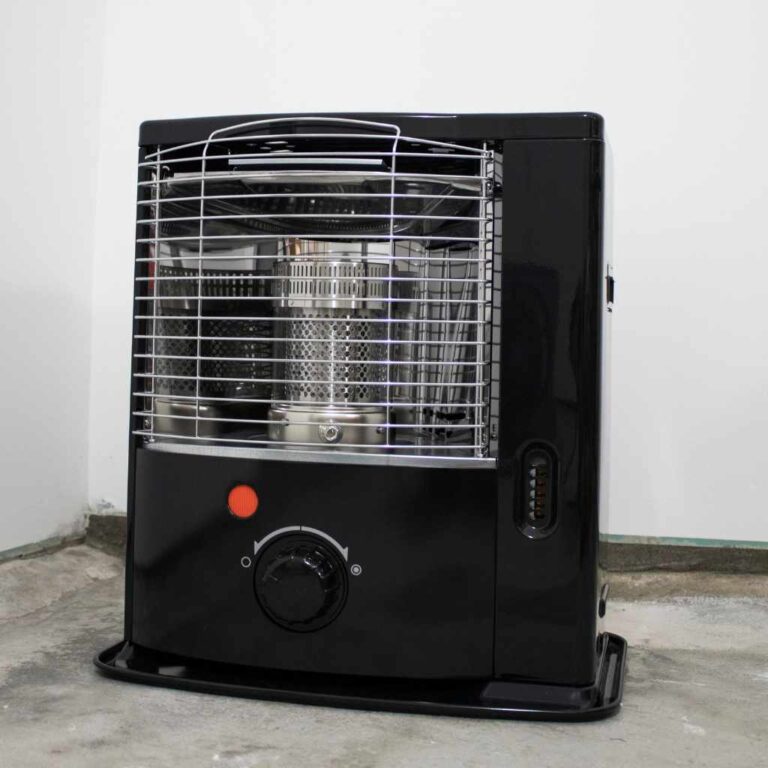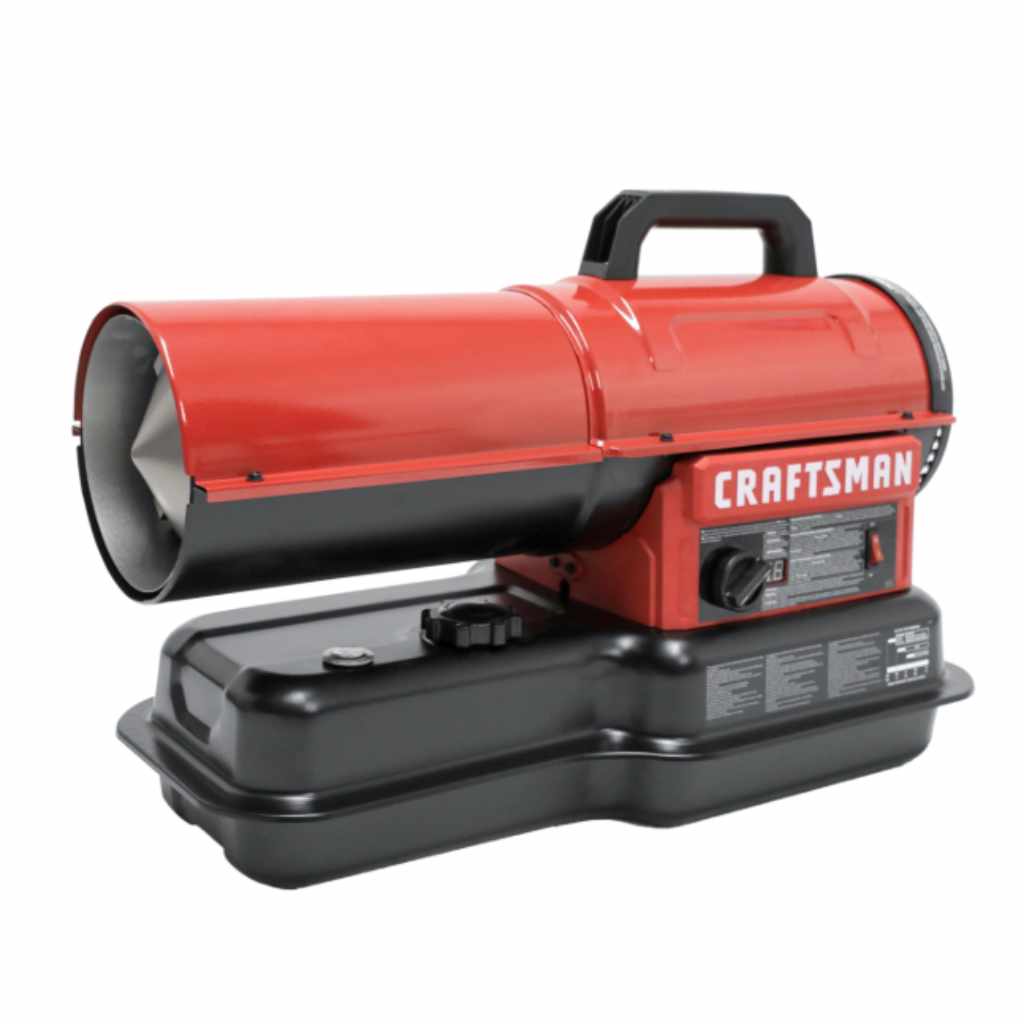
Torpedo Heater Propane Vs Kerosene: Proven Essential
Choosing between propane and kerosene for your torpedo heater doesn’t have to be confusing. Propane heaters often offer cleaner, more immediate heat ideal for smaller, well-ventilated spaces or short bursts of warmth, while kerosene provides longer run times and better fuel density for freezing conditions or extended use in large workshops. This guide breaks down essential factors like cost, safety, and performance so you can pick the best one for your heating needs with confidence.
Welcome! If you’ve ever faced the task of heating a large garage, workshop, or construction site, you’ve likely run into the big decision: propane or kerosene for your trusty torpedo heater? It feels essential to get this right because safety, cost, and performance are all on the line. Many folks feel stuck between these two powerful fuel choices. Don’t worry! As your home heating guide, I’m here to simplify this for you. We will walk through exactly what sets propane and kerosene apart, making your choice straightforward and smart. Let’s unlock the secret to cozy, efficiently heated spaces!
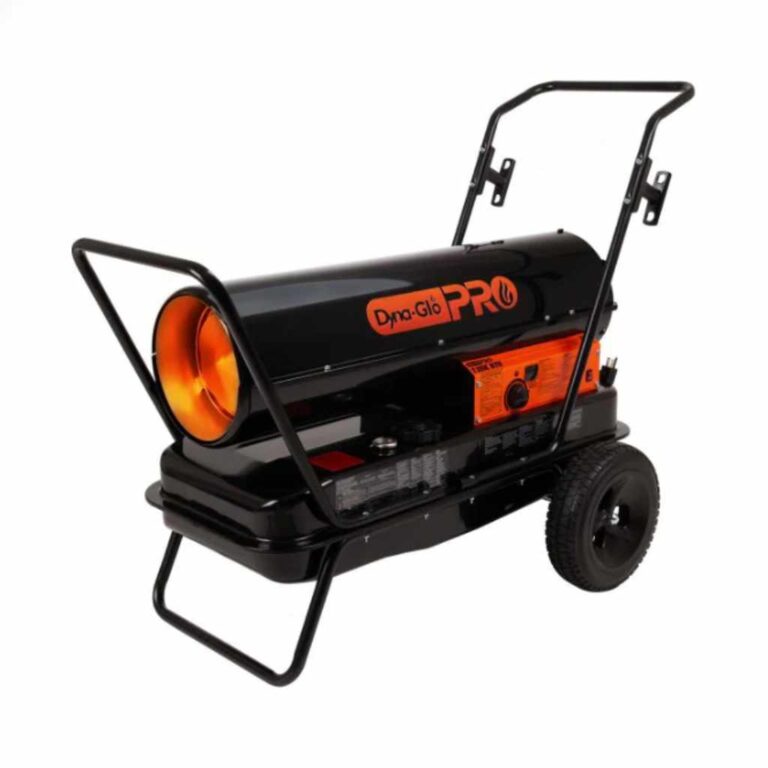
Torpedo heaters, also known as forced-air construction heaters, are fantastic tools. They quickly blast serious heat into large, often unfinished areas. However, the engine powering them—the fuel—makes a huge difference. Understanding the core differences between propane (LP gas) and kerosene is the first step to saving money and staying safe while staying warm.
This detailed comparison focuses only on what matters for everyday users like you. We are cutting through the technical specs to give you actionable advice on which one makes the most sense for your job site or drafty barn.
Understanding the Basics: What is a Torpedo Heater?
A torpedo heater works much like a miniature jet engine for your workspace. It draws in air, ignites the fuel (propane or kerosene), and then blasts the resulting hot air out the front nozzle using a powerful fan.
The main parts you care about are the fuel source and the heat output. When comparing propane and kerosene, we look at four main areas:
- Fuel Cost and Availability
- Heat Quality and Efficiency (BTUs)
- Storage and Handling Safety
- Odor and Emissions
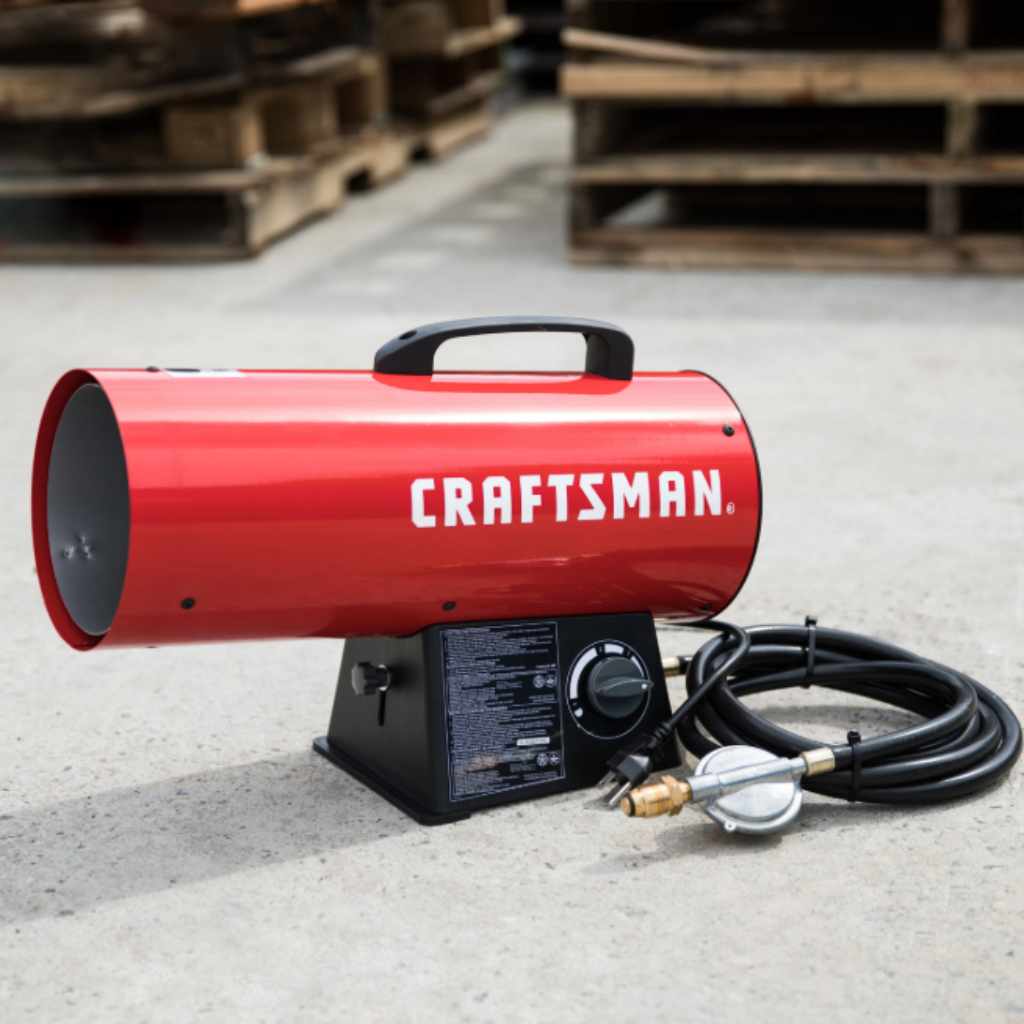
Propane Torpedo Heaters: The Quick and Clean Choice
Propane is a pressurized gas traditionally stored in familiar blue tanks (like those used for BBQ grills). It’s widely available and burns very cleanly.
Pros of Using Propane
Propane shines when you need fast, relatively clean heat without much hassle. Here are the biggest benefits for the average user:
- Cleaner Burn: Propane produces almost no soot or smell when running properly. This means less cleaning for you and better air quality indoors (though ventilation is still crucial!).
- Easy Startup: Propane heaters often start instantly, even in extremely cold weather, because the fuel tank isn’t affected by the cold the way liquid fuels can be.
- Portability: Since propane often uses self-contained, tank-mounted systems, they are often easier to move around a job site daily.
- No Fuel Degradation: Unlike kerosene, propane doesn’t go bad or degrade over time when stored correctly.
Cons of Using Propane
While clean, propane has limitations, especially concerning tank size and efficiency over long periods.
- Shorter Run Times: Propane tanks empty faster than you might think, especially on high-BTU heaters. You spend more time swapping tanks.
- Fuel Cost Fluctuations: Propane prices can change frequently based on seasonal demand or local supply.
- Lower Heating Capacity: Sometimes, the maximum BTU output of a standard propane heater is slightly lower than a comparable kerosene unit.
Kerosene Torpedo Heaters: The Workhorse for Long Hauls
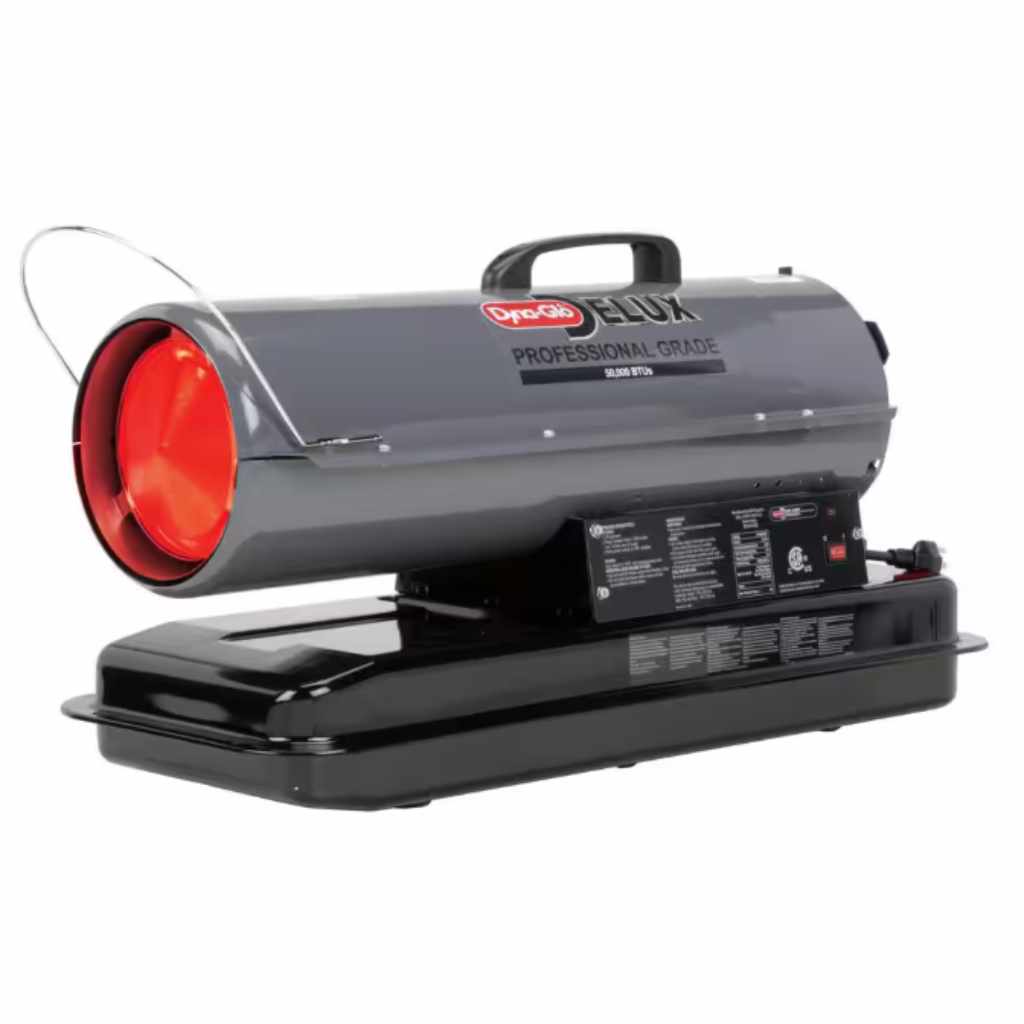
Kerosene is a liquid fuel, similar to diesel but refined differently. It’s the traditional choice for large construction sites or extremely cold environments where extended runtime is non-negotiable.
Pros of Using Kerosene
If your priority is running a heater all day without stopping, kerosene is usually the winner.
- Longer Runtime: Kerosene heaters typically hold many more gallons of fuel than a propane tank, often running all day on a single tank before needing a refill.
- Better Fuel Density: Kerosene packs more energy per gallon, often allowing kerosene models to hit higher maximum BTUs suitable for truly massive, open spaces.
- Consistent Pricing: While prices fluctuate, kerosene tends to be more stable in price than propane in many regions because it’s a larger commodity fuel.
Cons of Using Kerosene
The main drawbacks of kerosene involve maintenance and odor.
- Odor and Soot: Kerosene burns with a noticeable odor, especially upon startup and shutdown. It produces soot that requires regular maintenance (cleaning the burner assembly) to keep the heater running efficiently.
- Fuel Storage: You must store liquid kerosene in approved containers, protecting it from extreme cold, which can cause it to thicken or gel (though modern additives help).
- Preheating Required: Kerosene heaters often require a short preheating time to achieve full, clean burn, unlike propane which is instant.
Head-to-Head Showdown: Torpedo Heater Propane vs Kerosene
To make the decision clear, let’s look at how these two fuels stack up directly against each other in the key areas that impact your daily use.
Comparison Table: Propane vs. Kerosene Performance
| Feature | Propane (LP Gas) | Kerosene (K-1 Grade) |
|---|---|---|
| Burn Cleanliness | Very Clean; minimal odor or soot. | Noticeable odor; produces soot requiring maintenance. |
| Run Time (Per Tank/Fill-up) | Shorter; requires more frequent refueling. | Longer; excellent for all-day operation. |
| Cold Weather Startup | Excellent; fuels remain stable below freezing. | Good, but colder temps require fresh fuel or additives to prevent gelling. |
| Typical Cost Per BTU Hour | Often slightly higher maintenance/fuel cost over long use. | Often more cost-effective for continuous, high-output heating. |
| Storage | Requires pressure-rated tanks; fuel does not degrade. | Requires liquid storage containers; fuel can degrade over 1-2 years if improperly stored. |
When Should You Choose Propane?
If your priorities match these points, propane is the smart choice for you:
- You are heating a small-to-medium garage or workshop for a few hours at a time.
- You need heat immediately without waiting for the unit to stabilize.
- You prioritize low odor and minimal cleanup inside your workspace.
- You plan to run the heater intermittently throughout the day rather than continuously.
- You don’t want to worry about liquid fuel storage safety protocols.
When Should You Choose Kerosene?
Kerosene excels when your heating demands are heavy-duty and long-lasting:
- You are heating very large, open spaces (e.g., commercial construction sites, large barns).
- You need the heater to run reliably for 8 to 12 hours straight.
- You are working in extremely cold winter conditions where propane might struggle with vaporization on older models.
- Cost per hour of heat is your most important metric, and you don’t mind the extra maintenance.
Safety First: Handling and Ventilation Requirements
Regardless of which fuel you choose—torpedo heater propane vs kerosene—safety is your number one concern. These heaters produce dangerous byproducts, mainly carbon monoxide (CO).
Never use these heaters indoors without required ventilation.
Propane Safety Notes
Propane is naturally non-toxic, but when burned, it creates CO. Because propane is generally contained in pressurized cylinders:
- Always inspect hoses and connections for leaks before every use. A soapy water test works great!
- Ensure your propane tank is stored upright and outdoors or in a dedicated, ventilated storage area.
- Check local regulations regarding indoor propane use, as some jurisdictions have stricter rules for pressurized tanks near heat sources.
Kerosene Safety Notes
Kerosene requires a bit more diligence because it is a liquid fuel, and combustion emissions are higher.
- Use K-1 Grade Only: Always use Kerosene Grade 1 (K-1). Using diesel or off-spec fuel will clog your heater, emit terrible fumes, and pose severe fire risks.
- Proper Storage: Store kerosene fuel in approved, clearly labeled safety cans, away from ignition sources. Sunlight and air can degrade kerosene over time; check the age of your supply.
- Ventilation Check: Because kerosene produces more particulates, ensure you have excellent fresh air exchange. According to the Centers for Disease Control and Prevention (CDC), running fuel-burning heaters in a poorly ventilated space is a major cause of carbon monoxide poisoning.
Installation and Setup: A Quick Beginner’s Guide
Setting up either heater follows similar steps, but fueling is the key difference. Always consult your specific heater’s manual before first use.
Step-by-Step Setup for Propane Torpedo Heaters
- Position Safely: Place the heater on a level, non-combustible surface, far away from any flammable materials (at least 10 feet).
- Connect the Regulator: Attach the gas regulator assembly to the outlet valve on the propane tank provided.
- Attach the Hose: Connect the fuel hose securely from the regulator to the heater’s gas intake. Tighten firmly but do not overtighten.
- Check Connections: Turn the gas on just slightly and use a spray bottle of soapy water on the connections. If you see bubbles, turn off the gas immediately and re-tighten until the bubbles stop.
- Ignition: Plug in the electrical cord (if applicable) and follow the manufacturer’s steps to ignite the pilot light or electronic ignition.
Step-by-Step Setup for Kerosene Torpedo Heaters
- Position Safely: Place the heater on a level, hard surface, ensuring the intake and exhaust sides are clear of obstructions.
- Add Fuel: Open the fuel tank cap and use a clean funnel to pour K-1 kerosene into the reservoir. Check the fuel gauge to ensure you don’t overfill. Replace the cap securely.
- Preheat Cycle: Plug the unit in. The heater will typically start a short preheat cycle before the main burner ignites. Monitor this phase for the first few uses through a viewing port if available.
- Check Air Flow: Ensure the fan starts strongly, circulating air evenly around the space.
- Monitor Odor: For the first 5–10 minutes, a slight odor is normal as the burner reaches peak temperature. If the odor persists intensely or you see black smoke, shut it down immediately; it likely needs cleaning or adjustment.
Crucial Maintenance: Keeping Your Heater Efficient
A well-maintained torpedo heater is a safe and efficient one. Kerosene units inevitably need more maintenance than propane units.
Essential Maintenance Schedule
| Maintenance Task | Propane Heaters | Kerosene Heaters |
|---|---|---|
| After Every Use | Turn off gas supply; allow to cool before moving. | Allow full cool-down; inspect for major debris near intake. |
| After 10-20 Hours of Use | Inspect regulator/hoses for wear. | Check fuel filter for signs of blockage; inspect nozzle and heat exchanger for soot buildup. |
| Annually (Before Season) | Test all electronic ignition components. | Deep clean the burner assembly; replace the fuel filter; check and possibly replace the igniter glow plug. |
If you notice performance dropping on your kerosene heater, the issue is almost always a dirty burner or a clogged fuel filter. Keeping clean fuel on hand is critical. For professional maintenance advice on fuel quality and efficiency, resources like those provided by state energy offices or vocational training sites often detail best practices for large fuel burners.
Fuel Cost Analysis: Making the Budget Work for You
The ongoing cost of operation is often what tips the scales. This depends heavily on current local prices, but we can look at the relative energy content.
Kerosene generally contains more energy per gallon than the propane volume required to achieve the same heat output. However, propane heaters are sometimes more energy-efficient per BTU generated because they burn more completely and lose less heat to startup cycles.
The Simple Calculation:
If you are running your heater for short bursts (1–3 hours), the propane model’s clean startup often makes it cheaper per session. If you are running the heater continuously for a full workday (8+ hours), the kerosene unit’s superior fuel economy and run time often make it the winner on total cost.
Common Misconceptions Cleared Up
Let’s debunk a few common myths about these fuel types to help you feel more certain.
- Myth: Kerosene Heaters are Always Cheaper to Buy. Sometimes true for the unit itself, but high-BTU propane models can cost the same. Focus on operating cost instead.
- Myth: Propane is Less Powerful. Not true. Both fuel types have units available that reach very high BTUs (150,000+). Fuel type dictates runtime more than peak power in modern units.
- Myth: You Should Use Kerosene in Extremely Cold Weather Only. While kerosene handles extreme cold well because it’s stored as a liquid, modern propane regulators are incredibly effective, making this less of a deciding factor than it used to be.
Frequently Asked Questions (FAQ)
Q1: Can I use propane in a kerosene heater or vice versa?
A: Absolutely not. Never put kerosene in a propane unit, as it will ruin pumps and clog vaporizers. Never put propane in a kerosene unit, as it is designed for liquid storage and will explode or violently malfunction if pressurized gas is fed incorrectly.
Q2: How much ventilation do I really need for a torpedo heater?
A: A lot! You must provide continuous fresh air. A good rule of thumb is to have at least one square foot of new air intake opening for every 100,000 BTUs of heater output. Always follow the safety guidelines specific to your heater model concerning cubic footage.
Q3: Does propane smell like anything when it burns cleanly?
A: No. Clean-burning propane produces almost no odor or visual smoke/soot. If you smell rotten eggs, that is the added mercaptan—the safety additive—detecting a leak outside the combustion chamber. If you smell smoke or strong fuel, the unit needs cleaning or adjustment.
Q4: Is K-1 Kerosene safe to store for a year?
A: Generally, yes, if stored correctly. Keep it sealed in a dark, cool location below 70°F. After about 1-2 years, it begins to degrade. Always filter old kerosene before use, or avoid it entirely if it smells strongly like turpentine.
Q5: Which fuel source is better for indoor use in a non-heated workshop?
A: Propane usually wins for short-term indoor use due to its significantly cleaner burn profile, which results in less soot and airborne particles. However, ventilation requirements are mandatory for both. Never use either in a completely sealed room.
Q6: My kerosene heater starts smoking heavily. What is wrong?
A: This usually means the unit is running too “cold” or dirty—either the burner assembly is coated in soot, or the fuel flow is blocked. Turn it off, let it cool completely, and perform the scheduled maintenance, focusing on cleaning the heat exchanger and installing a new fuel filter.
Conclusion: Making Your Confident Decision
Deciding between torpedo heater propane vs kerosene hinges entirely on the job at hand. There isn’t a secret “best” option, only the best option for you right now. Think about consistency, cleanup, and duration.
If your work involves sporadic heating, cleaner air is paramount, and portability is key, then propane will serve you wonderfully. It’s predictable and requires less messy upkeep.