Why I Love Comparing Propane vs. Kerosene Heaters
Brr! I’ll never forget that freezing night in my garage when my old kerosene heater saved me. I was tinkering with my car, and it felt like the Arctic! That’s when I started exploring propane vs. kerosene heaters. This article will help you pick the best heater for your home, garage, or patio. I’ll share easy tips, safety tricks, and a fun story or two to keep it simple and clear.
For a closely related heater topic, Indoor Heater Propane Vs Kerosene gives readers a useful next step.
What Are Propane and Kerosene Heaters?
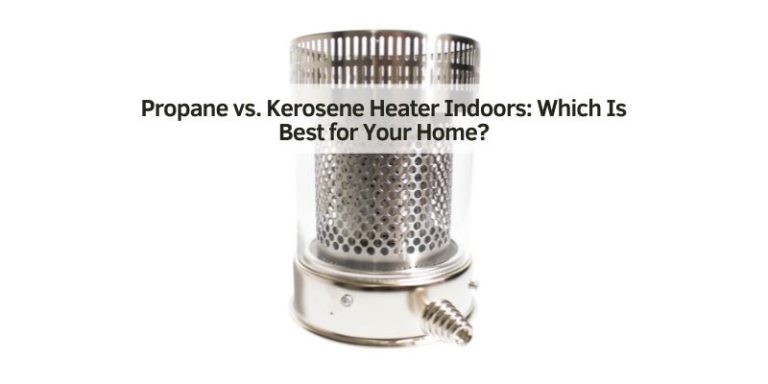
A propane heater runs on propane gas, stored in tanks like the ones for your grill. Kerosene heaters use a liquid fuel called kerosene, poured into a tank. Both heat spaces fast, but they work differently. Propane burns clean, while kerosene packs more heat. Knowing these basics helps you choose wisely.
Propane Heaters: Quick and Clean
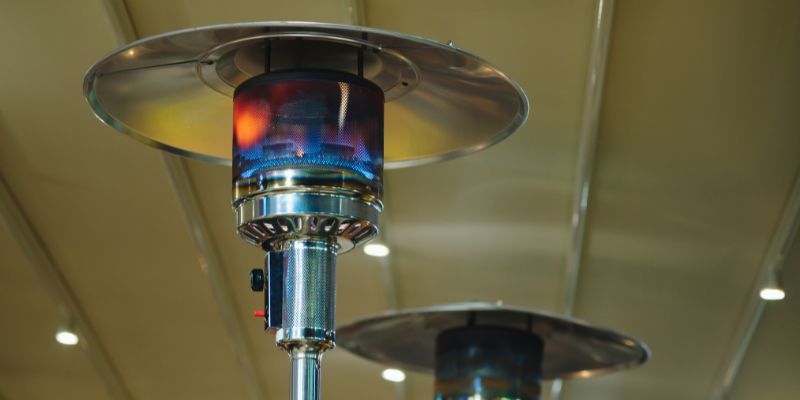
Propane heaters are like my trusty sidekick. They’re easy to use—just connect a tank and flip a switch. They’re great for garages or patios because they burn clean, leaving little smell. Most don’t need electricity, which is awesome during power outages.
Kerosene Heaters: Powerhouse Heat
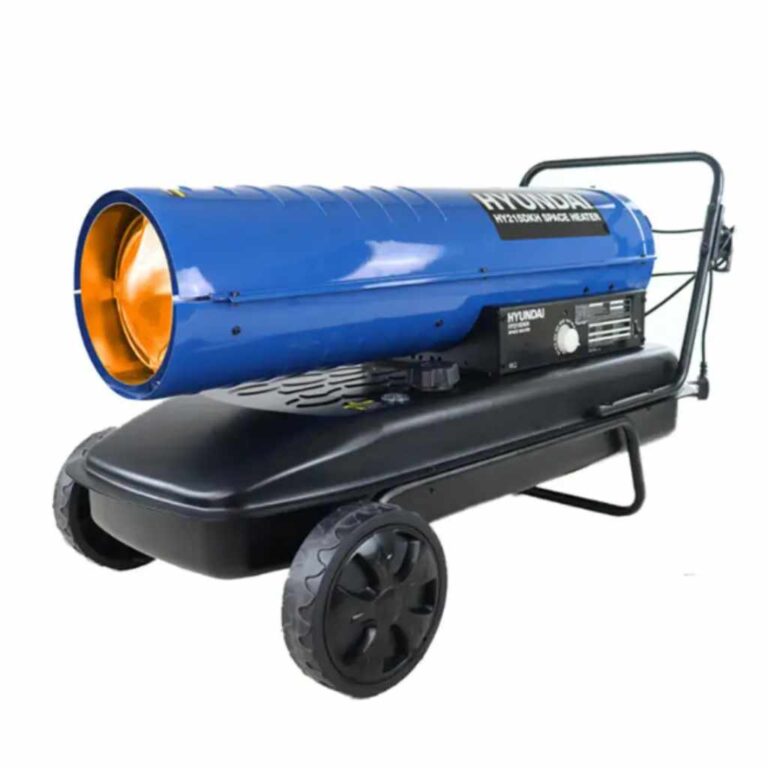
Kerosene heaters are like a roaring campfire. They burn hot, perfect for big spaces like a workshop. You light a wick with a match, and they don’t need power. But they need more care, like wick trimming, and can smell a bit.
Comparing Propane vs. Kerosene Heater: Which Is Best?
Choosing between these heaters depends on your needs. I once used a propane heater for my patio and a kerosene one for my basement. Let’s break it down with a simple comparison.
Heat Output: Kerosene Wins
Kerosene heaters produce more heat. A gallon of kerosene gives about 135,000 BTUs (a measure of heat), while propane gives 91,600 BTUs. For big, cold spaces like a barn, kerosene is your go-to. Propane works better for smaller rooms.
Safety: Propane Takes the Lead
Propane burns cleaner, producing fewer fumes, making it safer indoors with good ventilation. Kerosene heaters release more fumes, so you need open windows. Both need a carbon monoxide detector—trust me, it’s a lifesaver!
Cost: It’s a Toss-Up
Propane costs more per gallon ($3–$4), but heaters use less fuel. Kerosene is cheaper ($2–$3 at pumps), but heaters burn more. Propane heaters are often cheaper to buy. Check this table for clarity:
| Feature | Propane Heater | Kerosene Heater |
|---|---|---|
| Fuel Cost (per gallon) | $3–$4 | $2–$3 |
| BTUs per Gallon | 91,600 | 135,000 |
| Heater Price | $50–$150 | $100–$300 |
| Table 1: Fuel and Cost Comparison for Propane vs. Kerosene Heaters |
Setting Up Your Heater: Easy Steps
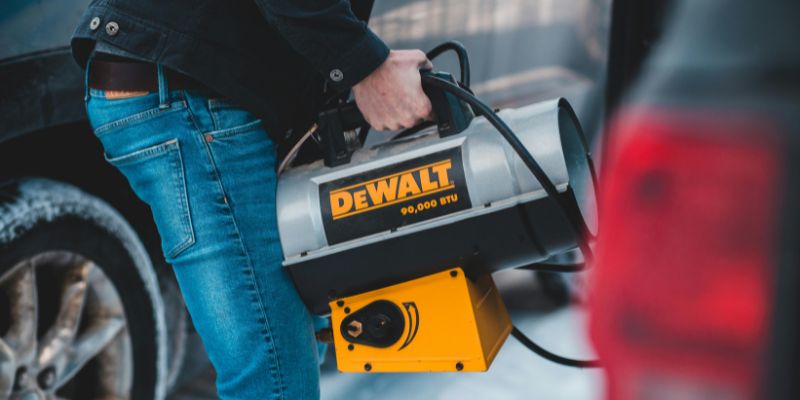
Setting up a heater is easy peasy if you follow these steps. I learned this after spilling kerosene once—oops! Here’s how to do it right.
Propane Heater Setup
- Pick a Spot: Place it on a flat, non-flammable surface, away from curtains.
- Connect the Tank: Screw the propane tank to the heater’s hose tightly.
- Check for Leaks: Spray soapy water on connections. Bubbles mean a leak—fix it!
- Turn It On: Open the tank valve, press the ignition, and enjoy the warmth.
Kerosene Heater Setup
- Choose a Safe Spot: Set it on a stable surface, far from flammable stuff.
- Fill the Tank: Pour kerosene into the tank using a funnel to avoid spills.
- Light the Wick: Use a match to light the wick, adjusting it for a steady flame.
- Ventilate: Crack a window to let fumes out.
Visual Idea: A diagram showing safe heater placement in a room, with arrows for ventilation.
Tools and Materials You’ll Need
You don’t need much to get started. Here’s what I keep handy:
- Propane Heater: A Mr. Heater Buddy ($80) is great for small spaces.
- Propane Tank: A 20-pound tank ($20 refill) lasts 24–72 hours.
- Kerosene Heater: A Dyna-Glo 23,000 BTU model ($120) heats big areas.
- Kerosene Can: A 5-gallon can ($15) for safe fuel storage.
- Carbon Monoxide Detector: A must-have for safety ($20).
Benefits and Drawbacks
Both heaters have pros and cons. Let’s look at what makes each shine or stumble.
Propane Heater Pros and Cons
- Pros: Clean-burning, easy to find fuel, low maintenance, great for indoors.
- Cons: Less heat output, tanks can be bulky, higher fuel cost.
Kerosene Heater Pros and Cons
- Pros: High heat output, cheaper fuel at pumps, no electricity needed.
- Cons: Smells when starting/stopping, needs wick maintenance, fuel harder to find.
| Heater Type | Pros | Cons |
|---|---|---|
| Propane | Clean, easy to use, portable | Less heat, pricier fuel |
| Kerosene | High heat, cheap fuel | Fumes, maintenance needed |
| Table 2: Pros and Cons of Propane vs. Kerosene Heaters |
My Top Tips for Using Heaters Safely
I’ve learned a few tricks after years of using both heaters. Here’s what keeps me warm and safe:
- Ventilate Always: Crack a window, even with propane. Fumes can build up.
- Store Fuel Right: Keep kerosene indoors, away from sunlight. Propane tanks can stay outside.
- Check Wicks Monthly: For kerosene heaters, trim wicks to avoid smoky flames.
Visual Idea: A checklist infographic for heater safety tips.
Common Mistakes to Avoid
Don’t make these newbie mistakes I did:
- Ignoring Ventilation: I once got a headache from kerosene fumes—open those windows!
- Buying Cheap Fuel: Cloudy kerosene clogs heaters. Stick to clear K-1 kerosene.
- Skipping Detectors: A carbon monoxide detector saved my friend’s family. Get one!
Alternatives to Consider
Not sure about propane or kerosene? Try these:
- Electric Heaters: Great if power’s on, but useless in outages.
- Wood Stoves: Cozy and cheap, but need firewood and a chimney.
- Battery-Powered Heat Pads: Good for small areas, but pricey.
My Personal Heater Story
Last winter, my power went out during a snowstorm. I grabbed my propane Mr. Heater Buddy and set it up in my living room. With a cracked window and a carbon monoxide detector, I stayed toasty for hours. Later, I used a kerosene heater in my garage for a big project—it was like a furnace! Both worked, but propane was easier to manage indoors.
Visual Idea: A chart comparing fuel storage for propane (outdoor) vs. kerosene (indoor).
Conclusion
Picking between a propane vs. kerosene heater depends on your space, budget, and needs. Propane is clean and easy for indoor use, while kerosene brings big heat for outdoor or large areas. Try setting up a heater for your next chilly night—it’s a game-changer! Share your heater wins in the comments, or ask me for tips. Stay warm and cozy!
Frequently Asked Questions
Which Heater Is Safer Indoors?
Propane heaters are safer indoors because they produce fewer fumes than kerosene. Always use a carbon monoxide detector and keep a window cracked for ventilation.
How Long Does Fuel Last in These Heaters?
A 20-pound propane tank lasts 24–72 hours, depending on the setting. A gallon of kerosene lasts 8–12 hours in a standard heater.
Can I Use Diesel in a Kerosene Heater?
Yes, diesel works in some kerosene heaters, but check the manual. It may smell more and need extra wick cleaning.
Which Heater Is Cheaper to Run?
Kerosene is cheaper per gallon, but propane heaters use less fuel. For small spaces, propane often saves money overall.
Where Can I Buy Propane or Kerosene?
Propane is at gas stations or stores like Walmart. Kerosene is harder to find—try pumps at fuel stations or hardware stores.
Do These Heaters Need Electricity?
Kerosene heaters don’t need electricity; you light them manually. Most propane heaters don’t either, but some models need power for ignition.
How Do I Store Fuel Safely?
Store propane tanks outdoors in a shaded area. Keep kerosene in a cool, dry indoor spot, away from sunlight, in a sealed can.
Sources:
- Energy.gov: Space Heating
- NFPA.org: Heater Safety
- CDC.gov: Carbon Monoxide Safety
- Foster Fuels: Propane vs. Kerosene