Radiator Heater Vs Ceramic Heater: Ultimate Comfort Showdown
Choosing the right heater for your space can feel overwhelming. You want something that warms your room quickly, uses energy wisely, and fits your lifestyle.
That’s why understanding the difference between a radiator heater and a ceramic heater matters. By the end of this article, you’ll know exactly which one suits your needs best—so you can stay cozy without wasting money or energy. Ready to find out which heater is your perfect match?
Let’s dive in.
Radiator Heater Basics
Radiator heaters are a popular choice for indoor heating. They provide steady warmth and work quietly. Understanding how they work helps you decide if they suit your needs.
These heaters use a simple design that moves heat efficiently. They are often safe and easy to use in homes or offices. Let’s explore the basics of radiator heaters.
How Radiator Heaters Work
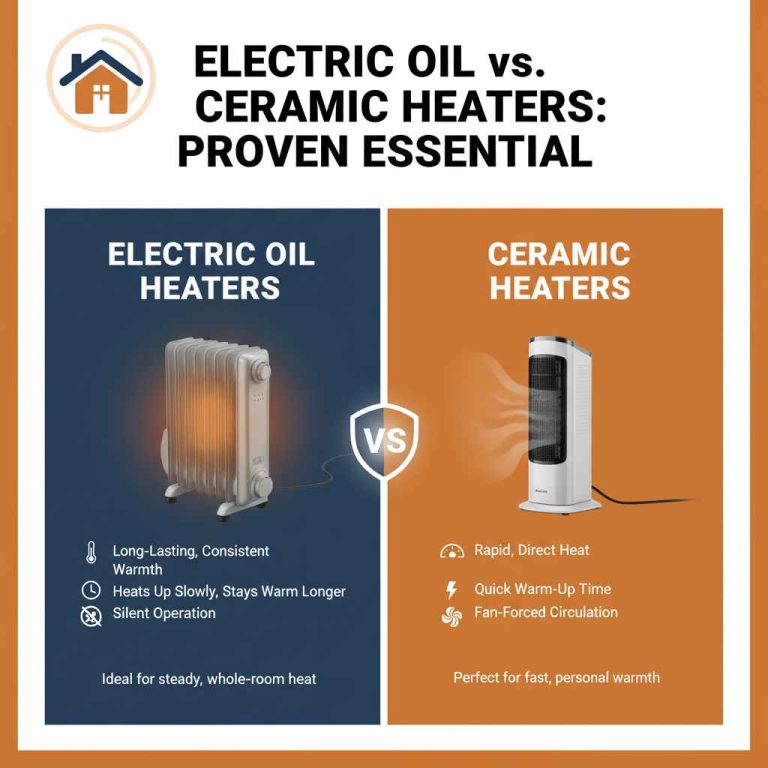
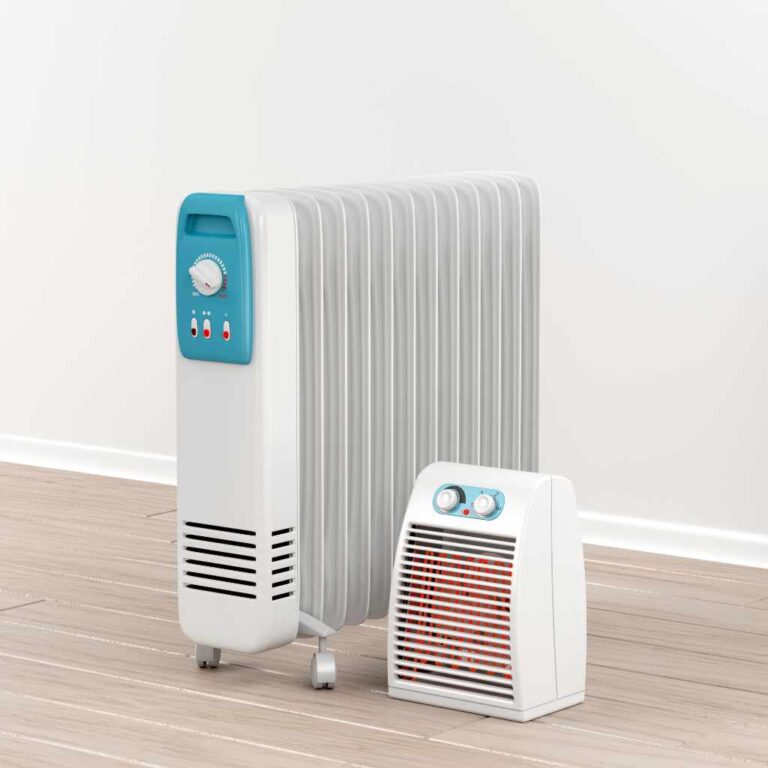
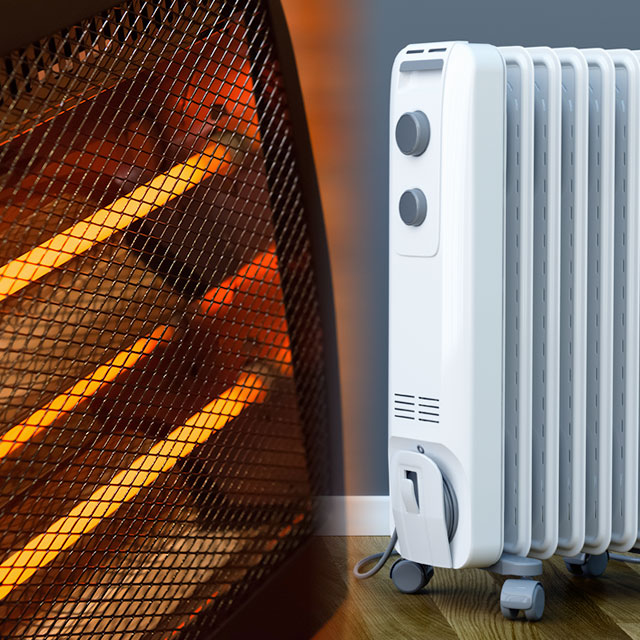
Radiator heaters use electricity to warm oil inside the unit. The oil heats up and stays hot for a long time. This heat moves through the metal surface to the room.
They do not use fans. Heat spreads by natural air flow. Warm air rises, and cold air moves in to be heated.
Key Features Of Radiator Heaters
Radiator heaters are known for silent operation. They have a smooth, slow heat output. The oil inside does not need refilling.
These heaters often have multiple heat settings. Many models include safety features like tip-over switches. They are good at keeping rooms warm for hours.
Best Uses For Radiator Heaters
Radiator heaters work well in bedrooms and living rooms. They are ideal for spaces where quiet is important. These heaters fit well in small to medium rooms.
They are perfect for long periods of use. Radiator heaters keep a steady temperature without quick changes.
Ceramic Heater Essentials
Ceramic heaters are popular choices for many people during cold months. They offer a quick and efficient way to warm small to medium rooms. Understanding their basics helps you decide if they suit your needs. Let’s explore how ceramic heaters work, their key features, and the best places to use them.
Working Mechanism Of Ceramic Heaters
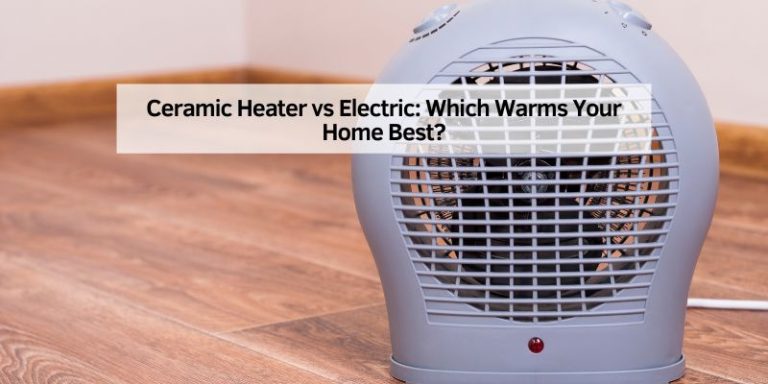
Ceramic heaters use ceramic plates to create heat. Electricity passes through these plates, warming them up fast. A fan then blows air over the hot plates. This process spreads warm air evenly across the room. The ceramic material stays hot but does not burn out quickly. This method makes ceramic heaters energy-efficient and safe.
Distinctive Traits Of Ceramic Heaters
Ceramic heaters are small and lightweight. They heat up fast and cool down quickly after use. Many models have built-in fans to spread heat better. They often come with safety features like automatic shut-off. These heaters are usually quieter than other portable heaters. Their design is compact, fitting easily in tight spaces.
Ideal Settings For Ceramic Heaters
Ceramic heaters work best in small rooms or offices. They are perfect for bedrooms, living rooms, and study areas. Use them in places where quick heat is needed. Avoid using them in large, open spaces for long periods. Ceramic heaters also work well in rooms without central heating.
Heating Efficiency Comparison
Heating efficiency is important when choosing between radiator and ceramic heaters. It affects how fast and well your room heats up. It also impacts energy use and your electricity bill. Understanding these differences helps pick the right heater for your needs.
Warm-up Speed
Ceramic heaters warm up quickly. They use electric coils and fans to blow hot air fast. You feel heat almost right away. Radiator heaters take longer. They heat oil inside, then spread warmth slowly. This makes ceramic heaters better for quick heating.
Heat Distribution
Radiator heaters spread heat evenly. The warm oil heats the room steadily. This creates a cozy, lasting warmth. Ceramic heaters focus heat in one spot. The fan pushes hot air forward but may not warm the whole room well. Radiators suit bigger spaces better.
Energy Consumption
Ceramic heaters use energy fast but only for short times. They are good for heating rooms quickly and briefly. Radiator heaters use energy more slowly but keep rooms warm longer. They can be more efficient for longer use. Choose based on how long you need heat.
Safety And Durability
Safety and durability are key factors when choosing a heater for your home. Both radiator and ceramic heaters offer strong safety features. They are built to last, but their maintenance needs differ. Understanding these aspects helps pick the right heater.
Safety Features In Radiator Heaters
Radiator heaters heat oil inside sealed fins. This design keeps the surface warm, not hot. It lowers the risk of burns. Many models have automatic shut-off if tipped over. They also include overheat protection to avoid fires. The steady heat output reduces sudden temperature spikes. This feature makes radiator heaters safe around children and pets.
Safety Features In Ceramic Heaters
Ceramic heaters use ceramic plates to warm air quickly. They often have cool-to-touch surfaces. Most include tip-over switches that turn off the heater if knocked down. Overheat sensors stop the heater before it gets too hot. These heaters also have grills to protect from direct contact with the heating element. Such features reduce accidents and make ceramic heaters safe for small rooms.
Longevity And Maintenance
Radiator heaters last long due to sealed oil and metal fins. They need little maintenance and no refilling. Cleaning dust from fins helps keep them efficient. Ceramic heaters have durable ceramic plates but require careful handling. Dust can block air vents, so regular cleaning is important. Both heaters benefit from safe storage when not used. Proper care extends their life and keeps them working well.
Comfort And Noise Levels
Comfort and noise levels play a big role in choosing the right heater. Both radiator and ceramic heaters offer warmth, but they differ in sound and air comfort. Knowing these differences helps you pick a heater that suits your room and needs.
Noise Output
Radiator heaters work quietly. They use hot oil or water inside metal panels. This method creates almost no noise. Perfect for bedrooms or offices where silence is key.
Ceramic heaters use a fan to spread heat. Fans make a low hum or buzzing sound. Some models are quieter, but noise is still present. Not ideal for quiet spaces or light sleepers.
Heat Comfort And Air Quality
Radiator heaters warm a room slowly and evenly. They do not blow air, so no dust or allergens move around. This helps keep air clean and fresh.
Ceramic heaters heat up fast and spread warmth quickly. Their fans can blow dust and dry out the air. People with allergies or sensitive skin might feel uncomfortable.
Cost And Value
Choosing between a radiator heater and a ceramic heater often depends on cost and value. These factors affect your budget and how much warmth you get. Understanding the price differences helps you make a smart choice.
Initial Purchase Price
Radiator heaters usually cost more upfront. They have a metal body and filled with oil, which adds to the price. Ceramic heaters tend to be cheaper. They use ceramic plates and plastic parts, lowering the cost.
Operating Costs
Radiator heaters use electricity to warm oil, which stays hot longer. This means they use less power over time. Ceramic heaters heat up fast but use more electricity while running. This can make your bills higher if used often.
Long-term Value
Radiator heaters last many years and need little maintenance. They provide steady heat even after turning off. Ceramic heaters work well for quick warmth but may wear out faster. Think about how often you will use the heater before buying.
Choosing The Right Heater
Choosing the right heater is important for comfort and energy use. Different heaters work best in different situations. Knowing your needs helps you pick the right one. Focus on room size, what you like, and the climate.
Room Size Considerations
Room size is key to heater choice. Radiator heaters work well in medium to large rooms. They spread heat slowly and keep the room warm longer. Ceramic heaters heat up faster and suit small rooms. They give quick warmth but may not keep large spaces warm.
User Preferences
Think about how you like to feel heat. Radiator heaters give steady, gentle warmth. Ceramic heaters offer fast, direct heat. Some people prefer quiet heaters like radiators. Others want a heater that warms a spot quickly, like a ceramic heater. Your comfort style guides the best option.
Climate Factors
Climate affects heater choice a lot. In cold places, radiator heaters keep rooms warm for hours. They work well with low temperatures outside. In milder climates, ceramic heaters may be enough. They heat quickly and save energy when the cold is less severe.

Frequently Asked Questions
What Are The Main Differences Between Radiator And Ceramic Heaters?
Radiator heaters use oil to radiate heat slowly, offering long-lasting warmth. Ceramic heaters heat air quickly using ceramic plates, providing fast and targeted warmth. Radiators are better for steady heat, while ceramic heaters excel in quick spot heating.
Which Heater Is More Energy-efficient: Radiator Or Ceramic?
Ceramic heaters are generally more energy-efficient for small spaces due to quick heating. Radiator heaters consume more energy but maintain consistent warmth over time. Choose based on room size and heating duration for optimal energy use.
Are Radiator Heaters Safer Than Ceramic Heaters?
Both heaters have safety features, but ceramic heaters often include cool-touch surfaces and automatic shut-off. Radiators stay warm longer but usually have stable, enclosed heating elements. Proper usage and placement ensure safety for both types.
Which Heater Is Better For Large Rooms?
Radiator heaters are more effective for large rooms as they distribute heat evenly and maintain warmth. Ceramic heaters work best in small to medium-sized spaces for quick heating. Consider room size when selecting a heater type.
Conclusion
Choosing between a radiator heater and a ceramic heater depends on your needs. Radiator heaters warm rooms slowly but keep heat longer. Ceramic heaters heat up quickly and cool down fast. Both types use electricity but differ in energy use.
Think about room size, how fast you want heat, and safety. Each heater has its own benefits. Pick the one that fits your lifestyle and budget best. This way, you stay warm and comfortable all winter. Simple and smart choices bring the best warmth.