How to Use a Diesel Portable Heater at Home
Use a vented diesel portable heater indoors only if the manual allows indoor use, place it on a level nonflammable surface, keep the clearances listed by the maker, and use two carbon monoxide alarms. Bad setup can flood a room with exhaust, trigger soot and odor, or create a fire risk. This guide covers placement, ventilation, first-start checks, fuel handling, and the failure points that most often stop safe home use.
What a diesel portable heater can and cannot do


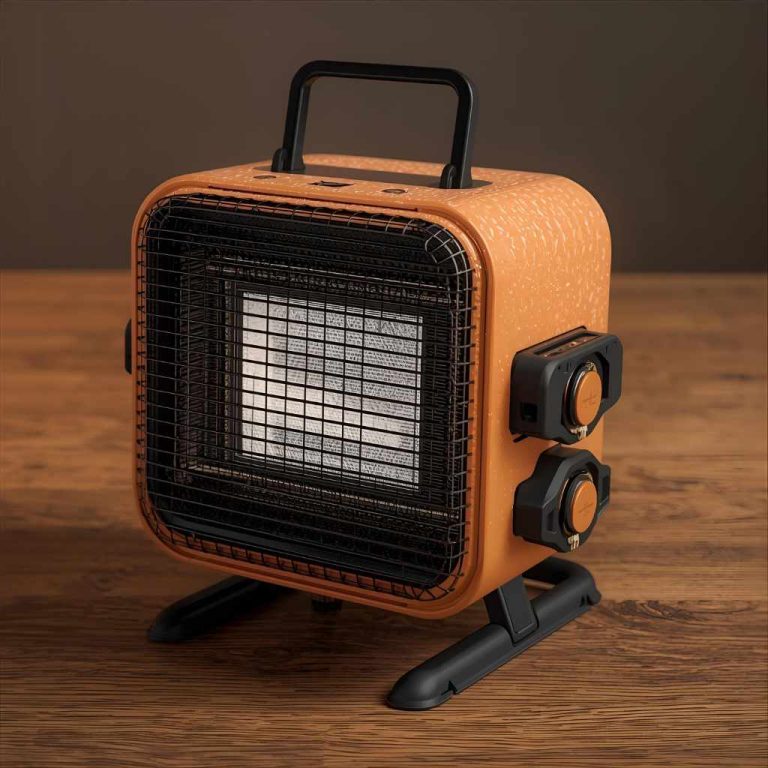
A diesel portable heater heats air through a closed combustion chamber, a fuel pump, glow plug ignition, and a forced-air heat exchanger. Many units are portable or wheeled, and output is often listed in a range from about 1 kW to 8 kW. That can make them useful for a basement, utility room, or emergency backup heat source, but only when the model and local rules allow the setup.
The split is direct: a heater may warm a room and still be a poor or prohibited choice for indoor residential use. Vented exhaust, clear intake air, and safe placement matter more than the output number alone.
Can you use a diesel heater indoors?
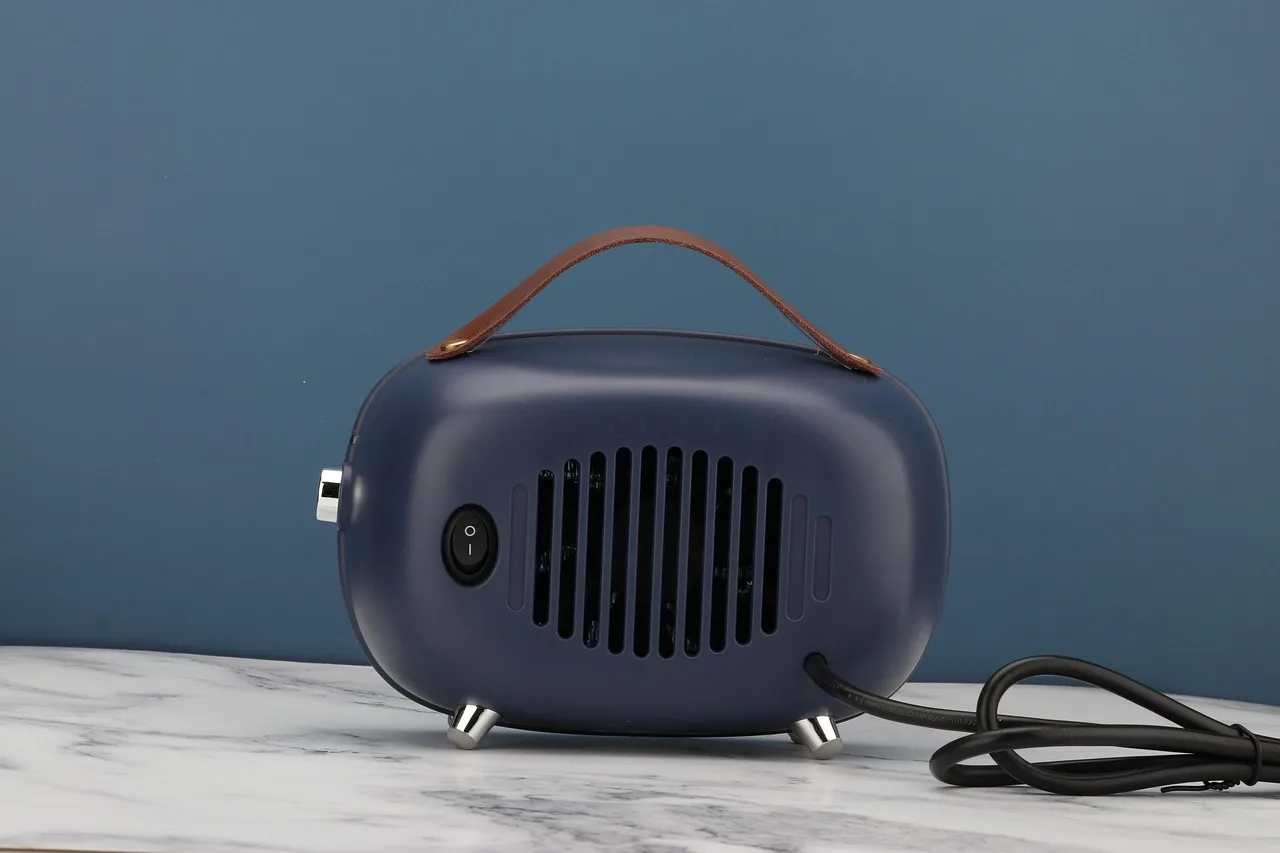
Only if the specific heater is designed for vented indoor use and the manual permits it. Many portable diesel heaters are not safety-listed for residential indoor installation even when exhaust is routed outside. The installation must fit local fire, building, landlord, and insurance rules. A heater that burns fuel in the room without a proper vent path is not acceptable for home use.
When vented use may be allowed
Some diesel heaters are marketed for indoor areas like garages and halls, but marketing is not approval. If the unit uses a sealed combustion chamber with a dedicated exhaust hose or vent pipe to the outside, and the manual provides indoor installation instructions, it may be suitable for a utility space or similar area. Bedrooms and sleeping areas are often prohibited or strongly discouraged.
When you should not use it indoors
Do not use the heater indoors if the exhaust cannot be routed outdoors, if the manual forbids indoor residential use, or if the installation does not match the manufacturer’s venting and intake layout. Stop immediately if exhaust smell, soot, or visible condensation appears indoors.
What to check for code, insurance, and landlord limits
Before installation, check your local fire code, rental agreement, and insurance policy wording. Some landlords ban fuel-burning heaters altogether. If the heater will sit in a house, ask whether a permitted flue route, appliance clearances, or alarm placement rules apply. If the answer is unclear, do not proceed until the manufacturer manual and local code both line up.
What you’ll need
- Heater manual for your exact model
- Vented exhaust pipe or exhaust hose rated for heat
- Leak-free clamps, gaskets, or seals specified for the vent kit
- Nonflammable base or floor surface clearance
- Stable 12V or 24V DC power supply that matches the heater specification
- Approved fuel container and clean diesel or compatible biodiesel, if your model allows it
- Fuel filter or in-line filter if the model requires one
- Two carbon monoxide alarms, placed exactly as their instructions require
- Fire extinguisher suitable for home fuel and electrical fires
- Flashlight for leak and routing checks
Home startup checklist
| Setup step | What to verify | Pass/fail sign | Stop conditions |
|---|---|---|---|
| Fuel fill | Fuel matches the manual; tank cap seals; no spill around filler or line | Dry exterior, closed cap, no odor at the tank | Any spill, damaged cap, or wrong fuel type |
| Exhaust routing | Vent hose or pipe runs outside; heat-resistant routing; sealed joints; outlet away from windows and doors | No loose joints, no exhaust leakage, no hot contact with finishes | Any leak, kink, or contact with combustible material |
| Intake clearance | Combustion air intake is separate from room air and free of dust, fabric, boxes, or walls | Open path around the intake and regular inspection access | Blocked or uncertain intake path |
| Power supply | 12V or 24V DC matches the heater specification; supply is stable; leads are secure | Unit powers normally without voltage sag or error alarm | Undersized supply, loose wiring, or repeated restart failure |
| Thermostat setting | Target temperature, timer, and heat mode are set before ignition | Display accepts the setting and responds as expected | Unclear controls or error on the panel |
| First burn odor | Brief startup smell is limited to the first burn and vents out quickly | Odor fades, no smoke, no soot, no irritation | Persistent smell, visible smoke, or headache symptoms |
| Shutdown check | Fan run-down completes, exhaust cools, and no fuel odor remains near the unit | Normal cool-down and quiet shutdown | Smoke after shutdown, fuel leak, or hot spots around the vent |
How to install and start it safely
-
Place the heater first.
Set it on a level, nonflammable surface with the clearances listed by the maker. Keep it away from curtains, stored fuel, and sleeping areas. If the model sits on wheels, lock or block it so vibration does not shift the vent or fuel line. -
Route the exhaust outside.
Fit the vent pipe or exhaust hose so combustion gases leave the building outdoors. Keep the run heat-resistant, short enough for the manual’s layout, and sealed at every joint. The outlet should stay away from windows, doors, soffits, and air intakes. -
Clear the intake path.
Follow the manual’s intake layout exactly and keep the intake opening unobstructed. Inspect it before each use. A blocked intake can cause poor burn quality, soot, odor, and flame failure. -
Connect stable power.
Match the heater’s electrical requirement exactly, whether that is 12V or 24V DC. Use a stable source or battery setup that can hold voltage through startup and operation. Weak power can stall the fan, fuel pump, or control board. -
Fill fuel correctly.
Use the fuel allowed by the model. Some heaters accept regular diesel or biodiesel, but not all do. Keep spare fuel sealed and stored away from living areas. Route the fuel line so it cannot rub, pinch, or leak. -
Set controls before ignition.
Choose the thermostat setting, heat mode, and timer before start. If the panel offers multiple modes, begin with the maker’s recommended start mode rather than the highest heat setting. -
Start and watch the first burn.
Let the glow plug and pump complete the ignition cycle, then stay nearby through the first burn. A brief odor can happen at startup, especially after the first fill, but smoke, sharp fumes, or repeated shutdowns mean you should stop and inspect the vent, fuel line, and intake.
Suppose a 4 kW unit lights normally, but the room smells strongly of exhaust after five minutes. The likely issue is not the thermostat; it is usually vent leakage, poor routing, or an intake problem. Shut the heater down, let it cool, and inspect every joint before restarting.
What ventilation do I need?
You need a sealed exhaust route to the outside that matches the manual. The vent removes combustion gases from the heater itself. Keep the room’s normal air exchange reasonable for comfort and odor control, but do not treat room ventilation as a substitute for a proper exhaust path.
Exhaust hose routing and sealing
The vent pipe or exhaust hose must carry combustion gases outdoors and stay leak-free from the heater to the outlet. Use heat-resistant parts, secure clamps, and a route that avoids hot contact with walls, curtains, and trim. Keep the outlet away from windows and doors so exhaust does not re-enter the house.
Combustion air intake clearance
Follow the intake layout in the manual and keep the intake opening clear. Dust buildup, a blocked grille, or a cramped corner can cause poor combustion and more odor. Keep storage items well away from the intake side.
Room air exchange at startup and shutdown
Use the heater only in accordance with the manual and your carbon monoxide alarms. If the maker calls for extra room ventilation during startup or cooldown, follow that instruction. Do not assume the same setup applies to every vented heater.
How long can it run safely in a house?
Runtime depends on the model, tank size, heat setting, and room conditions. Some heaters are reported to run longer at lower heat settings, while at maximum power a unit may use a little over one litre of fuel per hour. That number alone does not tell you if the room is safe, because ventilation, exhaust sealing, and supervision matter just as much.
Why supervision and air checks matter
A heater that appears to be running normally can still leak exhaust, lose flame stability, or create odor if the intake or vent changes during operation. Check the room periodically, especially after the first start, after moving the unit, and after any fuel refill. Stop if you notice soot, smoke, or a new fuel smell.
When to shut it down and inspect
Shut the heater down if the flame fails, the control panel alarms, the unit tips or rolls, the power supply sags, or the exhaust path changes. Many models list overheat protection, flame failure protection, rollover sensing, and fuel level alarms, but features vary by model. Do not assume a feature exists unless the manual says it does.
Picture a utility room heater set to a low thermostat point for overnight backup. If the intake starts pulling lint from nearby storage, the burn can worsen even though the thermostat has not changed. The fix is to clear the intake and recheck the vent, not to raise the setpoint.
Common mistakes
The most common mistake is treating a diesel heater like a plug-in space heater. It is a fuel-burning appliance, so venting and exhaust sealing come first. Another mistake is assuming a quiet rating or a timer means indoor approval.
- Using room air for combustion instead of following the specified intake layout.
- Routing exhaust near an open window or door.
- Skipping the first-start inspection after fuel fill.
- Running the heater with a weak or mismatched DC supply.
- Assuming every model accepts regular diesel or biodiesel.
- Ignoring persistent odor because the heater still produces warm air.
Some makers describe large heating coverage, including examples such as 350-400 m² for a normally insulated room and claims of heating up to 400 m². Treat those figures as model-specific marketing, not a home-use guarantee. Room layout, insulation, ceiling height, and venting still decide whether the heater is acceptable for your space.
Frequently asked questions
Can you use a diesel heater indoors: only a vented model?
Only a vented model that the manual allows should be used indoors, and even then the setup must meet local fire-safety, landlord, and insurance rules. The exhaust must leave the building, and the installation must follow the heater’s specified venting and intake layout. If the unit is unvented, do not use it indoors.
What ventilation do I need for a diesel heater at home?
You need a sealed exhaust path to the outside. The exhaust hose or pipe must be leak-free and heat-resistant, and the outlet should stay away from windows and doors. Use carbon monoxide alarms as instructed by their makers, and do not rely on ventilation alone.
What parts must be installed outside versus inside?
The combustion exhaust must be routed outside, along with any vent outlet that could release hot gas. The heater body, controls, and fuel tank may stay inside only if the model is designed for that layout and the manual permits it. The combustion air intake must be arranged exactly as the manual specifies.
How long can a diesel heater run safely in a house?
It can run only as long as the vent stays sealed, the intake stays clear, and the room remains safe to occupy. Runtime is model- and fuel-level-dependent, so there is no universal safe number. Check the heater often, especially at startup, after refueling, and whenever odor changes.
What should I check before first startup?
Confirm fuel type, exhaust routing, intake clearance, power matching, and alarm placement before the first ignition. Then set the thermostat and timer, start the unit, and monitor the first burn for odor or smoke. If the heater fails to light cleanly, stop and inspect the vent, line, and supply before trying again.