Infrared Space Heaters
For many homes, a practical starting point is a portable 1,500-watt quartz-style infrared heater because it can warm the part of the room you actually use without taking up permanent wall space. Infrared space heaters are commonly used for occupied-zone heating: size them at roughly 10 watts per square foot in insulated rooms, and choose them when people and surfaces are within the heater’s direct line of sight. Pick the wrong type or size, and you can end up with cold corners, tripped circuits, noisy operation, or a heater that runs constantly without making the room comfortable. This guide matches infrared heater types to bedrooms, basements, garages, sunrooms, and large living areas, then covers sizing, placement, installation, and safety limits.
Quick picks


- Best for most homes: portable 1,500-watt quartz heater. This format is easy to move, common in plug-in indoor models, and useful as supplemental heat where people actually sit.
- Best for bedrooms: wall-mounted 1,500-watt panel heater. It saves floor space and avoids blocking walkways in tighter rooms.
- Best for garages: higher-output infrared aimed at insulated work zones. In attached or insulated garages, it can warm the bench or parking bay; in drafty garages, expectations need to stay modest.
- Best for sunrooms: portable heater with thermostat and careful placement away from condensation-prone areas. Glass-heavy rooms lose heat fast, so controls matter.
- Best for large rooms: targeted supplemental infrared, not whole-room primary heat. One plug-in unit usually works better as spot heat than as the sole heat source.
Examples that frequently appear in major buying guides include the Dr. Infrared Heater DR-968H Portable Space Heater, which Bob Vila names as its top pick and describes as wheeled, portable, and rated at 1,500 watts, and the Heat Storm HS-1500-PHX-WIFI Smart Infrared Heater, which appears as a wall-mount option. This Old House also lists a Dr. Infrared 1,500W Portable Space Heater as best overall and the Heat Storm Phoenix Wall-Mounted Heater for smart features. Basic compact infrared heaters often sell for about $50, while larger cabinets, smart controls, and extra features push prices much higher.
📊 This Old House says compact infrared heaters start around $50. Source: Best Infrared Heaters (2026).
Are infrared space heaters right for your room?
Yes, if the room is enclosed, reasonably insulated, and used in a focused way. Infrared heaters send radiant energy to the people, floor, furniture, and other surfaces in front of them instead of relying mainly on heating the room air first, so they work best when you want warmth at a desk, bed, sofa, or workbench, not perfectly even temperature in every corner.
Where radiant heat works better than convection
Infrared heating technology works best when direct exposure matters more than air turnover. This Old House says infrared heaters warm objects instead of the air, and that practical difference shapes room choice more than any marketing claim.
In a bedroom reading nook, a small office, or a TV area, radiant heat can feel effective quickly because the chair, blanket, floor in front of the heater, and person in the seat all absorb energy. That is targeted zone heating. It can cut energy use when you keep the heater focused on the occupied chair, sofa, bed, or desk area instead of turning up the thermostat for the whole house. Bob Vila says that heating approach can lead to energy savings, but only when the heater stays in a true zone-heating role.
Rooms that suit infrared heating well
Bedrooms, small living rooms, finished basements, enclosed sunrooms used for short stretches, and insulated garages with a defined work area tend to be the best fits. These rooms usually have a clearer line of sight, fewer air leaks, and a narrower occupied zone.
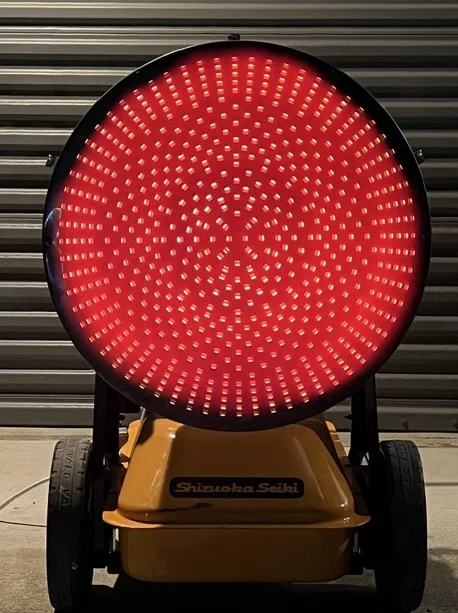
Portable infrared heaters are common here because they can move with the routine of the house. Wheeled cabinet units, lightweight tower units, and compact quartz heaters all fill that supplemental role. The DR-968H example is popular in this category, and Bob Vila notes it can warm a room of up to 150 square feet quickly.
Rooms where infrared heat often disappoints
Open floor plans, rooms with very high ceilings, spaces with strong drafts, and poorly insulated garages are the common failure cases. The heater may warm whoever sits in front of it, yet leave the rest of the room feeling unchanged.
Say your living room opens to the kitchen and foyer, with a vaulted ceiling and traffic moving through all day. A 1,500-watt infrared unit may make the sofa area feel better while the far side of the room stays cool. That is not a defect. It is the limit of a plug-in heater asked to act like central heat.
Which infrared heater fits your room?
The best match depends less on brand than on room losses and line of sight. Insulation level, ceiling height, and whether the room is enclosed change results more than a box claim about square footage, which should be treated as an optimistic estimate rather than a guaranteed outcome.
| Room type | Insulation level | Ceiling height | Ideal heater form factor | Minimum wattage | Placement rules | Common failure mode |
|---|---|---|---|---|---|---|
| Bedroom | Average to good | Standard | Wall-mounted panel or small portable cabinet | 1,000-1,500 watts | Aim at bed-side occupied zone, keep drapes and bedding clear, avoid blocking intake | Placed behind furniture, so the person never sits in the radiant path |
| Garage | Good if attached; poor if uninsulated | Standard to high | Portable high-output infrared for bench area or mounted unit aimed at work zone | 1,500 watts for insulated work area; more if hard-wired and room allows | Point at bench or vehicle bay, close doors first, do not expect whole-room balance | Trying to heat the full air volume of a drafty garage |
| Basement | Average walls, cool slab floor | Standard | Portable cabinet or tower with thermostat | 1,500 watts | Place near seating area, not against concrete walls, keep away from damp corners unless rated | Cold floor and exposed walls keep the room feeling chilly after air-side warmth starts |
| Sunroom | Variable, often weak due to glass | Standard to high | Portable quartz or carbon heater with thermostat | 1,500 watts | Use away from wet spots and direct drafts, aim at seating area, expect daytime swings | Heat loss through glass overwhelms a small plug-in heater after sunset |
| Large open room | Average | High or vaulted common | Portable supplemental heater for one seating zone | 1,500 watts as spot heat | Place close to the occupied zone, not centered for the whole room, keep walk paths clear | Buying one heater and expecting uniform heat across the full floor plan |
Best for most homes: portable 1500W quartz heater
Who this heater type fits
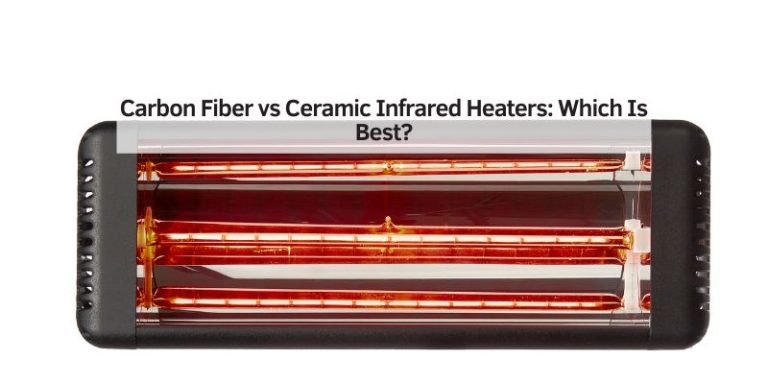
The common 1,500-watt electric infrared heater class exists for a reason: it fits standard indoor plug-in use, stays movable, and covers many everyday needs. Quartz infrared heaters use a quartz heating element and are common in portable indoor units because they deliver fast radiant output.
This category is the default recommendation for homes that need supplemental heat in one room at a time. Wheeled cabinets are especially practical when the heater needs to move from office to den to bedroom. Bob Vila’s top pick, the DR-968H, is one example of that wheeled portable format.
What 1500W can and cannot do
A common rule of thumb is about 10 watts per square foot in an insulated room.
That does not mean every 1,500-watt heater will fully heat every 150-square-foot room. Ceiling height, glass area, drafts, and whether the heater can actually “see” the people and surfaces matter. If the room is leaky or tall, the same wattage becomes spot heat.
Suppose a 12-by-12 bedroom is insulated well and the heater faces the bed from across the room. A 1,500-watt unit can make that occupied zone feel comfortable. Move the same heater into a drafty den with two large windows and an open doorway, and the outcome changes even before the thermostat setting does.
Placement rules that change performance
Placement is often the difference between “works well” and “runs all day.” Portable units need open airflow around their intakes and a clear radiant path toward the occupied zone.
- Measure the active zone. Size for the part of the room you actually occupy, not the entire connected floor plan. In open spaces, count the seating or work area first, because a 1,500-watt plug-in heater rarely behaves like full-room heat across adjoining rooms.
- Aim at people and surfaces. Set the heater where chairs, feet, and nearby furnishings sit in front of it. Infrared output drops fast when the unit is hidden behind a sofa arm, tucked under a desk, or pointed into a hallway.
- Protect the air path. Leave the intake and outlet clear of rugs, throws, pet beds, and dust buildup. Cabinet-style infrared units often still rely on internal fans to move some warmed air, so blocked airflow can trigger overheat shutdowns.
- Use the thermostat wisely. A programmable thermostat helps limit unnecessary run time and smooths comfort, especially in bedrooms or offices with regular schedules. It controls temperature better than simple high/low operation.
Best for bedrooms: wall-mounted infrared heater
Why wall-mounting helps in tight rooms
Wall-mounted infrared heaters work well where floor area is scarce, furniture blocks placement options, or children and pets make floor-standing units awkward. The Heat Storm HS-1500-PHX-WIFI Smart Infrared Heater is one example that shows how the wall-mount category has moved into the common 1,500-watt class.
Mounted units also keep cords and warm surfaces out of traffic lanes. In small bedrooms, that can matter more than raw output. The best location is usually a clear wall with open sight to the bed or sitting area, not hidden behind a dresser or door swing.
Panel-style heat vs cabinet-style heat
Infrared panel heaters radiate heat from a broad surface. They are usually thinner and quieter than cabinet units, but they depend even more on placement because they do not throw heat around obstacles well.
Cabinet-style infrared heaters often combine radiant output with a fan that circulates some warmed air. That can help room response, but it adds noise and takes floor space. For sleep settings, the quieter panel style often makes more sense if the room layout supports it.
Noise, light output, and sleep comfort
Bedrooms expose tradeoffs fast. Quartz heaters can glow more visibly, which some sleepers dislike. Carbon infrared heaters, a variant used in some patio and indoor models, are often paired with wall-mount or portable designs and may be chosen when lower visible light is preferred, though exact behavior varies by model.
Built-in humidifier features appear on some premium portable infrared heaters, but they are not standard and should not drive the purchase. They may improve comfort for some users in dry rooms, yet they do not increase heating output.
Which infrared heater type should you buy?
Buy by heat delivery and room constraints, not by marketing labels. Quartz heaters usually suit fast-response portable use, carbon models often appear in slim wall-mount or patio-style designs, and the best form factor depends on whether you need movable spot heat, quiet bedroom use, or a fixed installation.
Quartz vs carbon infrared heaters
Quartz infrared heaters are common indoors because the quartz element warms quickly and works well in portable cabinets and compact room heaters. They fit homes that want quick comfort in a den, office, or bedroom before bedtime.
Carbon infrared heaters show up in both indoor and patio categories. They are often paired with wall-mounted designs or slim portable towers. For indoor buyers, the main point is not that one element is universally superior, but that the form factor and room placement usually matter more than the element name alone.
Portable vs wall-mounted heaters
Portable infrared heaters win on flexibility. You can move one where the people are. That matters in homes where the cold room changes by time of day.
Wall-mounted infrared heaters win on space management and permanence. They suit bedrooms, craft rooms, and small offices where floor obstructions make portable placement awkward. They lose ground when the family wants one heater to follow them around the house.
Cabinet, tower, and panel form factors
Cabinet heaters tend to be the most balanced indoor format because they combine stability, portability, and often a fan-assisted thermostat system. Tower units save width but can be easier to block with furniture. Panels are the cleanest fit visually and physically, yet they are least forgiving when line of sight is poor.
Can an infrared heater handle garages, basements, and sunrooms?
Sometimes, but only with realistic expectations. In insulated garages, finished basements, and enclosed sunrooms, infrared heaters can improve comfort in a defined zone; in drafty, wet, or glass-heavy spaces, the same heater may work as spot heat only, even when its wattage looks adequate on paper.
Garage expectations: insulated vs drafty spaces
An infrared space heater for garage use should be matched to the actual garage condition. In an attached, reasonably insulated garage with the door closed, a 1,500-watt unit can make a bench area or tool corner usable. In an uninsulated garage with air leaks around the door, it will not create even warmth across the whole bay.
Do not blur indoor room heaters with outdoor patio heaters. Bob Vila includes the Dr. Infrared Heater DR-238 Outdoor Infrared Heater, and This Old House includes the Encyclpo 36-Inch Patio Heater, but those are separate use cases with different ratings and placement rules.
Basement use: cool surfaces and concrete floors
Basements often fool buyers because the air temperature can rise while the room still feels cool. Concrete floors and foundation walls absorb heat, and furniture may sit near cold surfaces that keep radiating chill back at occupants.
A portable cabinet heater with thermostat usually fits better than a panel in a basement lounge because it can be aimed at seating while still moving some warmth around the immediate area. Keep it away from damp corners unless the unit is specifically rated for those conditions.
Sunroom use: glass loss, drafts, and sun gain swings
Sunrooms are one of the trickiest indoor spaces for infrared. Daytime solar gain may make the room comfortable without help, then sunset turns it into a heat-loss box full of cold glass.
Picture a 140-square-foot sunroom with three walls of windows. A 1,500-watt portable heater can make the chair and coffee table area feel better while someone is sitting there, but once the outdoor temperature drops and the glass cools, the room may still feel uneven. A programmable thermostat helps by trimming needless run time during warm afternoon hours.
Size by insulation, ceiling height, and exposure
Start with the room, not the product list. Coverage area is always model-specific, and maker claims usually assume decent insulation and ordinary ceiling height. Higher ceilings, lots of glass, and exterior walls all cut into real performance.
Undersizing leads to constant running and weak comfort. Oversizing is less common in plug-in indoor infrared because many units cluster around 1,500 watts, but buying a heater too large for a tiny bedroom can still create cycling, hot spots, or placement headaches. The fix is usually better zoning, not more wattage.
Match controls and safety features to the room
Safety features should be non-negotiable. Look for tip-over protection, overheat protection, and automatic shutoff on portable units. Bedrooms benefit from quieter controls and, ideally, a thermostat that can hold a stable setpoint overnight.
Smart or programmable thermostats are worth paying for when the room follows a routine. They help limit energy use by avoiding full-power operation after the space is already comfortable. In a spare room used once a week, that matters less than basic safety and correct placement.
Know when a ceramic or other electric heater is the better fit
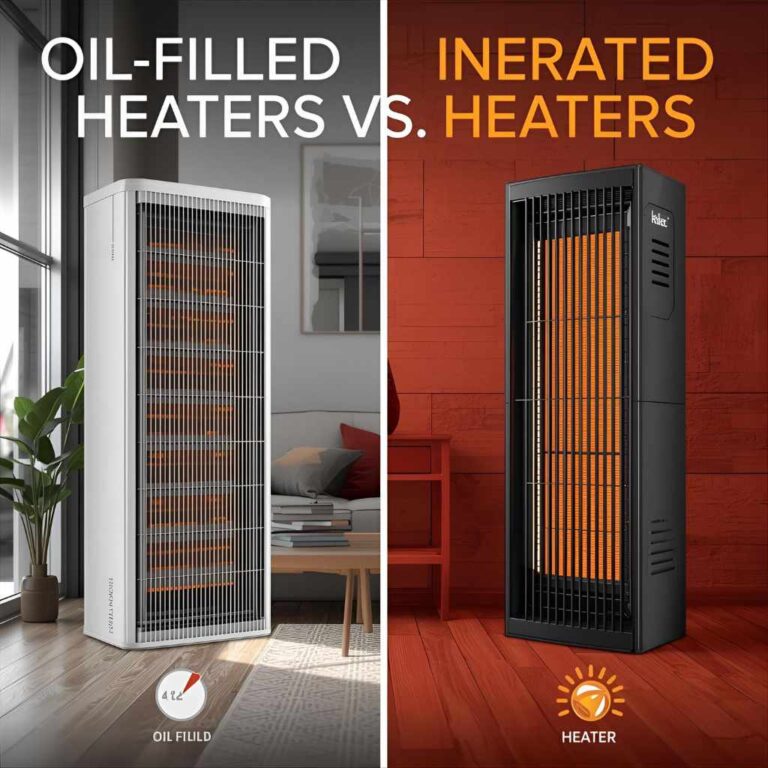
Ceramic vs infrared space heaters is mostly a question of heat pattern. Ceramic heaters warm air and often spread heat more evenly in small enclosed rooms, especially when direct line of sight is poor. Infrared heaters feel more targeted and often less drafty, which many people prefer near a sofa, desk, or bed.
Infrared heaters vs electric heaters is too broad unless the electric category is split correctly. Infrared units are electric heaters, but they differ from resistance-convection models that mainly heat and circulate air. If the room needs broad air mixing, a ceramic or other convection-style electric heater may be the better fit.
Budget features that matter and features you can skip
Spend for thermostat quality, stable construction, and safety shutoffs before paying extra for decorative cabinets or add-on features. Portability matters when one heater will cover several rooms. Wheels matter more than style on heavier cabinet units.
Skip premium claims that do not match the room problem. Built-in humidifiers are niche. Fancy square-foot promises are often optimistic. A bargain model can work well if the room is small, enclosed, and the placement is right. This Old House says compact infrared heaters start around $50, but buyers should expect tradeoffs in controls, noise, and materials at the low end.
How do you use an infrared heater safely and effectively?
Use an infrared heater where it has a clear path to people and nearby surfaces, on a proper outlet, with enough clearance to avoid blocked airflow or heat buildup. Most problems come from misuse: extension cords, wet locations, crowded furniture placement, and trying to heat spaces that are too open or drafty.
Clearances, outlets, and extension-cord limits
- Use a proper outlet. Plug the heater directly into a wall outlet that matches the unit’s rating. Extension cords and power strips can overheat under continuous heater loads and should be avoided unless the manufacturer explicitly allows a specific setup.
- Keep wet areas off-limits. Do not place an indoor infrared heater in a wet area unless its rating clearly permits that use. Sunrooms, basements, and entry rooms need extra care around condensation, tracked-in water, and damp floors.
- Maintain open clearance. Keep furniture, curtains, bedding, papers, and pet beds away from the heater body and airflow path. Tight placement can trap heat, trigger automatic shutoff, or create a fire hazard.
Where to aim or place radiant heat
Radiant heat works best when it reaches the occupied zone directly. Put the heater where people face it or sit across from it, not off to the side behind furniture. In long rooms, it usually belongs near the seating end, not at the geometric center.
A common first-timer mistake is placing a portable heater at the doorway so it feels out of the way. The result is poor line of sight to the sofa or bed, a long throw across open air, and frequent thermostat calls because the occupied zone never gets enough direct radiant gain.
Common misuse that causes poor heating or shutdowns
Rugs or throws that block lower intakes, dust-clogged grilles, and placement against upholstered furniture can all cause overheating. So can forcing a heater into service in a room that is too large, too open, or too drafty for its wattage.
If a heater runs constantly and the room still feels cold, first check room fit and placement. Many buyers assume the heater is weak when the real problem is that the room condition favors convection heat or larger fixed heating equipment instead.
Frequently asked questions
Infrared space heater vs ceramic space heater
Infrared space heaters warm people and objects in front of them, while ceramic space heaters mainly warm air and circulate it through the room. Choose infrared for targeted comfort at a bed, desk, or sofa. Choose ceramic when you need more even air temperature in a small enclosed room.
Are infrared space heaters energy efficient?
They can be, but only in the right role. Infrared heaters may cut heating costs when they let you warm one occupied zone instead of raising whole-house heat. The same source says the approach can lead to energy savings. Used as all-day whole-room heaters in leaky spaces, savings often disappear.
Are infrared space heaters safe?
They are generally safe when used correctly and when the unit includes tip-over protection, overheat protection, and automatic shutoff. Safety drops fast with blocked intakes, extension cords, tight furniture placement, or use in wet areas without the proper rating. Placement and clearance matter as much as the feature list.
Do infrared heaters heat the air?
Not primarily. Infrared heaters warm the people, floor, walls, and furniture in front of them first, and those warmed surfaces then pass some heat to nearby air over time. That is why they feel effective in a seated zone but may leave distant corners cooler than a convection heater would.
How do infrared panel heaters work?
Infrared panel heaters radiate heat from a broad front surface rather than relying mainly on moving hot air. They are best when mounted with a clear view of the occupied zone, such as a bed or desk area. They save floor space, but they are less forgiving when furniture blocks the heat path.
Infrared space heater for garage
An infrared heater can work in a garage if the space is attached or insulated and the goal is a bench, tool, or parking zone. In a drafty, uninsulated garage, one plug-in 1,500-watt unit is usually spot heat only. It will not replace proper space heating for the whole room.