Infrared vs Oil Heater: Proven Running Cost
Infrared heaters are generally more cost-effective to run than oil-filled radiators, primarily because they heat people and objects directly rather than the whole room, leading to faster, more efficient heating and less wasted energy.
For a related heater topic, Are AMD CPUs Good Heaters? Efficiency gives readers a useful next step.
If running cost or sizing is part of the decision, Are Ceramic Heaters Cost Effective explains the numbers from a related angle.
For portable-heater comparisons, Blower vs Infrared Heaters Efficiency 2026 gives readers another helpful angle before buying or using one.
Choosing the right heater can feel like a puzzle, especially when you’re trying to keep your home warm without a shocking electricity bill. Many of us have encountered those chilly rooms or wondered if a different type of heater might be kinder to our wallets. It’s a common worry, but don’t fret! Tanim here, your friendly guide to a cozy and affordable home. We’ll break down the cost of running an infrared heater versus an oil-filled radiator, making it super simple to understand which one saves you money. Get ready to feel more confident about your heating choices!
Infrared Heater vs. Oil Heater: What’s the Real Running Cost Difference?
When you’re looking to heat your home, two popular choices often come up: infrared heaters and oil-filled radiators. They both promise warmth, but how do they stack up when it comes to your energy bill? Understanding how each type of heater works is the first step to figuring out which is the more budget-friendly option for you. It’s not just about the upfront price of the heater, but more importantly, what you’ll be paying to keep it running day in and day out.
How Do Infrared Heaters Work?
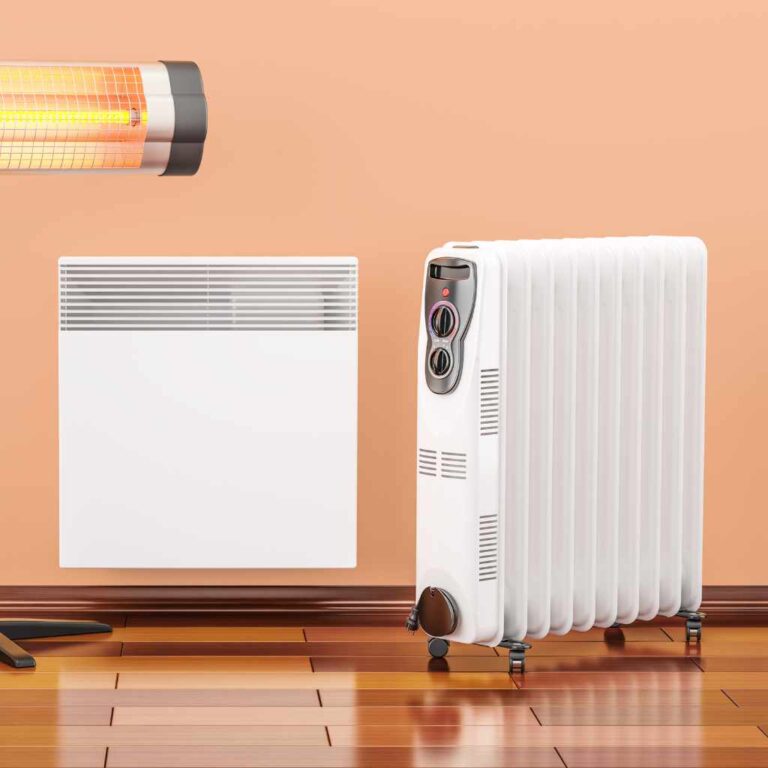
Infrared heaters, sometimes called radiant heaters, work a bit like the sun. They emit infrared radiation, which is a type of light you can feel as heat. Instead of heating the air in a room, they directly warm objects and people in their path. Think of it like standing in a sunny spot on a cool day – you feel warm even if the air around you is cold.
This direct heating method means a couple of things for running costs:
- Faster Warmth: You feel the heat almost instantly because it’s not waiting for the air to warm up.
- Targeted Heating: You can direct the heat exactly where you need it, like towards a seating area.
- Less Energy Loss: Since you’re not heating the entire volume of air in a large room, less energy is wasted. This is a big win for your energy bill!
The efficiency of infrared heaters is a key factor in their lower running costs. You get comfortable faster and use less electricity to achieve that comfort.
How Do Oil-Filled Radiators Work?
Oil-filled radiators, on the other hand, work by heating a special thermal oil sealed inside their metal fins. An electric element heats the oil, which then circulates naturally within the radiator. This warmed oil heats the surface of the radiator, and in turn, the radiator heats the air around it through convection. This warm air then rises and circulates throughout the room.
Here’s how their operation affects running costs:
- Slower to Heat Up: It takes time for the oil to heat up, and then for that heat to warm the air in the room.
- Whole Room Heating: They are designed to heat the entire room’s air, which can be less efficient if you only need to warm a small area or specific spot.
- Retains Heat: Once turned off, the oil continues to radiate heat for a while, which can be a nice benefit, but it also means they continue to use a tiny amount of energy or keep a residual heat load.
Because they heat the air and take longer to warm a space, oil-filled radiators often consume more electricity to reach and maintain a desired temperature compared to infrared heaters when used for spot heating or rapid warming.
Comparing Running Costs: The Numbers Game
To truly compare infrared vs. oil heater cost to run, we need to look at a few key factors: wattage, how long they run, and the price of electricity in your area. While specific numbers can vary greatly, the general principles of how they heat offer a clear picture.
Factors Influencing Running Costs
- Wattage (Power Consumption): Higher wattage means more power is used. However, how that power is used is crucial. An infrared heater might have a high wattage but use it more efficiently for direct heating.
- Heating Area: Are you heating a small bathroom or a large living room? The size of the space and how much of it you need to heat significantly impacts energy use.
- Runtime: How long will the heater be on? A heater that warms a space quickly might be turned off sooner, saving energy.
- Thermostat Settings: Maintaining a consistent temperature is key. Higher settings mean more energy use.
- Insulation and Drafts: A well-insulated room with no drafts will retain heat better, meaning any heater will have to work less.
- Electricity Rates: The cost of electricity varies by region and time of day. You can check your local utility company’s website for your specific rates. For example, in the U.S. average electricity prices can range from around $0.12 to $0.24 per kilowatt-hour (kWh) according to the U.S. Energy Information Administration (EIA).
Estimating Running Costs
Let’s do a simplified calculation to compare. The basic formula for cost is:
Cost ($) = (Wattage / 1000) x Hours Used x Electricity Rate ($/kWh)
Let’s assume:
- Heater 1 (Infrared): 1500W (1.5 kW), designed for zone heating, providing comfortable warmth in 10 minutes.
- Heater 2 (Oil-Filled): 1500W (1.5 kW), designed for whole-room heating, taking 30 minutes to make the room feel warm.
- Electricity Rate: $0.15 per kWh
Scenario: Wanting to feel warm for 1 hour in a specific area.
Infrared Heater:
- You turn it on, and within 10 minutes, you feel warm. You can then turn it off or set it to maintain a low level.
- Let’s say you use it for 1 hour, but its effective heating provides instant comfort.
- Cost = (1.5 kW) x (1 hour) x ($0.15/kWh) = $0.225 per hour.
- Because it heats you directly and quickly, you might only need it on for shorter bursts. If you only needed 20 minutes of direct warmth: Cost = (1.5 kW) x (0.33 hours) x ($0.15/kWh) = $0.075.
- It takes 30 minutes to heat up the room enough to feel comfortable. Then, it cycles on and off to maintain that room temperature over the next 30 minutes.
- Total runtime to achieve and maintain comfort for 1 hour: 1 hour.
- Cost = (1.5 kW) x (1 hour) x ($0.15/kWh) = $0.225 per hour.
- However, if the room is cold and the thermostat is set higher, it might cycle more frequently, potentially using more energy over the hour. If it runs closer to continuously for an hour in a drafty room, the cost could be higher.
Key Takeaway: While the hourly maximum power draw might be the same, the infrared heater’s ability to provide immediate, targeted warmth means you can often achieve your comfort goals with less overall energy consumption and shorter runtimes compared to an oil-filled radiator that needs to heat an entire room’s air first.
Power Consumption Comparison Table
To illustrate the potential differences, let’s look at a generalized scenario comparing typical usage. Remember these are estimates and actual usage will vary based on your specific circumstances.
| Heater Type | Typical Wattage | Heating Method | Time to Initial Comfort | Estimated Running Time for 1 Hour of Comfort | Estimated Cost for 1 Hour of Comfort (at $0.15/kWh) | Primary Benefit for Cost Savings |
|---|---|---|---|---|---|---|
| Infrared Heater | 800W – 1500W | Radiant (direct heat) | Minutes | 30-45 minutes (effective heating) | $0.03 – $0.10 (approximate, due to faster comfort meaning less sustained use needed) | Direct heating, minimal wasted energy, rapid warmth. |
| Oil-Filled Radiator | 1000W – 2500W | Convection (heats air) | 20-45 minutes (to begin feeling room warmth) | 60 minutes (to maintain room temperature) | $0.15 – $0.38 (approximate, based on sustained room heating) | Retains heat longer after shutoff, consistent ambient warmth once established. |
As you can see from the table, the infrared heater often comes out ahead for cost-effectiveness because less electricity is needed to achieve a feeling of warmth. It’s about heating you, not the whole house. For more detailed information on how to calculate your specific electricity costs, you can visit resources like the U.S. Energy Information Administration (EIA) website, which provides average energy prices and consumption data.
When is Each Heater Type Best?
The “better” heater truly depends on your specific needs and how you plan to use it. Both have their strengths.
Best Use Cases for Infrared Heaters
- Spot Heating: Perfect for heating a specific area, like where you sit to read or work, without wasting energy on an empty room.
- Quick Warm-up: Ideal for spaces that are used intermittently or need a quick boost of heat, like a bathroom before a shower or a small home office.
- Drafty Areas: When used strategically, they can counter drafts by warming you directly, making you feel comfortable even if the room air temperature is slightly lower.
- Supplementing Central Heating: If your central heating doesn’t quite reach certain rooms, an infrared heater can provide targeted warmth.
- Lower Air Purity Concerns: They don’t circulate air and dust, which can be beneficial for people with allergies or asthma.
Best Use Cases for Oil-Filled Radiators
- Whole Room Heating: Excellent for maintaining a consistent, ambient temperature in a room that needs to be warm for extended periods.
- Consistent, Gentle Heat: Their low surface temperature (compared to some other electric heaters) and steady heat output make them a good choice for living areas or bedrooms where gentle, all-around warmth is desired.
- Long-Term Presence: If you have a room that’s permanently chilly or you’re away from home for short periods and want to keep a low baseline temperature, they can be effective.
- Quiet Operation: They are generally silent, which is a plus for bedrooms or quiet living spaces.
- No Drafts: They don’t create or exacerbate drafts.
Tips for Maximizing Energy Efficiency and Savings
Regardless of which heater you choose, there are smart ways to keep your running costs down. Think of these as little helpers for your wallet!
For Infrared Heaters
- Positioning is Key: Aim the heater directly at the area or people you want to warm. Don’t point it at walls or empty spaces.
- Use Timers: Many infrared heaters come with timers. Use them to heat a space only when needed.
- Combine with Other Heating: Use it for targeted warmth so you can potentially lower your thermostat on your central heating system.
- Limit Room Size: Infrared heaters work best in a single room or a designated zone. Don’t expect it to heat your entire house.
For Oil-Filled Radiators
- Use the Thermostat Wisely: Set your desired temperature and let the thermostat do its job. Avoid setting it too high.
- Placement Matters: Place it away from doors and windows where heat can escape easily.
- Close Doors and Vents: Keep the door to the room closed and any vents for other rooms shut to keep the heat contained.
- Pre-heat: Turn it on a bit before you need the room to be warm, but don’t leave it on unnecessarily.
- Insulate: Improve your room’s insulation and seal any drafts to prevent heat loss. This is one of the most impactful energy-saving measures for any heating system.
General Energy Saving Tips
- Seal Drafts: Check for drafts around windows, doors, and electrical outlets. Use weatherstripping or caulk to seal them. You can find helpful DIY guides on how to do this from resources like Energy.gov’s Weatherization section.
- Use Curtains: Close curtains at night to keep heat from escaping through windows.
- Smart Thermostats: If you have a central heating system, a programmable or smart thermostat can make a big difference by automatically adjusting temperatures.
- Dress Warmly: Sometimes, simply wearing an extra layer of clothing can make a big difference, allowing you to keep your thermostat set a little lower.
Safety First with Any Heater
No matter which type of heater you choose, safety should always be your top priority. Both infrared and oil-filled heaters are generally safe when used correctly, but it’s crucial to follow manufacturer instructions and these general safety tips:
General Safety Guidelines
- Keep Clearances: Always maintain a safe distance between the heater and any flammable materials like curtains, furniture, bedding, or paper. A common recommendation is at least 3 feet (about 1 meter).
- Never Cover: Do not cover the heater with clothes or blankets. This can cause overheating and fire hazards.
- Unplug When Not in Use: When you leave a room for an extended period, or when you’re going to bed, unplug the heater.
- Stable Surface: Place heaters on a stable, level surface where they won’t be easily knocked over.
- Pet and Child Safety: Be mindful of children and pets. Some heaters get very hot to the touch. Consider models with cool-touch exteriors or safety grilles if this is a concern.
- Electrical Cords: Ensure the power cord is not frayed or damaged. Avoid running cords under carpets where they can be a tripping hazard or overheat.
- Avoid Water: Keep electric heaters away from bathrooms, sinks, or wet areas unless they are specifically designed for such use (like a bathroom-rated fan heater).
- Regular Inspection: Periodically inspect your heater for any signs of damage.
By following these tips, you can enjoy the warmth your heater provides confidently and safely.
Frequently Asked Questions (FAQ)
Q1: Which type of heater uses less electricity: Infrared or oil-filled?
Generally, infrared heaters tend to use less electricity to achieve a feeling of warmth because they heat objects and people directly and quickly, rather than heating the entire room air. This means they can be more efficient for spot heating and provide comfort faster.
Q2: Are infrared heaters expensive to run compared to oil radiators?
No, infrared heaters are typically less expensive to run than oil-filled radiators for providing immediate comfort. While their wattage might be similar, their direct heating method means less energy is wasted on heating empty space, leading to lower overall consumption for achieving a comfortable temperature.
Q3: Can an infrared heater heat a whole room like an oil-filled radiator?
Infrared heaters are primarily designed for “spot heating” or zone heating – warming what they point at. While they can contribute to overall room temperature indirectly, they are not as effective as oil-filled radiators or convection heaters at rapidly warming and maintaining the temperature of an entire enclosed room evenly.
Q4: How much does it cost to run a 1500-watt infrared heater for an hour?
If your electricity costs $0.15 per kWh and the heater is rated at 1500 watts (1.5 kW), running it for one hour would cost approximately $0.225 ($0.15 x 1.5 kW x 1 hour). However, because infrared heaters provide instant warmth, you might not need to run it for a full hour to feel comfortable, potentially reducing the cost.
Q5: Do oil-filled radiators heat a room faster or slower than infrared heaters?
Oil-filled radiators take longer to heat up a room because they must first heat the internal oil and then heat the surrounding air through convection.