Forced Air vs Infrared Heaters: Essential Guide
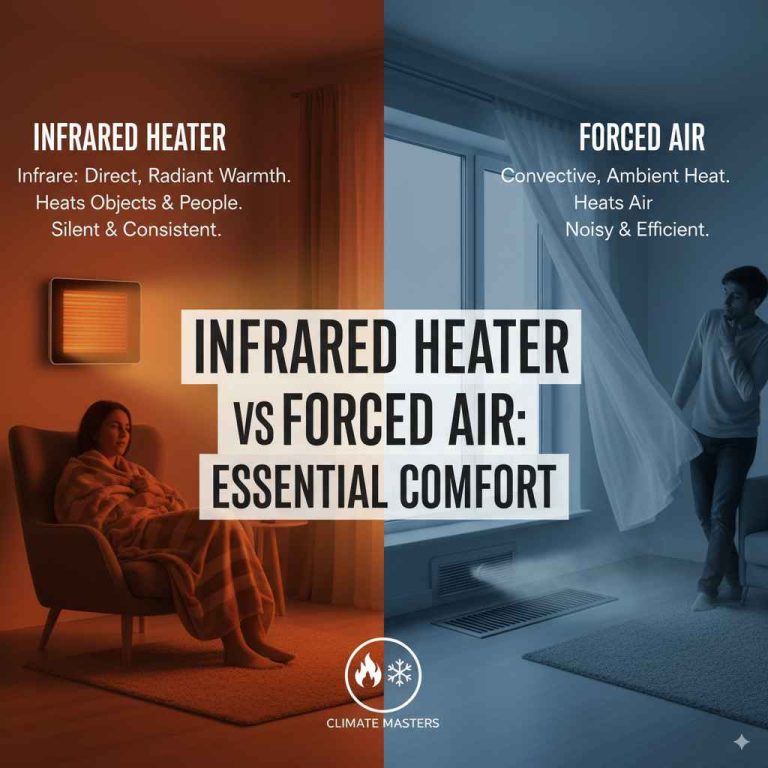
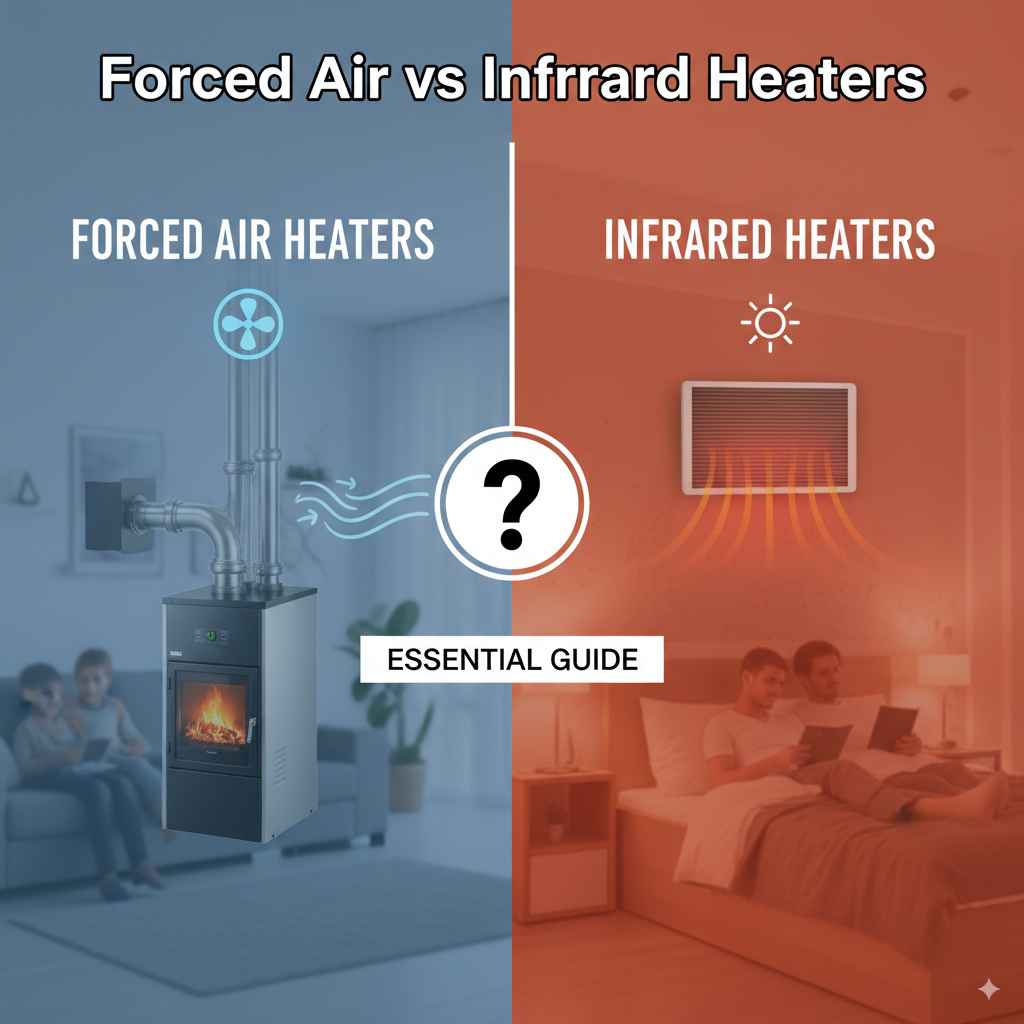
Forced air vs infrared heaters: Choose the best for your home! Forced air heats a whole space quickly using a fan, great for general warmth. Infrared heats objects and people directly, offering targeted, quiet warmth that feels like sunshine. Both have pros and cons, so understanding their differences helps you pick the perfect solution for your comfort and budget.
Are you feeling a chill and wondering which heater is best for your home? It’s a common question, and picking the right one can feel a bit overwhelming. You want cozy comfort without a sky-high energy bill. Don’t worry, that’s where I come in! We’ll break down the two main types of heaters: forced air and infrared. Think of this as your friendly guide to understanding them simply. We’ll look at how they work, what they’re good for, and how to decide which is your perfect match. Get ready to feel confident about making your home wonderfully warm!
Forced Air Heaters: The All-Around Warmer
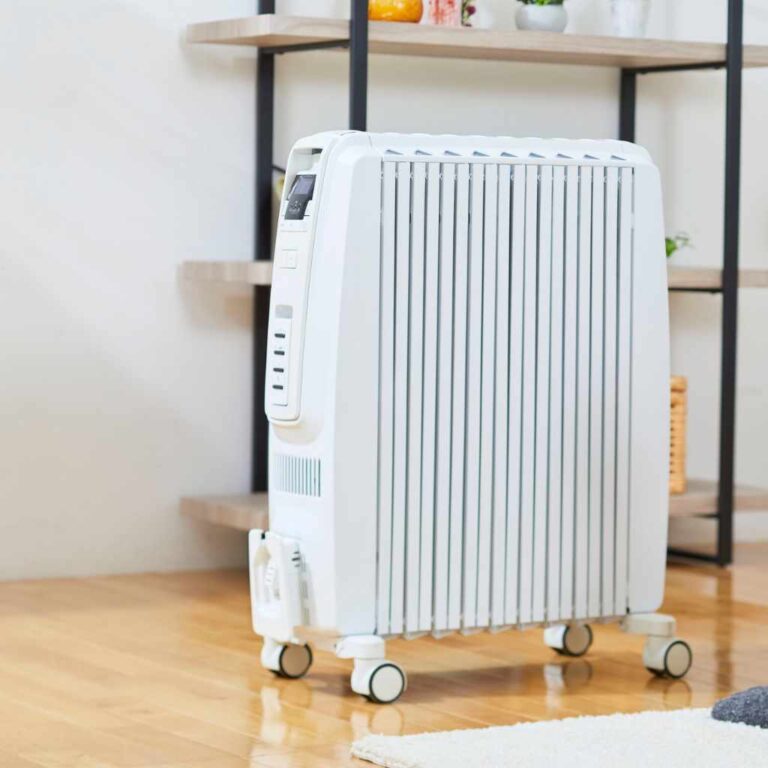
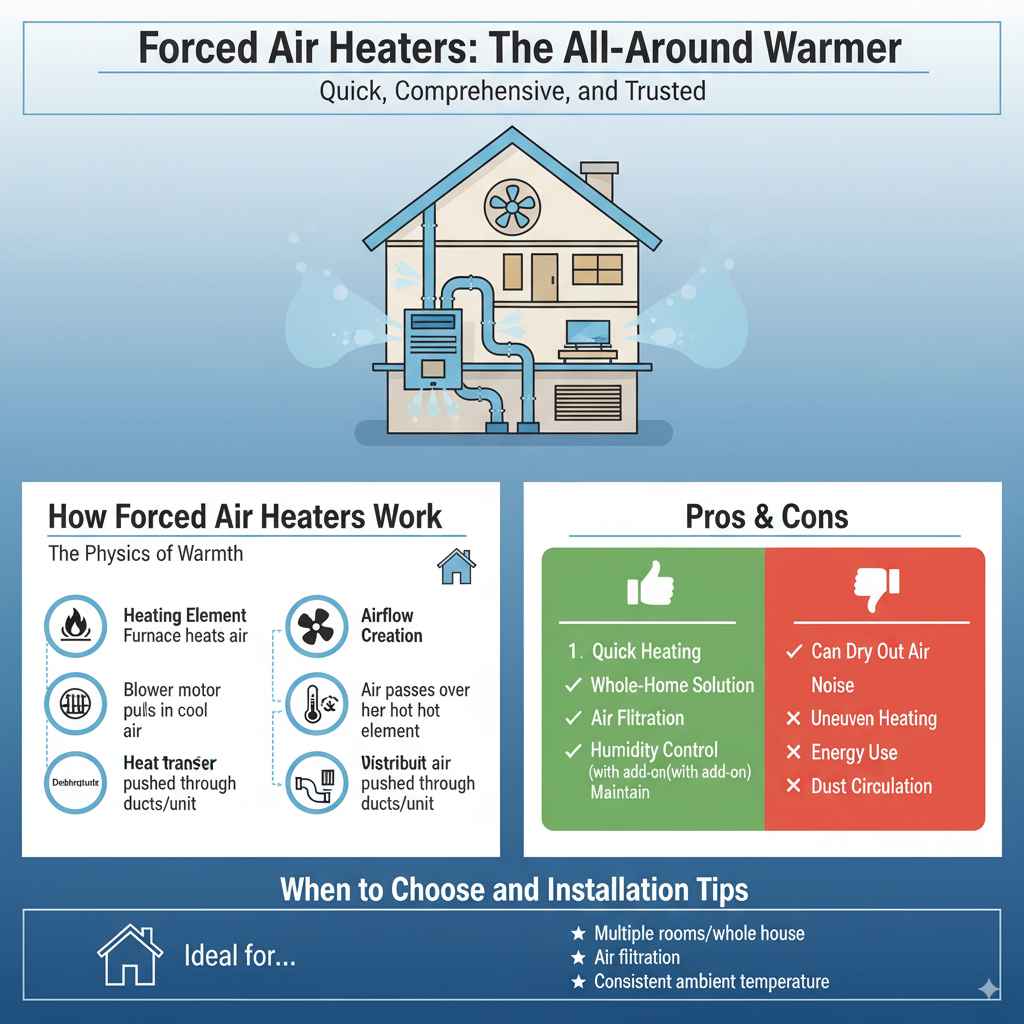
Forced air heating systems are what many of us grew up with. They’re the standard in most homes and are known for their ability to warm up an entire room or house quickly. How do they do it? It’s pretty straightforward. A central furnace or a portable unit heats up air, and then a fan blows that warm air through vents or ducts into your living spaces. It’s like a gentle, steady wave of warmth circulating everywhere.
How Forced Air Heaters Work
The magic behind forced air is simple physics and engineering. Here’s the breakdown:
- Heating Element: In a central system, this is usually a furnace that burns natural gas, propane, oil, or uses electricity to create heat. For portable units, it’s typically an electric resistance coil or a ceramic element.
- Airflow Creation: A blower motor, essentially a powerful fan, pulls in cooler air from your home.
- Heat Transfer: The air passes over the hot heating element, absorbing heat.
- Distribution: The warmed air is then pushed by the fan through a network of ducts (in central systems) or directly out of the unit (for portable models) into the rooms.
This continuous circulation means that eventually, the entire space reaches your desired temperature. It’s a system designed for comprehensive coverage.
Pros of Forced Air Heaters
Forced air systems have become popular for good reasons. They offer a solid, reliable way to heat your home:
- Quick Heating: They can raise the temperature of a room or your whole house relatively fast by circulating heated air.
- Whole-Home Solution: Central forced air systems are designed to heat an entire house efficiently from a single source.
- Air Filtration: Most forced air systems include air filters that can remove dust, pollen, and other particles, improving indoor air quality. You can even upgrade to filters that capture smaller pollutants.
- Humidity Control: When paired with a humidifier or dehumidifier, forced air systems can help manage the moisture levels in your home.
- Easy to Find & Maintain: Parts and service for forced air systems are widely available, making maintenance generally straightforward.
Cons of Forced Air Heaters
While great for many situations, forced air isn’t perfect for everyone or every need:
- Can Dry Out Air: The process of heating and circulating air can sometimes reduce humidity, leading to dry air which can be uncomfortable for some.
- Noise: The fan and air movement can create noticeable noise, especially in older or less well-maintained systems.
- Uneven Heating: In larger homes or those with inefficient ductwork, you might find some rooms are warmer than others.
- Energy Use: Constantly circulating air and running a furnace can sometimes use more energy compared to targeted heating methods.
- Dust Circulation: If filters aren’t changed regularly, forced air systems can recirculate dust and allergens.
When to Choose Forced Air
Forced air heating is an excellent choice if you:
- Need to heat multiple rooms or an entire house.
- Want a system that can quickly warm up a space.
- Are looking for a solution that also offers air filtration benefits.
- Already have existing ductwork in your home.
- Prefer a consistent, overall ambient temperature throughout your living areas.
Infrared Heaters: The Targeted Sunbeam
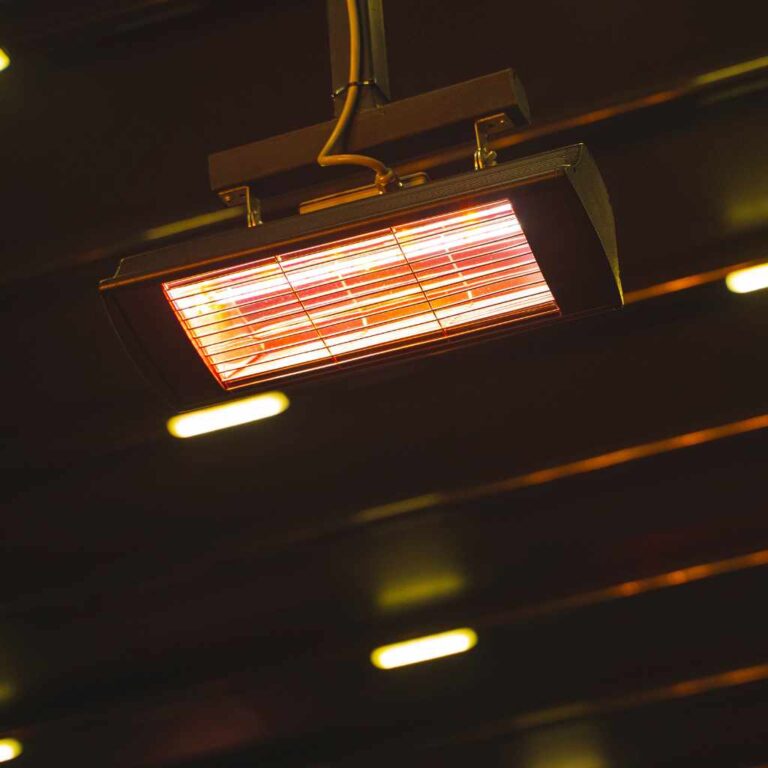
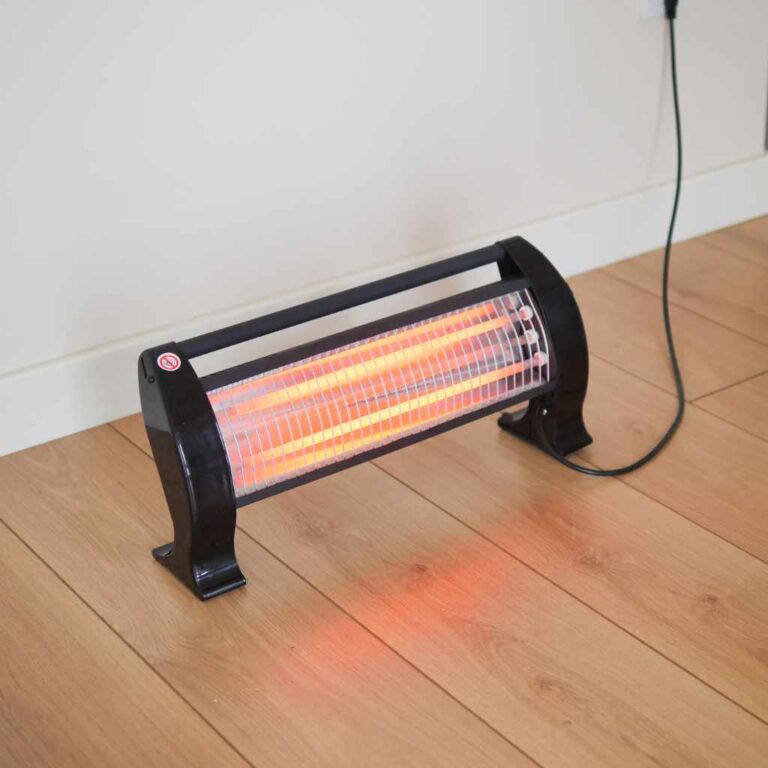
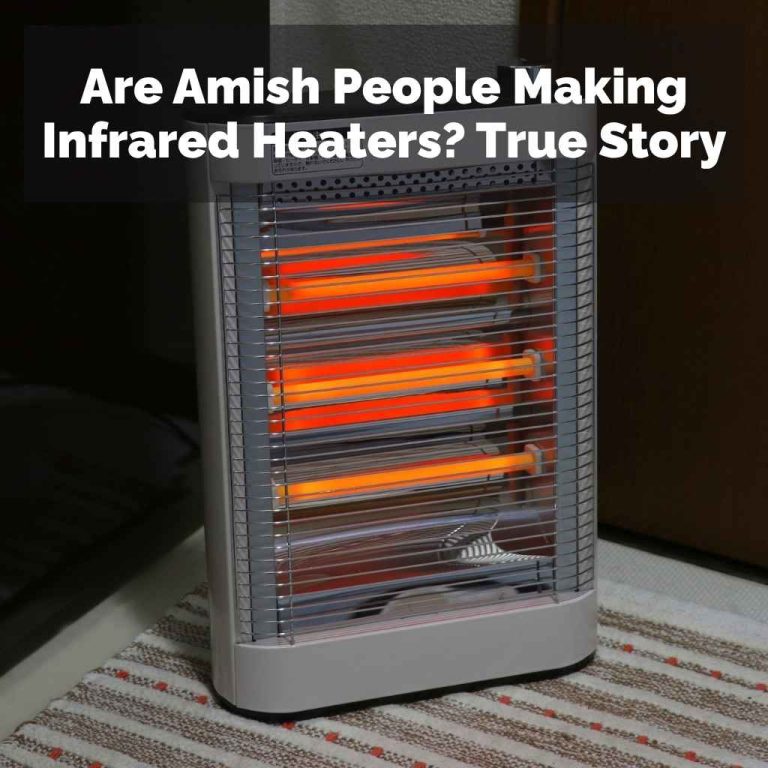
Imagine stepping into a patch of sunlight on a chilly day – that’s the feeling of infrared heat! Unlike forced air, which heats the air, infrared heaters warm objects and people directly. They do this by emitting invisible infrared light waves. When these waves hit surfaces (like furniture, walls, or you!), they convert into heat. It’s a more direct and often more efficient way to warm specific areas.
How Infrared Heaters Work
Infrared heaters use a simple yet effective principle of radiant heat:
- Heating Element: This is usually a special element that gets very hot when electricity passes through it. Common types include quartz elements, ceramic, or carbon fiber.
- Infrared Emission: The hot element emits infrared radiation, which travels in straight lines.
- Direct Heating: These waves pass through the air without heating it significantly. They only generate heat when they strike an object or person.
Think of it like a gentle, warm glow that directly makes you feel toasty, without changing the air temperature much. This makes them perfect for targeted heating.
Pros of Infrared Heaters
Infrared heaters offer distinct advantages, especially for specific heating needs:
- Targeted Warmth: They heat you and the objects around you, not the entire room or air. This means you feel warm almost instantly where you are.
- Energy Efficient for Spot Heating: Because they only heat what’s in their “line of sight,” they can be more energy-efficient for heating specific zones or people, rather than an entire unoccupied space.
- Quiet Operation: Most infrared heaters have no moving parts like fans, making them virtually silent.
- No Air Drying: They don’t dry out the air because they don’t rely on circulating air, which is great for people who suffer from dry skin or respiratory issues.
- Better for Drafty Areas: In spaces where air tends to escape (like workshops or garages), infrared heat is less affected by drafts as it directly warms surfaces.
Cons of Infrared Heaters
While excellent for certain jobs, infrared heaters have limitations:
- Don’t Heat Air: They won’t significantly raise the overall air temperature of a room. If you want the whole room to feel ambiently warm, they are less effective on their own.
- Line of Sight Required: If something is blocking the infrared waves, that area won’t be heated directly.
- Slower for Whole-Room Heating: To heat a large room with infrared, you’d typically need multiple units or a very powerful one, and it might still take longer than forced air to achieve a uniform temperature.
- Potential for Hot Spots: If you’re very close to the heater, you might feel almost too warm, while areas further away receive less direct heat.
- Can be More Expensive Upfront: Some high-quality, powerful infrared units can have a higher initial purchase price than basic forced air portable heaters.
When to Choose Infrared
Infrared heaters are a fantastic choice if you:
- Need to heat a specific area or zone, like your desk space, a reading nook, or a workshop.
- Want to feel warm quickly without waiting for the whole room’s air to heat up.
- Are sensitive to dry air or noise from fans.
- Have a drafty room or an area where ductwork isn’t feasible.
- Want to supplement your existing heating and focus on the areas where you spend most of your time.
Forced Air vs. Infrared Heaters: A Quick Comparison
To make your decision even easier, here’s a table that sums up the key differences:
| Feature | Forced Air Heaters | Infrared Heaters |
|---|---|---|
| How They Heat | Heats air and circulates it using a fan. | Emits radiant waves that heat objects and people directly. |
| Heating Speed | Heats an entire room or house relatively quickly. | Heats objects and people almost instantly, but slower for whole-room ambient heat. |
| Area of Effect | Whole room/house; circulated air. | Direct line of sight; targeted areas. |
| Noise Level | Can be noisy due to fan/blower. | Very quiet; usually no moving parts. |
| Effect on Air | Can dry out air; circulates air and can filter it. | Does not affect air humidity; doesn’t circulate air. |
| Energy Efficiency | Can use more energy for whole-home heating. | Very efficient for spot heating specific areas. |
| Best For | Whole-home heating, quick warming of large spaces. | Targeted spot heating, quiet operation, supplementing existing heat. |
Choosing the Right Heater for Your Needs
The “best” heater really depends on what you need it for. Here are some scenarios to help you decide:
Scenario 1: Heating Your Entire Apartment
If you have an apartment or a smaller home and want to ensure every room is comfortably warm, a central forced air system (if you have one) is ideal. If you’re looking for a portable solution, a powerful forced air space heater that can circulate warm air effectively throughout your living space would be a good choice. It will evenly raise the ambient temperature and keep you cozy everywhere.
Scenario 2: Supplementing Your Existing Heat
Let’s say your main heating system is okay, but there are certain areas that always feel colder, like your home office or a chilly basement reading nook. This is where an infrared heater shines! You can place it nearby to warm your immediate space without wasting energy heating empty rooms. It’s like adding a personal sunshine patch directly where you are.
Scenario 3: A Workshop or Garage
If you have a garage or workshop that you use seasonally, and it’s not connected to your home’s central heating, infrared heaters are often a superior choice. They can provide direct, comfortable heat to the areas where you’re working, and they are less affected by the drafts often present in these spaces. For larger spaces, you might consider a more robust, industrial-style infrared heater.
Scenario 4: Bedrooms at Night
For bedrooms, quiet operation is key. While some forced air units are very quiet, infrared heaters are virtually silent. This can mean a more peaceful night’s sleep. You can set an infrared heater to keep you warm through the night without the fan noise potentially disturbing you. Just ensure it’s placed safely away from bedding and curtains.
Safety and Installation Tips
No matter which type of heater you choose, safety is paramount. Here are some essential tips:
Forced Air Heaters:
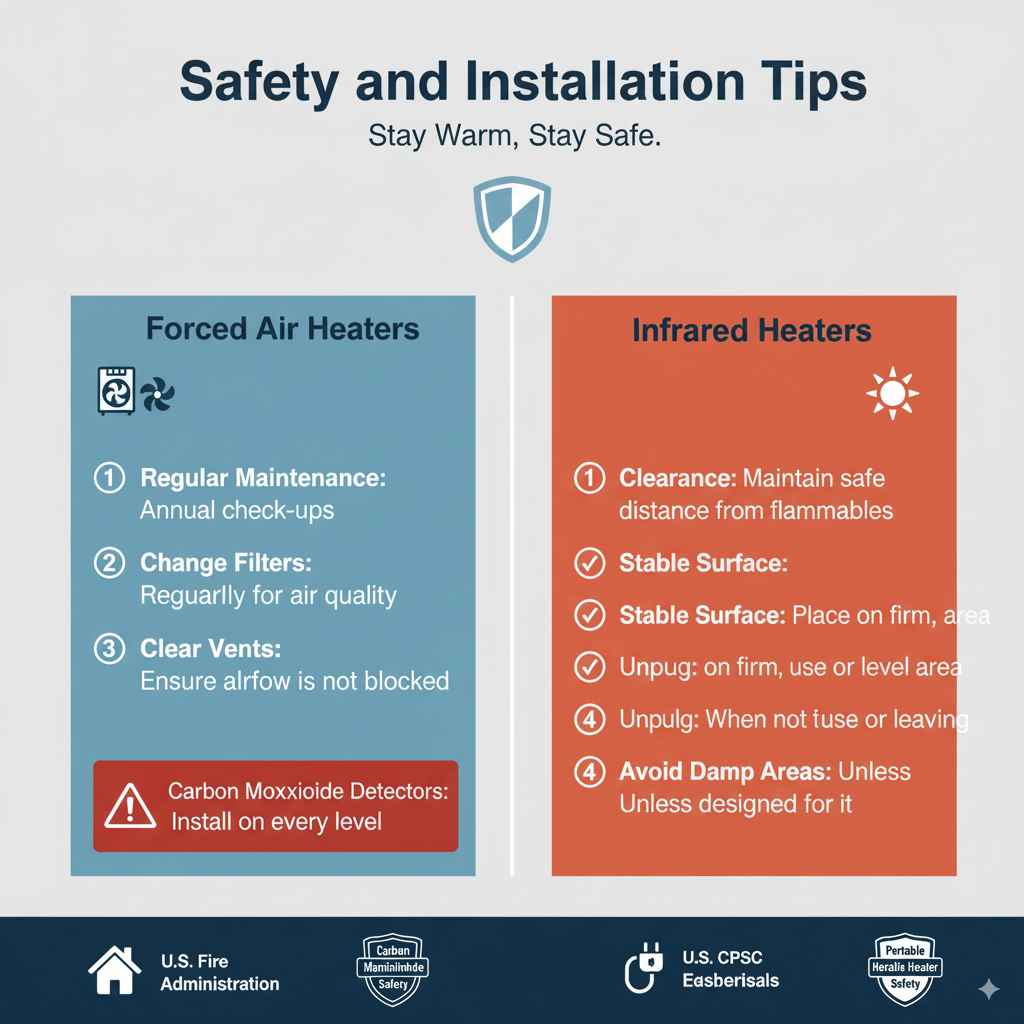
- Regular Maintenance: Schedule annual check-ups for central heating systems. For portable units, ensure they are clean and free of dust.
- Change Filters: Replace or clean air filters regularly as recommended by your manufacturer to maintain air quality and system efficiency.
- Clear Vents: Make sure vents and registers are not blocked by furniture, curtains, or rugs.
- Carbon Monoxide Detectors: Ensure you have working carbon monoxide detectors on every level of your home, especially near fuel-burning furnaces. The U.S. Fire Administration recommends this for all households.
Infrared Heaters:
- Clearance: Always maintain a safe distance between the heater and any combustible materials like curtains, furniture, and bedding. Check the manufacturer’s guidelines for specific clearance distances. The U.S. Consumer Product Safety Commission (CPSC) offers general safety advice on portable heater use.
- Stable Surface: Place the heater on a firm, level, and stable surface to prevent tipping.
- Unplug When Not in Use: Always unplug the unit when you are finished using it or when leaving the room for an extended period.
- Avoid Damp Areas: Do not use most portable electric heaters in bathrooms or other damp locations unless specifically designed for such use.
Frequently Asked Questions (FAQ)
Q1: Which type of heater is more energy-efficient?
It depends on the situation. Infrared heaters are generally more energy-efficient for heating a single person or a small, targeted area because they only heat what’s in their direct path. Forced air systems can be more efficient for heating an entire home if your ductwork is well-sealed and your system is properly sized, as they distribute heat uniformly. If you’re only heating one spot, infrared wins. For whole-home warmth, a well-maintained forced air system can be efficient.
Q2: Can I use an infrared heater as my primary heat source?
For small spaces or to supplement other heating, yes. However, infrared heaters primarily warm objects and people, not the air. So, they won’t raise the overall ambient temperature of a large room or house significantly. If you need to heat an entire home and want a consistent room temperature, an infrared heater alone is usually not sufficient.
Q3: How long does it take for an infrared heater to warm me up?
Infrared heaters provide heat almost instantly. You should feel the warmth within seconds of turning the unit on, provided you are within its direct line of “sight.”
Q4: Do forced air heaters dry out the air too much?
Forced air systems can contribute to dry air, especially in winter when the outside air is cold and dry. The heating process itself can reduce the air’s capacity to hold moisture. If you experience dry air, you can combat this by using a humidifier, either a standalone unit or one integrated with your central HVAC system, and by ensuring your forced air system’s filters are clean.
Q5: Are infrared heaters safe for children and pets?
As with any heat source, caution is needed. While infrared heaters don’t have exposed red-hot coils like some older heaters, they can still get very hot to the touch. Always follow the manufacturer’s safety guidelines regarding placement and clearance from children and pets. Never leave them unattended when in use, and ensure they are placed on stable surfaces to prevent tipping. Some models have cool-touch exteriors, which can offer added peace of mind.
Q6: What’s the difference between fan heaters and ceramic heaters (both forced air)?
Both fan heaters and ceramic heaters are types of forced air heaters that use electricity. They both heat air and then use a fan to circulate it. The main difference is the heating element: a standard fan heater might use wire coils, while a ceramic heater uses a ceramic plate. Ceramic heaters are often praised for being slightly more efficient and safer, as the ceramic material heats up quickly and retains heat well, and it tends to have a more muted glow than exposed coils.
Conclusion
Choosing between forced air and infrared heaters ultimately comes down to your specific needs and how you want to heat your home. If you’re looking to warm up an entire space quickly and efficiently, and perhaps benefit from air filtration, forced air systems are a tried-and-true solution. They’re excellent for maintaining a consistent, ambient temperature throughout your home.
On the other hand, if your goal is targeted warmth, quiet operation, and an efficient way to heat only the areas you’re using, infrared heaters are an outstanding choice. They offer that delightful, direct heat that feels like stepping into sunshine, without affecting the air’s humidity or making noise. They are perfect for home offices, workshops, or just adding an extra layer of comfort to your favorite spot.
By understanding how each type works, their advantages, and their limitations, you can confidently select the heater that will make your home the warm, comfortable sanctuary you deserve. Don’t hesitate to consider using both types – a central forced air system for general warmth and infrared heaters for targeted comfort where and when you need it most. Happy heating!