Quartz Heater vs Infrared Heater: 2026 Local Price Guide
Deciding between a quartz heater and an infrared heater can feel a bit tricky, especially when you’re looking at the Quartz Heater vs Infrared Heater: 2026 Local Price Guide. Many people get confused by the different ways they heat a room. But don’t worry!
We’re here to make it super simple. This guide will walk you through everything, step-by-step, so you can pick the best heater for your needs and budget. We’ll cover how they work, their pros and cons, and what you can expect to pay.
Understanding Quartz Heaters
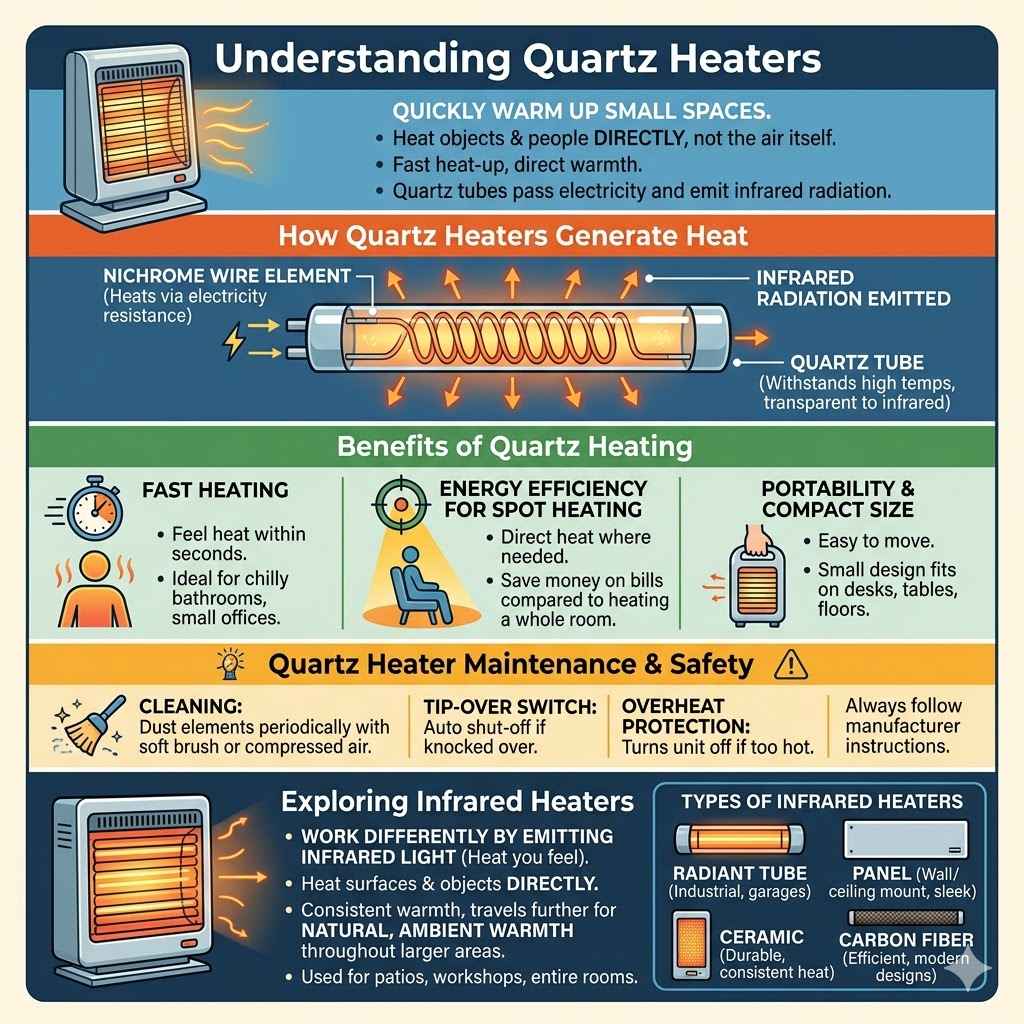
Quartz heaters are a popular choice for quickly warming up smaller spaces. They work by passing electricity through quartz tubes, which heat up and then emit infrared radiation. This radiation then heats objects and people directly in its path, rather than the air itself.
This means you feel the warmth almost instantly, making them great for spot heating or in rooms where you don’t need to heat the entire air volume constantly. The quartz element is often encased in a metal grille for safety. They are known for their fast heat-up times and direct warmth.
How Quartz Heaters Generate Heat
The core of a quartz heater is its heating element, which is typically a resistance wire like nichrome. This wire is coiled and then inserted inside a quartz tube. When you turn the heater on, electricity flows through the nichrome wire, causing it to get very hot due to electrical resistance.
Quartz is used because it can withstand high temperatures and is transparent to infrared radiation, allowing the heat to escape efficiently. The quartz tube itself also gets hot and radiates heat. The process is quite direct; the element heats up, and that heat is radiated outwards.
This direct heating method is a key characteristic.
Benefits of Quartz Heating
- Fast Heating: Quartz heaters warm up very quickly, so you feel the heat within seconds of turning them on. This is ideal for areas where you only need temporary warmth, like a chilly bathroom before a shower or a small home office while you’re working. You won’t have to wait long for comfort.
- Energy Efficiency for Spot Heating: Because they heat objects and people directly, quartz heaters are very efficient for personal or spot heating. You can direct the heat where you need it most without wasting energy warming an entire room or empty spaces. This targeted approach can save money on electricity bills compared to heating the whole space.
- Portability and Compact Size: Many quartz heaters are lightweight and come with carrying handles, making them easy to move from room to room. Their compact design also means they don’t take up much space, fitting easily on desks, tables, or floors. This flexibility is a major advantage for renters or those who like to rearrange their living spaces.
Maintenance and Safety Features
Quartz heaters generally require minimal maintenance. You’ll want to keep the heating elements clean by dusting them periodically with a soft brush or a can of compressed air to ensure optimal performance. Avoid touching the hot quartz tubes directly.
Safety features are also important; most models come with tip-over switches that automatically shut off the heater if it’s accidentally knocked over, preventing fires. Some also have overheat protection, which will turn the unit off if it gets too hot. Always follow the manufacturer’s instructions for safe operation and cleaning.
Common Issues and Troubleshooting
One common issue users might encounter is a dimming or flickering heating element, which could indicate a loose connection or that the element is nearing the end of its lifespan. If the heater stops producing heat altogether, first check if it’s properly plugged in and if the circuit breaker hasn’t tripped. Sometimes, dust buildup on the element can reduce its effectiveness; a gentle cleaning might resolve this.
If a quartz tube appears cracked or damaged, the unit should be unplugged and replaced, as this is a significant safety hazard.
Exploring Infrared Heaters
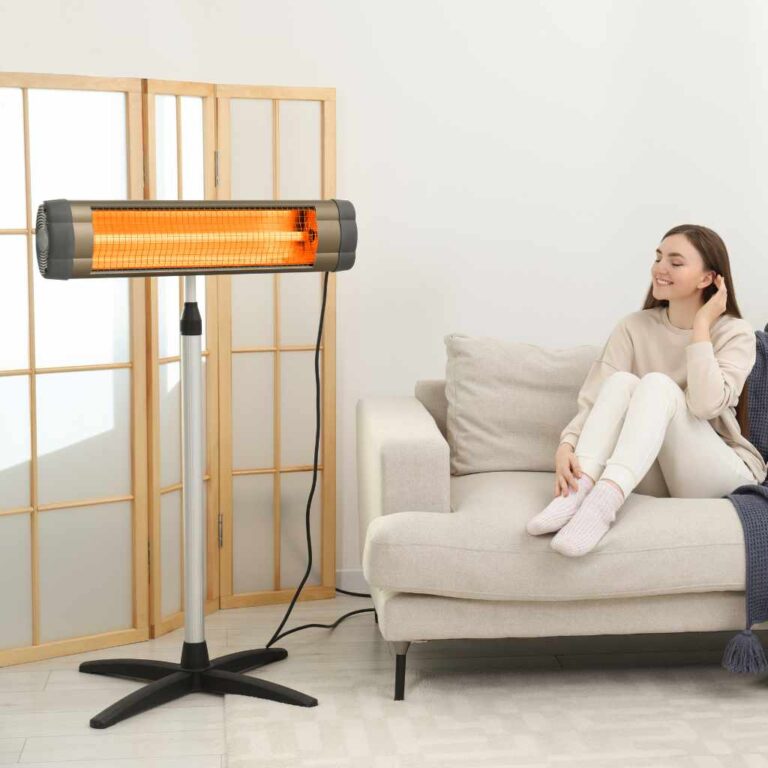
Infrared heaters work differently by emitting infrared radiation, which is a type of light that you can feel as heat. Unlike quartz heaters that heat the air, infrared heaters heat surfaces and objects directly. This means the heat is more consistent and can travel further, providing a more natural and ambient warmth throughout a larger area.
They are often used for heating patios, workshops, or entire rooms. The warmth from an infrared heater feels similar to the warmth of the sun on your skin.
The Science Behind Infrared Heat
Infrared radiation is part of the electromagnetic spectrum, invisible to the human eye but felt as heat. All objects with a temperature above absolute zero emit infrared radiation. An infrared heater essentially amplifies this by using a heating element (often ceramic, carbon fiber, or metal) that is specifically designed to emit a high percentage of its energy as infrared waves.
These waves travel in straight lines until they strike an object, where their energy is absorbed and converted into heat. This is why you feel warm standing in front of an infrared heater, even if the surrounding air is cool. It’s a very efficient way to transfer heat directly.
Types of Infrared Heaters
- Radiant Tube Heaters: These often use a U-shaped or straight tube that heats up and emits infrared waves. They are common in industrial settings and garages.
- Panel Heaters: These are flat panels that can be mounted on walls or ceilings, offering a sleek way to provide radiant heat.
- Ceramic Heaters: These use ceramic elements to generate heat and are known for their durability and ability to produce consistent radiant heat.
- Carbon Fiber Heaters: These utilize carbon fiber filaments, which are highly efficient at emitting infrared waves and are often found in more modern and stylish designs.
Benefits of Infrared Heating
Infrared heaters offer several advantages, especially for larger or less insulated spaces. They can provide a comfortable ambient temperature without drying out the air, as they don’t rely on heating the air itself. This makes them a good option for people with respiratory issues.
They also heat objects and people directly, meaning there’s less heat loss through drafts or open windows. This direct heating can create a cozy atmosphere and is particularly effective for outdoor spaces or areas with high ceilings where conventional heaters struggle to be effective. The heat feels natural and soothing.
Comparing Infrared Heater Technologies
Different materials used in infrared heaters offer unique performance characteristics. Ceramic elements are robust and provide a good balance of radiant heat and durability, often found in more affordable models. Carbon fiber elements are highly efficient, converting more energy into infrared radiation with less waste heat, leading to faster and more even heating.
Metal elements, often used in industrial applications, can be very powerful but might heat up unevenly. The choice of material impacts the heater’s efficiency, lifespan, and cost.
Installation and Placement Considerations
Proper installation and placement are crucial for maximizing the effectiveness of infrared heaters. For radiant tube heaters, they are often mounted overhead in garages or workshops, angled to direct heat towards the work area. Panel heaters can be placed on walls or ceilings, ensuring they are not obstructed.
It’s important to maintain a safe distance from flammable materials. For outdoor use, ensure the heater is rated for outdoor conditions and protected from direct rain or moisture. The goal is to have the infrared waves reach the desired occupants or objects without significant obstruction.
Quartz Heater vs Infrared Heater: Key Differences
The main distinction between quartz and infrared heaters lies in their heating mechanism and the resulting application. Quartz heaters excel at rapid, direct heating of objects and people in their immediate vicinity. They are best for quickly warming a small area or for temporary use.
Infrared heaters, on the other hand, emit infrared radiation that heats surfaces and objects more broadly, creating a more ambient and pervasive warmth. They are often preferred for heating larger spaces, outdoor areas, or when a more natural, sun-like heat is desired. Understanding these core differences helps in choosing the right one.
Heating Method Comparison
Quartz heaters primarily use convection and radiant heat from their hot quartz tubes. The tubes heat up, and this heat is then radiated outwards, while some also warms the air around it. Infrared heaters, as the name suggests, focus almost entirely on radiant heat.
They emit electromagnetic waves that directly warm anything they hit. This means an infrared heater can warm you even if the air around you is cool, whereas a quartz heater might warm the air slightly first before you feel the direct radiant heat. It’s like the difference between a campfire (radiant) and a hot air balloon’s burner (convective).
Effectiveness in Different Environments
Quartz heaters are typically best suited for indoor use in smaller, enclosed spaces like bedrooms, bathrooms, or small living areas. Their effectiveness diminishes significantly in drafty conditions or large, open areas. Infrared heaters, however, are much more versatile.
They perform exceptionally well in larger rooms, outdoor spaces like patios or decks, and areas with high ceilings or significant air circulation. Their ability to heat objects directly means they are less affected by drafts, making them a more practical choice for open-plan living or semi-outdoor settings.
Energy Consumption and Efficiency
When comparing energy consumption, it’s essential to consider the intended use. For quick, targeted heating of a small space for a short duration, a quartz heater can be very energy-efficient. You get immediate warmth without heating an entire room.
However, for sustained heating of a larger area, an infrared heater can be more efficient. Because they heat objects directly, less energy is lost warming the air. For example, heating a workshop where doors are frequently opened might be more cost-effective with an infrared heater that maintains a comfortable temperature on the surfaces and occupants.
Cost and Affordability
In terms of initial purchase price, quartz heaters are generally more affordable. You can find basic models for a relatively low cost, making them a budget-friendly option for basic heating needs. Infrared heaters can range from moderately priced for smaller panel units to quite expensive for high-powered, specialized outdoor or industrial models.
The price of infrared heaters often reflects their advanced technology, larger heating capacity, and premium materials like carbon fiber. When considering the Quartz Heater vs Infrared Heater: 2026 Local Price Guide, expect quartz options to be at the lower end of the spectrum.
Safety Aspects
Both types of heaters have safety considerations. Quartz heaters can get very hot to the touch and pose a burn risk if not handled carefully. Their exposed elements, though often guarded, can also be a fire hazard if they come into contact with flammable materials.
Infrared heaters also get hot, but their elements are typically enclosed within a panel or tube, reducing direct contact risk. However, like any heating appliance, proper clearance from combustible materials is essential. Always look for safety certifications like UL or ETL when purchasing any heater.
Quartz Heater vs Infrared Heater: 2026 Local Price Guide Insights
When you look at the Quartz Heater vs Infrared Heater: 2026 Local Price Guide, you’ll notice that prices can vary based on brand, features, and where you buy them. Generally, basic quartz heaters can be found starting from under $50, with more advanced models offering oscillating functions, multiple heat settings, and thermostats going up to $150 or more. Infrared heaters tend to start a bit higher, with small portable units available from around $70 to $100.
Larger wall-mounted or outdoor infrared heaters can easily cost $200 to $500 or more, depending on their power and build quality. Local sales and seasonal discounts can also influence these prices.
Typical Price Ranges for Quartz Heaters
For quartz heaters, you can expect to find a wide range of prices. Smaller, personal desk heaters or basic countertop models might cost between $30 and $60. Mid-range quartz heaters, often featuring more robust casings, tip-over protection, and adjustable thermostats, typically fall between $60 and $100.
Higher-end quartz heaters might include features like remote controls, multiple heat settings, timers, and oscillating bases, pushing their prices from $100 up to $150. The simplicity and widespread availability of quartz technology contribute to its generally lower cost.
Factors Influencing Quartz Heater Prices
- Brand Reputation: Well-known brands may charge a premium for their products due to perceived quality and customer service.
- Wattage and Heating Capacity: Higher wattage heaters capable of warming larger spaces will naturally cost more.
- Additional Features: Features like thermostats, timers, remote controls, oscillation, and safety shut-offs add to the overall cost.
- Build Quality and Materials: Heaters with more durable materials and better construction will typically be priced higher.
- Retailer and Location: Prices can vary between online retailers, big-box stores, and specialty appliance shops, as well as by geographic region.
Typical Price Ranges for Infrared Heaters
Infrared heaters present a broader price spectrum. Small, portable ceramic or carbon fiber infrared heaters suitable for a single person or a small personal space might be found between $70 and $130. Wall-mounted panel infrared heaters, designed for a single room, often range from $100 to $250.
For more powerful outdoor patio heaters or larger whole-room infrared heaters with advanced features like multiple heat settings and smart controls, prices can range from $200 up to $600 or even more for premium, high-output models. The technology and materials used in infrared heating contribute to their potentially higher cost.
Factors Influencing Infrared Heater Prices
The cost of infrared heaters is affected by several factors. The type of heating element—whether ceramic, carbon fiber, or quartz-like—plays a significant role. Carbon fiber, for instance, is more expensive but often more efficient.
The materials used for the housing, such as stainless steel for outdoor units, also increase the price. Wattage and heating coverage area are key; higher output heaters designed for larger spaces or outdoor use will cost more. Additional features like adjustable thermostats, remote controls, safety grills, and durability for outdoor or industrial use all contribute to the final price.
Making Your Choice
Choosing between a quartz heater and an infrared heater really depends on your specific needs. If you need to quickly warm up a small, confined space for a short period, like a bathroom before a shower or your immediate workspace, a quartz heater is likely your best bet. They are generally more affordable and provide instant, direct heat.
If you are looking to heat a larger area more evenly, create a comfortable ambient temperature, or need a solution for an outdoor space or a drafty room, an infrared heater is probably the better choice. They offer a gentler, more pervasive warmth.
When to Choose a Quartz Heater
Opt for a quartz heater if your primary concern is rapid, localized heating. They are excellent for quickly taking the chill off a small area. Imagine stepping into a cold bathroom; a quartz heater can make it comfortable in just a minute or two.
They are also great for personal heating at a desk or beside a favorite armchair. If budget is a major consideration, quartz heaters usually offer a more accessible entry point. Their portability makes them easy to move wherever that immediate blast of heat is needed most.
Scenario: Quick Bathroom Warm-Up
You wake up on a cold morning and need to use the bathroom. The room is freezing. You turn on your quartz heater, which is strategically placed outside the shower stall.
Within 60 seconds, the radiant heat from the quartz tubes warms the area around you and the immediate surfaces. You can get ready without feeling uncomfortably cold. The heater is then turned off until the next use, making it energy-efficient for this specific, short-term need.
When to Choose an Infrared Heater
An infrared heater is a superior option if you need to heat a larger room or an outdoor area. Think about warming up your patio for an evening gathering or making your garage a more comfortable place to work on a weekend. They provide a more consistent and natural-feeling heat that isn’t as affected by air movement.
If you’re sensitive to dry air or prefer a gentler form of warmth that mimics the sun, infrared is the way to go. They are also great for whole-room heating when you want to avoid the noise and air movement of fan-forced heaters.
Scenario: Cozy Outdoor Evening
You’re hosting friends on your deck as the sun sets and the temperature drops. You have an outdoor-rated infrared heater placed strategically. As your guests sit, the infrared waves gently warm them and the outdoor furniture.
Even with a slight breeze, the warmth remains pleasant because it’s heating objects and people directly, not just the air which the breeze would carry away. Everyone can stay comfortable and enjoy the evening without feeling a draft.
Comparing the 2026 Local Price Guide
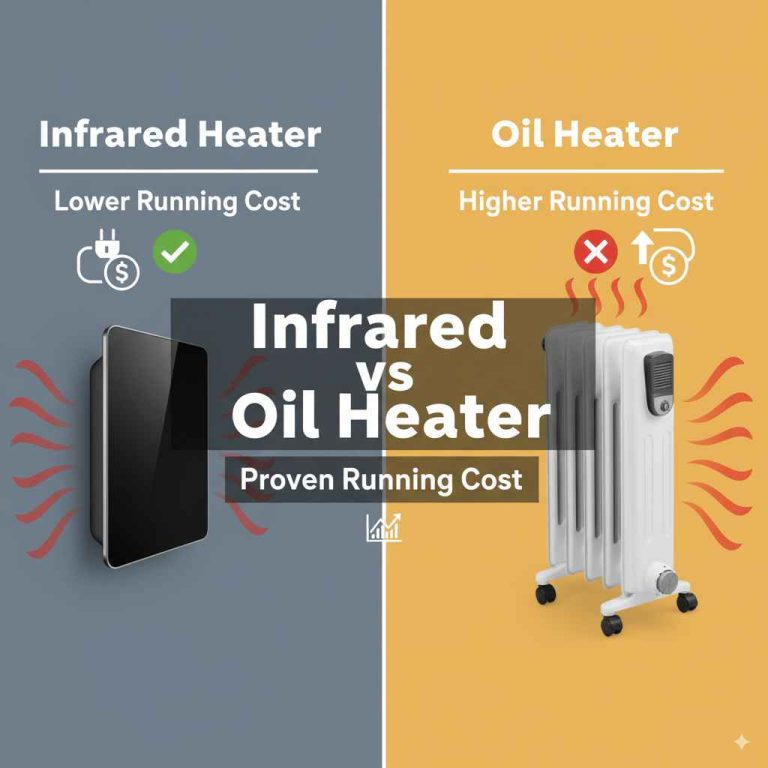
When you consult the Quartz Heater vs Infrared Heater: 2026 Local Price Guide, remember that the cheapest option isn’t always the best. A basic quartz heater might cost less upfront, but if you need to heat a large area consistently, you might end up spending more on electricity or needing multiple units. An infrared heater might have a higher initial cost, but its efficiency in larger spaces or outdoor settings could make it more economical in the long run.
Consider the running costs and how long you’ll use the heater.
Example Price Comparison Table
| Heater Type | Typical Price Range (USD) | Best For | Initial Cost | Running Cost (Estimate) |
|---|---|---|---|---|
| Quartz Heater (Basic) | $30 – $70 | Small rooms, spot heating, quick warm-ups | Low | Moderate (depends on usage) |
| Quartz Heater (Advanced) | $70 – $150 | Small to medium rooms, personal comfort | Moderate | Moderate (depends on usage) |
| Infrared Heater (Portable) | $70 – $130 | Personal comfort, small spaces, office | Moderate | Low to Moderate |
| Infrared Heater (Panel/Wall) | $100 – $250 | Medium to large rooms, consistent heating | Moderate to High | Low to Moderate |
| Infrared Heater (Outdoor/High Power) | $200 – $600+ | Patios, workshops, large open areas | High | Moderate (high output) |

Frequently Asked Questions
Question: Do quartz heaters heat the air or objects?
Answer: Quartz heaters primarily heat objects and people directly through infrared radiation, though some warming of the air around the element does occur. They are known for providing quick, targeted warmth.
Question: Are infrared heaters more energy-efficient than quartz heaters?
Answer: It depends on the application. For spot heating in small spaces, quartz heaters can be very efficient. For heating larger areas or outdoors where air movement is a factor, infrared heaters are often more energy-efficient because they heat surfaces and people directly.
Question: Which type of heater is better for a drafty room?
Answer: Infrared heaters are generally better for drafty rooms because they heat objects and people directly, making them less affected by air currents than heaters that rely on warming the air.
Question: Can I use an infrared heater outdoors?
Answer: Yes, many infrared heaters are specifically designed for outdoor use and are built to withstand the elements. Always check the product specifications to ensure it’s rated for outdoor conditions.
Question: Which is safer, a quartz heater or an infrared heater?
Answer: Both types require careful use. Quartz heaters can have exposed hot elements posing burn and fire risks if not used correctly. Infrared heaters typically have enclosed elements, but still require clearance from flammable materials.
Always follow safety guidelines.
Wrap Up
Choosing between quartz and infrared heaters is simple when you know their strengths. Quartz heaters offer fast, direct heat for small spaces and are budget-friendly. Infrared heaters provide a more ambient, pervasive warmth for larger areas or outdoors.
Consider your specific needs and budget from the Quartz Heater vs Infrared Heater: 2026 Local Price Guide to make the best choice.