Radiant vs Infrared Heater: Pro Tips for Local Homeowners
Choosing the right heater can feel tricky, especially with so many options. People often wonder about the difference between radiant and infrared heaters. It’s a common question for homeowners looking to stay warm and save money.
This guide breaks it all down simply. We’ll walk through everything step-by-step so you can pick the best one for your home. Let’s explore the Radiant vs Infrared Heater: Pro Tips for Local Homeowners and make your decision easy.
Radiant Heating Explained For Your Home
Radiant heating is a way to warm your home by sending heat waves directly to objects and people. Think of the sun warming your skin on a cool day; that’s radiant heat. Unlike forced-air systems that heat the air, radiant systems warm surfaces like floors, walls, and furniture.
This creates a more even and comfortable warmth throughout your living space. It’s a gentle and effective way to maintain a cozy atmosphere, especially in colder months. This section will explore how these systems work and their benefits for your house.
How Radiant Heating Systems Work
Radiant heating systems work by transferring heat through electromagnetic waves. These waves are absorbed by surfaces they strike, warming them up. The warmed surfaces then re-radiate heat, warming the surrounding air and objects.
This method is different from convection heating, which relies on circulating warm air. Radiant heat feels more direct and often more comfortable because it warms you from within, rather than just warming the air around you. It can also be more energy-efficient because it targets people and objects directly.
There are a few main types of radiant heating systems you might encounter. Hydronic systems use hot water pumped through pipes, often under floors. Electric radiant systems use electrical resistance wires, similar to those in an electric blanket, to generate heat.
Infrared heaters, a specific type of radiant heater, use infrared radiation to emit heat. Each type has its own installation process and application, making it important to understand their differences when considering them for your home.
Benefits of Radiant Heat
- Comfortable and Even Warmth
Radiant heat provides a consistent, comfortable temperature without the drafts or dry air often associated with forced-air systems. Because it warms surfaces directly, there are fewer cold spots. This makes rooms feel warmer at a lower thermostat setting, which can help reduce energy bills.
People often describe the warmth as a pleasant, cozy feeling that permeates the room. It’s like being in a sunbeam on a chilly afternoon, but it’s warm everywhere.
Improved Air Quality
Since radiant systems don’t blow air around, they don’t stir up dust, allergens, or other airborne particles. This can be a significant advantage for individuals with allergies, asthma, or other respiratory issues. The air remains cleaner and fresher because there’s no forced circulation carrying irritants throughout the house.
This makes for a healthier indoor environment for everyone in the home.
Energy Efficiency
Radiant heating can be very energy efficient. By warming objects and people directly, less energy is lost compared to heating the entire volume of air in a room. Hydronic systems, in particular, can be quite efficient as water holds heat well.
Electric radiant systems can also be efficient when used for zoning, heating only the areas that need it. This direct heating approach means your heating system works smarter, not harder.
Quiet Operation
Unlike furnaces with noisy fans, radiant heating systems are typically very quiet. Hydronic systems make little to no sound once installed, and electric radiant panels are also silent. This silent operation contributes to a more peaceful and relaxing home environment, free from the usual hum or rush of air from traditional heating units.
Types of Radiant Heating Systems
When we talk about radiant heating, we often think of different ways it’s delivered. The two main categories are hydronic and electric. Hydronic systems are popular for whole-house heating, especially in new constructions or major renovations.
Electric systems are often used for spot heating or in smaller spaces. Understanding these differences helps in choosing the best fit for your needs and budget.
Hydronic Radiant Heating
Hydronic radiant heating uses hot water that circulates through a network of pipes. These pipes are typically installed under floors, within walls, or in ceilings. A boiler or water heater heats the water, and a pump then moves it through the system.
As the warm water flows through the pipes, it heats the surrounding materials (like concrete or subflooring), which then radiate heat into the room. This creates a very even and consistent heat distribution.
Hydronic systems are known for their comfort and efficiency. They provide a gentle, pervasive warmth that is highly desirable. Installation can be more complex and expensive, especially in existing homes.
However, for new builds or major remodels, they are an excellent choice for a comfortable and energy-saving heating solution. The initial investment can be higher, but the long-term benefits in comfort and operational costs are significant for many homeowners.
Electric Radiant Heating
Electric radiant heating systems use electricity to generate heat, often through heating elements or wires. These can be found in various forms, such as electric radiant floor mats, panels that mount on walls or ceilings, or even portable electric radiant heaters. They are generally simpler and less expensive to install than hydronic systems, making them a good option for smaller areas or for adding supplemental heat.
While simpler to install, electric radiant heating can sometimes be more expensive to operate than hydronic systems, depending on local electricity rates. However, for localized heating needs, like warming a specific bathroom floor or a small workshop, they are incredibly effective and convenient. The ability to heat just one area means you don’t waste energy on unoccupied spaces.
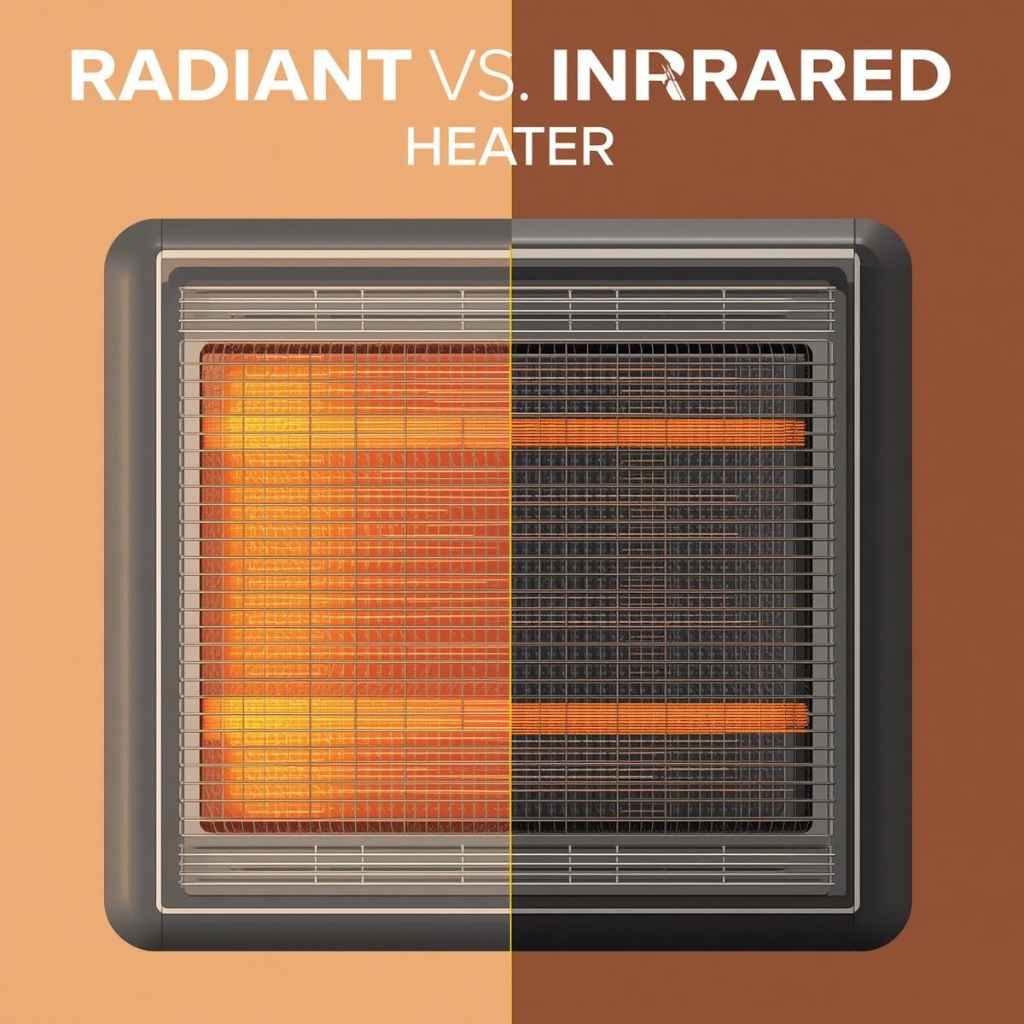
Infrared Heaters Explained For Your Home
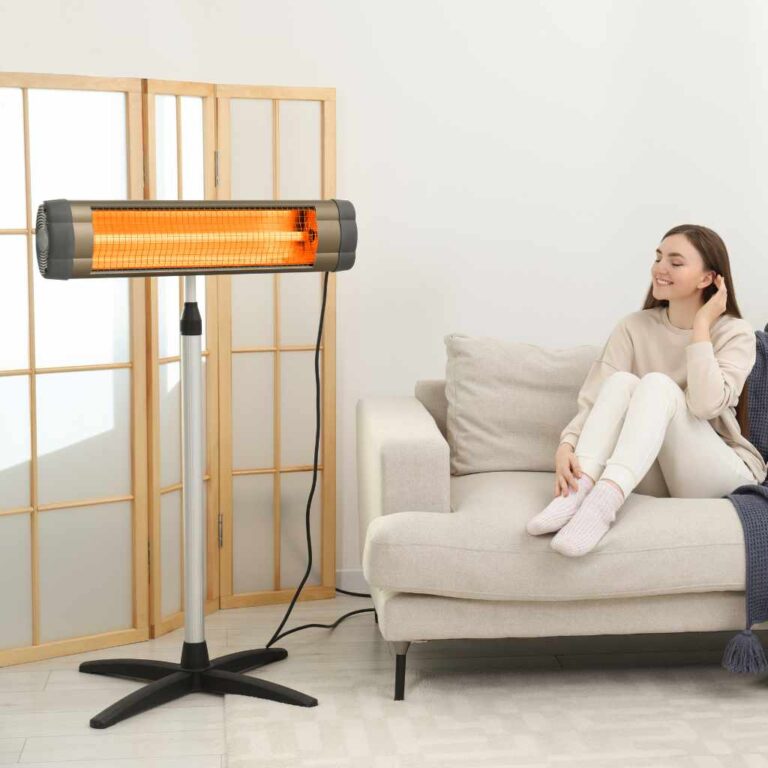
Infrared heaters are a specific type of radiant heater that works by emitting infrared radiation. This radiation travels in waves and directly heats objects and surfaces it encounters, similar to how the sun warms your face. Unlike traditional heaters that warm the air first, infrared heaters bypass the air and directly heat you and the things in the room.
This makes them very efficient for targeted heating. This section will explore what infrared heaters are and how they can be a great option for many homes.
How Infrared Heaters Work
Infrared heaters produce radiant heat using electromagnetic waves within the infrared spectrum. When these waves strike an object, such as a person, furniture, or a wall, the energy is absorbed, and the object’s temperature increases. This process is known as direct heat transfer.
It’s distinct from convection heating, which warms the air that then circulates around the room. Because infrared heat doesn’t rely on air movement, it’s not affected by drafts and can heat effectively even in large or high-ceilinged spaces.
The effectiveness of infrared heating is evident in its ability to provide warmth almost instantly. As soon as the heater is turned on, you feel the heat. This immediate response makes them ideal for situations where you need quick warmth, like an outdoor patio or a garage.
The intensity of the heat can be adjusted, allowing for precise control over the comfort level in the heated area. This makes them a versatile heating solution for various applications.
Types of Infrared Heaters
Infrared heaters come in several forms, designed for different uses and environments. From small, portable units to large industrial models, there’s an infrared heater for almost any need. Understanding these types can help you choose the best one for your specific heating requirements, whether it’s for personal comfort or a larger space.
Electric Infrared Heaters
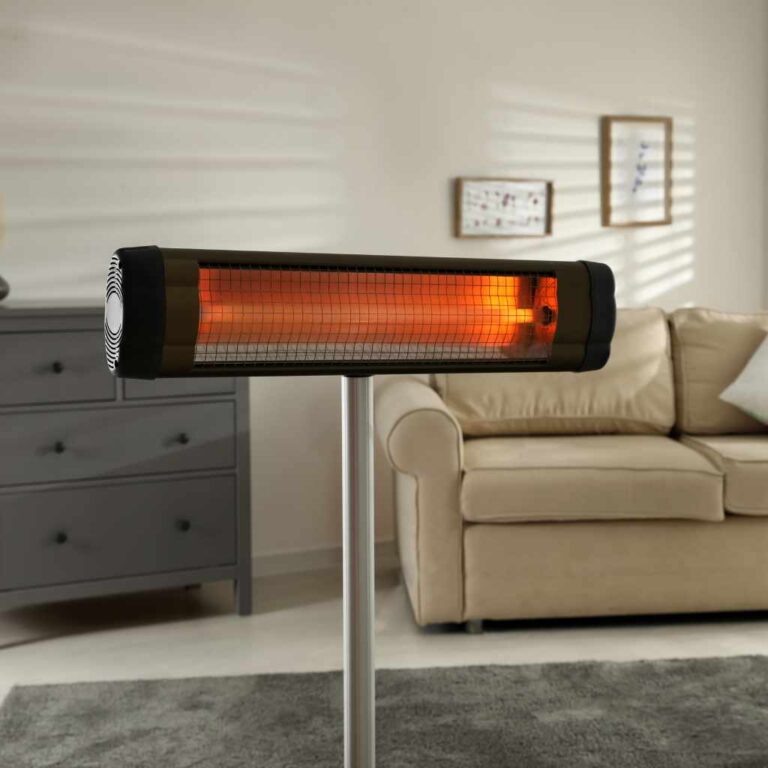
These are the most common type for home use. They use electricity to heat a resistant element, which then emits infrared radiation. They come in various shapes and sizes, including wall-mounted panels, portable floor models, and ceiling-mounted units.
Electric infrared heaters are easy to install and operate, making them a popular choice for supplemental heating or for specific rooms.
Propane or Natural Gas Infrared Heaters
These heaters burn gas to produce heat, which is then emitted as infrared radiation. They are often used in commercial settings like garages, workshops, or outdoor patios where electricity might be less accessible or more costly. They require proper ventilation due to combustion byproducts.
Their powerful heating capabilities make them suitable for large, open areas that need significant warmth.
Ceramic elements are often used in electric infrared heaters to achieve high temperatures quickly. These elements radiate heat efficiently and are durable. They are a common component in many portable and fixed infrared heating units found in homes and businesses.
The ceramic material helps in generating and radiating heat effectively and consistently.
Advantages of Infrared Heating
Infrared heaters offer several compelling advantages that make them a strong contender for home heating. Their unique method of heating provides benefits that traditional systems often lack. These advantages contribute to their growing popularity among homeowners seeking efficient and comfortable warmth.
Instantaneous Heat
One of the biggest draws of infrared heaters is their ability to provide heat almost immediately. When you turn on an infrared heater, you feel the warmth within seconds. This is because the infrared waves travel directly to you, warming your body rather than the air.
This instant gratification is perfect for quick comfort on a cold morning or in spaces that are used intermittently.
Targeted Heating
Infrared heaters excel at heating specific areas. You can direct the heat precisely where you need it, warming people and objects in the path of the radiation. This is incredibly efficient, as you don’t waste energy heating empty spaces or the air itself.
This targeted approach can lead to significant energy savings, especially when heating only occupied zones.
No Air Movement or Noise
Unlike forced-air systems, infrared heaters operate silently and without moving air. This means no dust, allergens, or odors are circulated, making them ideal for people with allergies or respiratory sensitivities. The quiet operation also contributes to a more peaceful and relaxing home environment, free from the hum of fans or the rush of air.
Energy Efficiency for Specific Uses
While overall energy efficiency can depend on usage patterns and electricity costs, infrared heaters are highly efficient for spot heating and zone heating. By heating only the areas that need it, you can reduce your overall energy consumption compared to heating an entire house with a central system. This makes them a cost-effective choice for supplemental warmth.
Radiant vs Infrared Heater Pro Tips for Local Homeowners
For local homeowners, understanding the nuances between radiant and infrared heaters is key to making the best choice for their comfort and budget. Both offer excellent heating solutions, but they cater to different needs and preferences. This section offers practical advice to help you decide which type is best for your home.
We’ll look at factors like installation, cost, and ideal use cases.
Key Differences to Consider
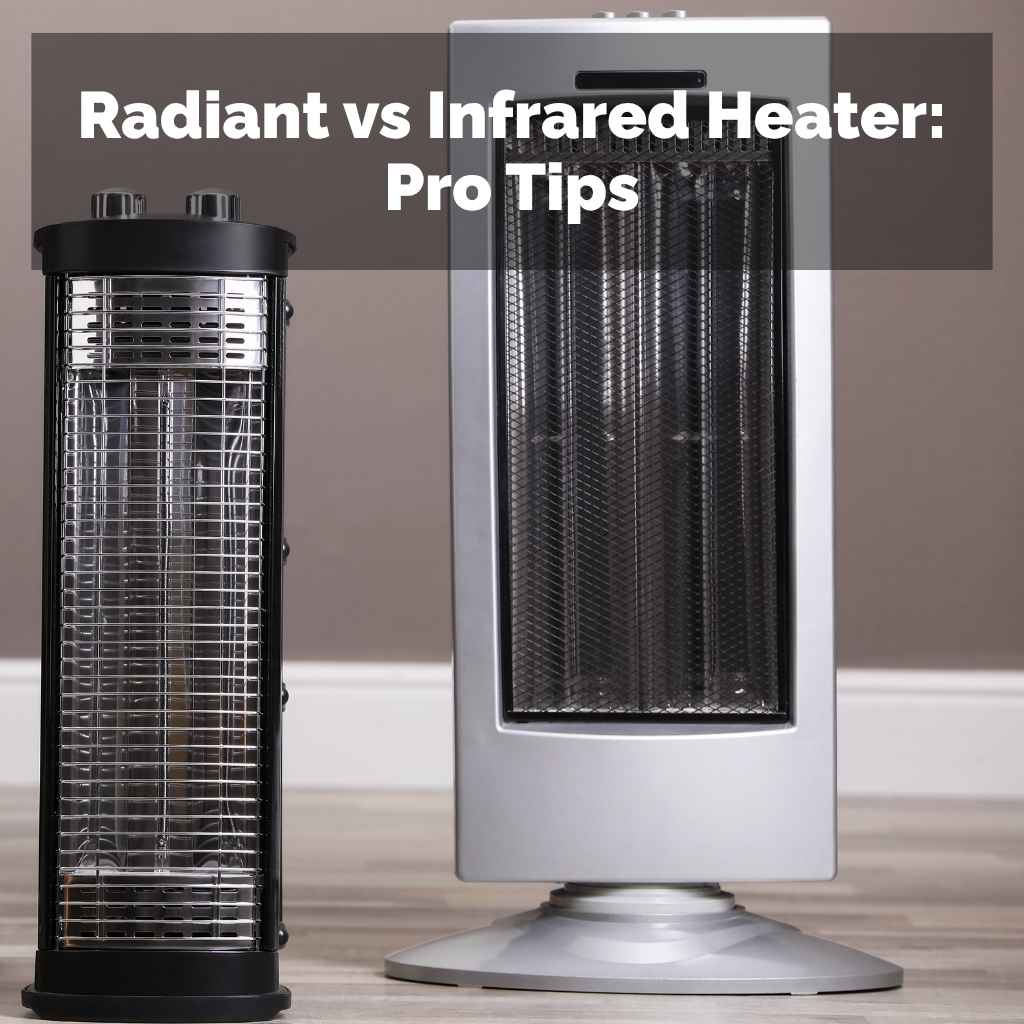
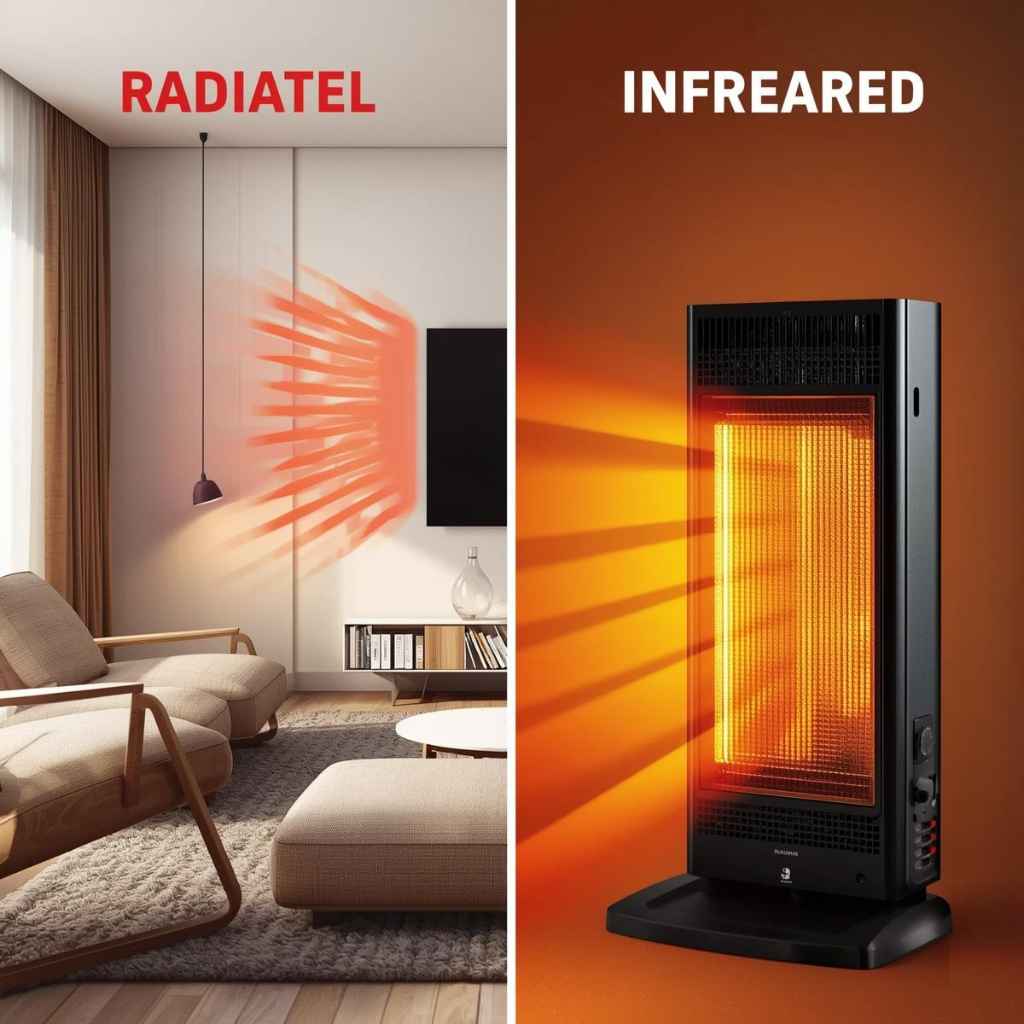
The main distinction lies in how they deliver heat. Radiant heat, in a broader sense, warms objects and surfaces, which then re-radiate warmth. Infrared is a type of radiant heat, specifically the kind that uses electromagnetic waves to directly warm things.
This difference impacts how quickly you feel the heat, how evenly it’s distributed, and where each type is best suited for your home. Thinking about these fundamental differences will guide your decision-making process effectively.
Heat Delivery Mechanism
Radiant heating systems, like hydronic floor heating, warm up entire surfaces like floors or walls. These warmed surfaces then radiate heat outwards. This process takes a little time to warm up the mass of the floor or wall.
Infrared heaters, on the other hand, emit infrared radiation that travels in straight lines and instantly heats any object in its path. You feel the warmth the moment the infrared waves reach you. This direct heating is very different from the more diffused warmth of a general radiant system.
Consider the experience: with hydronic radiant floors, the warmth feels like it’s coming from the ground up, a pervasive and gentle heat. With an infrared heater, you feel a distinct warmth on your skin, as if standing near a campfire. This immediate, directional heat is a hallmark of infrared technology.
Understanding this fundamental difference in heat delivery is crucial for choosing a system that matches your expectations for comfort and performance in your local climate.
Installation and Costs
Installation of radiant systems, particularly hydronic underfloor heating, is a significant undertaking. It often involves embedding pipes within concrete slabs or beneath flooring materials. This makes it a better fit for new constructions or major renovations.
The initial cost can be substantial, but operating costs are often lower due to high efficiency.
Infrared heaters are generally much easier and less expensive to install. Many are plug-and-play devices, while wall or ceiling mounted units require basic electrical work. This makes them ideal for retrofitting existing homes or for adding localized heating.
The upfront cost is typically lower than full radiant systems, but operating costs can be higher for electric models depending on energy prices.
Choosing the Right Heater For Your Home
The decision between radiant and infrared heaters often comes down to the specific needs of your home and how you plan to use the heating. Are you looking for whole-house comfort or targeted warmth for specific areas? Are you undertaking a major renovation or simply looking for a quick fix for a chilly room?
Answering these questions will point you in the right direction.
Whole-House Heating Solutions
For a comprehensive, whole-house heating solution that provides consistent, comfortable warmth, hydronic radiant floor heating is often the top choice. It offers an unparalleled level of comfort, quietly and efficiently warming your entire home from the ground up. While the initial investment is higher, the long-term benefits in terms of energy savings and indoor air quality are significant.
Imagine walking on warm floors on a cold winter morning, a feeling of consistent coziness throughout your home. This is the experience hydronic radiant heating provides. It eliminates the cold spots and drafts common with forced-air systems.
For homeowners building a new home or undertaking a significant remodel, integrating hydronic radiant heating is a decision that pays dividends in comfort and quality of life for years to come.
Spot Heating and Supplemental Warmth
Infrared heaters are excellent for providing supplemental heat or for warming specific zones. If you have a room that’s always colder than the rest of the house, or an outdoor living space that you want to make more comfortable, an infrared heater is a great option. Their ability to provide instant, targeted heat makes them highly effective for these purposes.
They can also be used to extend the usability of outdoor areas.
For instance, a patio infrared heater can allow you to enjoy your deck or balcony on cool evenings, extending your entertaining season. Inside, a small electric infrared heater can quickly warm up a chilly basement den or a drafty sunroom. The convenience and directness of the heat make them a practical choice for addressing localized comfort issues without needing to run your main heating system at a higher setting.
Pro Tips for Local Homeowners
As a local homeowner, you have specific considerations for your heating choices. Understanding your local climate, energy costs, and available incentives can influence your decision. Here are some expert tips to help you make the most informed choice regarding radiant and infrared heaters.
Assess Your Climate and Insulation
Your local climate plays a huge role. If you experience long, very cold winters, a robust system like hydronic radiant floor heating might be a worthwhile investment for consistent warmth. For milder climates or homes with excellent insulation, supplemental infrared heating might be sufficient for most needs.
Proper insulation in your home is crucial for any heating system to be efficient. It keeps the heat where you want it.
Evaluate Local Energy Costs
The cost of electricity versus natural gas or propane in your area will significantly impact your operating expenses. Electric infrared heaters are convenient but can be costly to run if electricity rates are high. Hydronic systems often use boilers fueled by natural gas, which can be more economical in some regions.
Investigate your local utility rates to calculate potential long-term costs.
Consider Installation Complexity and Budget
Be realistic about your budget and the scope of any renovation. Installing a full radiant floor system requires a substantial upfront investment and significant construction work. Portable or wall-mounted infrared heaters are much more affordable and easier to install, making them a great option for immediate relief without major disruption.
Think about whether you’re remodeling or just need to warm a specific spot.
Think About Zoning and Control
Both radiant and infrared systems can offer excellent zoning capabilities. Radiant systems can be divided into zones controlled by thermostats, allowing you to heat different areas of your home independently. Many infrared heaters also come with their own controls or can be integrated into smart home systems for precise temperature management.
This allows you to only heat areas that are in use, saving energy.
Consult Local HVAC Professionals
Don’t hesitate to reach out to local heating and cooling experts. They can assess your home’s specific heating needs, advise on the best system types for your region, and provide quotes for installation. Local professionals understand the climate and building codes, offering invaluable insights.
They can also recommend trusted brands and installers.
Radiant vs Infrared Heater Comparison for Local Homes
To help solidify your understanding, let’s compare radiant and infrared heaters side-by-side. This comparison focuses on key features that are most relevant to homeowners looking to make an informed decision. By looking at them together, you can more easily see which system aligns best with your priorities.
| Feature | Radiant Heating (General, e.g., Hydronic Floors) | Infrared Heaters |
|---|---|---|
| Heat Type | Warms objects and surfaces which then radiate heat. Provides gentle, pervasive warmth. | Emits infrared radiation that directly heats objects and people. Provides instant, targeted warmth. |
| Speed of Heat | Slower to warm up (heats mass), but maintains warmth longer. | Instantaneous heat delivery upon activation. |
| Distribution | Even, consistent warmth throughout the room, eliminating drafts and cold spots. | Heat is directional; effective in the path of the radiation. Less effective in large, open spaces without multiple units. |
| Installation | Complex and costly, best for new builds or major renovations (e.g., underfloor systems). | Simple and cost-effective, suitable for retrofits and spot heating (e.g., portable, wall/ceiling mounted). |
| Operating Cost | Generally very energy efficient, especially hydronic systems, leading to lower long-term costs. | Can be energy efficient for spot heating. Electric models can be more expensive to run than gas if electricity prices are high. |
| Air Quality Impact | Improves air quality by not circulating dust or allergens. | Does not circulate air, thus no dust or allergen disturbance. |
| Noise Level | Very quiet, virtually silent operation. | Silent operation. |
| Best Use Case | Whole-house primary heating, creating ultimate comfort. | Supplemental heating, spot heating, zone heating, outdoor areas, quick warmth needs. |
Understanding Heat Transfer Differences
The fundamental difference is how heat is transferred. Radiant floor systems heat the concrete slab or subfloor. This mass then slowly releases heat into the room.
It’s like a warm hug for your house. Infrared heaters use waves that bounce off surfaces. They don’t heat the air much; they heat you.
This is why you feel warmth so quickly with an infrared unit.
This direct heat transfer by infrared means that while you feel warm immediately, the room’s air temperature might not rise significantly. This can be an advantage if you only need to feel comfortable for short periods, like sitting in your living room for a few hours. However, if you want the entire room to feel toasty warm, a radiant system that heats the air through secondary radiation from warmed surfaces is generally better suited.
Impact on Home Value and Comfort
Installing a whole-house radiant heating system, particularly hydronic floor heating, can significantly increase the perceived value and desirability of your home. It’s often seen as a premium feature that enhances comfort and can be a strong selling point. Buyers appreciate the consistent warmth and potential energy savings.
Infrared heaters, while providing excellent comfort, are typically viewed as a supplementary heating solution rather than a primary system. Their impact on home value is generally less direct. However, the comfort they provide in specific areas, like a master bathroom or a basement family room, can greatly enhance the livability of your home, making it more enjoyable to live in.
Frequently Asked Questions
Question: Are infrared heaters good for whole house heating
Answer: Infrared heaters are generally best for spot heating or supplemental warmth rather than whole-house heating. While multiple units can heat larger areas, they don’t typically provide the same even, ambient warmth as a central radiant system. They heat objects directly, so if there’s no object in the path of the infrared waves, it won’t get warm.
For consistent, whole-home comfort, a radiant floor system or a well-designed central heating system is usually a better choice.
Question: Can radiant floor heating be installed in an existing home
Answer: Yes, radiant floor heating can be installed in existing homes, but it can be more complex and costly than in new construction. For renovations, systems can often be installed either between floor joists from below or as a thin overlay on top of an existing subfloor. These methods require careful planning and specialized installation to ensure proper performance and avoid raising floor levels too much.
Question: How quickly do infrared heaters warm a room
Answer: Infrared heaters provide heat almost instantly. As soon as you turn them on, they begin emitting infrared radiation that directly warms people and objects in their path. You can typically feel the warmth within seconds, making them ideal for quick comfort in specific areas or for outdoor spaces where you need immediate heat.
Question: Which is more energy efficient radiant or infrared
Answer: Both can be energy efficient, but it depends on how they are used. Radiant floor heating (especially hydronic) is very efficient for whole-house heating because it provides consistent warmth with less energy loss. Infrared heaters are highly efficient for spot heating because they only warm the areas that need it, avoiding wasted energy on empty spaces.
For overall home heating, radiant systems often have an edge in efficiency.
Question: Do infrared heaters dry out the air
Answer: No, infrared heaters do not dry out the air. Unlike forced-air systems that heat and circulate air, which can reduce humidity, infrared heaters warm objects directly. They do not affect the moisture content of the air, so they maintain a more comfortable humidity level in the room.
Wrap Up
Deciding between radiant and infrared heaters depends on your home’s needs. Radiant systems offer pervasive, comfortable whole-house warmth, ideal for renovations or new builds. Infrared heaters deliver instant, targeted heat, perfect for supplemental warmth or specific areas.
Consider your local climate, energy costs, and budget. Choose the system that best fits how you want to feel warm and cozy.