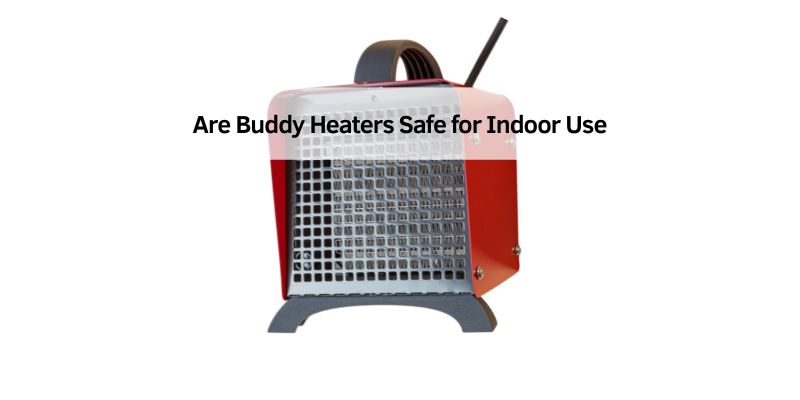
Are Buddy Heaters Safe for Indoor Use?
Hey there! If you’re like me, you’ve probably felt that chill in your home or camper during a cold winter night and wondered how to stay warm without breaking the bank. That’s when I stumbled across Buddy Heaters—portable, propane-powered heaters that promise to keep you toasty. But here’s the big question that kept nagging at me: Are Buddy Heaters safe for indoor use? I mean, we’re talking about burning propane inside, so it’s natural to feel a bit cautious. I’ve spent a lot of time researching and even testing these heaters myself, and I’m excited to share what I’ve learned.
For the safety side of the same topic, Are Mr Heaters Safe For Indoor Use: Essential Guide gives readers a useful next check before they use the heater.
For the safety side of the same topic, Are Buddy Heaters Safe in Tents? Hidden Risks Explained gives readers a useful next check before they use the heater.
Let’s dive into everything you need to know about using Buddy Heaters safely indoors, from how they work to the precautions you should take. By the end, you’ll feel confident about whether a Buddy Heater is right for you.
What Are Buddy Heaters, Anyway?
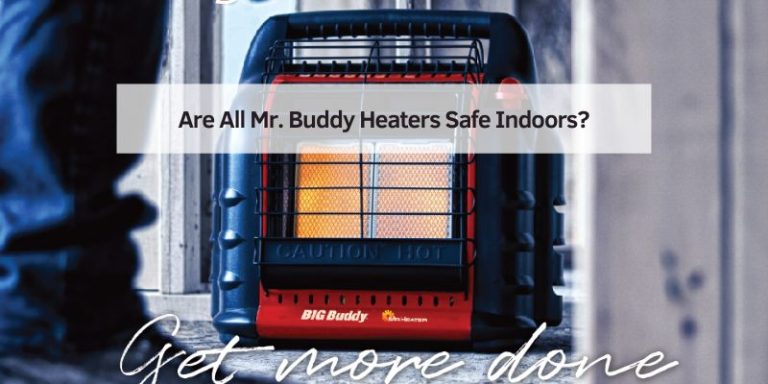
Picture this: a compact, lightweight heater that you can carry with one hand, plug in a small propane canister, and boom—you’ve got warmth. That’s a Buddy Heater, made by Mr. Heater, a brand that’s been around for years. These portable heaters come in different sizes, like the Little Buddy (4,000 BTUs), the Portable Buddy (4,000–9,000 BTUs), and the Big Buddy (4,000–18,000 BTUs). They’re designed to heat small spaces—think a tent, a garage, a small cabin, or even a room in your house—up to about 450 square feet for the bigger models.
I first came across a Buddy Heater when I was camping in a tent during a chilly fall weekend. My friends swore by it, saying it kept them warm without needing a campfire. But I couldn’t help wondering if it was safe to use in such a confined space. These heaters run on propane, which burns to produce heat. That’s great for warmth, but it also raises concerns about carbon monoxide, ventilation, and fire risks. So, let’s break it down and see how safe they really are.
How Do Buddy Heaters Work?
To understand the safety of Buddy Heaters, it helps to know how they function. They’re radiant heaters, meaning they use a ceramic burner to produce heat from burning propane. You attach a propane canister—usually a 1-pound bottle—or connect it to a larger tank with a hose. A simple knob lets you control the heat output, from low to high, depending on the model.
What makes Buddy Heaters stand out is their built-in safety features. They have an Oxygen Depletion Sensor (ODS) that shuts the heater off if oxygen levels in the room drop too low. There’s also a tip-over shutoff that turns the unit off if it gets knocked over. I tested this once by gently nudging my Portable Buddy, and sure enough, it shut off instantly. These features gave me some peace of mind, but I still wanted to dig deeper into whether they’re truly safe for indoor use.
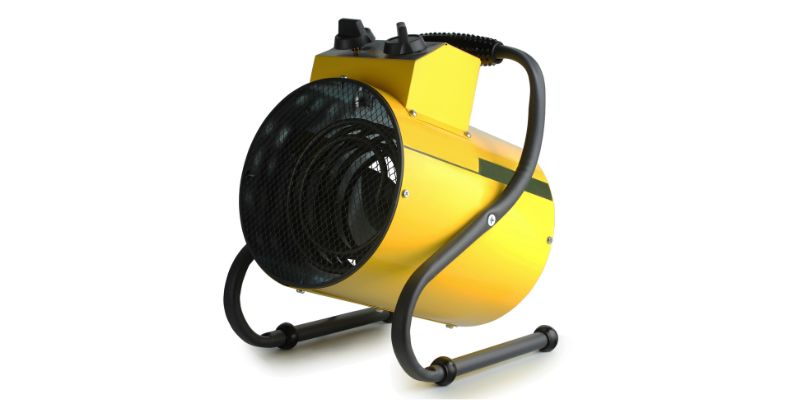
Are Buddy Heaters Safe for Indoor Use?
Here’s the short answer: Yes, Buddy Heaters are safe for indoor use if you follow the manufacturer’s guidelines and take proper precautions. The longer answer? It depends on how you use them. Let me share what I’ve learned from my own experience and research.
Buddy Heaters are certified for indoor use in many places, but there’s a catch. Propane burns clean compared to something like kerosene, but it still produces carbon monoxide (CO), a colorless, odorless gas that can be dangerous in high amounts. The good news is that Buddy Heaters are designed with that ODS I mentioned earlier, which monitors oxygen levels and shuts the heater off if things get risky. I’ve used my Portable Buddy in a small garage, and I always keep a carbon monoxide detector nearby, just to be extra safe. In all my uses, the detector never went off, which was reassuring.
Still, safety isn’t just about the heater’s features. It’s about how you set it up and where you use it. For example, I learned the hard way that you need to keep the area around the heater clear. Once, I left a blanket too close, and while nothing caught fire, it was a reminder to be careful. Let’s look at the key factors that make Buddy Heaters safe—or risky—if you don’t use them right.
Key Safety Features of Buddy Heaters
Buddy Heaters come with some impressive safety features that make them stand out from other portable heaters. Here’s what I found:
- Oxygen Depletion Sensor (ODS): This is a game-changer. If oxygen levels drop below a safe threshold (usually around 18–19%), the heater shuts off automatically. This helps prevent carbon monoxide buildup, which can happen when there’s not enough oxygen for complete combustion.
- Tip-Over Shutoff: If the heater gets bumped or tipped over, it turns off instantly. I’ve seen this in action, and it works like a charm. It’s especially helpful if you have kids or pets running around.
- Thermal Shutoff: Some models have a sensor that shuts the heater off if it gets too hot. This is great for preventing overheating, especially in small spaces.
- Certified for Indoor Use: Most Buddy Heaters are certified by organizations like CSA International for safe indoor use in the U.S., as long as you follow the instructions. However, local laws vary, so I always check my state and county regulations before using one indoors.
These features make Buddy Heaters a solid choice, but they’re not foolproof. You still need to use them responsibly, which brings me to the next point.
Potential Risks of Using Buddy Heaters Indoors
I’ll be honest—when I first started using my Buddy Heater, I was nervous about carbon monoxide and fire risks. Propane heaters, in general, have a bit of a bad rap because of older models that lacked safety features. Here are the risks I considered and how I addressed them:
- Carbon Monoxide (CO) Production: Any fuel-burning device, including Buddy Heaters, produces CO. In a well-ventilated space, this isn’t a big deal because the CO disperses. But in a tightly sealed room, it can build up. That’s why I always crack a window or door when using my heater indoors. It’s a simple step, but it makes a huge difference.
- Fire Hazard: Buddy Heaters get hot—really hot. The radiant surface can ignite flammable materials if they’re too close. I make it a rule to keep at least three feet of clear space around my heater. No curtains, no blankets, no clutter.
- Propane Leaks: A faulty connection or damaged canister could lead to a propane leak, which is a fire risk. I always check the connections before lighting my heater and store propane canisters in a cool, dry place when not in use.
- Moisture Buildup: Propane combustion produces water vapor, which can lead to condensation in poorly insulated spaces like tents or campers. I noticed some dampness in my tent once, so now I make sure to ventilate well to avoid mold or mildew.
By being aware of these risks and taking precautions, I’ve used my Buddy Heater safely for years. But let’s talk about how to make sure you’re using yours the right way.
How to Use a Buddy Heater Safely Indoors
Using a Buddy Heater indoors is straightforward if you follow some basic rules. Here’s what I do every time I fire mine up:
- Read the Manual: I know, manuals are boring, but the one that comes with your Buddy Heater has critical info. It tells you exactly how to set it up, light it, and store it safely.
- Ventilate the Space: Even with the ODS, I always crack a window or door to let fresh air in. This keeps oxygen levels up and CO levels down. In my 200-square-foot garage, I leave a window open about an inch, and that’s been enough.
- Use a Carbon Monoxide Detector: I can’t stress this enough. A battery-powered CO detector is cheap and could save your life. I place mine at face level, where I’m sitting or sleeping, to get accurate readings.
- Keep It Clear: Make sure nothing flammable is near the heater. I keep a three-foot radius free of anything that could catch fire, like furniture, clothing, or paper.
- Check for Leaks: Before lighting the heater, I check the propane canister and connections for any hissing sounds or the smell of gas. If something feels off, I don’t light it until I’m sure it’s safe.
- Don’t Leave It Unattended: I never leave my Buddy Heater running if I’m not in the room. And I definitely don’t let it run while I’m sleeping, even though some people say they do this with a CO detector. It’s just not worth the risk for me.
- Use the Right Fuel: Stick to the propane canisters or tanks recommended by Mr. Heater. Using the wrong type could cause problems with the burner or connections.
Here’s a quick table summarizing these safety tips:
| Safety Tip | Why It Matters |
|---|---|
| Read the manual | Ensures you understand setup, operation, and safety instructions. |
| Ventilate the space | Prevents CO buildup and maintains oxygen levels. |
| Use a CO detector | Alerts you to dangerous CO levels before they become a problem. |
| Keep flammable items away | Reduces the risk of fire from the hot radiant surface. |
| Check for propane leaks | Prevents fire or explosion from leaking gas. |
| Don’t leave unattended | Minimizes risks if something goes wrong while you’re not watching. |
| Use recommended fuel | Ensures the heater operates safely and efficiently. |
Following these steps has made me feel confident using my Buddy Heater indoors, whether it’s in my garage or a camper. But there are a few places where you need to be extra cautious.
Where Can You Use Buddy Heaters Indoors?
Buddy Heaters are versatile, but not every indoor space is ideal. Here’s what I’ve learned about where they work best—and where they don’t:
- Garages and Workshops: These are perfect for Buddy Heaters. My 200-square-foot garage heats up in about 20 minutes with my Portable Buddy on high. Just make sure the space is well-ventilated, as garages can be drafty but still need fresh air.
- Campers and Tents: I’ve used my Little Buddy in a tent, and it’s a lifesaver on cold nights. But you need to be extra careful in these small, enclosed spaces. I always crack a vent or window and keep a CO detector nearby.
- Small Rooms in Homes: If your home has a room without central heating, a Buddy Heater can work well. I’ve used mine in a 150-square-foot spare room during a power outage, and it kept things cozy. Just follow the ventilation and clearance rules.
- Places to Avoid: Some places, like high-rise apartments or buildings with strict propane regulations, might ban Buddy Heaters. I always check local laws before using mine in a new location. Also, avoid using them in tiny, unventilated spaces like closets or bathrooms—there’s just not enough airflow.
One thing to note: If you’re at a high altitude (above 7,000 feet), the ODS might shut off more frequently because oxygen levels are naturally lower. I haven’t tested mine in the mountains, but the manual warns about this.
Comparing Buddy Heaters to Other Indoor Heating Options
When I was deciding whether to get a Buddy Heater, I compared it to other options like electric heaters, kerosene heaters, and wood stoves. Here’s how they stack up based on my experience:
- Electric Heaters: These are super safe indoors since they don’t produce CO or require fuel. But they need electricity, which isn’t always available during outages or while camping. My Buddy Heater is more portable and doesn’t rely on a power outlet.
- Kerosene Heaters: These are powerful but smellier and produce more CO than propane heaters. They also lack the safety features of Buddy Heaters, like the ODS. I tried a kerosene heater once, and the odor was too much for me indoors.
- Wood Stoves: Great for cabins, but they’re not portable, and they require constant tending. Plus, they produce a lot of smoke and CO if not vented properly. My Buddy Heater is way easier to manage.
For me, the Buddy Heater strikes the perfect balance of portability, safety, and heat output for small spaces. But it’s not a one-size-fits-all solution, so think about your specific needs before choosing.
My Personal Experience with Buddy Heaters
Let me share a quick story. Last winter, we had a power outage during a snowstorm, and my house got freezing cold. I pulled out my Portable Buddy, set it up in the living room with a cracked window, and placed a CO detector nearby. Within 30 minutes, the room went from 55°F to a cozy 70°F. The heater ran smoothly, and the safety features gave me confidence. I kept it on low overnight (while awake, of course) and stayed warm without any issues. That experience sold me on Buddy Heaters, but it also reminded me to stay vigilant about safety.
Another time, I used my Little Buddy in a tent while camping. It was amazing how quickly it warmed up the space, but I noticed some condensation on the tent walls. Now, I always make sure to ventilate more when using it in such tight quarters.
Common Myths About Buddy Heaters
There are a few myths floating around about Buddy Heaters that I want to clear up:
- Myth 1: They’re 100% Safe with No Risks. Nope. While they have great safety features, you still need to follow precautions like ventilating and using a CO detector.
- Myth 2: You Can Use Them Anywhere Indoors. Not true. Some places have laws against propane heaters, and tiny spaces without ventilation are a no-go.
- Myth 3: They Don’t Produce CO. They do produce CO, but the ODS and proper ventilation keep it from becoming dangerous.
Being aware of these myths helped me use my heater more responsibly.
Tips for Choosing the Right Buddy Heater
If you’re thinking about getting a Buddy Heater, here are some tips based on my experience:
- Pick the Right Size: The Little Buddy is great for tents or very small spaces (up to 100 square feet). The Portable Buddy handles up to 225 square feet, and the Big Buddy can heat up to 450 square feet. I use the Portable Buddy most often because it’s versatile.
- Consider Fuel Options: A 1-pound canister is convenient but lasts only 3–6 hours. For longer use, like in a cabin, I connect mine to a 20-pound tank with a hose for days of heat.
- Check Local Laws: Before buying, make sure propane heaters are allowed where you live. Some cities or apartments ban them.
- Look for Accessories: A carrying case or a hose for larger tanks can make your Buddy Heater even more convenient.
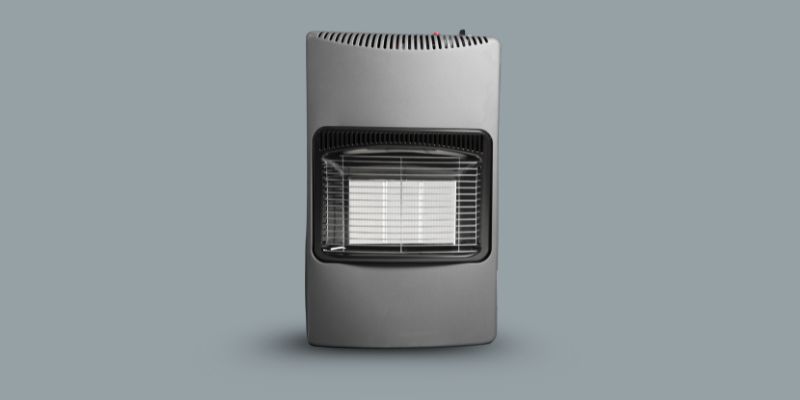
Conclusion
So, are Buddy Heaters safe for indoor use? From my experience, the answer is a resounding yes—as long as you use them correctly. Their built-in safety features, like the Oxygen Depletion Sensor and tip-over shutoff, make them a reliable choice for heating small spaces like garages, campers, or rooms during power outages. But safety comes down to you. Always ventilate the space, use a carbon monoxide detector, keep flammable items away, and follow the manual. I’ve used my Buddy Heater for years, from chilly camping trips to emergency home heating, and it’s never let me down when I follow these rules.
Whether you’re a camper, a homeowner, or someone who just wants a portable heating solution, a Buddy Heater can be a game-changer. Just treat it with respect, and it’ll keep you warm and safe. So, go ahead and give it a try, but stay smart about it. Stay cozy, my friend!
Frequently Asked Questions
Can I leave a Buddy Heater on overnight?
I wouldn’t recommend it. Even with safety features, the manual advises against leaving it on while sleeping. I always turn mine off before bed and use a CO detector for extra peace of mind.
Do Buddy Heaters produce a lot of carbon monoxide?
They do produce some CO, like any propane heater, but the Oxygen Depletion Sensor shuts the heater off if oxygen levels drop too low. I always use a CO detector and crack a window to stay safe.
Can I use a Buddy Heater in a small room?
Yes, as long as the room is at least 100–225 square feet, depending on the model, and you ventilate it. I’ve used mine in a 150-square-foot room with no issues, but I keep a window slightly open.
Are Buddy Heaters legal to use indoors everywhere?
Not always. Some cities or apartments ban propane heaters. I check local regulations before using mine in a new place to avoid any trouble.
How long does a propane canister last with a Buddy Heater?
A 1-pound canister lasts about 3 hours on high (9,000 BTUs) or 6 hours on low (4,000 BTUs). I use a 20-pound tank with a hose for longer heating sessions.