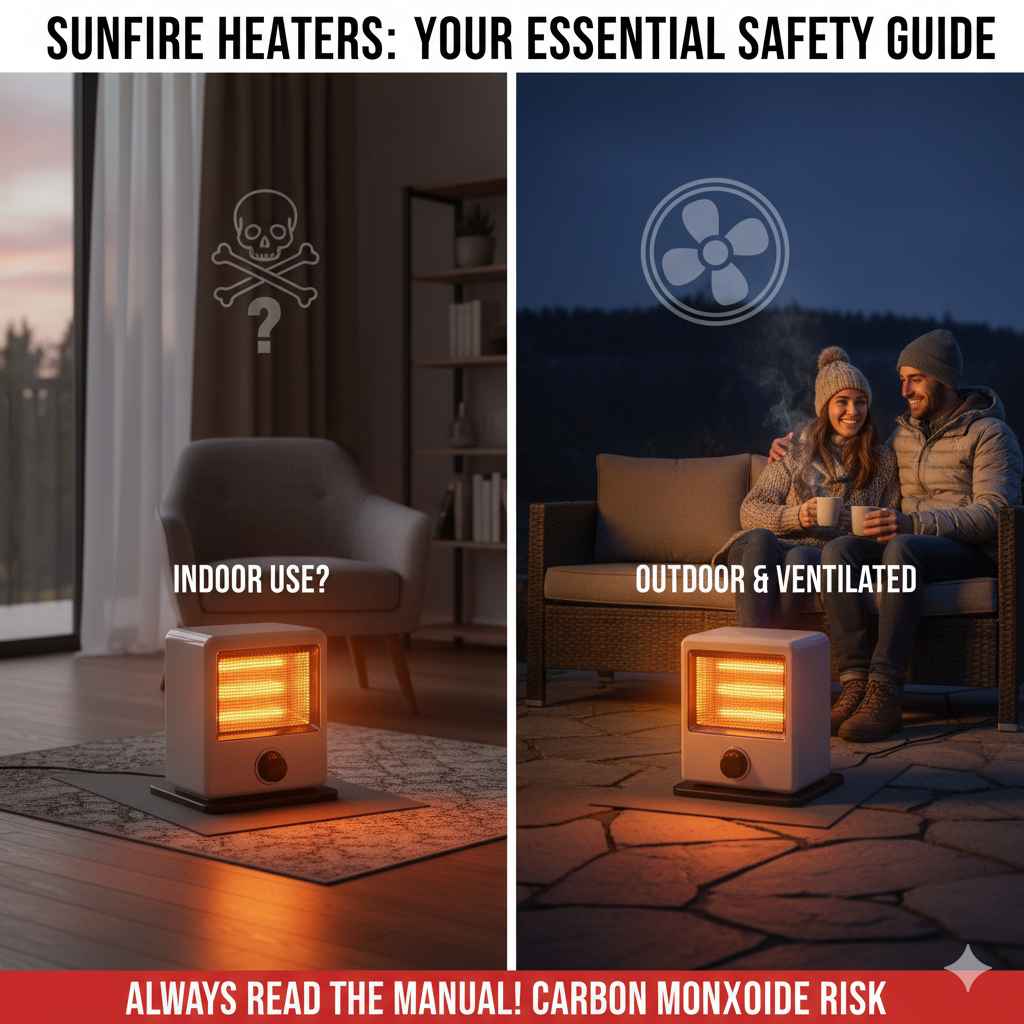
Sunfire Heaters Safe Indoors with Proper Ventilation
Feeling a chill in your home? Looking for a cozy way to warm up those colder spaces? Portable heaters can be a fantastic solution, and you might have come across Sunfire heaters as a popular option. But when it comes to bringing any heating appliance indoors, safety is always the top priority. It’s natural to wonder, “Are Sunfire heaters safe for my family and my home?”
You’re not alone in asking this question! Choosing the right way to heat your home can feel a bit overwhelming, especially when you want to be sure it’s done safely. This guide is here to help. We’ll break down exactly what makes a Sunfire heater safe, how to use them with confidence, and what to watch out for. Think of me, Tanim, as your friendly guide to a warmer, safer home. Let’s make sure you can enjoy that cozy warmth without any worries.
Understanding Sunfire Heaters: What Are They?
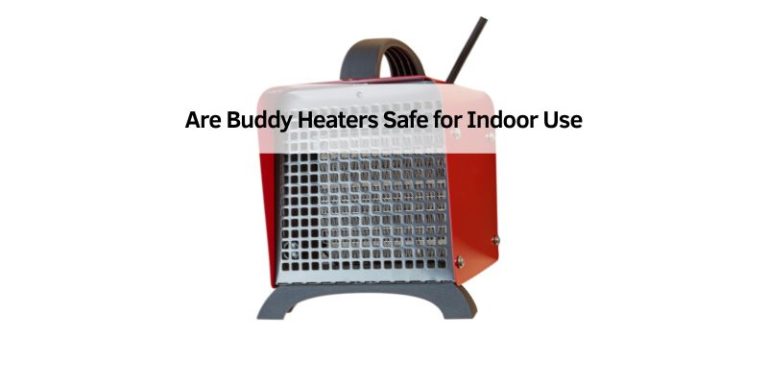
Sunfire heaters are a brand of portable electric heaters designed to provide supplemental warmth to specific areas of your home. They come in various types, like radiant, ceramic, and fan heaters, each working a little differently to spread heat. Their portability means you can move them from room to room, making them super convenient for targeting cold spots that your central heating might miss.
These heaters are often chosen for their ease of use and quick heating capabilities. You simply plug them in, switch them on, and start feeling the warmth. This simplicity is a big part of their appeal, especially for homeowners who want an easy-to-manage heating solution without complex installation.
Key Safety Features of Sunfire Heaters
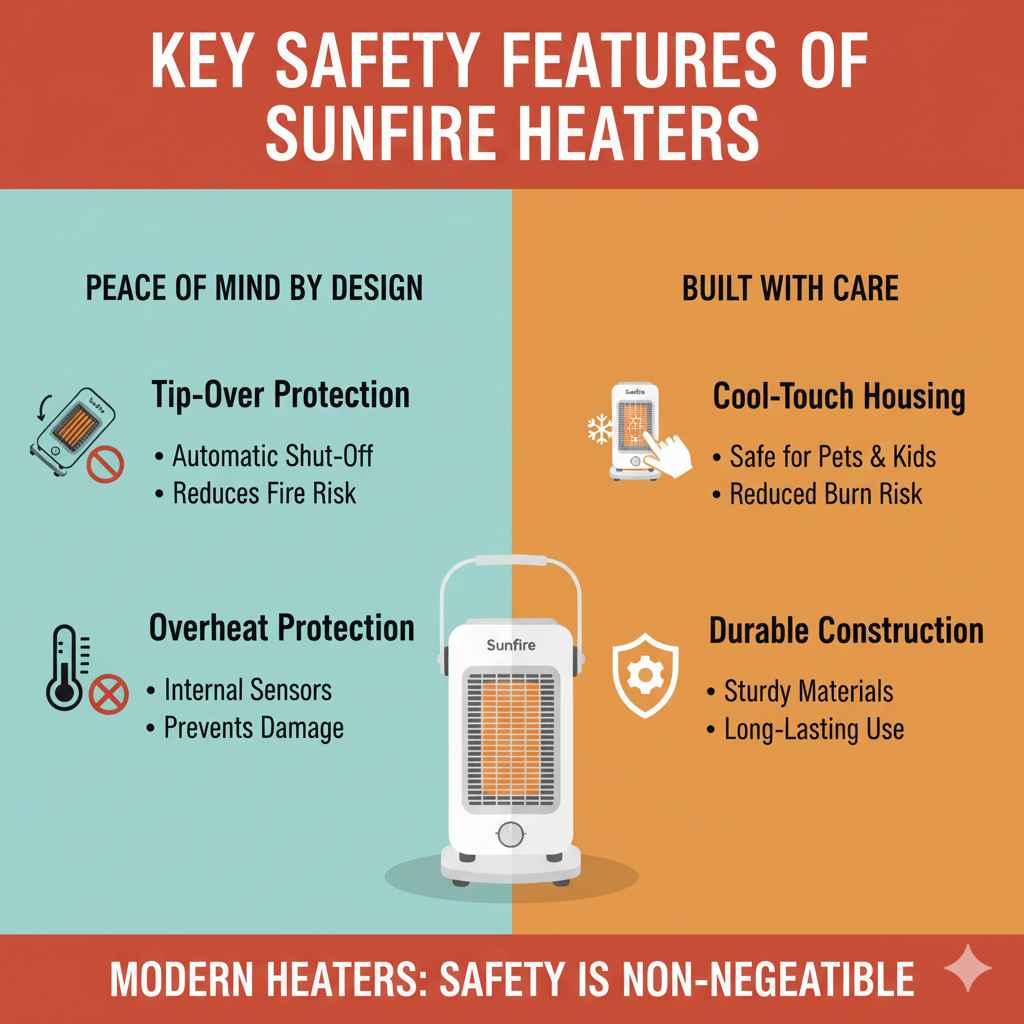
Safety is built into modern heaters, and Sunfire models are no exception. Most Sunfire portable heaters include several features designed to prevent accidents. Knowing these features can give you extra peace of mind:
- Tip-Over Protection: This is a crucial safety feature. If the heater is accidentally knocked over, it automatically shuts off. This greatly reduces the risk of fire if the unit becomes unstable.
- Overheat Protection: Sunfire heaters are equipped with sensors that monitor the internal temperature. If the unit gets too hot, it will shut down on its own to prevent damage and potential fire hazards.
- Cool-Touch Housing: Many models feature housings that stay relatively cool to the touch, even when the heater is in operation. This makes them safer to be around, especially if you have children or pets.
- Durable Construction: Sunfire heaters are generally built with sturdy materials designed to withstand regular use, reducing the likelihood of components failing and becoming a safety issue.
Are Sunfire Heaters Safe Indoors? The Essential Checks
Yes, Sunfire heaters are designed with indoor use in mind, but their safe operation depends on a few key factors. Just like any electrical appliance, using them correctly is vital. Here’s what you need to confirm to ensure your Sunfire heater is safe for your indoor environment:
1. Proper Placement is Paramount
Where you put your heater is one of the most important safety steps. Think of it like this: heat needs space to work effectively and safely. Avoid placing your Sunfire heater too close to anything that could be flammable or could overheat.
- Clearance: Always maintain a safe distance between the heater and curtains, furniture, bedding, papers, and any other combustible materials. The general rule of thumb is at least 3 feet (about 1 meter) of clear space around the heater. Always check your owner’s manual for the specific recommended clearance.
- Stable Surface: Place your heater on a hard, flat, and stable surface. Never put it on soft surfaces like carpets, rugs, or beds, as this can block air vents and increase the risk of overheating.
- Avoid High-Traffic Areas: Position the heater where it won’t be easily bumped or tripped over. This is especially important if you have children or pets who might not understand the heat it generates.
- Keep Away from Water: Never use a portable heater in bathrooms, laundry rooms, or other areas where it could come into contact with water. This is a serious electrical hazard.
2. Electrical Safety and Cord Care
The power cord and plug are the heater’s lifeline to electricity, and they need attention too.
- Use Dedicated Outlets: For most portable heaters, it’s best to plug them directly into a wall outlet. Avoid using extension cords or multi-plug adapters, as they can overheat and pose a fire risk, especially with high-wattage appliances like heaters. Refer to NFPA’s guidance on portable heater safety for more details on electrical fire prevention.
- Inspect Cords Regularly: Before each use, check the power cord and plug for any signs of damage, such as fraying, cuts, or exposed wires. If you find any damage, do not use the heater and consider having it repaired or replaced.
- Proper Plug Usage: Ensure the plug is fully inserted into the outlet. A loose connection can cause overheating at the outlet.
3. Ventilation Considerations
While Sunfire heaters are generally safe for indoor use, proper ventilation is still a good practice to maintain air quality.
- Fresh Air Flow: While you want to keep your home warm, it’s beneficial to allow some fresh air circulation. Using a heater in a completely sealed room for extended periods can reduce indoor air quality. Occasional airing out is always a good idea.
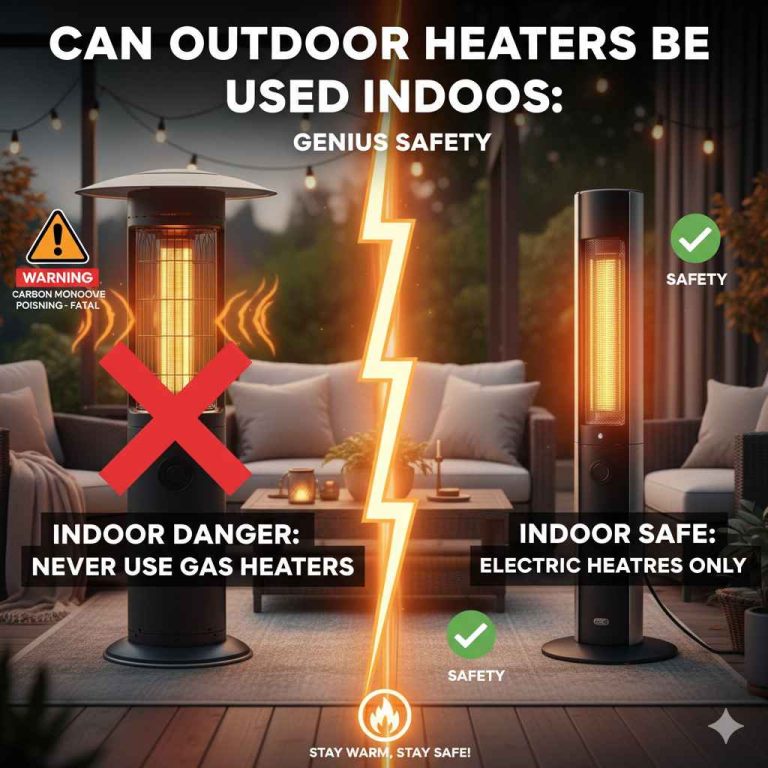
- Carbon Monoxide (CO) Awareness: It’s important to note that electric heaters like Sunfire models do not produce carbon monoxide. This is a significant safety advantage over fuel-burning heaters (like propane or kerosene heaters). However, it’s still wise to have working carbon monoxide detectors installed in your home, as CO can come from other sources.
4. Supervising Use and Operation
Active supervision can prevent many potential issues. Think of it as keeping an eye on your helper.
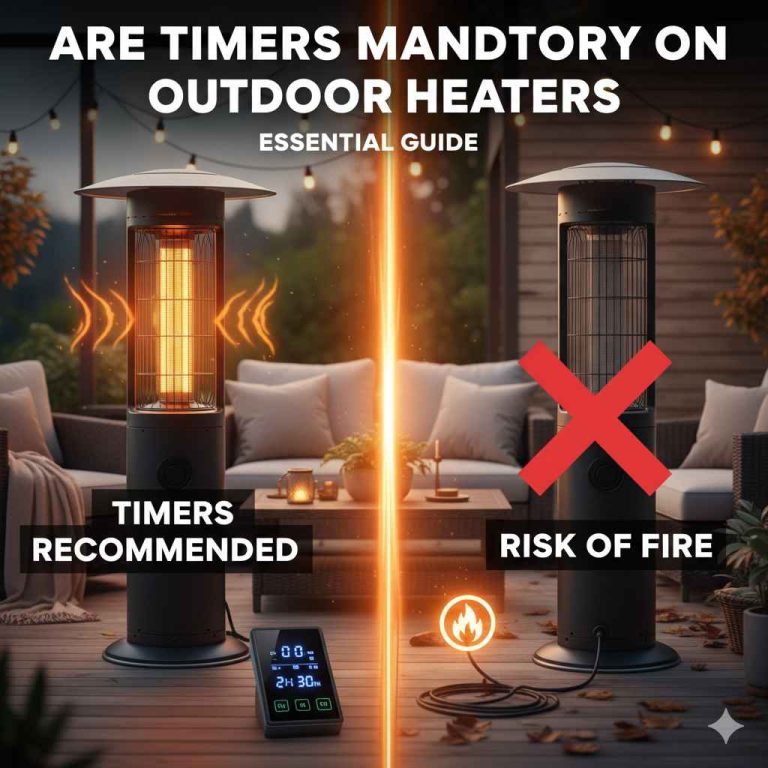
- Never Leave Unattended: Do not leave a portable heater running when you leave the room, go to sleep, or if the room is unoccupied.
- Children and Pets: Keep a close eye on children and pets when a heater is in use. Even with cool-touch features, the heating elements can get hot enough to cause burns. Educate older children about heater safety rules.
- Follow Manufacturer Instructions: Always read and follow the specific operating instructions provided by Sunfire for your model. This includes any warnings or recommendations for use.
Pros and Cons of Using Sunfire Heaters Indoors
Like any heating solution, Sunfire portable heaters have their advantages and disadvantages. Understanding these can help you decide if they are the right fit for your needs.
| Pros | Cons |
|---|---|
| Portability: Easy to move from room to room, providing heat where you need it most. | Limited Coverage Area: Best for heating small to medium-sized rooms; not efficient for whole-house heating. |
| Ease of Use: Simple to set up and operate – usually just plug and play. | Energy Consumption: Can be less energy-efficient than central heating if used as a primary heat source, potentially increasing electricity bills. |
| Targeted Heating: Excellent for quickly warming up specific cold spots or rooms. | Safety Concerns if Misused: Requires careful placement and supervision to prevent fire hazards or burns. |
| No CO Emissions: Electric heaters do not produce carbon monoxide, making them safer than fuel-burning types indoors. | Trip Hazard: Power cords can be a tripping hazard if not managed carefully. |
| Versatile Options: Available in various types (ceramic, radiant, fan) to suit different heating preferences. | Noise: Some models, especially fan heaters, can produce a noticeable amount of noise. |
Maintenance Tips for Safe Operation
Regular maintenance ensures your Sunfire heater continues to operate safely and efficiently. It’s not complicated, just a few simple checks:
- Cleaning: Dust and debris can accumulate inside the heater, potentially becoming a fire hazard or reducing efficiency. Unplug the heater and use a vacuum cleaner with a brush attachment to gently clean the air vents and any visible internal components. Some models may allow for part disassembly for more thorough cleaning – consult your manual.
- Inspect for Damage: Periodically check the heater for any signs of wear and tear, such as cracked plastic, loose parts, or damaged cords. If any damage is found, do not use the heater until it is repaired by a qualified professional or replaced.
- Storage: When not in use, store your Sunfire heater in a clean, dry place, such as its original box or a protective cover. Ensure it’s completely cool before storing.
When to Consider Professional Help or Replacement
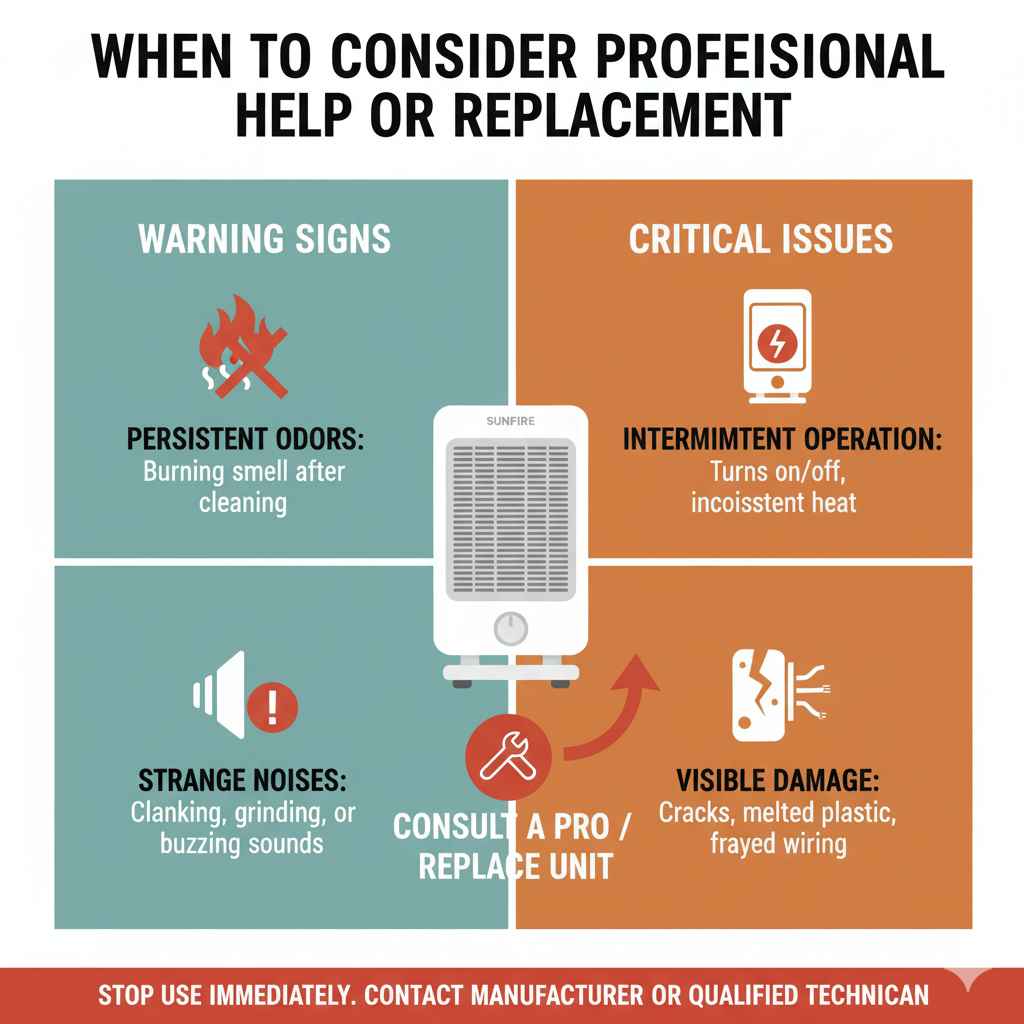
While we aim for simplicity here, sometimes a heater might show signs that it’s time for a professional check or even replacement. Trust your instincts if something doesn’t feel right.
- Persistent Odors: If your heater emits a persistent burning smell even after cleaning, it could indicate an internal issue.
- Strange Noises: Unusual clanking, grinding, or buzzing sounds are not normal.
- Intermittent Operation: If the heater frequently turns on and off by itself or doesn’t heat consistently, it might be malfunctioning.
- Visible Damage: Significant cracks in the casing, melted plastic, or damaged wiring are clear signs to stop use immediately.
For any of these issues, it’s best to stop using the heater and consult the manufacturer or a qualified appliance repair technician. If the heater is old or the cost of repair is high, it might be more economical and safer to replace it with a new, modern unit. When purchasing a new heater, look for the UL or ETL safety certification mark, which indicates it has been tested and meets rigorous safety standards.
Frequently Asked Questions About Sunfire Heater Safety
Q1: Can I use my Sunfire heater in a small, enclosed room?
You can use it in smaller rooms, but it’s important to ensure some minimal airflow. Avoid completely sealing the room. Also, always maintain the recommended clearance from furniture and walls, even in a tight space. Overheating and restricting airflow are key safety risks.
Q2: Is it safe to run a Sunfire heater overnight while I sleep?
For electric portable heaters like Sunfires, the general recommendation from safety organizations, including the U.S. Fire Administration, is to avoid running them unattended, especially overnight or when you’re not in the room. While they have safety features, malfunctioning is always a small possibility, and it’s best to have them off when not actively supervised.
Q3: My Sunfire heater smells a little strange when I first turn it on. Is this normal?
A slight, temporary odor might occur the very first time you use a new heater or after it’s been stored for a long time due to dust burning off the heating elements. However, if the strange smell persists beyond the first few minutes, or if it smells like burning plastic or wiring, turn it off immediately. This could indicate a problem. Consult the manual or contact the manufacturer.
Q4: Can Sunfire ceramic heaters cause dry air?
Ceramic heaters warm the air effectively but can sometimes contribute to drier indoor air. This dryness is usually not a safety hazard itself but can lead to personal discomfort, like dry skin or a sore throat. Running a humidifier in the same room can help balance the moisture levels.
Q5: What’s the difference in safety between an electric Sunfire heater and a propane heater for indoor use?
Electric heaters like Sunfire models are generally considered much safer for indoor use primarily because they do not produce carbon monoxide (CO) or other combustion byproducts. Fuel-burning heaters (like propane or kerosene) require significant ventilation to avoid dangerous CO buildup and are typically not recommended for prolonged indoor use without specialized safety systems and monitoring.
Q6: How often should I inspect my Sunfire heater for safety issues?
It’s a good practice to give your Sunfire heater a quick visual inspection before each use, checking the cord and plug. A more thorough check, including cleaning the vents, should be done at least once a year, or more frequently if the heater is used heavily.
Conclusion: Staying Warm and Safe with Your Sunfire Heater
Bringing warmth into your home should be a comfortable and worry-free experience. Sunfire portable heaters are designed with safety in mind, offering a convenient way to heat individual rooms. By understanding and implementing proper usage guidelines – focusing on safe placement, electrical care, mindful operation, and regular maintenance – you can confidently use your Sunfire heater to create a cozy environment.
Remember, safety is a partnership between the heater’s features and your responsible use. Keep those clearances clear, check cords, supervise operation, and listen to your heater. With a little attention, your Sunfire heater can be a reliable and safe companion through those colder months, ensuring your home stays warm and inviting.