Ceramic Wall Heaters Deliver Fast, Quiet Heat
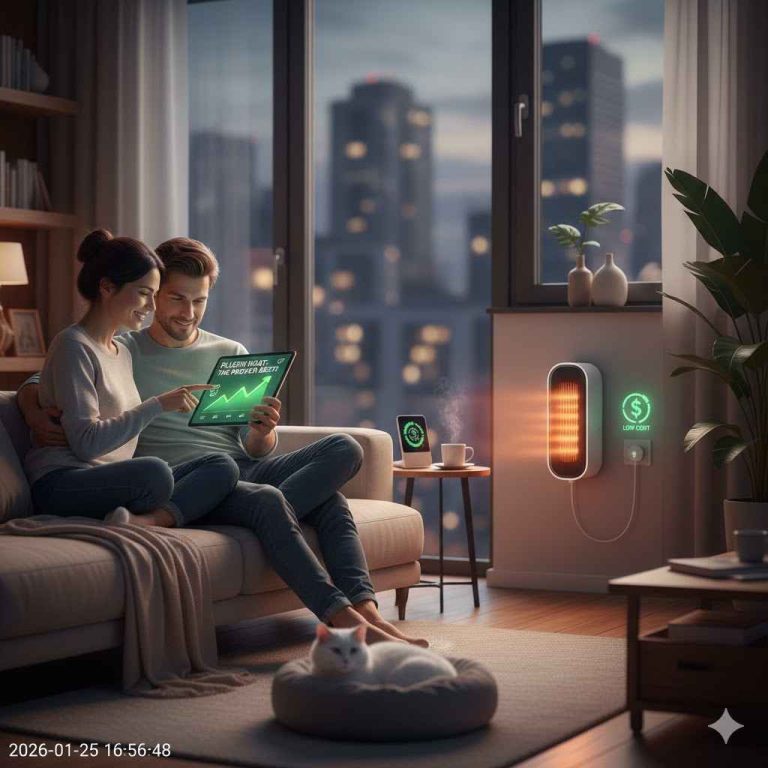
Yes, ceramic wall heaters are surprisingly good! They offer efficient, targeted heating with several benefits like quick warmth, energy savings, and safety features, making them a practical choice for many homes.
Do you ever feel that one room in your house just seems to stay stubbornly cold, no matter how high you turn up the central heating? It’s a common frustration, and finding a reliable way to warm up those chilly spots can be a real challenge. You might have looked at different heaters and wondered if those sleek ceramic wall units are actually worth it. The good news is, they often are! In this guide, we’ll explore what makes ceramic wall heaters tick and why they might just be the perfect solution for your home’s comfort. We’ll break down their advantages so you can make a confident choice.
Understanding Ceramic Wall Heaters: What Makes Them Tick?
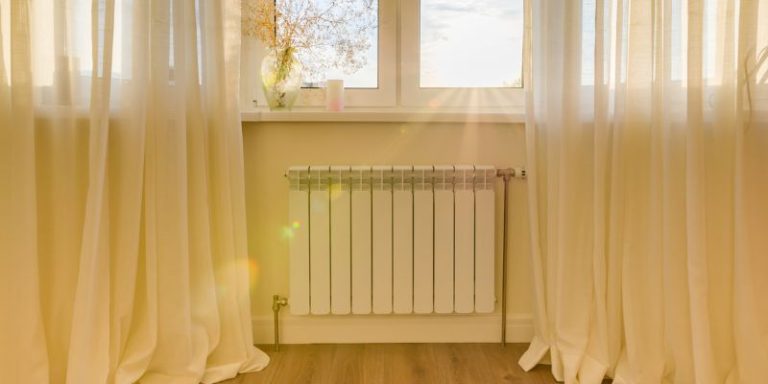
Ceramic wall heaters are a popular choice for supplemental heating, and for good reason. At their core, they work by passing air over heated ceramic elements. This process gently warms the air, which is then circulated into your room. Unlike some older heating technologies that can make spaces feel dry or unevenly heated, ceramic elements tend to provide a more consistent and comfortable warmth. They’re often mounted on the wall, which is a big plus for saving floor space, especially in smaller rooms.
The ceramic itself is a key player. It’s a durable material that can withstand high temperatures and efficiently retain heat. As the air passes over these heated ceramics, it absorbs that warmth and then distributes it throughout the room. Many models include built-in fans to help push this warm air further, ensuring your comfort.

The Proven Benefits of Ceramic Wall Heaters
When you’re looking to boost the warmth in a specific area of your home, ceramic wall heaters bring several advantages to the table. Let’s dive into why they are a smart choice for many homeowners and renters.
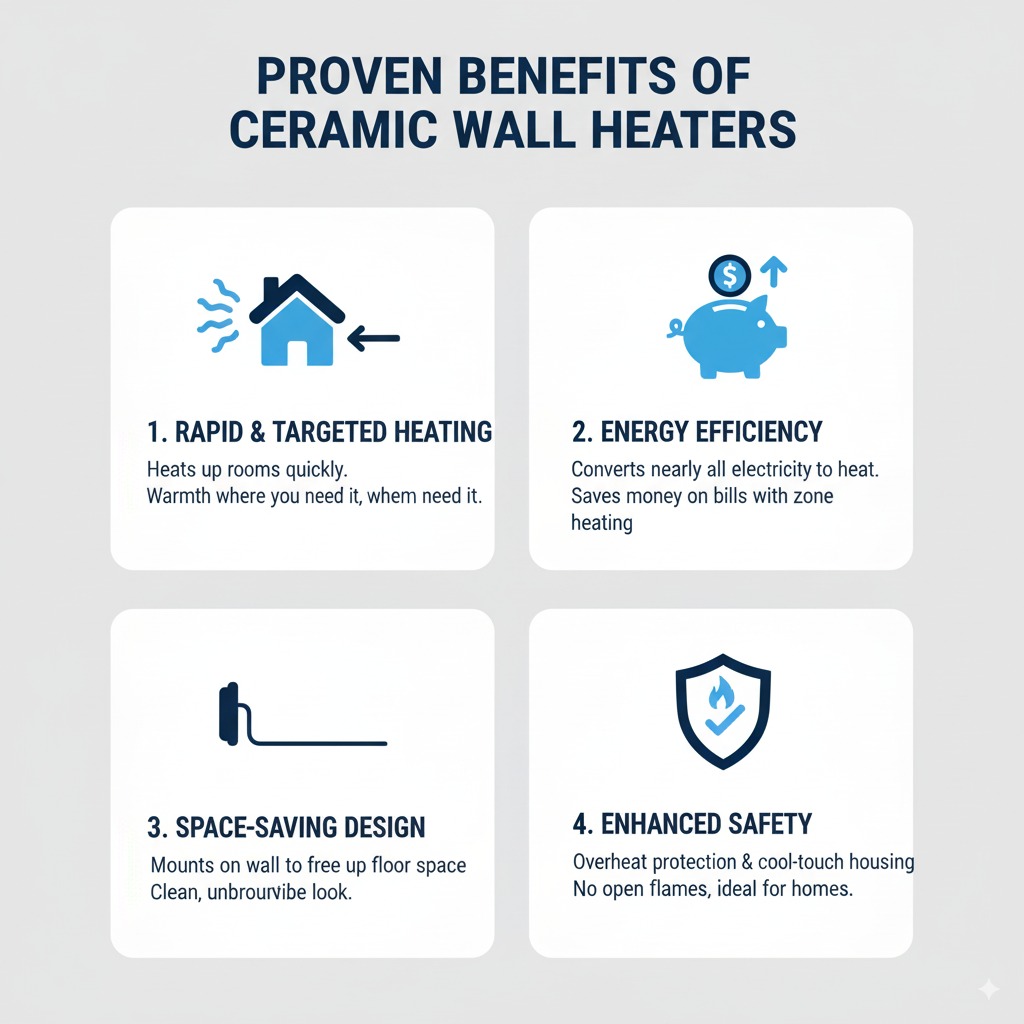
1. Rapid and Targeted Heating
One of the biggest wins for ceramic wall heaters is their ability to heat up a room quickly. Because the ceramic elements get hot fast, and often a fan helps distribute that heat, you’ll feel the difference in a matter of minutes, not hours. This is fantastic for spaces you don’t use all the time, like a guest bedroom or a home office, where you can switch the heater on just when you need it and get cozy almost instantly. This targeted approach means you’re not wasting energy heating unused areas with your central system.
2. Energy Efficiency and Cost Savings
Ceramic wall heaters are often celebrated for their energy efficiency. They are typically designed to convert almost all the electrical energy they use directly into heat. This means less wasted energy compared to other heating methods. Since they provide targeted heating, you can rely on them to warm up a specific room without needing to crank up your main thermostat. This selective heating can lead to significant savings on your electricity bills. For example, you can heat your living room in the evening without overheating the rest of your house. According to the U.S. Department of Energy, using supplemental heat sources like these to maintain a lower thermostat setting for your main system can reduce overall energy consumption.
3. Space-Saving Design
Mounting a heater on the wall frees up valuable floor space. This is a huge benefit in smaller rooms, apartments, or even busy living areas where every square foot counts. They offer a clean, unobtrusive look and keep the heater out of the way of foot traffic, reducing the risk of accidental bumps or falls, especially in homes with children or pets. You can place them strategically without sacrificing furniture arrangements.
4. Safety Features Galore
Most modern ceramic wall heaters come equipped with essential safety features. These often include:
Overheat Protection: If the unit gets too hot, it automatically shuts off to prevent damage and fire hazards.
Tip-Over Protection: While they are wall-mounted, some portable ceramic heaters have this feature, and it’s a good indicator manufacturers prioritize safety.
Cool-Touch Housing: The exterior of the heater often stays relatively cool, making it safer to be around.
No Open Flames: Unlike some older heating methods, ceramic heaters don’t have open flames, which significantly enhances safety, especially in homes with curious pets or small children.
These features provide peace of mind, knowing that your comfort isn’t coming at the expense of safety.
5. Consistent and Comfortable Heat Distribution
The way ceramic elements heat air leads to a pleasant, even warmth. They don’t typically blast hot air intensely in one direction. Instead, the fan circulates warm air gently, reducing the sensation of dry air that some other types of heaters can cause. This makes the room feel comfortably and consistently heated, avoiding the cycle of hot and cold spots.
6. Quiet Operation
Many ceramic wall heaters, especially those designed for wall installation, are remarkably quiet. The primary noise comes from the fan, which is often designed to be barely audible. This makes them ideal for bedrooms, offices, or any space where noise can be a distraction, allowing you to enjoy warmth without disruptive sounds.
7. Adjustable Settings and Thermostats
To maximize both comfort and efficiency, ceramic wall heaters typically come with adjustable settings. You can often control the heat output and use an integrated thermostat to maintain your desired room temperature. This smart control means the heater will cycle on and off as needed to keep the room at a steady warmth, preventing overheating and unnecessary energy use.
Types of Ceramic Wall Heaters
Ceramic wall heaters aren’t a one-size-fits-all solution. They come in a few different forms, each suited for various needs and installation preferences. Understanding these types can help you choose the best fit for your space.
Built-In Ceramic Wall Heaters
These are designed for permanent installation. They are often hardwired directly into your home’s electrical system and flush-mounted into the wall. This provides a very clean, integrated look, almost like an extension of your home’s existing heating system. They are ideal for rooms that require consistent supplemental heat, such as bathrooms or basements.
Pros: Seamless integration, very tidy appearance, often more powerful.
Cons: Requires professional installation (unless you’re experienced with electrical work), less portable.
Plug-In Ceramic Wall Heaters
These are much more common for the average homeowner. They are compact units that simply plug into a standard wall outlet. Many come with their own built-in thermostat and fan, and some even have remote controls or digital displays. They offer flexibility, allowing you to move them from room to room as needed.
Pros: Easy to use, no installation required, portable.
Cons: Visible wall element, relies on outlet availability, fan noise can be more noticeable than built-in units.
Pedestal or Freestanding Ceramic Heaters
While these aren’t strictly wall heaters, they often use ceramic elements and share many of the same benefits. They stand on their own base, sometimes with a swivel function, and can be placed on the floor. They offer portability and are great for rooms where wall mounting isn’t feasible.
Pros: Very portable, can be placed where needed most, often have oscillating features.
Cons: Takes up floor space, can be a trip hazard if not carefully positioned.
Choosing the Right Ceramic Wall Heater for Your Needs
To make sure you’re getting the most out of your ceramic wall heater, consider a few key factors. Picking the right size and features will ensure it effectively warms your space without wasting energy.
Room Size and Heating Needs
The primary determinant of which heater to choose is the size of the room you want to heat. A small bathroom might only need a compact, lower-wattage unit, while a larger living area or a poorly insulated basement might require a more powerful heater. Manufacturers usually provide wattage or BTU (British Thermal Unit) ratings, which can give you an idea of their heating capacity. A good rule of thumb is that for every 100 square feet of well-insulated space, you’ll need about 10 watts of heating power. However, for less-insulated spaces or colder climates, you might need more.
Safety Features
Always prioritize safety. Look for models with automatic shut-off for overheating and tip-over protection (even for wall units, it’s an indicator of manufacturer safety focus). Certifications like UL or ETL are also good indicators that the product has met safety standards.
Thermostat Control
A built-in, adjustable thermostat is crucial for energy efficiency and maintaining a consistent temperature. It allows the heater to cycle off when the desired temperature is reached, preventing it from running unnecessarily. Digital thermostats often offer more precise control than manual dials.
Ease of Installation and Use
For most beginners, a plug-in model that requires no special installation is the easiest route. If you’re considering a built-in unit, ensure you’re comfortable with electrical work or factor in the cost of professional installation.
Energy Efficiency Ratings
While most ceramic heaters are efficient, some might boast ENERGY STAR ratings or display their Estimated Annual Energy Consumption. Compare these if available to make the most informed choice.
Noise Level
If the heater will be used in a bedroom or quiet office, pay attention to reviews or product descriptions regarding noise levels. Fan noise can vary between models.
Performance Comparison: Ceramic Wall Heaters vs. Other Electric Heaters
To fully appreciate why ceramic wall heaters are a good choice, it helps to compare them with other common electric heating options.
| Feature | Ceramic Wall Heater | Radiant Heater | Convection Heater (Fan Only) | Infrared Heater |
|---|---|---|---|---|
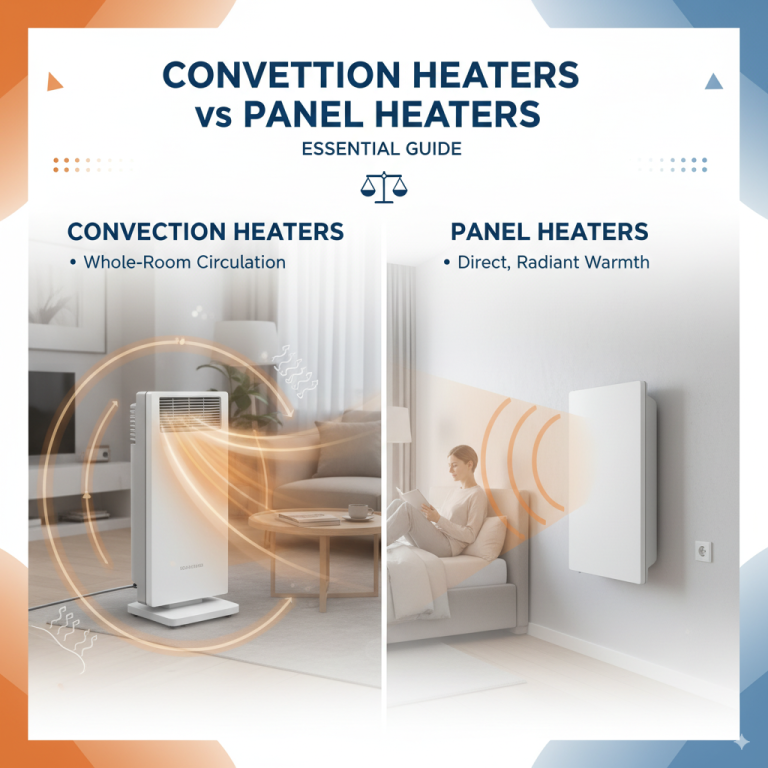
| How it Heats | Heats air with ceramic elements, fan circulates warm air. | Heats objects and people directly with heat radiation. | Heats air with a heating element, fan circulates warm air. | Transmits heat directly via infrared radiation. |
| Speed of Heat | Fast (feels warm within minutes) | Very Fast (immediate warmth on exposed skin) | Moderate (takes time for air to circulate) | Very Fast (immediate warmth on exposed skin) |
| Heat Distribution | Even, gentle warmth throughout the room. | Concentrated heat in the direction it faces. | Can create circulating currents, potentially uneven. | Direct warmth, less effective for entire room heating. |
| Energy Efficiency | High (converts most electricity to heat). | High for targeted heating, less so for whole room. | Moderate to High (depends on fan and element efficiency). | High for direct heating, less for ambient room temp. |
| Best For | Quick, comfortable room heating; small to medium spaces. | Targeted heating in chilly spots, workshops. | Enclosed spaces; can make rooms feel warmer faster. | De-icing, targeted warm spots, outdoor patios. |
| Safety Aspects | Generally safe with cool-touch housing, overheat protection. | Hot surfaces require caution. | Hot surfaces require caution. | Hot surfaces require caution. |
| Noise Level | Generally quiet (fan noise) | Very quiet (no fan) | Fan can be noticeable. | Very quiet (no fan) |
| Space Saving | Excellent (wall-mounted) | Good (can be portable or mounted) | Good (often portable) | Good (often portable) |
As you can see, ceramic wall heaters offer a balanced approach, providing fast, even, and quiet heat while being energy-efficient for warming specific rooms.
Installation and Usage Tips for Your Ceramic Wall Heater
Once you’ve chosen your ceramic wall heater, proper installation and usage will ensure you get the best performance and longevity from your unit. For plug-in models, this is usually straightforward, but a few tips can make a big difference.
For Plug-In Ceramic Wall Heaters:
1. Choose the Right Location:
Wall Mounting: Many come with mounting brackets. Affix these securely to a wall stud for stability. Ensure the heater is positioned allowing for good air circulation, typically a few feet from the floor and clear of any obstructions.
Clearance: Always maintain recommended clearances from furniture, curtains, bedding, and combustible materials. Check the manufacturer’s manual for specific distances, but typically, 3 feet (about 1 meter) is a safe bet.
Outlet Access: Ensure you have a conveniently located, properly grounded electrical outlet. Avoid using extension cords if possible, as they can be a fire hazard, especially with high-wattage appliances. If an extension cord is absolutely necessary, ensure it is heavy-duty and rated for the heater’s wattage. To learn more about safe electrical practices, resources from organizations like the National Fire Protection Association (NFPA) are highly informative.
2. Initial Setup:
Read the Manual: This is the golden rule for any new appliance. It will detail specific setup, operation, and safety instructions for your model.
Plug It In: Once mounted or placed, plug the heater directly into the wall outlet.
3. Operation:
Adjust Thermostat: Set your desired temperature using the controls on the unit or remote.
Fan Speed: If there are fan speed options, choose the one that suits your comfort and noise preference.
Timer Function: Utilize any timer settings if you want the heater to turn on or off automatically at specific times.
For Built-In Ceramic Wall Heaters:
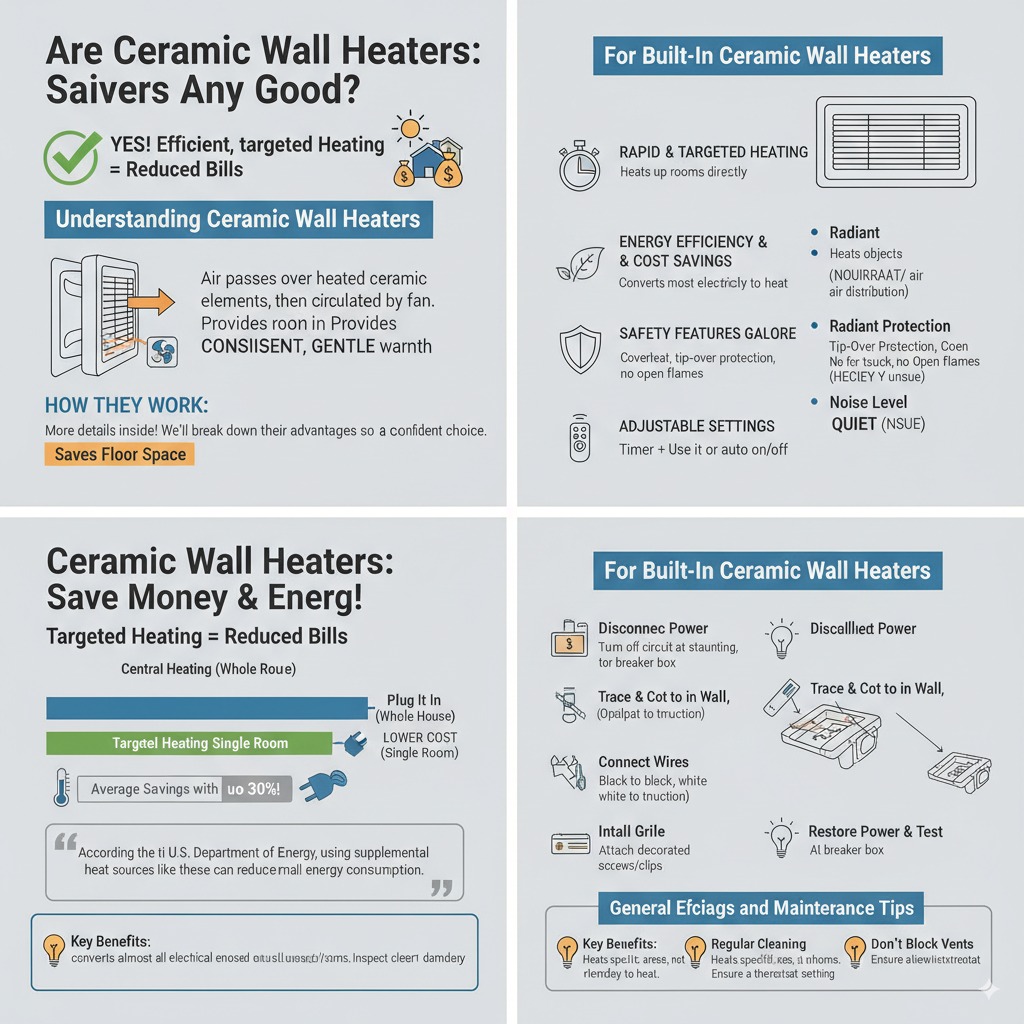
- Safety First: Disconnect Power. Before starting any electrical work, turn off the power to the circuit at your home’s main breaker box.
- Marking and Cutting: Hold the heater or its mounting template against the wall where you want to install it. Trace the outline. Cut the opening carefully, following the traced lines. Consult a home improvement guide for cutting drywall if you’re unsure.
- Wiring: Route the electrical cable from your home’s wiring junction box to the opening. Connect the wires according to the heater’s manual and local electrical codes (typically black to black, white to white, and ground to ground). If you are not comfortable with electrical wiring, it is highly recommended to hire a qualified electrician.
- Mounting: Secure the heater into the wall opening using the provided mounting screws or clips. Ensure it sits flush against the wall.
- Install Grille/Cover: Attach the decorative grille or cover as per the instructions.
- Restore Power and Test: Restore power at the breaker box and test the heater.
General Usage and Maintenance Tips:
Regular Cleaning: Dust and debris can accumulate on the heating elements and fan, reducing efficiency and potentially causing odors. Unplug the heater and gently vacuum the vents or use a soft brush to clean.
Check the Cord and Plug: Periodically inspect the power cord and plug for any signs of damage. If damaged, discontinue use immediately and have it repaired or replaced.
Don’t Block Vents: Ensure the air intake and outlet vents are always clear to allow for proper airflow.
Use a Thermostat:** Rely on the thermostat to maintain your desired temperature. Turning the heater on high and then forgetting about it is inefficient and can be unsafe.
By following these guidelines, you ensure your ceramic wall heater operates safely and effectively, providing you with consistent comfort.
Frequently Asked Questions About Ceramic Wall Heaters
Here are some common questions people have about these efficient heaters.
Q1: How much electricity does a ceramic wall heater typically use?
The electricity usage depends on the wattage of the heater and how long it runs. Most ceramic wall heaters range from 750 watts to 1500 watts. A 1500-watt heater running for one hour will use 1.5 kilowatt-hours (kWh) of electricity. You can calculate your cost by multiplying kWh used by your local electricity rate.
Q2: Can I leave a ceramic wall heater on overnight?
Most modern ceramic wall heaters are designed with safety features like overheat protection, making them generally safe for overnight use, especially when used as directed and kept away from flammable materials. However, it’s always best to review your specific model’s manual. Using the thermostat to maintain a comfortable temperature rather than running it on high continuously is recommended for both safety and energy efficiency.
Q3: Are ceramic wall heaters good for bathrooms?
Yes, they are excellent for bathrooms, especially compact models or those specifically designed for damp environments. They provide quick warmth in a small space and can be mounted out of the way. Ensure the model you choose is suitable for bathroom use and has a GFCI (Ground Fault Circuit Interrupter) protected outlet nearby, or is rated for damp locations.
Q4: Do ceramic wall heaters dry out the air?
While all electric heaters can slightly reduce humidity, ceramic heaters are generally not as drying as ‘heat coil’ or ‘open coil’ types. The fan-circulated warm air tends to feel more comfortable and less dehydrating. If you find the air is still too dry, using a small humidifier in the room alongside the heater can help.
Q5: How powerful should a ceramic wall heater be for a medium-sized room?
For a medium-sized room (e.g., 150-200 sq ft), a 1500-watt ceramic wall heater is usually sufficient, especially if the room is well-insulated. If the room has poor insulation or is in a very cold climate, you might consider a higher wattage model or ensure the heater has a good fan to distribute heat effectively.