Can Electric Heaters Cause Health Problems?
The short answer is: No, modern, properly used electric heaters generally do not cause significant health problems. Risks mainly arise from poor maintenance, overheating, or using outdated models. Focus on clean air flow and safe placement to enjoy cozy, worry-free warmth all season long.
Feeling a chill makes us reach for the nearest heat source, and electric heaters are quick, convenient helpers. But as you plug one in, a small worry might pop up: “Is this making my home unhealthy?” It’s a very common question many homeowners have when relying on supplementary heat.
Rest assured, you are not alone in wondering about air quality or safety. We are here to clear up the myths and give you solid, easy-to-follow facts. You deserve a warm home that is also a safe home. This guide will walk you through exactly how different electric heaters work and what simple steps you can take to ensure your comfort doesn’t come at a health cost.
Understanding How Electric Heaters Produce Heat
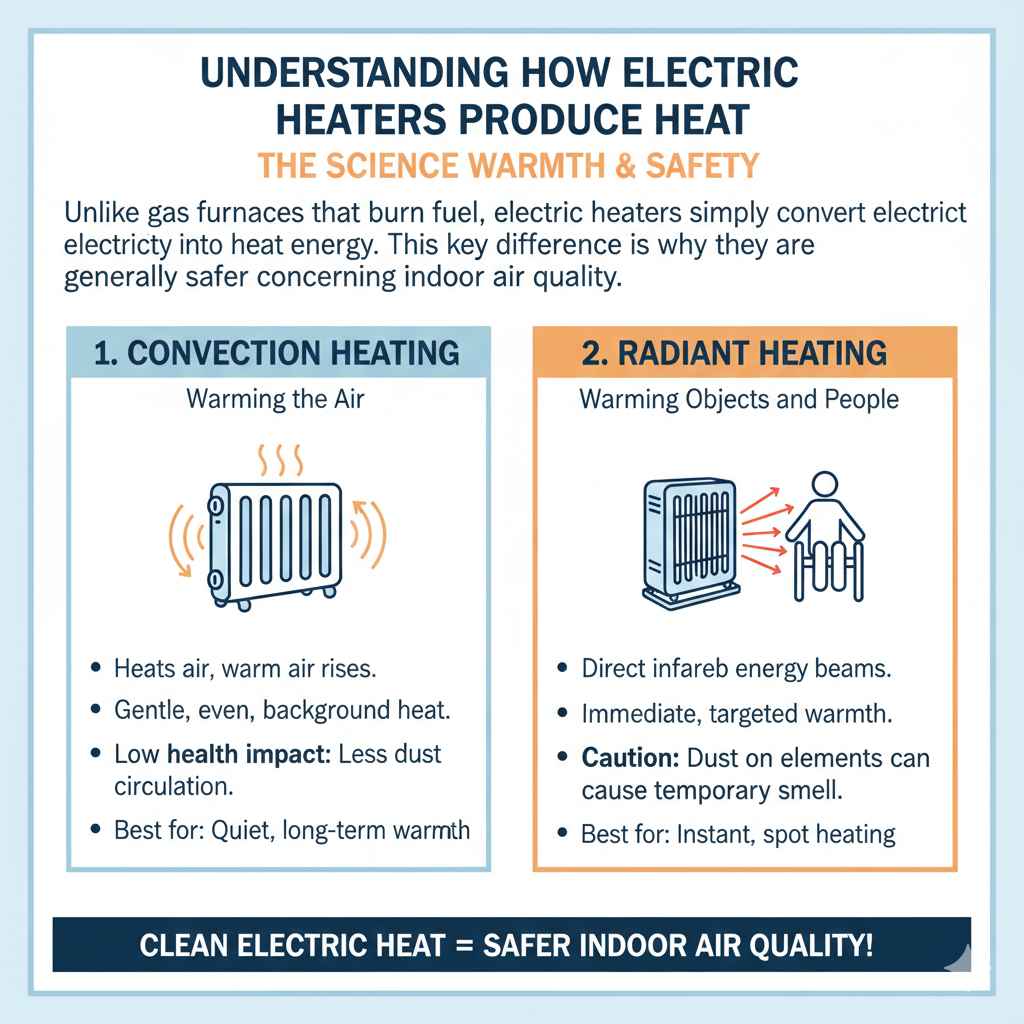
To know if an electric heater is safe, we first need to understand the magic (and science!) behind how they warm a room. Unlike gas furnaces that burn fuel, electric heaters simply convert electricity into heat energy. This key difference is why they are generally safer concerning indoor air quality.
The Two Main Types of Electric Heat Transfer
Most portable electric heaters use one of two primary methods to warm your space. Knowing the type helps you understand the potential minor effects they might have.
1. Convection Heating (Warming the Air)
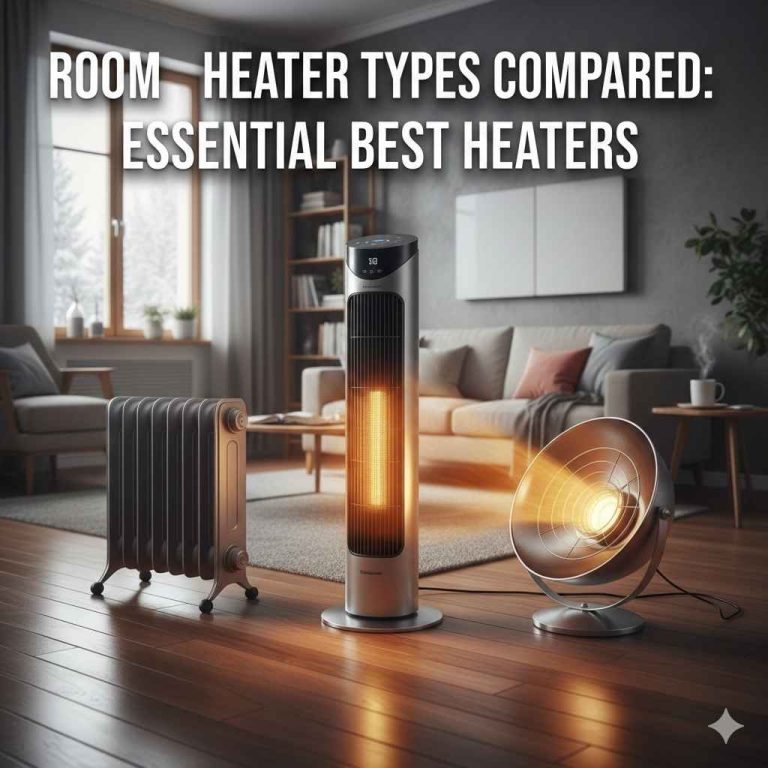
Convection heaters (like oil-filled radiators or baseboard heaters) warm the air around them. This warm air then naturally rises, circulates, and gradually heats the entire room. This is a very gentle, even heat.
- Health Impact: Very low. Since they don’t rely on a heating element directly exposed to dust, they tend to stir up less dust than fan heaters.
- Best For: Long-term, quiet background warmth.
2. Radiant Heating (Warming Objects and People)
Radiant heaters (like halogen or quartz heaters) work much like the sun. They heat up an element, which then beams infrared energy directly onto objects and people in front of them. This gives you immediate, targeted warmth.
- Health Impact: Minimal, as they heat surfaces, not necessarily the whole air volume.
- Caution: Because they often use exposed glowing elements, dust settling on these elements can briefly burn off, causing a slight, temporary smell (not a health hazard, but noticeable).
Do Electric Heaters Affect Air Quality? Debunking Common Concerns
The biggest health concerns people have revolve around air quality. Let’s tackle the main worries head-on: oxygen depletion, dryness, and emissions.
1. Oxygen Depletion (The Burning Fuel Myth)
This is the number one concern, but it only applies to heaters that burn fuel, like kerosene or propane heaters. Electric heaters use electricity; they do not consume oxygen from the room.
Because electric heaters do not combust anything, they pose virtually no risk of carbon monoxide poisoning or oxygen depletion, making them excellent choices for indoor supplemental heating when compared to fuel-burning alternatives.
2. Dry Air and Humidity Levels
This is where electric heaters can have a noticeable effect, especially fan-forced ceramic heaters that blow air over a very hot element. Rapidly heating air lowers its relative humidity, which can lead to dry skin, irritated sinuses, and scratchy throats for sensitive individuals.
Tanim’s Tip for Dryness: If you use a fan heater frequently, consider placing a small bowl of water near the heater or using a simple room humidifier. This offsets the dryness and keeps your sinuses happy.
3. Emissions: Dust, VOCs, and Smells
Electric heaters themselves do not emit harmful fumes, gases, or Volatile Organic Compounds (VOCs). However, they can sometimes stir up or burn off things already in your home.
| Source of Concern | What is Happening? | Health Concern Level |
|---|---|---|
| Dust on Heating Elements | When turned on, dust settled on the coil or fins burns off, causing a temporary “hot smell.” | Low (Mostly an odor issue, usually resolves quickly). |
| New Heater Smell | New components or manufacturing oils burn off during the first few uses. | Very Low (A sign it’s “breaking in”). |
| Stirring Up Existing Dust | Fan heaters can blow settled dust and allergens around the room. | Medium (Worsens existing allergies). |
If you smell something acrid, chemical, or like burning plastic, immediately turn off the unit and unplug it. This usually signals a malfunction or internal electrical short, which is a safety concern requiring repair or replacement.
The Real Health Risks: Focus on Safety and Maintenance
The primary health hazards associated with electric heaters are not related to the type of heat they produce, but rather how they are used or maintained. These issues relate to burns, fire, and electrical malfunction.
Fire Hazard: The Biggest Danger
The most severe risk associated with any portable heater is fire. This risk leads to health issues through smoke inhalation or burns.
- The 3-Foot Rule: Always maintain a minimum three-foot clearance zone around the heater. This means no curtains, blankets, furniture, or paper within that radius.
- Stable Ground: Never place a heater on a rug, carpet edge, or unstable surface where it could tip over.
- Cord Placement: Never run power cords under carpets or rugs. Heat builds up, and frayed wires become an electrical hazard.
Electrical Overload and Wiring Issues
Portable heaters draw significant electricity. Plugging too many high-wattage appliances into one circuit, or using an extension cord not rated for high wattage, can cause the circuit to trip or, worse, overheat the wiring in your walls.
Always plug electric heaters directly into a wall outlet. Extension cords and power strips are not designed to handle the constant, heavy load of a 1500-watt heater and can pose a serious fire risk. For more information on safe electrical practices, consult resources like the National Fire Protection Association (NFPA).
Burn Hazards (Contact Burns)
Radiant and older convection models can have extremely hot external surfaces. This is a direct physical health risk, especially to small children and pets.
- Look for Cool-Touch Exteriors: Modern oil-filled radiators and some fan heaters are designed to keep the exterior casing much cooler to the touch.
- Child Safety Locks: If you have small children, look for models specifically marketed with tip-over protection and child lock features.
Choosing the Right Heater for Healthier Heating
Your choice of heater can significantly impact your comfort and perceived health benefits. Choosing a model designed for clean heat minimizes potential issues.
Recommended Heater Types for Minimal Health Impact:
| Heater Type | How It Works | Pros for Health/Comfort | Cons to Watch For |
|---|---|---|---|
| Oil-Filled Radiator | Convection—heats oil sealed inside fins. | Silent, gentle heat, very little dust disturbance. Lowest risk of dryness. | Slow to heat up the room. |
| Ceramic Fan Heater | Forces air over a hot ceramic element. | Fast heat, usually features cool-touch exterior casing. | Can dry the air slightly; fan noise and dust movement. |
| Infrared/Quartz Heater | Radiant—heats objects directly using light waves. | Provides instant warmth without changing room temperature/humidity much. | Can cause surface burning if too close; exposed elements can look intense. |
Features That Promote Healthier Operation
When shopping, look for features that actively work to make your heating experience safer and cleaner:
- Tip-Over Protection: This immediately cuts power if the unit falls. This is crucial for preventing both fire and burns.
- Overheat Protection: Built-in thermostats sense if the internal temperature gets too high, shutting the unit down before overheating occurs.
- Timer Function: Allows you to set the heater to turn off automatically after a few hours, ensuring you don’t leave it running accidentally all night.
- Built-in Fan Filter: While not common on all models, units with simple washable filters can help capture larger dust particles before they get blown around.
Step-by-Step Guide: Setting Up Your Heater for Maximum Safety
Setting up your electric heater correctly is the most powerful thing you can do to prevent any issues. Follow these simple setup steps every time you bring a portable heater into a room.
Phase 1: Pre-Use Inspection
Do not just plug it in! A quick check prevents 90% of problems.
- Check the Cord: Inspect the entire length of the power cord. Look for cracks, fraying, or melted spots. If you see damage, DO NOT use the heater.
- Clean the Grille: Gently wipe the exterior vents and safety grille with a dry, soft cloth or vacuum attachment to remove any settled dust. (Ensure the unit is unplugged first!)
- Test the Features: Briefly turn the unit on and check that the tip-over switch works (gently tilt it—it should shut off instantly) and that the thermostat cycles properly.
Phase 2: Placement and Clearance
This placement step is non-negotiable for fire prevention and physical safety.
- Find Solid Ground: Place the heater on a hard, level, non-combustible surface (like tile, hardwood, or concrete). Never place it directly on thick carpets or throw rugs if the manual advises against it.
- Measure the Distance: Use your arms to measure! Ensure everything—curtains, upholstered furniture, lamps, pet bedding—is at least three feet (about one meter) away from all sides of the heater.
- Avoid High Traffic: Position the heater where it is unlikely to be bumped or kicked accidentally while operating.
- Keep Water Away: Never use an electric heater in a bathroom or wet area unless the unit is specifically rated and certified for damp locations (check the IP rating).
Phase 3: Operation and Monitoring
Once running, a little awareness goes a long way.
- Direct Wall Connection: Always plug directly into a working wall outlet. Do not use power strips or cheap extension cords.
- Monitor Heat Output: For the first 30 minutes, check the area around the heater. Is the wall behind it getting warm? If so, you need to move it further away from the wall or place it in the center of the room.
- Turn Off When Leaving: Develop the habit of turning off portable heaters completely when you leave the room for more than a few minutes or when you go to sleep. If you are sleeping, use the timer function if available.
Addressing Specific Concerns: Headaches and Mild Discomfort
Sometimes, people report feeling “off” or getting a mild headache when using supplemental heating. This is rarely the heater itself causing a toxic reaction, but rather a side effect of how the environment changes.
The Link Between Dryness and Headaches
As mentioned, heating air reduces humidity. Low humidity irritates the mucous membranes in your nose and throat. For some sensitive people, this irritation can lead to mild sinus pressure or headaches.
Action Step: If you feel this way, check your indoor humidity. The Environmental Protection Agency suggests keeping indoor humidity levels between 30% and 50% for optimal health and comfort. You can measure this easily with an inexpensive device called a hygrometer.
The Role of Dust and Allergens
If you suffer from asthma or seasonal allergies, a fan heater blowing around dust that settled on the unit or the floor can absolutely trigger symptoms like coughing, wheezing, or congestion. This isn’t the heater creating an allergen; it’s aggressively circulating existing ones.
Tanim’s Solution: Increase your routine vacuuming schedule, especially during the time of year you start using the heater. Consider upgrading your home HVAC filter to a higher MERV rating if you are using central heat alongside your portable unit, as recommended by experts on home filtration.
Electric Heater Maintenance for Long-Term Safety
Neglecting your heater is the fastest way to introduce potential problems—either safety issues (like fire risk) or minor health irritants (like excessive dust stirring).
Annual Deep Cleaning Checklist
Before you store your heater for the summer and again before you pull it out in the fall, perform this quick maintenance check.
- Unplug and Cool Down: Always ensure the unit is completely unplugged and cool to the touch before cleaning.
- Clean Vents: Use a soft brush or canned air (held upright) to gently clear dust from the intake and output vents. Do not poke metal objects into the internal workings.
- Check the Base and Feet: Ensure the plastic feet or base haven’t cracked or warped, which could cause instability.
- Inspect the Plug End: Check the wall plug itself. If the prongs are bent or if the plastic housing feels loose or warm when it’s running, the heater should be replaced.

Frequently Asked Questions (FAQ) About Electric Heater Safety
Q1: Can electric heaters cause carbon monoxide poisoning?
A: No. Carbon monoxide is only produced when fuel (like gas, oil, or wood) burns. Electric heaters do not burn anything, so they cannot produce carbon monoxide. This is a major safety advantage over fuel-burning space heaters.
Q2: I smell something burning when I turn on my old heater. Should I be worried?
A: A brief, faint smell that disappears after 10 minutes is usually just dust burning off the heating element, which is normal for older units. However, if the smell is strong, chemical, plastic-like, or persists, turn it off immediately. This indicates a potential electrical problem, and the unit needs professional repair or replacement.
Q3: Are oil-filled radiator heaters the healthiest option?
A: Oil-filled radiators are often cited as one of the healthiest options because they rely on convection heat rather than forced air. This means they circulate heat very slowly and quietly, disturbing significantly less dust and significantly reducing the drying effect on the air compared to fan heaters.
Q4: Should I leave my electric heater running all night while I sleep?
A: It is safest to turn off any portable heater when you go to sleep, especially older models. Modern heaters are designed with safety features, but maximizing safety means shutting them down. If you must use one, always use the built-in timer function so it turns off automatically after a few hours.
Q5: Does using an electric heater increase static electricity in the room?
A: Yes, fan-forced heaters, by blowing air quickly, can sometimes increase static electricity buildup, which might lead to tiny, harmless shocks. This is related to the drying effect and the movement of air. Oil-filled models typically create less static.
Q6: My doctor told me to watch my indoor air quality. Can electric heaters release chemicals?
A: No, certified electric heaters do not release harmful chemicals or VOCs into the air during normal operation. The risk comes only from heating up dust, pet dander, or residues already present in your home environment.
Conclusion: Cozy Warmth Without the Worry
When it comes to your home heating, knowledge truly is comfort. As Tanim, your home heating guide, I want you to feel confident using the convenient warmth that electric heaters provide. The bottom line is this: Modern electric heaters are incredibly safe regarding air quality because they do not burn fuel. They pose no carbon monoxide risk and do not emit toxic fumes.
The minimal health impacts—dry air or stirred-up dust—are easily managed with simple maintenance, proper placement, and maybe a nearby bowl of water. By respecting the three-foot clearance rule, plugging directly into the wall, and keeping your units clean, you remove the real risks associated with fire and electrical hazards.
You are now equipped to choose the right type of heater for your needs and operate it safely year after year. Enjoy the affordable, reliable warmth, knowing you are prioritizing both your comfort and the well-being of your home environment!