Are Gas Heaters Considered Part Of The Building In Accounting?
When it comes to accounting, whether gas heaters are considered part of the building usually depends on how permanently they are installed. If a gas heater is built-in or permanently attached, like a central furnace, it’s generally seen as a component of the building. Portable units, however, are typically considered personal property. This distinction affects how it’s valued and depreciated over time.
For a related heater topic, Are Gas Heaters Considered Part Of The Building: Essential Guide gives readers a useful next step.
Figuring out what counts as ‘part of the building’ can feel like a tricky puzzle, especially when you’re thinking about things like your home’s gas heater. Many homeowners and even those managing properties often wonder if their heating system is just an appliance or something more fundamental, like the walls or roof. This confusion is totally normal, but getting a clear answer is important because it changes how you might think about your home’s value, insurance, and even potential tax situations if you own a rental property. Don’t worry, though; we’re going to break down this topic in a super simple, step-by-step way, so you’ll understand exactly what’s what. We’ll explore the key differences and help you identify where your gas heater fits in, making sure you feel confident and in control of your home’s essentials.
Understanding the Basics: What’s a Building Component Anyway?
Before we dive into gas heaters specifically, let’s clear up what ‘part of the building’ generally means in the world of accounting. Think of it as anything that’s permanently attached or built into the structure of your home. These items are often necessary for the building to function as intended. They’re not easily removed without causing damage or significantly changing the building’s purpose.
For example, your home’s foundation, the plumbing pipes in the walls, electrical wiring, and the roof are all clear examples of building components. They’re essential, they’re fixed, and they increase the overall value and usability of the structure itself. In accounting terms, these are often called “fixed assets” or “capital assets” because they have a long lifespan and are central to the property.
The Key Distinction: Building Component vs. Personal Property
The core of our discussion revolves around distinguishing between a “building component” and “personal property.” This isn’t just accounting jargon; it has real implications for how things are treated financially. Let’s look at the main differences:
| Characteristic | Building Component (Fixed Asset) | Personal Property (Movable Asset) |
|---|---|---|
| Attachment | Permanently affixed, built-in, or integrated into the structure. Removal would cause damage or significant alteration. | Movable, not permanently attached. Can be removed without damaging the building. |
| Purpose | Essential for the building’s structural integrity or primary function. Contributes to the building’s overall value. | Used within the building but not integral to its structure. Serves a specific purpose for occupants. |
| Lifespan | Generally has a long lifespan, often tied to the life of the building itself (e.g., 27.5 years for residential property in tax terms). | Varies, but typically shorter than the building’s structure (e.g., 5-7 years for appliances). |
| Depreciation | Depreciated over the life of the building, often using specific tax rules (e.g., real property depreciation). | Depreciated over its own useful life, typically faster than real property (e.g., personal property depreciation). |
| Examples | Furnace, central air conditioning, installed water heater, built-in cabinetry, light fixtures wired into the system. | Portable space heater, refrigerator, washing machine, standalone microwave, furniture. |
This table gives you a good starting point. The more an item is “stuck in place” and essential to the building’s basic operation, the more likely it is to be considered part of the building.

Gas Heaters: Where Do They Fit In?
Now, let’s bring it back to gas heaters. The crucial question is, how permanently is your gas heater integrated into your home? This isn’t always a simple “yes” or “no” answer, as different types of gas heaters exist. Knowing which type you have is the first step.
Common Types of Gas Heaters and Their Accounting Classification
Here’s a breakdown of common gas heaters and how they are typically classified:
Central Gas Furnaces:
Description: These are the workhorses of home heating. They’re large units, usually located in a basement, utility closet, or attic. They distribute heat throughout the house via a system of ducts and vents.
Installation: Permanently installed, connected to gas lines, electrical wiring, and a ductwork system that is part of the building’s structure.
Classification: Almost always considered a part of the building. Its removal would render the central heating system non-functional and would be a significant alteration to the home.
Gas Boilers (Hydronic Heating Systems):
Description: Similar to furnaces, boilers heat water that then circulates through radiators or radiant floor heating systems.
Installation: Permanently installed, connected to gas lines, water pipes, and a heating distribution system built into the house.
Classification: Clearly a fixed asset and part of the building due to its integrated nature.
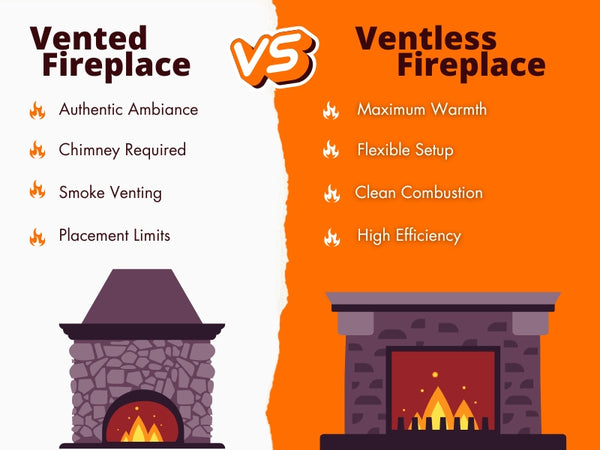
Wall-Mounted Gas Heaters (Vented and Unvented):
Description: These units are often found in specific rooms, directly installed into a wall or fireplace. They provide localized heating.
Installation: Vented models are typically connected to a gas line and require a vent or chimney flue, making them permanently attached. Unvented models may also be hard-piped to a gas line and physically mounted to the wall.
Classification: If hard-piped into the gas line and physically mounted, they are generally considered part of the building. If it’s a surface-mounted unit that could be easily disconnected and moved, it might lean towards personal property, but for most wall-mounted units, especially vented ones, the classification as a building component is strong.
Gas Fireplace Inserts:
Description: These convert a traditional wood-burning fireplace into a gas fireplace.
Installation: They are installed into an existing fireplace opening, often connected to a gas line, and sometimes require venting modifications.
Classification: Usually considered part of the building because they become an integrated feature of the fireplace structure and require a gas line connection.
Gas Water Heaters:
Description: While not for space heating, gas water heaters are vital home appliances that heat water.
Installation: Permanently connected to gas lines, water supply lines, and often a ventilation system (flue).
Classification: Almost always considered part of the building due to their permanent installation and essential function within the home’s utility systems.
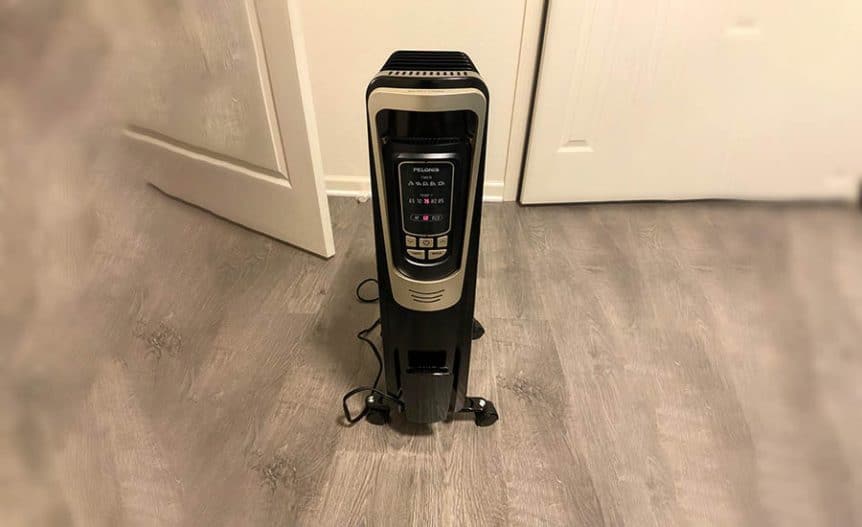
Portable Gas Heaters:
Description: These are freestanding units that can be moved from room to room. They often use propane tanks.
Installation: Not permanently installed. They plug into an outlet (for a fan) or operate solely from a propane tank connection, and can be easily picked up and relocated.
Classification: Definitely considered personal property. They are not built into the structure and do not require permanent alterations to the building.
As you can see, the key factor is the degree of attachment and integration into the home’s structure and utility systems. A central furnace is practically foundational, while a portable heater is like a piece of furniture.
| Type of Gas Heater | Installation Method | Typical Accounting Classification |
|---|---|---|
| Central Gas Furnace | Ductwork, gas lines, electrical, built-in | Part of the Building (Fixed Asset) |
| Gas Boiler | Piping, gas lines, electrical, integrated system | Part of the Building (Fixed Asset) |
| Wall-Mounted Gas Heater (Hard-piped) | Directly mounted, gas lines, sometimes vented | Part of the Building (Fixed Asset) |
| Gas Fireplace Insert | Integrated into fireplace, gas lines | Part of the Building (Fixed Asset) |
| Gas Water Heater | Water lines, gas lines, ventilation, fixed location | Part of the Building (Fixed Asset) |
| Portable Gas Heater | Freestanding, uses propane tank or plugs into standard outlet | Personal Property |
The “Installation” Factor: Why It Matters
Installation isn’t just about putting something in place; it’s about how that item becomes one with your home. When a professional HVAC technician installs a central gas furnace, they connect it to the gas supply, the electrical system, and the entire network of air ducts. This isn’t a quick job, and undoing it isn’t simple. The furnace becomes an indispensable part of your home’s infrastructure.
Think of it like this: if you were to sell your home, would you expect the gas furnace to stay with the house? Absolutely! It’s an assumed part of the deal, just like the built-in plumbing. This expectation further cements its status as a building component.
Conversely, if you sell your home, no one expects you to leave behind your portable gas space heater. That’s something you pack up and take with you. Its installation requires no changes to the building itself, only a fuel source (like a propane tank) or an electrical outlet.
For more insights into the types of systems, you might find resources from the ENERGY STAR program helpful, which often categorizes systems based on their permanent installation and efficiency.
Why Does This Accounting Classification Matter to You?
You might be thinking, “Okay, Tanim, that’s interesting for accountants, but why should I care?” Good question! While you might not be doing complex bookkeeping for your personal home, understanding this distinction can be surprisingly useful in a few scenarios:
1. Home Value and Appraisals
When your home is appraised, for instance, when you’re buying, selling, or refinancing, permanently installed heating systems significantly contribute to the home’s overall value. An appraiser will always consider the condition and type of your central heating and cooling systems as integral parts of the property.
2. Insurance Claims
In the unfortunate event of damage, how your heater is classified can affect insurance claims. A permanently installed furnace, being part of the structure, would typically fall under your dwelling coverage. A portable heater, however, would likely fall under your personal property coverage, similar to your furniture or electronics. The amounts and deductibles for these two types of coverage can be very different.
3. Home Improvement Decisions
If you’re upgrading your heating system, knowing that a new, efficient furnace is a permanent upgrade helps you understand its long-term investment value in your home. It’s not just an expense; it’s an enhancement that adds to your property’s fundamental value and comfort.
4. Rental Property Owners: Depreciation and Taxes (General Information Only)
This is where the accounting rules truly shine. If you own a rental property, the distinction is vital for tax purposes. You can generally deduct a portion of the cost of your fixed assets each year through a process called depreciation. Building components, like a furnace or water heater, are depreciated over a longer period (e.g., 27.5 years for residential rental property), while personal property might be depreciated faster (e.g., 5-7 years). This can impact your taxable income each year. However, please remember that I’m a home heating guide, not a tax advisor. For specific tax advice, always consult with a qualified tax professional or refer to official IRS publications like IRS Publication 527 for residential rental property.
5. Maintenance and Repair Planning
Knowing that your furnace is a core part of your home helps you prioritize its maintenance. Just like you maintain your roof or plumbing, regular checks and servicing for your gas furnace are crucial for the comfort, safety, and longevity of your entire home system. A well-maintained central heating system is an asset, not just an appliance.
Making the Call: Is YOUR Gas Heater Part of the Building?
To help you decide for your own specific gas heater, here’s a quick checklist:
- How is it attached? Is it bolted to the floor, built into a wall, or connected via permanent piping? If so, it leans towards a building component. If it just sits on the floor or plugs into a standard outlet, it’s likely personal property.
- Can it be removed easily without damage? Can you simply unplug it or disconnect a flexible hose and move it? If yes, it’s personal property. If removal would involve tools, cutting pipes, patching walls, or professional help, it’s a building component.
- Is it custom-made or integral to the property’s design? Think of built-in shelving versus a freestanding bookcase. A furnace is certainly integral to the home’s heating design.
- What is its intended use? Is it meant to heat the entire structure (like a furnace) or just a small area temporarily (like a portable heater)? Whole-structure heating points to a building component.
If you’re still unsure, especially if you’re dealing with a unique installation or a rental property, it’s always wise to consult with an accountant or an appraiser. They can provide specific guidance tailored to your situation.
Long-Term Benefits of Properly Classifying Your Heater
Beyond the immediate accounting implications, understanding the classification of your gas heater offers several long-term benefits for a homeowner:
- Informed Budgeting: Knowing if an item is a fixed asset helps you budget for its long-term maintenance and eventual replacement. Fixed assets usually require larger, but less frequent, investments.
- Improved Resale Value: A home with a well-maintained, modern, and energy-efficient central heating system (a fixed asset) is more attractive to buyers and generally commands a higher price. This is because buyers see it as an investment already made in the home’s core functionality.
- Strategic Upgrades: When you consider upgrading from an old furnace to a new, high-efficiency model, you’re not just buying a new appliance; you’re investing in the infrastructure of your home. This perspective can help you choose the right system and understand its overall impact on your property. Resources from the National Renewable Energy Laboratory (NREL) often discuss the long-term value and energy savings of such upgrades.
- Clarity for Legal or Financial Matters: In scenarios like property division during a divorce, establishing collateral for a loan, or inheritance, the clear classification of assets can simplify complex legal and financial discussions.
- Peace of Mind: Simply understanding how your home’s systems are categorized can give you a clearer picture of your assets and liabilities, contributing to overall financial confidence and home management.
Thinking about your gas heater as a fundamental part of your home, much like its walls or roof, changes your perspective from simply using it to actively managing and investing in its contribution to your home’s comfort and value.

FAQ: Gas Heaters and Building Accounting
Q1: Is a natural gas fireplace considered part of the building?
A1: Yes, a natural gas fireplace, especially a built-in unit or an insert that uses a permanent gas line, is generally considered part of the building. It becomes an integrated fixture of the home’s structure.
Q2: If I install a new central gas furnace, is that a capital expense or a regular expense?
A2: Installing a new central gas furnace is almost always considered a capital expense. This means it’s treated as an improvement that adds value and extends the life of the property, rather than a routine repair. For rental properties, it would be depreciated over its useful life.
Q3: Does the cost of installation for a gas heater also get included as part of the building?
A3: Yes, for permanently installed gas heaters like furnaces or boilers, the costs associated with their installation (labor, materials, connection to gas lines, ductwork modifications) are typically capitalized along with the heater itself. These costs are considered necessary to make the asset ready for its intended use.
Q4: What if I move a portable gas heater from one room to another? Does it change its classification?
A4: No, moving a portable gas heater from one room to another does not change its classification. Since it’s not permanently attached to the building, it remains personal property, regardless of its location within the house.
Q5: Are propane tanks for a gas heater considered part of the building?
A5: Generally, no. Propane tanks, even large exterior ones, are typically considered personal property. While they provide fuel for a building component (like a gas furnace), the tank itself is usually not permanently affixed to the building’s structure and can be exchanged or removed.
Q6: Does the size of the gas heater affect whether it’s part of the building?
A6: Not directly. The primary factor is the permanence of its installation and integration, not its physical size. A small wall-mounted, hard-piped gas heater would be considered part of the building, whereas a large, freestanding portable heater would not.
Q7: Can a homeowner ever expense a gas heater installation for tax purposes?
A7: For a personal, owner-occupied home, a gas heater installation is typically considered a non-deductible home improvement. However, if you use a portion of your home for business or have a rental property, certain rules apply. As always, consult a tax professional for advice specific to your financial situation, as I provide general home heating guidance.
Wrapping Up Your Home Heating Accounting Knowledge
As your friendly home heating guide, I hope this deep dive into the accounting aspects of gas heaters has cleared up some of the mystery! The main takeaway is quite simple: if your gas heater is permanently built into your home’s structure, relying on fixed connections like gas lines and ductwork, it’s almost certainly considered a part of the building in accounting terms. Think of your central furnace, boiler, or a hard-piped wall unit – they are fundamental to your home’s existence and value.
On the other hand, if your gas heater is a standalone unit that can be easily moved without changing your home’s structure, like a portable propane heater, it falls under personal property. This distinction isn’t just for number-crunchers; it helps you understand your home’s overall value, how insurance might cover things, and even how you budget for future upgrades. Investing in a permanent heating system isn’t just buying an appliance; it’s investing in the core comfort, safety, and long-term value of your cherished home.
By understanding these basic principles, you’re not just heating your home; you’re smartly managing your biggest asset. Keep those heaters well-maintained, safe, and efficient, and you’ll enjoy a warm, cozy home for years to come with full confidence!