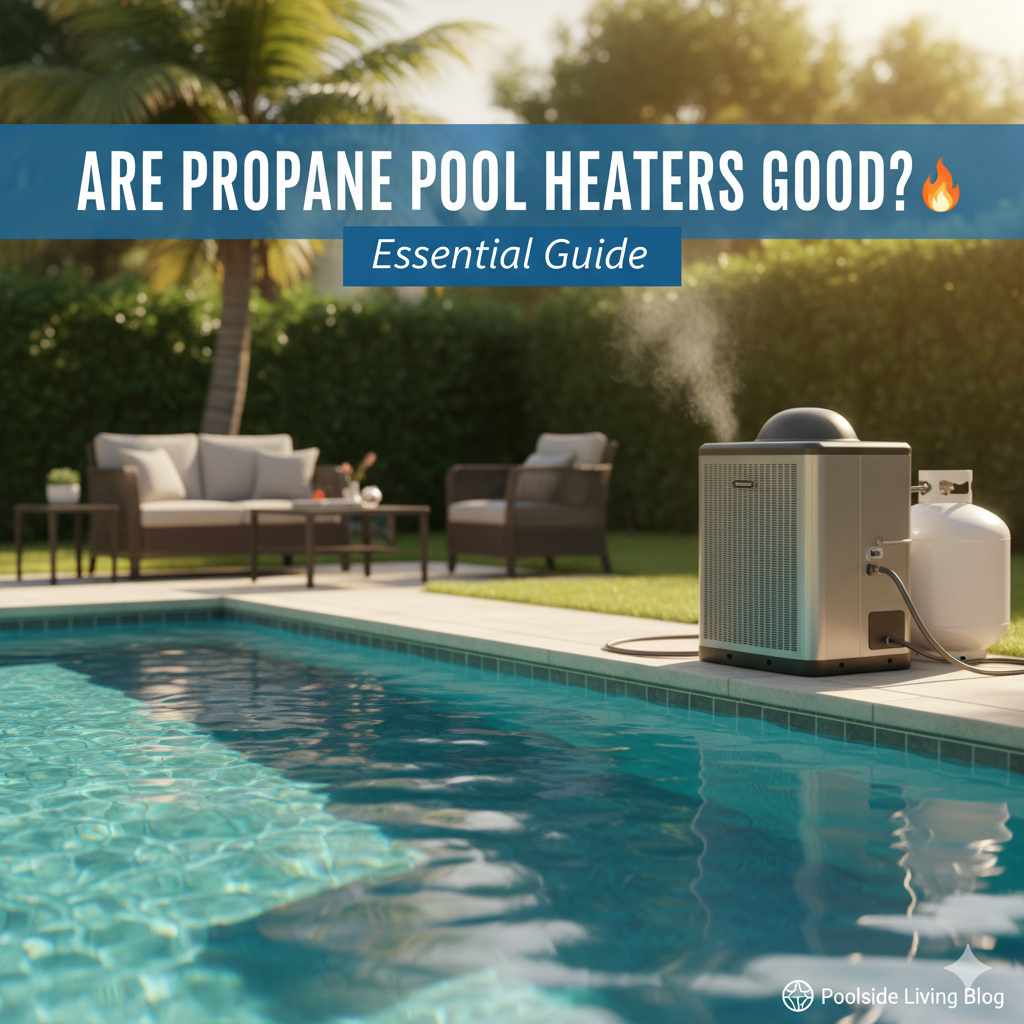
Are Propane Pool Heaters Good for Fast Heating?
Propane pool heaters are a good option for homeowners seeking fast, reliable pool heating, especially for smaller pools or spas. They heat up quickly and are effective in various climates. While they offer convenience, it’s important to consider their operating costs and compare them to other heating methods for your specific needs.
It’s a common frustration: you dream of a warm, inviting swimming pool, but the water is just too chilly to enjoy. You’ve heard about different ways to heat your pool, and now you’re wondering, “Are propane pool heaters good?” It’s a great question, and one we’ll help you answer with confidence. We’ll break down exactly what propane pool heaters are, how they work, and whether they’re the right fit for your backyard oasis. Get ready to feel more informed and comfortable about your pool heating choices!
Understanding Propane Pool Heaters: What Makes Them Tick?
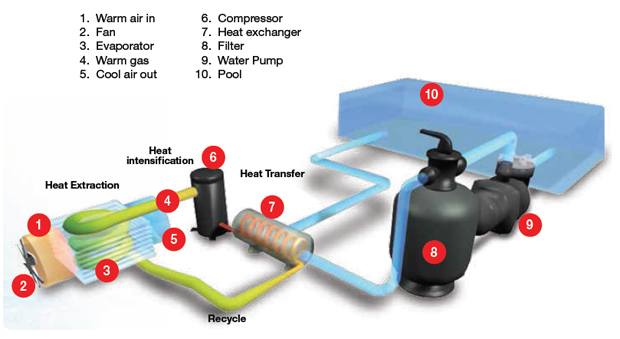
Propane pool heaters use propane gas to generate heat, much like the furnace in your home or a gas grill. When you turn on your pool heater, it ignites propane from a storage tank. This flame heats a metal component called a heat exchanger. As water from your pool circulates through this heat exchanger, it absorbs the heat, warming it up before it flows back into your pool. It’s a straightforward and efficient process designed to get your pool to the perfect temperature relatively quickly.
Think of it like a powerful kettle for your pool. The propane is the fuel, the heat exchanger is the heating element, and your pool pump is what keeps the water flowing through the system. This system allows for controlled heating, giving you the ability to set your desired water temperature.
How quickly can a propane heater warm my pool?
One of the major advantages of propane pool heaters is their speed. They are known for their rapid heating capabilities. If you’re looking to heat a pool from scratch on a cool day or want to quickly bring the temperature up for an impromptu swim, a propane heater can often do the job much faster than some other types of heaters. The exact time will depend on factors like the size of your pool, the starting temperature of the water, the ambient air temperature, and the size (BTU rating) of your heater.
Key Components of a Propane Pool Heater
- Burner Assembly: Where the propane is ignited to create a flame.
- Heat Exchanger: The core component that transfers heat from the flame to the pool water.
- Gas Valve: Controls the flow of propane to the burners.
- Ignition System: Starts the flame safely.
- Thermostat: Allows you to set and maintain your desired pool temperature.
- Water Connections: Where pool water enters and exits the heater.
- Ventilation System: Safely expels exhaust fumes.

Are Propane Pool Heaters Good? The Pros and Cons Explained
When considering if “are propane pool heaters good” for your situation, it’s helpful to look at the advantages and disadvantages. Every heating system has its strengths and weaknesses, and understanding these will help you make the best decision for your pool and your budget.
The Upside: Why a Propane Heater Might Be Right for You
- Fast Heating: As mentioned, propane heaters are among the quickest ways to heat a pool. If you want immediate warmth, this is a significant benefit.
- Effective in Cold Weather: Propane heaters perform well even when the outside air temperature is quite low. This makes them a good choice for extending your swimming season in cooler climates. Studies by the Department of Energy suggest that while efficiency can vary, gas heaters generally offer consistent performance across a range of temperatures.
- Lower Upfront Cost (Often): Compared to some other pool heating options, like solar heaters (which can have high initial installation costs) or geothermal systems, propane pool heaters can sometimes have a more affordable initial purchase price.
- Smaller Pool/Spa Friendly: They are particularly well-suited for heating smaller pools, hot tubs, and spas because they can quickly bring the water up to temperature.
- Portable Options: For smaller above-ground pools or temporary setups, portable propane heaters are available, offering flexibility.
- Reliable Performance: Propane heaters provide consistent heating regardless of sunlight or the ambient air temperature, unlike solar heaters.
The Downside: Things to Consider with Propane Heating
- Operating Costs: Propane is a fossil fuel, and its price can fluctuate. Running a propane pool heater regularly, especially for larger pools or during extended swimming seasons, can lead to significant propane bills. This is often the biggest drawback.
- Environmental Impact: Burning propane produces greenhouse gas emissions. If environmental sustainability is a primary concern for you, you might want to explore alternatives.
- Requires Propane Tank: You’ll need a propane tank on your property, which requires space, periodic refilling, and adherence to safety regulations for placement and maintenance.
- Efficiency Can Vary: While they heat fast, their energy efficiency can be lower than some other methods. You might be using more energy (and paying more) to achieve the same level of warmth compared to a high-efficiency solar or electric heat pump.
- BTU Considerations: To heat a pool effectively, you need to choose a heater with the correct British Thermal Unit (BTU) rating. An undersized heater will struggle to maintain temperature and run constantly, increasing costs. An oversized one is an unnecessary expense. Sizing is crucial for performance and efficiency.
Propane Pool Heaters vs. Other Options: A Quick Comparison
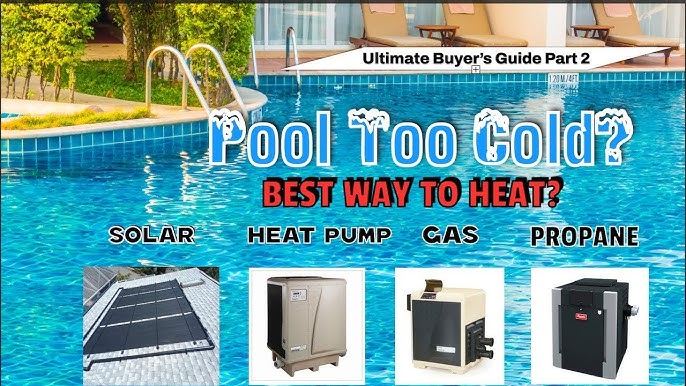
To truly decide if propane heaters are good for you, let’s see how they stack up against other popular choices.
| FeaturePropane HeaterSolar HeaterElectric Heat PumpNatural Gas Heater | ||||
|---|---|---|---|---|
| Heating Speed | Fast | Slow (depends on sun) | Moderate | Fast |
| Operating Cost | Moderate to High (variable propane cost) | Very Low (free sun energy) | Low to Moderate (depends on electricity rates) | Low to Moderate (depends on natural gas rates) |
| Upfront Cost | Moderate | High (especially for roof panels) | Moderate to High | Moderate |
| Climate Suitability | Excellent (works in any weather) | Best in Sunny Climates | Good (less efficient in very cold temps) | Excellent (works in any weather) |
| Environmental Impact | Moderate (emissions) | Low | Low to Moderate (depends on electricity source) | Moderate (emissions) |
As you can see, propane heaters offer a balance of speed and reliability, but often come with higher ongoing fuel costs than solar or electric heat pumps, especially if you rely on them heavily.
Choosing the Right Propane Heater: What to Look For
If you’ve decided that a propane pool heater is a good fit for your needs, the next step is choosing the right one. Here’s what you should consider:
1. BTU Rating: The Heart of Your Heater
BTU stands for British Thermal Unit, which is a measure of heat energy. The higher the BTU rating, the more heat the heater can produce. The required BTU for your pool depends on several factors:
- Pool Size: Larger pools naturally require more BTUs.
- Climate: Colder climates or areas with strong winds mean you’ll need a higher BTU rating to overcome heat loss.
- Desired Temperature Rise: How much warmer do you want your pool to be than the ambient temperature?
- Average Air Temperature: How often will you be swimming when the air is cool?
Manufacturers provide charts to help you select the appropriate BTU based on your pool size and climate. For example, a common range for a backyard pool might be anywhere from 100,000 BTU for a small spool or large spa, up to 400,000 BTU for a larger in-ground pool.
2. Energy Efficiency
While all propane heaters consume fuel, some are more efficient than others. Look for heaters with higher-efficiency ratings. The Propane Education & Research Council (PERC) offers resources that discuss efficiency standards. Look for information on their efficiency percentage, which indicates how much of the fuel’s energy is converted to heat for your pool water.
3. Heater Type: Gas vs. Electric Ignition
- Millivolt Systems: These are common and reliable. They don’t require an external electrical connection, making installation simpler in some cases. They use the heat from the pilot light to generate a small amount of power for the thermostat and gas valve.
- Electronic Ignition Systems: These systems use an electronic igniter to light the main burner. They are often more energy-efficient as they don’t have a constantly burning pilot light. They do require a standard electrical connection.
4. Materials and Durability
Look for heaters made with durable materials that can withstand outdoor elements and prolonged exposure to pool chemicals. Stainless steel or cupronickel heat exchangers are good indicators of quality and longevity.
5. Brand Reputation and Warranty
Stick with reputable brands known for making reliable pool equipment. Read reviews and check the warranty offered. A good warranty can give you peace of mind in case of unexpected issues.
Installation: Getting Your Propane Heater Set Up
Installing a pool heater involves working with gas lines and water plumbing, which can be complex and requires adherence to safety codes. For this reason, it is highly recommended to have a qualified pool professional or a licensed gas technician install your propane pool heater.
However, understanding the basic steps can help you communicate effectively with your installer and know what to expect.
General Installation Steps (Professional Installation Recommended)
- Site Preparation: The installer will choose a suitable, level location for the heater, ensuring proper clearance for ventilation and future servicing. The heater must be installed at least 5 feet away from any doors, windows, or air intakes, and according to local building codes and manufacturer specifications. It also needs to be protected from flooding.
- Plumbing Connections: The installer will connect the heater to your pool’s existing plumbing system. This involves diverting a portion of the pool water through the heater and back into the pool. A bypass valve setup is often installed, allowing the heater to be isolated for maintenance without shutting down the entire pool filtration system.
- Gas Line Installation: A dedicated gas line will be run from your propane tank to the heater. This involves proper sizing of the gas pipe and ensuring all connections are secure and leak-free. The National Fire Protection Association (NFPA) 58 sets standards for the storage and handling of liquefied petroleum gases, which licensed installers will follow.
- Electrical Connection (if applicable): For electronic ignition models, an electrical connection will be made to power the ignition system and thermostat.
- Ventilation: Proper venting of exhaust gases is crucial for safety. The installer will ensure the heater’s vent is correctly positioned and directed away from any occupied areas.
- Testing and Commissioning: Once installed, the heater will be fired up, tested, and adjusted to ensure it’s operating safely and efficiently. The thermostat will be set, and the system checked for leaks and proper function.
Important Safety Note: Improper installation can lead to gas leaks, fire hazards, or carbon monoxide poisoning. Always prioritize professional installation for your safety and the longevity of your equipment.
Operating Your Propane Pool Heater: Tips for Efficiency and Longevity
Once your heater is installed, using it wisely can help manage costs and keep it running smoothly for years to come. Are propane pool heaters good at maintaining warmth without breaking the bank? With smart operation, they can be!
1. Set the Right Temperature
You don’t need to keep your pool at a tropical 90°F (32°C) all the time. For general comfort, temperatures between 80-85°F (27-29°C) are usually ideal. Every degree higher significantly increases heating costs. Only heat the pool when you plan to use it, or set a slightly lower “standby” temperature and raise it a few hours before swimming.
2. Use a Pool Cover!
This is arguably the single most effective way to reduce heating costs and time. A pool cover acts as an insulator, preventing heat from escaping into the atmosphere, especially overnight. It also keeps debris out, reducing filtration load. For every 10°F (5.5°C) that the pool water is warmer than the air, you lose about twice as much heat as when it’s only 5°F (2.8°C) warmer. A cover dramatically cuts down that loss.
3. Maintain Your Pool Water Chemistry
Properly balanced pool water is essential for the health of your heater. Corrosive water (low pH, low alkalinity) can damage the heat exchanger over time, reducing its efficiency and lifespan. Follow your pool professional or a reliable guide for maintaining correct pH, alkalinity, and sanitizer levels.
4. Regular Maintenance is Key
Like any appliance, your propane pool heater needs regular check-ups. This usually includes:
- Annual Servicing: Have a qualified technician inspect and service the heater annually. They’ll clean the burners, check for corrosion, inspect the heat exchanger, and ensure all safety features are working correctly.
- Clean Filter and Skimmer Baskets: Ensure good water flow to the heater by keeping your filters and skimmer baskets clean.
- Check for Debris: Keep the area around the heater clear of leaves and debris to ensure proper ventilation.
5. Understand Your Propane Usage
Keep an eye on your propane tank levels. If you notice you’re using propane faster than expected, it might be a sign of a leak, an inefficient heater, or that your heater is undersized for your needs. Contact your propane supplier or a pool professional if you have concerns.

FAQ: Answering Your Top Questions About Propane Pool Heaters
We’ve covered a lot, but you might still have a few questions buzzing around. Here are some common ones:
Q1: How much does it cost to run a propane pool heater?
The cost varies greatly depending on propane prices in your area, the size of your pool, how often you heat it, and your desired temperature. Because propane is a fuel source that needs to be purchased, it can be more expensive to run than solar or electric heat pumps if used frequently. It’s best to get quotes from your local propane supplier for current pricing.
Q2: Can I use a propane heater for an in-ground pool?
Yes, propane heaters are often used for both in-ground and above-ground pools. For larger in-ground pools, you’ll need a higher BTU-rated heater, and you should be prepared for higher propane consumption compared to smaller pools or spas.
Q3: Do propane pool heaters need a lot of space?
Propane pool heaters themselves are moderately sized, similar to a small air conditioning unit. However, you also need space for the propane tank, which can be quite large depending on your usage and refill schedule. Ensure you have adequate clearance around the heater for ventilation and access, as per manufacturer and local code requirements.
Q4: How often do propane tanks need refilling?
This depends entirely on your heating usage. If you heat your pool frequently or for long periods, you’ll need refills more often. For moderate use, a standard-sized tank might last an entire swimming season or part of one. It’s wise to monitor your tank level and schedule refills before it runs empty.
Q5: Are propane pool heaters safe?
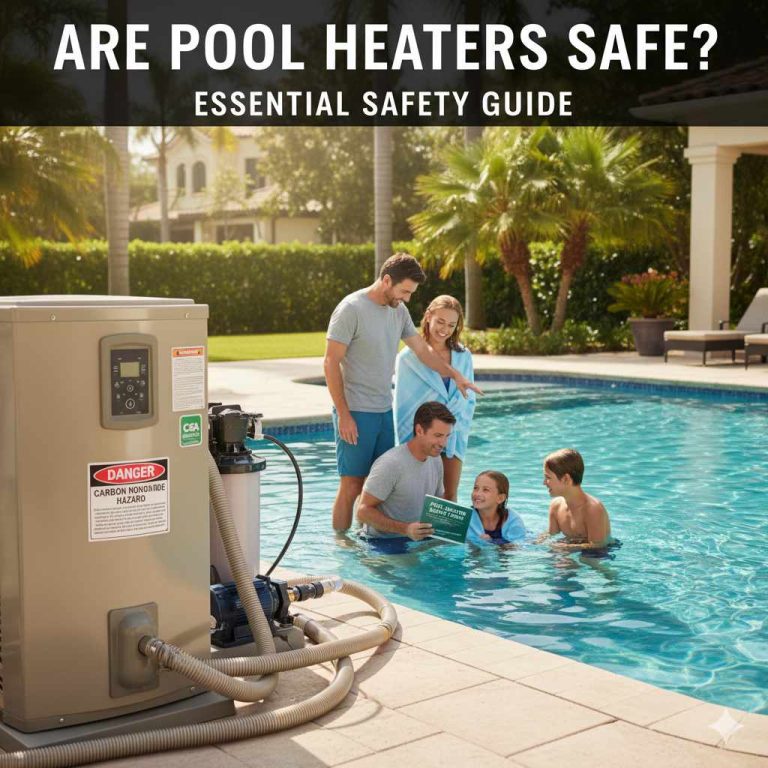
When installed and maintained correctly by professionals, propane pool heaters are safe. They are designed with numerous safety features to prevent issues like gas leaks or backdrafts. However, as with any gas appliance, ensuring proper ventilation and regular maintenance by qualified technicians is paramount for safety.