Are Timers Mandatory on Outdoor Heaters?
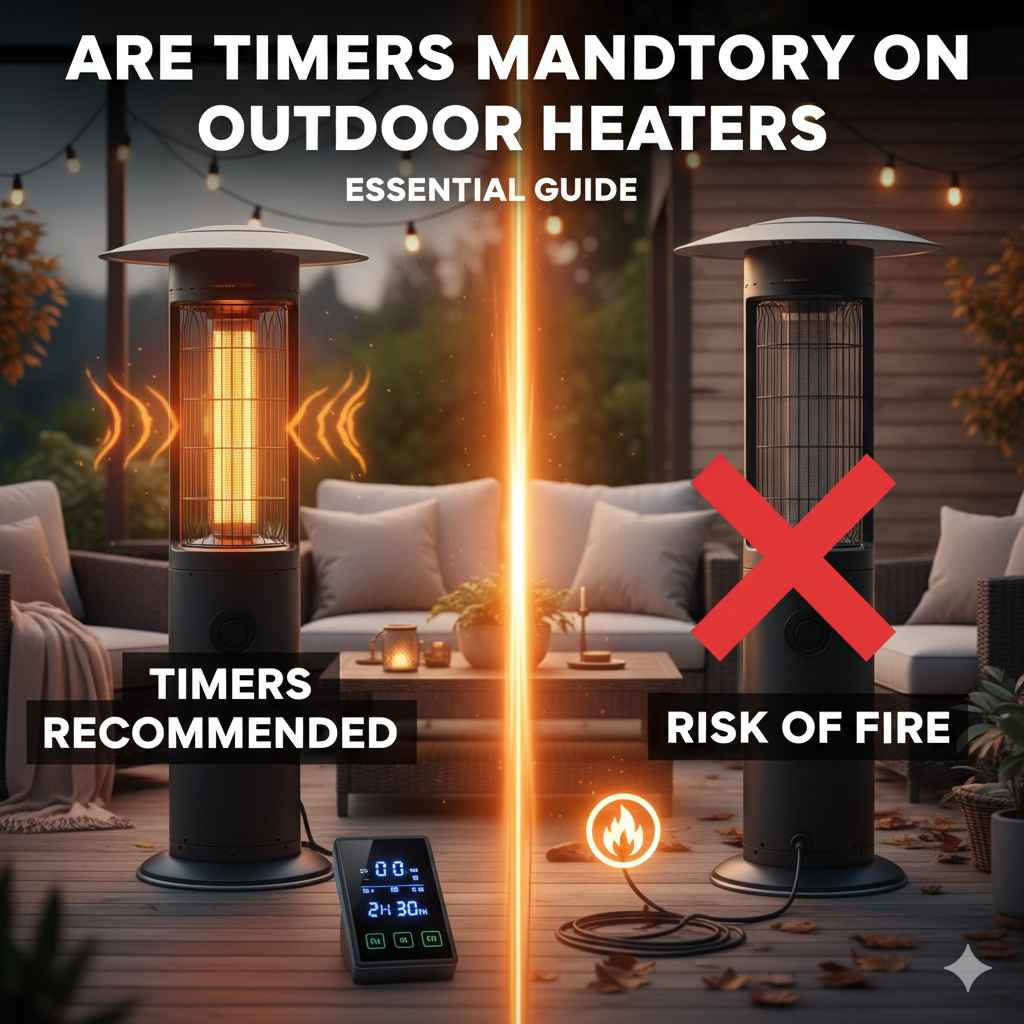
No, timers are not mandatory on most outdoor heaters, but they are highly recommended for safety, convenience, and energy efficiency. You can use outdoor heaters safely without one, but a timer offers significant benefits, especially for gas-powered units. This guide will help you understand why and how.
Keeping your outdoor space cozy is a wonderful way to extend the enjoyment of your home, no matter the season. Many homeowners grapple with how to best manage their outdoor heating solutions, especially when it comes to timers. You might wonder, “Are timers mandatory on outdoor heaters?” The good news is, for most everyday use, they aren’t strictly required. However, understanding their role is key to ensuring safety, saving energy, and maximizing comfort. This guide will walk you through everything you need to know about timers for your outdoor heaters, demystifying their importance and showing you how they work, so you can make informed decisions for your perfect outdoor oasis.
We’ll explore how different types of outdoor heaters interact with timers, the safety implications, and practical tips for integration. By the end of this guide, you’ll feel confident about using your outdoor heater safely and efficiently, with or without a built-in timer.
Understanding Outdoor Heaters and Timers
Outdoor heaters are fantastic for creating warm, inviting atmospheres on patios, decks, and balconies. They come in various forms, from elegant propane patio heaters to efficient electric models, and even charming wood-burning fire pits. Each type has its own characteristics, and understanding these can help you decide if a timer is a good fit for your setup.
Types of Outdoor Heaters
The need for or benefit of a timer can vary depending on the type of outdoor heater you have:
- Propane/LPG Patio Heaters: These are very common and work by burning propane gas. Because they involve a fuel source that needs management, timers can be particularly useful for ensuring they don’t run longer than intended.
- Natural Gas Patio Heaters: Similar to propane heaters, these are connected to your home’s natural gas line. While less portable, they also benefit from controlled run times.
- Electric Patio Heaters: These plug into a standard electrical outlet and convert electricity into heat. They are generally considered safer, as they don’t involve combustion, but timers can still help manage electricity usage and ensure they turn off.
- Infrared Heaters (Radiant Heaters): Both gas and electric versions of infrared heaters direct heat towards people and objects, rather than just warming the air. Timers offer the same benefits of control and efficiency for these types.
- Wood-Burning Fire Pits & Chimineas: These are less commonly used with timers due to their manual nature of operation and the need for constant supervision when in use.
What is an Outdoor Heater Timer?
An outdoor heater timer is essentially a device that allows you to set specific times for your heater to turn on or off. It acts as an automated switch, putting you in complete control of your heater’s operation without you having to be there to flip the switch manually. These can come in a few forms:
- Built-in Timers: Some modern electric outdoor heaters might have a timer function integrated into their controls.
- External Plug-in Timers: For electric heaters, you can purchase an outdoor-rated digital or mechanical timer that the heater’s plug goes into. The timer then plugs into the wall outlet.
- Smart Plugs: These Wi-Fi enabled devices can be controlled via a smartphone app, allowing for scheduling, remote on/off functionality, and sometimes even monitoring of energy usage. They function similarly to external plug-in timers but offer advanced features.
- For Gas Heaters: Timers aren’t typically integrated directly into propane or natural gas heaters. However, some sophisticated installations might use smart valves or control systems that incorporate timer functions for automated start and stop sequences, though this is less common for residential use and often requires professional installation. For most homeowners with gas heaters, the “timer” aspect is more about mindful manual shut-off, but external safety switches or programmed pilot lights could offer some control.

Why Consider Using a Timer with Your Outdoor Heater?
While not always a mandatory component, integrating a timer can significantly enhance your outdoor heating experience. The benefits span across safety, energy savings, and sheer convenience, making it a worthwhile consideration for many.
Safety First: Preventing Overheating and Unattended Operation
Safety is paramount when dealing with any heating appliance, especially those that involve heat or fuel. Timers play a crucial role in enhancing the safety of your outdoor heating setup:
- Preventing Unattended Operation: One of the most significant safety benefits of a timer, especially for gas heaters, is ensuring they don’t accidentally remain on all night or when no one is around to supervise. This reduces the risk of fire hazards, damage to surrounding materials, or accidental burns.
- Controlled Fuel Usage (Gas Heaters): For propane and natural gas heaters, timers can help ensure that the gas is not left running unnecessarily. While a heater should always be manually turned off at the source in a gas system, a timer adds an extra layer of security, acting as a failsafe.
- Avoiding Overheating Adjacent Structures: Outdoor heaters, particularly powerful ones, can generate a lot of heat. If placed too close to combustible materials like wooden fences, furniture, or overhanging structures, unattended operation can lead to scorching or even fire. A timer ensures the heater is off when not actively needed, minimizing this risk.
- Peace of Mind: Knowing that your heater will automatically shut off at a set time provides significant peace of mind, especially if you tend to forget things or feel uneasy leaving appliances running.
Energy Efficiency and Cost Savings
Outdoor heaters can consume a considerable amount of energy, whether it’s electricity or gas. Using a timer can help you manage this consumption effectively:
- Preventing Wasted Energy: There’s no need to heat an empty patio. A timer ensures your heater only runs when you’re actually using the outdoor space. This prevents energy from being wasted on hours when the area is unoccupied.
- Optimized Heating Schedules: You can program your heater to turn on just before you plan to go outside and turn off shortly after you typically come inside. This ensures comfort when you need it without keeping it running for hours on end.
- Reduced Utility Bills: By cutting down on unnecessary run times, you directly reduce your consumption of electricity or gas, leading to lower monthly utility bills. For electric heaters especially, which can draw significant power, this can be a noticeable saving.
Convenience and Comfort Enhancement
Beyond safety and savings, timers offer a level of convenience that can truly transform your outdoor living experience:
- Automatic Comfort: Imagine stepping out onto your deck on a chilly evening, and your patio heater has already turned on to greet you with warmth. With a timer, you can pre-set your heater to be ready exactly when you are.
- Effortless Operation: No more fumbling for switches or remembering to turn the heater off as you head inside for the night. The timer handles it all automatically, allowing you to relax and enjoy your time outdoors.
- Integration with Smart Home Systems: For those with smart plugs, the convenience is taken a step further. You can often control and schedule your heater from anywhere using your smartphone, which is perfect for unexpected cool evenings or when you’re entertaining guests.
Implementing Timers with Outdoor Heaters: A Practical Approach
Adding a timer to your outdoor heating setup can be straightforward, depending on the type of heater you own. Here’s how you can approach it:
For Electric Outdoor Heaters
Electric heaters are the easiest to integrate with timers. You have several options:
Option 1: Using an Outdoor-Rated Plug-in Timer
This is the most common and accessible method for electric heaters.
- Purchase the Right Timer: Ensure you buy a timer specifically designed for outdoor use. These are built to withstand moisture, dust, and temperature fluctuations. Look for timers with a weather-resistant casing and appropriate electrical ratings (check your heater’s wattage and amperage). Reputable brands often have “outdoor” clearly marked on the packaging.
- Set Up the Timer: Follow the manufacturer’s instructions for your specific timer. This usually involves setting the current time and then programming your desired on/off schedule by pressing buttons or turning dials. Most digital timers allow for multiple on/off cycles per day.
- Connect the Heater: Plug the outdoor heater directly into the timer’s outlet.
- Plug the Timer into the Wall: Plug the timer (with the heater connected) into your outdoor-rated electrical outlet.
- Test the Schedule: Allow the timer to run through a cycle to ensure it’s working as programmed.
Option 2: Using a Smart Plug
Smart plugs offer more flexibility and control.
- Choose a Smart Plug: Select an outdoor-rated smart plug that is compatible with your home’s Wi-Fi network and your preferred smart home ecosystem (e.g., Google Home, Amazon Alexa).
- Download the App and Connect: Follow the smart plug manufacturer’s instructions to download their app and connect the plug to your Wi-Fi network.
- Schedule Your Heater: Use the smartphone app to set detailed schedules for your heater. You can often create custom schedules for different days of the week, set countdown timers, or even control the heater remotely.
- Connect and Test: Plug your outdoor heater into the smart plug, and then plug the smart plug into your outdoor outlet. Test the schedule via the app to confirm it’s working correctly.
Option 3: Heaters with Built-in Timers
Some electric heaters come with this feature integrated into the unit.
- Consult Your Heater’s Manual: If your electric heater has a timer function, refer to its user manual for specific operating instructions.
- Program Directly: You’ll typically program the timer using buttons or a small display on the heater itself. Follow the prompts to set your desired run times.
- Enjoy Automatic Operation: Once programmed, the heater will operate according to your schedule without needing any external devices.
For Gas Outdoor Heaters (Propane & Natural Gas)
Timers are not a standard feature for most residential gas outdoor heaters. This is primarily because gas heaters involve a direct fuel connection and open flame, requiring more direct supervision and manual shut-off at the source (gas valve or propane tank). However, there are indirect ways to think about controlled operation:
- Manual Operation is Key: For most gas heaters, the safest and most common method is diligent manual operation. Always turn the heater off at the gas valve or propane tank when not in use. Regularly inspect hoses and connections for any signs of wear or leakage. You can learn more about the safe handling of propane tanks from resources like the Propane Education & Research Council.
- Professional Smart Installations: For very high-end or custom installations, some may integrate automated control systems. These systems, often managed by a professional, can include features that automate the ignition and shut-off of gas appliances based on schedules or even sensor input. However, these are complex and typically go beyond the scope of simple timers.
- Focus on Best Practices: Since direct timers are uncommon for gas heaters, focus on establishing strict habits:
- Always turn off the gas control knob on the heater.
- Always turn off the supply valve attached to the propane tank or the natural gas line.
- Visually check the heater and its surroundings are clear of flammable materials before and after use.
- Ensure adequate ventilation, especially for propane heaters.
Choosing the Right Type of Timer
When selecting a timer for your electric outdoor heater, consider these factors:
- Durability and Weather Resistance: This is non-negotiable for outdoor use. Look for IP ratings (Ingress Protection) indicating resistance to dust and water, especially if your desired outlet location is exposed.
- Electrical Load Capacity: Ensure the timer’s maximum amperage and wattage rating meet or exceed your heater’s requirements. Exceeding these limits can be a fire hazard. Check your heater’s label or manual for its specifications.
- Ease of Programming: Do you prefer simple mechanical dials or advanced digital programming with a smartphone app? Choose based on your comfort level with technology.
- Number of On/Off Cycles: If you need precise scheduling (e.g., turn on at 6 PM, off at 10 PM every day), a digital timer or smart plug offers more flexibility than basic mechanical timers.
- Safety Certifications: Look for safety certifications like UL (Underwriters Laboratories) or ETL (Intertek), ensuring the product has met safety standards.
Important Considerations and Best Practices
Maximizing the benefits of any timer while ensuring safety requires attention to a few key details and adhering to best practices.
Installation and Placement
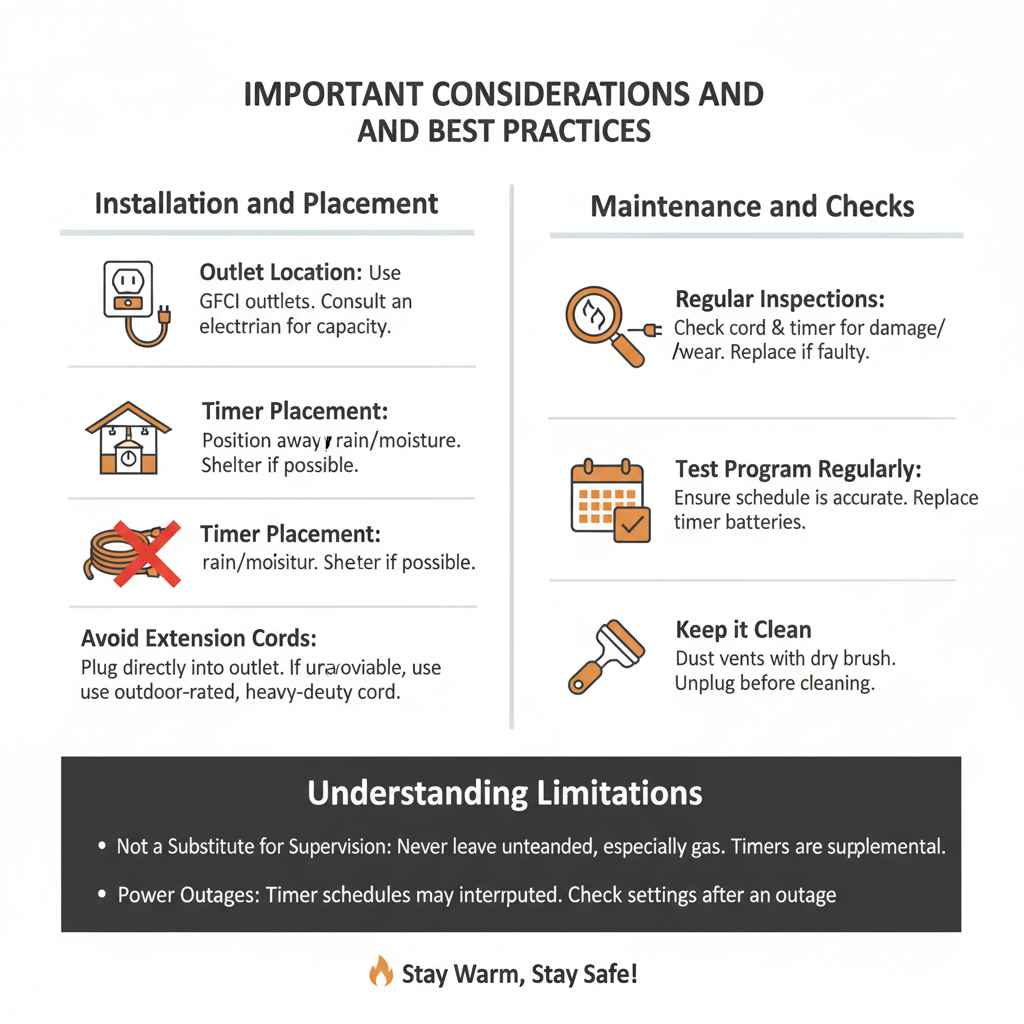
- Outlet Location: Ensure your outdoor outlet is suitable for the electrical load of both the heater and any timer. If you’re unsure about your home’s electrical capacity, consult a qualified electrician. For optimal protection, use Ground Fault Circuit Interrupter (GFCI) outlets, which are designed to shut off electricity in case of a fault.
- Timer Placement: Position mechanical or digital timers away from direct rain, snow, or excessive moisture if they aren’t fully waterproof. While outdoor timers are designed for exposure, keeping them somewhat sheltered can prolong their lifespan. Smart plugs often have a slightly more robust build or can be placed in a weatherproof box.
- Avoid Extension Cords (If Possible): While some outdoor-rated extension cords are available, it’s always best to plug timers and heaters directly into a permanent outdoor outlet if your setup allows. Using extension cords, especially if they are not heavy-duty and outdoor-rated, can pose a fire hazard or allow for moisture ingress. If an extension cord is unavoidable, ensure it’s specifically rated for outdoor use and the appropriate gauge for the heater’s power draw. Consult resources from the National Fire Protection Association (NFPA) for general heating safety tips.
Maintenance and Checks
- Regular Inspections: Periodically check the timer, heater cord, and outlet for any signs of damage, corrosion, or wear. A damaged cord or timer can be a serious safety risk.
- Test Program Regularly: Ensure your timer is still accurately holding its programmed schedule. Batteries in digital timers may need replacing periodically.
- Keep it Clean: Dust and debris can build up in timers and outlets. Gently clean them with a dry brush or compressed air when they are unplugged and the heater is cold.
Understanding Limitations
- Not a Substitute for Supervision: Even with a timer, it’s crucial to never leave any heating appliance unattended for extended periods, especially gas units. Timers are supplemental safety devices, not replacements for responsible use.
- Power Outages: If there’s a power outage, your timer’s schedule will be interrupted. Depending on the timer type, it may reset or lose its programming. Be aware of this and check your setup after an outage.
- Weather Conditions: While outdoor timers are designed for inclement weather, extreme conditions (e.g., heavy thunderstorms, prolonged freezing temperatures) can still impact performance or lifespan.
Frequently Asked Questions (FAQ)
Q1: Are timers mandatory for electric outdoor heaters?
A1: No, timers are not mandatory for electric outdoor heaters. You can operate them safely by manually turning them on and off. However, they are highly recommended for convenience and energy savings.
Q2: Can I use a regular indoor timer for my outdoor heater?
A2: Absolutely not. Indoor timers are not designed to be exposed to outdoor elements like moisture or extreme temperatures and can be a serious fire hazard. Always use an outdoor-rated timer.
Q3: How do I know what electrical rating my timer needs?
A3: Check the heater’s manual or look for a label on the heater itself for its wattage or amperage. Your timer must have a rating that is equal to or greater than the heater’s requirement to operate safely.
Q4: My gas patio heater doesn’t have a socket for a timer. What should I do?
A4: Most residential gas patio heaters are not designed to work with timers due to their direct gas connections and open flame. For safety, these units typically rely on manual operation. Always ensure you turn off both the heater’s control knob and the main gas supply valve (on the tank or line) when not in use.
Q5: Are smart plugs a safe option for outdoor electric heaters?
A5: Yes, as long as you choose an outdoor-rated smart plug that is specifically designed for use in wet or damp locations. These devices offer convenient scheduling and remote control while meeting safety standards for outdoor use.