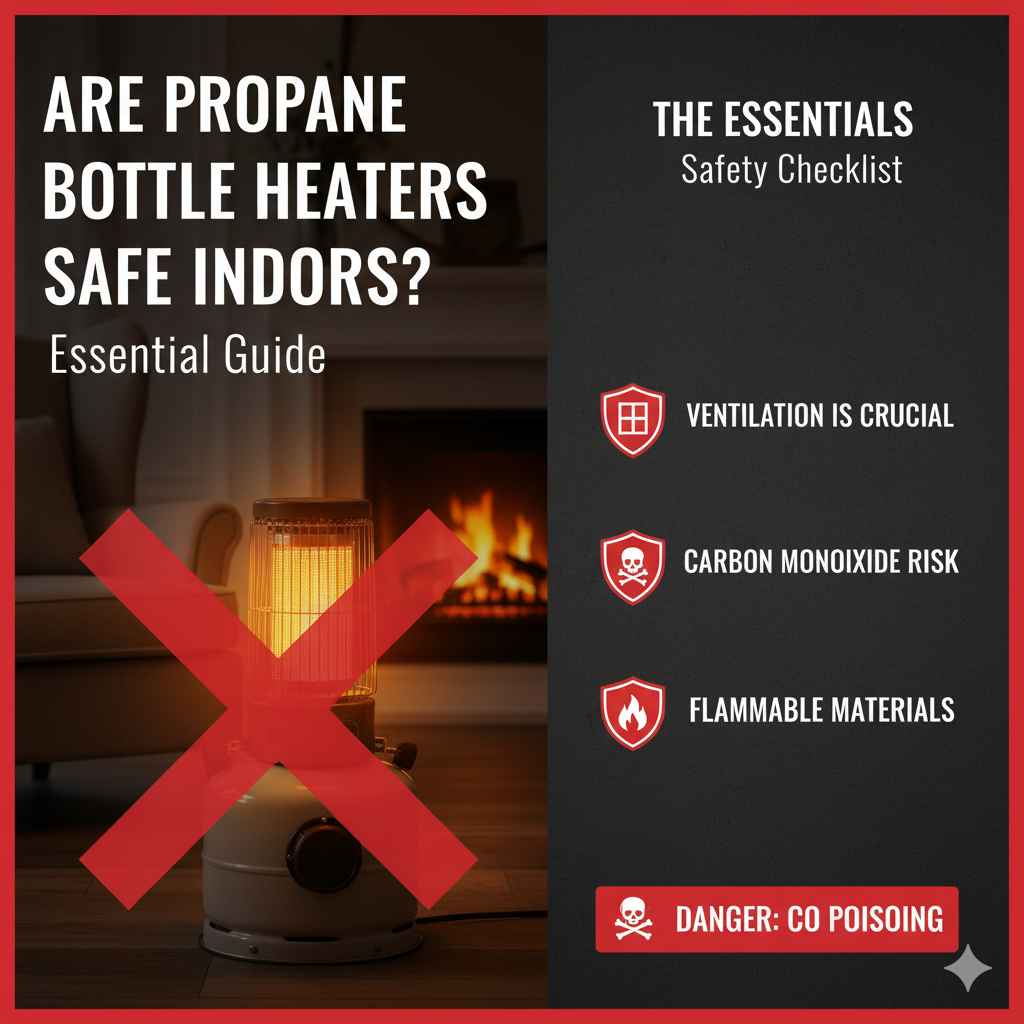
Are Propane Bottle Heaters Safe Indoors?
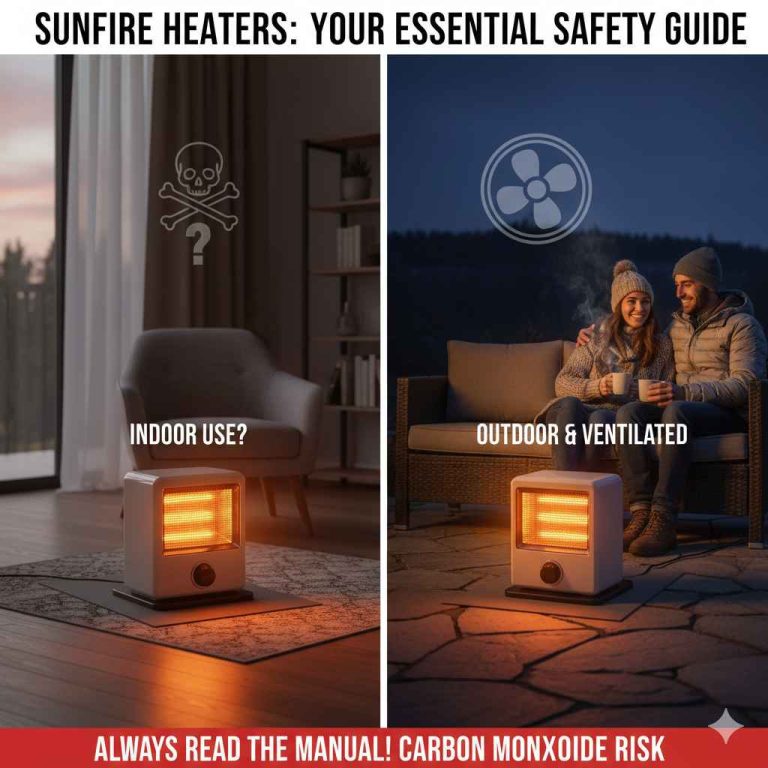
Propane bottle heaters can be safe indoors if used correctly and with proper ventilation. Never use them in enclosed, unventilated spaces due to the risk of carbon monoxide poisoning and fire. Always follow manufacturer instructions and safety guidelines.
Feeling a chill indoors and eyeing that portable propane heater? You’re not alone! Many homeowners wonder if these convenient heaters are a safe bet for warming up a room. It’s a common concern, and understanding the “yes, but” is key to staying cozy and safe. We’ll break down exactly what you need to know, step-by-step, so you can make an informed decision.
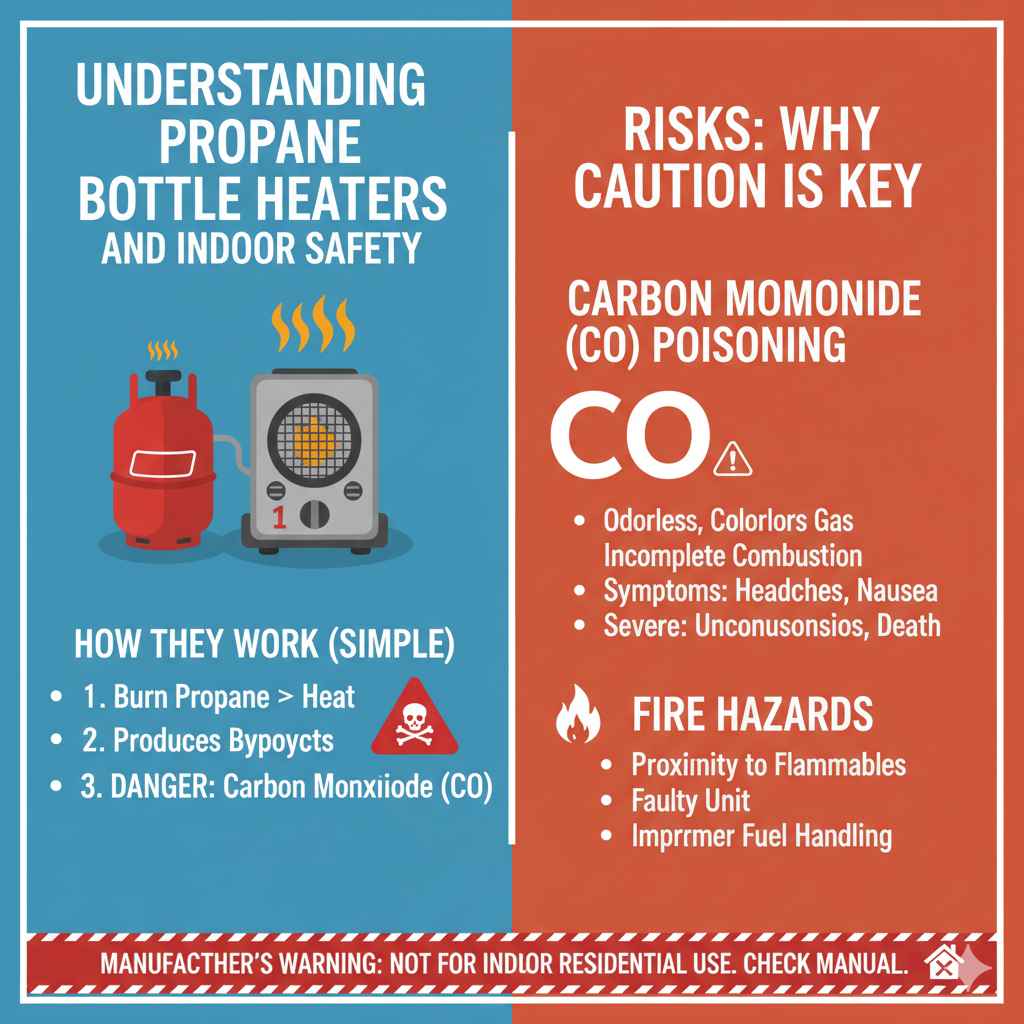
Understanding Propane Bottle Heaters and Indoor Safety
Propane heaters have grown in popularity for their portability and ability to provide quick heat. They run on small, disposable propane cylinders – think those familiar 1-pound tanks. While incredibly useful for outdoor spaces like patios or garages, their use indoors needs careful consideration. The big question is: are the propane bottle heaters safe indoors? The answer is a nuanced one, hinging entirely on proper usage, ventilation, and awareness.
How Propane Heaters Work (The Simple Version)
At their core, these heaters are designed to burn propane fuel. When propane burns, it releases heat. However, this combustion process also produces byproducts, the most dangerous of which is carbon monoxide (CO). This is an odorless, colorless gas that can be deadly in high concentrations. This is the primary reason why indoor use requires extreme caution.
The Risks: Why Caution is Key
The main dangers associated with using propane bottle heaters indoors stem from two primary issues:
- Carbon Monoxide (CO) Poisoning: When propane isn’t burned completely, carbon monoxide is released. In a poorly ventilated indoor space, CO can build up to dangerous levels quickly. Symptoms can include headaches, dizziness, nausea, and in severe cases, unconsciousness and death.
- Fire Hazards: Like any heating device, propane heaters pose a fire risk if misused. Proximity to flammable materials, a faulty unit, or improper fuel handling can all lead to a fire.
Because of these risks, most manufacturers explicitly state that their small propane bottle heaters are NOT intended for indoor residential use. Always check the product manual for specific warnings and recommendations. Portable propane heaters designed for indoor use exist, but they typically have advanced safety features and different fuel sources, often requiring a connection to larger propane tanks in a well-ventilated area, not small disposable bottles in a sealed room.
When is it “Okay” (with Extreme Caution)?
There are very specific, limited scenarios where a propane bottle heater might be considered for indoor use, but only with rigorous adherence to safety protocols. These are generally NOT for primary home heating but for temporary, well-managed situations.
- Emergency Situations: If the main power goes out during extreme cold and you have no other options, a propane heater might be used for a brief period in a large, well-ventilated space.
- Well-Ventilated Garages or Workshops: Using these heaters in a large, open garage or workshop with the main door open or significant airflow is a more common and generally safer application.
It’s crucial to understand that “well-ventilated” in this context means a constant supply of fresh air. A slightly ajar door is usually not enough. Think of an open-air shelter or a space with active air exchange.
Essential Safety Steps for Indoor Use (If Absolutely Necessary)
If you find yourself in a situation where using a portable propane bottle heater indoors feels like the only option, follow these steps meticulously. Remember, these are emergency or specific workshop-use guidelines, not recommendations for everyday home heating.
Know When to Stop: If you feel dizzy, have a headache, or experience any concerning symptoms, turn off the heater immediately and ventilate the area.
Read the Manual: This is non-negotiable. Understand your specific heater’s operation and safety warnings.
Ensure Maximum Ventilation: Open windows and doors, or ensure there’s constant air flow. If the space isn’t actively being ventilated, do not use the heater.
Use a Carbon Monoxide Detector: This is your most critical safety tool. Have a battery-operated CO detector plugged in and functioning in the same room. Test it regularly.
Keep it Away from Flammables: Maintain at least a 3-foot (approximately 1-meter) radius around the heater, clear of curtains, furniture, bedding, paper, rugs, and anything that can burn.
Place on a Stable Surface: Ensure the heater sits on a level, stable surface to prevent tipping.
Never Leave Unattended: Always supervise the heater when it’s in use. Never sleep with it running.
Check for Leaks: Before lighting, check the connection between the propane cylinder and the heater for leaks. You can often use soapy water; if it bubbles, there’s a leak, and you shouldn’t use it.
Proper Shutdown: Turn the heater off completely when not in use and disconnect the propane cylinder in a well-ventilated area.
Alternatives to Propane Bottle Heaters for Indoor Use
Given the risks, it’s often much safer and more practical to opt for heating solutions specifically designed for indoor environments. Here are some excellent alternatives:
| Heater Type | How it Works | Pros | Cons | Safety Tip |
|---|---|---|---|---|
| Electric Space Heaters (Ceramic, Oil-Filled, Infrared) | Generate heat using electricity. | Safe for indoor use, no CO risk, easy to use, portable. | Higher electricity bills, require an outlet. | Ensure they have safety features like tip-over protection and overheat shutoff. |
| Propane Heaters (Designed for Indoor Use) | Larger units, often vented, connect to larger propane tanks. | Efficient, powerful heating, can be used without electricity. | Require professional installation/venting, higher initial cost, fuel storage. | Must be installed according to manufacturer and local codes, requires proper ventilation system. |
| Natural Gas Heaters (Vented or Unvented Millivolt) | Burn natural gas, require gas line connection. | Cheaper fuel, efficient, some have thermostats. | Requires gas line installation, may need venting. | Professional installation and regular maintenance are essential. Unvented models require adequate room volume and ventilation. |
| Kerosene Heaters (Portable, Indoor-Rated) | Burn K-1 kerosene. | Portable, can heat large areas. | Release fumes and CO (though less than propane if K-1 is used and properly maintained), require fuel storage, odor. | Use only K-1 grade kerosene, ensure excellent ventilation, and use a CO detector. |
For most homeowners seeking supplemental indoor heat, electric space heaters are the most accessible and safest choice. If you need more robust heating or are in an area prone to power outages, consider investing in a permanently installed heating system or a properly vented propane or natural gas heater.
Why Electric Space Heaters are Often Recommended
Electric space heaters don’t burn fuel, so they don’t produce carbon monoxide. This makes them inherently safer for enclosed indoor spaces. They come in various types:
- Ceramic Heaters: Fan-forced, heat up quickly, good for warming a specific area.
- Oil-Filled Radiators: Heat oil inside, providing a more even, radiant heat. They are quieter and retain heat longer.
- Infrared Heaters: Heat objects and people directly, not just the air. They provide instant warmth and are energy-efficient for spot heating.
Always look for models with safety certifications from organizations like UL (Underwriters Laboratories) or ETL. These ensure the product has met rigorous safety standards.
Understanding Different Types of Propane Heaters
It’s important to distinguish between the small, 1-pound bottle heaters and larger propane heating systems. The safety considerations differ significantly.
1. Portable Propane Heaters (1-lb Cylinder Type)
These are the most common types associated with the question “are the propane bottle heaters safe indoors.” Examples include small tent heaters or countertop heaters. As previously stated, their indoor use is generally discouraged by manufacturers due to the CO risk and lack of built-in safety features for a home environment. Their intended purpose is typically for outdoor use or in very large, well-ventilated temporary structures.
2. Vented Propane Heaters
These are designed for permanent or semi-permanent installation and require a proper venting system to the outside. This dramatically reduces the risk of CO buildup indoors. They connect to larger propane tanks and are often used in homes without central heating or in workshops.
Types of Vented Propane Heaters:
- Direct-Vent: These heaters draw combustion air from the outside and vent exhaust gases directly outside, creating a sealed system.
- B-Vent (Natural Vent): These heaters draw indoor air for combustion and vent exhaust gases through a B-vent pipe. They require adequate airflow in the room and can be less efficient than direct-vent models.
Installation of these units should always be done by a qualified professional to ensure proper venting and safety. You can find more information on safe installation practices from resources like the Propane Education & Research Council.
3. Unvented Propane Heaters (Cabinet Heaters)
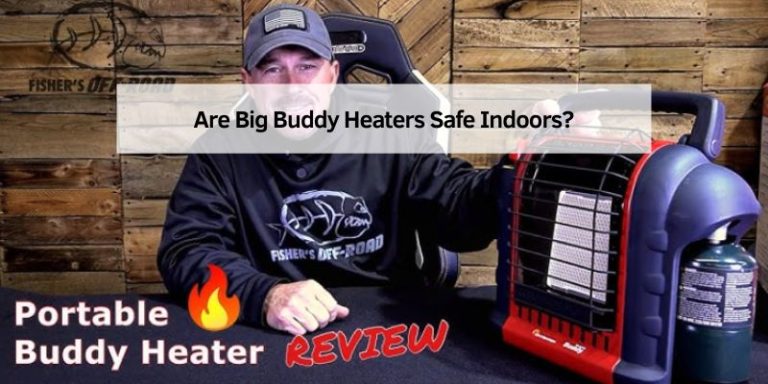
These are propane heaters that do not require a vent to the outside. They are designed to operate with a significant amount of fresh air ventilation. Units like Mr. Heater’s Buddy or Force-12 are often marketed for emergency indoor use. However, the term “indoor use” with these devices is highly conditional.
Key considerations for Unvented Propane Heaters:
- High Ventilation Requirement: They consume oxygen and release combustion byproducts (including CO and water vapor) into the room. Adequate airflow is paramount. This often means keeping a door or window significantly open, which can counteract heating efforts.
- Built-in Safety Devices: Most include an oxygen depletion sensor (ODS) that shuts the heater down if oxygen levels get too low, and a tip-over safety shutoff.
- Not for Primary Heating: They are generally recommended for temporary use during power outages or for supplemental heat in very large, open spaces that can maintain constant ventilation.
A common scenario where these might be used more safely is in a large shop or barn, not an insulated living space. The amount of ventilation needed to operate them safely indoors often defeats the purpose of heating a living space.
Maintaining Your Heater for Optimal Safety
Regardless of the type of propane heater or its intended use, regular maintenance is crucial for safety. Here’s what you should be doing:
- Inspect Regularly: Check for any signs of damage, corrosion, or wear on the unit, hoses, and connections.
- Clean the Burner: Dust and debris can clog the burner, leading to incomplete combustion and increased CO production. Consult your manual for cleaning instructions.
- Test Safety Features: Periodically test the oxygen depletion sensor (ODS) and tip-over switch according to the manufacturer’s instructions.
- Replace Propane Cylinders Safely: Always connect and disconnect cylinders in a well-ventilated area, away from open flames.
- Store Properly: Store propane cylinders upright and in a cool, dry, well-ventilated area, away from heat sources and living spaces.

Frequently Asked Questions (FAQ)
Q1: Can I use a 1-pound propane bottle heater in my tent or RV?
A: Most 1-pound propane bottle heaters are explicitly designed for outdoor recreational use (camping, fishing). Their use inside tents or RVs is generally not recommended by manufacturers due to CO risks and lack of ventilation. Always check the product manual. RVs have specific heating systems designed for their enclosed environments.
Q2: What is the biggest danger of using propane heaters indoors?
A: The biggest danger is carbon monoxide (CO) poisoning. Propane combustion produces CO, which is odorless and colorless. In a closed indoor space with poor ventilation, CO can build up to deadly levels, causing incapacitation and death.
Q3: How much ventilation is enough for propane heaters indoors?
A: “Enough” means significant, constant airflow. For unvented heaters, manufacturers often recommend opening a window or door by at least 1-3 inches. However, the safest bet is to use them only in spaces with robust ventilation systems or when a door/large opening is kept significantly ajar. If fuel-burning, ensuring fresh air is coming in and stale air is going out is critical.
Q4: My propane heater has an ODS – is it safe to use indoors now?
A: An Oxygen Depletion Sensor (ODS) is a vital safety feature that shuts off the heater if oxygen levels drop too low. However, it is not a substitute for adequate ventilation. While the ODS helps prevent immediate suffocation, it doesn’t eliminate the risk of CO buildup or other combustion byproducts. Use unvented heaters with ODS only in well-ventilated areas or for temporary emergency use.
Q5: How do I know if there’s carbon monoxide in my home?
A: You cannot detect carbon monoxide by smell or sight. The only reliable way to know if it’s present is by using a working carbon monoxide detector. Install them on every level of your home and near sleeping areas, and test them monthly. Many modern detectors are battery-operated and offer digital readouts.
Q6: Are there specific propane heaters designed for safe indoor use?
A: Yes, but they are typically larger, vented units that are professionally installed. These systems safely expel combustion byproducts outside. Unvented indoor-rated propane heaters do exist (like cabinet heaters), but they demand very specific, high levels of ventilation and are best suited for temporary use in large, open areas, not generally as a primary heating source for a home.
Conclusion
When it comes to warming your home, safety should always be your top priority. While portable propane bottle heaters offer convenience and portability, their indoor use comes with significant risks, primarily carbon monoxide poisoning and fire hazards. Most manufacturers explicitly advise against using small 1-pound cylinder heaters in enclosed residential spaces. If you need supplemental indoor heat, especially in an emergency, your safest bet is to rely on electric space heaters designed for indoor use, ensuring they have appropriate safety features like tip-over protection and overheat shutoffs.
For more permanent or robust heating needs, consider professionally installed vented propane or natural gas systems. By understanding the risks and choosing the right heating solution for your needs, you can stay warm, comfortable, and most importantly, safe in your home.