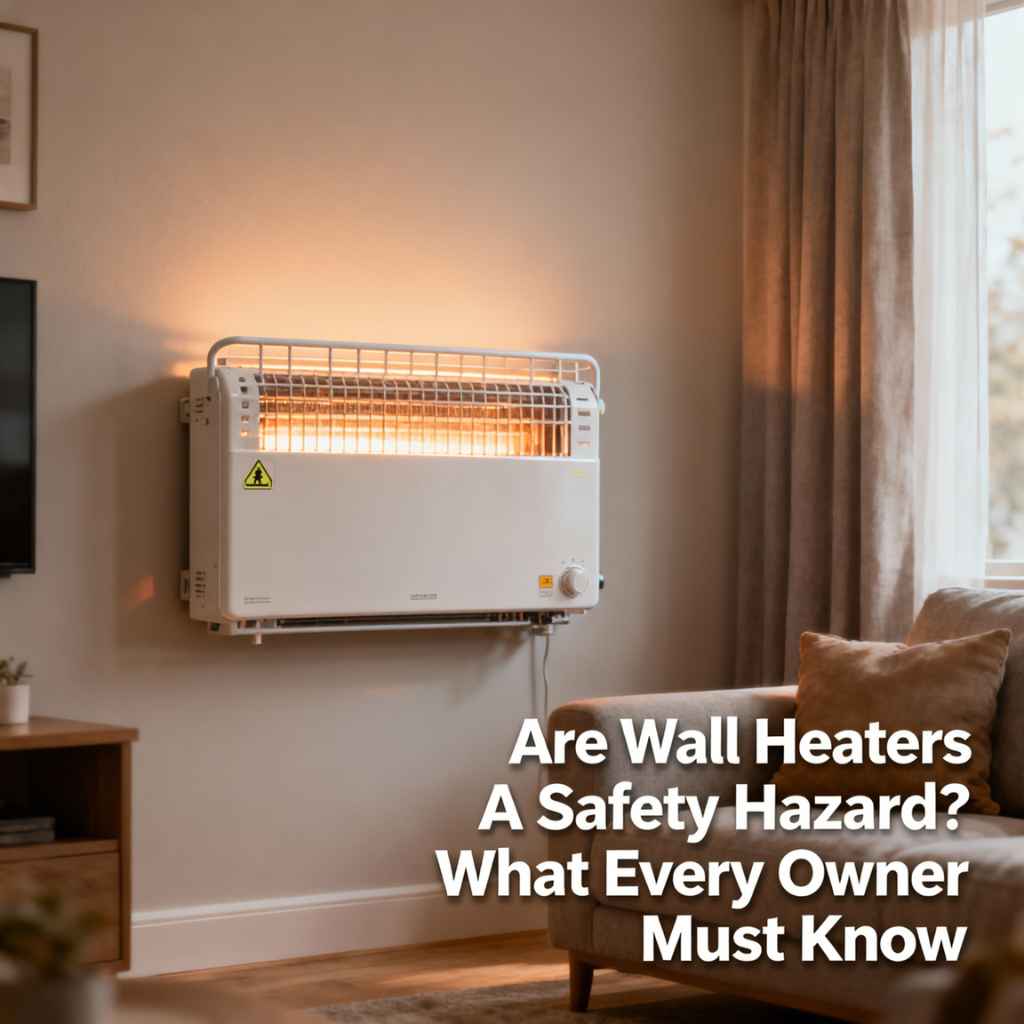
It’s a chilly morning, and you reach for the thermostat to warm up your space. Wall heaters are common in many homes, especially older ones. They seem simple enough.
But sometimes, you might wonder if they’re really safe. You might have heard a story or seen something that made you pause. This is totally normal!
It’s good to be curious about how things in your home work, especially when it comes to safety. Let’s break down if wall heaters are a safety hazard and what you need to know to feel confident about yours.
Wall heaters can pose safety hazards if they are old, damaged, or not maintained. Common risks include fire, burns, and carbon monoxide leaks, depending on the type. Regular checks and professional maintenance are key to ensuring their safe operation in your home.
Understanding Wall Heaters and Safety
Wall heaters come in a few main types. Each has its own way of working and its own potential safety points. Knowing these differences helps you understand what to look for.
It’s like knowing how your car works a little bit – it makes you a safer driver. For wall heaters, this means knowing if they blow hot air, use radiant heat, or even burn fuel. This basic knowledge is the first step in spotting problems before they become big issues.
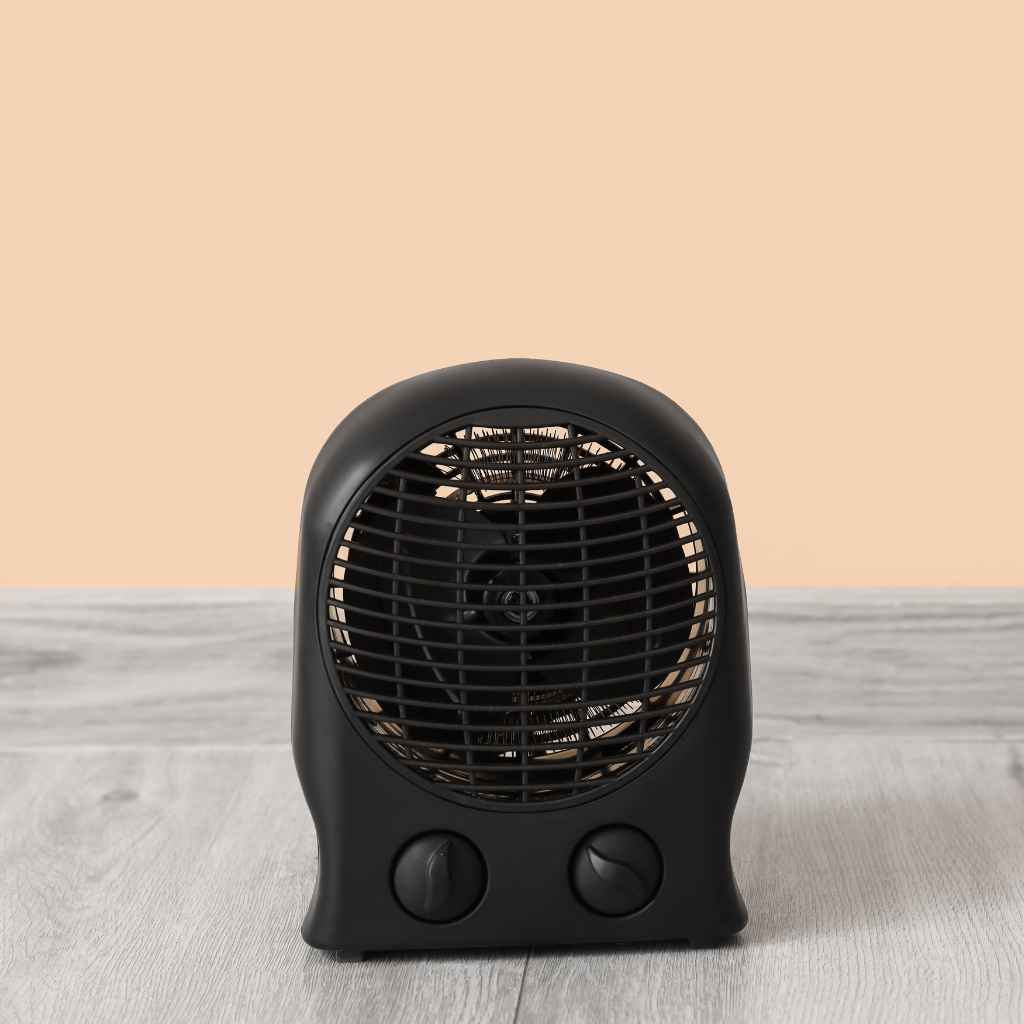
Most electric wall heaters work by passing air over a heated coil. This warms the air, which then circulates into the room. They are often found in bathrooms or smaller rooms.
Their main safety concern is usually overheating or damage to the heating elements. If something blocks the airflow, or if the unit is old and worn out, it can become a fire risk. The surfaces can also get very hot, leading to burns if touched.
Another type is the radiant wall heater. These often have a glowing element or a ceramic plate that gets hot. They send out heat directly into the room, like the sun.
Safety issues here often involve the intense heat they produce. Anything too close can scorch or catch fire. They also require careful installation to ensure they don’t heat up the wall behind them too much.
Then there are fuel-burning wall heaters, like gas or propane models. These are less common in newer homes but exist in older ones. They work by burning fuel to create heat.
These have the added risk of producing carbon monoxide. This is a colorless, odorless gas that can be very dangerous. Proper ventilation and regular checks for leaks are crucial for these types.
Any sign of soot or a strange smell could mean trouble.
My Own Wall Heater Scare
I remember one particularly cold winter when I first moved into my old house. It had these old-fashioned electric wall heaters in the bedrooms. They worked, but they made a funny clicking sound and sometimes smelled a bit dusty.
One evening, I was getting ready for bed. The heater in the guest room had been on for a while. I noticed a strange, acrid smell – not just dusty, but sharper.
Then, I saw a faint, wispy smoke curling out from the vent. My heart leaped into my throat! I immediately shut off the breaker for that room and opened all the windows, even though it was freezing.
It turned out a bit of old dust and maybe a tiny bit of fabric had gotten onto the heating element and started to smolder. Thankfully, it was a small thing that I caught early. But it really drove home how important it is to pay attention to these appliances.
That little bit of smoke could have turned into something much worse very quickly. It was a scary moment that made me much more diligent about checking my heaters regularly.
Wall Heater Safety Checks: What to Look For
Visual Inspection: Look for any cracks, rust, or damage to the casing. Check the vents for blockages from dust or debris. Make sure the power cord (if electric) is not frayed or damaged.
Listen Carefully: Unusual noises like loud buzzing, popping, or grinding can indicate internal problems. A slight hum or click is usually normal, but new or loud noises are a warning.
Smell for Issues: A dusty smell when first turned on is common. However, a burning smell, a metallic odor, or a smell like gas is a serious red flag. Address these immediately.
Check for Heat: Ensure heat is distributed evenly. If one part feels much hotter than another, or if the unit is excessively hot to the touch (beyond normal operation), it could be faulty.
Professional Servicing: Schedule annual check-ups with a qualified HVAC technician. They can inspect internal components, check for gas leaks, and ensure the thermostat is working correctly.
Common Wall Heater Hazards Explained
When we talk about wall heaters being a safety hazard, what exactly does that mean? It’s not just about something being old. It’s about specific risks that can happen if things go wrong.
These hazards are usually linked to how the heater works and what it’s made of. Understanding these potential dangers helps us be more aware and take steps to prevent them.
One of the most significant risks is fire. This can happen in a few ways. For electric heaters, a buildup of dust, lint, or even a dropped item like a curtain getting too close can ignite.
The heating elements get very hot, and any flammable material nearby can catch fire easily. Older units may have faulty wiring or thermostats that can overheat, also leading to fires. It’s why keeping the area around wall heaters clear is so important.
Another big concern is burns. Wall heaters, especially those with exposed heating elements or those that get very hot on the surface, can cause serious burns. Children and pets are especially at risk.
If a heater is installed at a low height, or if its surface gets too hot, accidental contact can happen quickly. This is a common problem with older models that didn’t have the same safety standards we see today.
For gas or propane wall heaters, the danger shifts to carbon monoxide (CO) poisoning. These heaters burn fuel, and if they are not venting properly, or if there’s a crack in the combustion chamber, deadly CO gas can leak into your home. CO is invisible and odorless, so you can’t detect it on your own.
Symptoms can include headaches, dizziness, nausea, and flu-like feelings. In severe cases, it can be fatal. This makes CO detectors a non-negotiable safety feature in homes with fuel-burning appliances.
Finally, there’s the risk of electrical shorts or shocks. If the wiring inside an electric wall heater is damaged, or if the unit comes into contact with water, it can create an electrical hazard. This could lead to a shock if someone touches it or could even cause a small electrical fire.
This is why it’s vital to keep electric heaters away from water sources like sinks or showers, unless they are specifically designed for wet environments and installed correctly.
Contrast: Normal vs. Concerning Wall Heater Signs
Normal: A faint dusty smell when first turned on after a long break. A gentle hum or click as the unit operates. The surface of the heater feels warm to hot when in use.
Concerning: A strong burning smell (not just dust). Loud, unusual noises like grinding or popping. Visible smoke or sparks.
The unit or surrounding wall feels excessively hot. A persistent smell of gas. Any signs of damage to the casing or wiring.
When Wall Heaters Were My Only Hope
I remember a time when I was house-sitting for a friend who lived in a very old cabin in the mountains. It was late fall, and the weather turned surprisingly cold. The cabin only had these old, wall-mounted electric heaters in each room.
They looked like they hadn’t been updated since the 1970s. I was a bit nervous about them, to be honest. They had a strange metallic smell when they kicked on, and the grille felt alarmingly hot to the touch.
One night, the temperature dropped close to freezing. I turned on the heater in the bedroom, and after about an hour, I heard a faint crackling sound coming from inside the wall. My stomach dropped.
I immediately turned it off at the breaker. Peering closely, I could see a tiny bit of discoloration around the edges of the grille, like it had gotten too hot. Thankfully, it didn’t catch fire.
But that experience really highlighted how much we rely on these things, and how important it is that they are in good working order. It taught me to be extra cautious and to trust my instincts if something seems off with any appliance.
Real-World Context: Where and Why Issues Arise
The environment and how we use our homes play a huge role in wall heater safety. Older homes often have older heaters. These might have outdated wiring or design flaws.
They weren’t built to the same safety standards as modern appliances. Things like better insulation and more robust materials weren’t as common back then.
Habits are also key. We might accidentally push furniture too close to a heater for warmth. Or we might forget to clean out dust that builds up over time.
Think about placing a laundry basket too close to a heater, or letting curtains hang down right in front of it. These are common actions that can create fire hazards without us even realizing it. The design of many older wall heaters means their surfaces get very hot.
This is a constant risk if not managed carefully.
User behavior can also lead to problems. For instance, if a heater is acting strangely, some people might try to “fix” it themselves. This can be dangerous.
Tampering with electrical components or gas lines can create new, more serious safety risks. It’s always best to call a professional for any repairs. Even simple things like not reading the owner’s manual or understanding the specific safety features of your unit can lead to misuse.
Quick-Scan Table: Common Wall Heater Issues
| Issue | Type of Heater | Primary Risk |
| Overheating | Electric | Fire, Burns |
| Blocked Vents | Electric, Gas | Fire, Inefficient Heating |
| Faulty Wiring | Electric | Fire, Electrical Shock |
| Carbon Monoxide Leak | Gas/Propane | CO Poisoning |
| Surface Too Hot | Electric, Radiant | Burns |
What This Means for You: Assessing Your Own Heaters
So, how do you know if your wall heaters are a safety hazard? It’s about being observant. First, when is it normal for a wall heater to be a concern?
It’s generally when they are old, show signs of wear and tear, or haven’t been serviced in a long time. If your heater is original to a house built 30 years ago and has never had a professional look, it’s worth investigating.
When should you really worry? You should worry if you notice any of the warning signs we’ve discussed. This includes strange smells, unusual noises, smoke, or any visible damage.
For gas heaters, any suspicion of a leak is a critical reason to worry. If your CO detector goes off, that’s a definite sign of a major problem.
Simple checks you can do yourself are crucial. Take a good look at the heater. Is the casing cracked?
Are the vents blocked with dust? Does the power cord look damaged? When you turn it on, does it heat up too much, or does it make weird sounds?
If you have a gas heater, do you ever smell gas around it? These are easy checks that can alert you to potential issues.
It’s also worth knowing the age of your heaters. If they are very old, even if they seem to be working fine, their efficiency might be low, and their safety features might be outdated. Replacing them with newer, more energy-efficient, and safer models could be a wise investment.
This is especially true if they are fuel-burning units that lack modern safety controls.
Stacked Micro-Sections: When to Call a Pro
Strange Smells: Any burning, gas, or metallic odor. Don’t ignore it. Call a technician immediately.
Unusual Noises: Grinding, popping, or loud buzzing sounds that weren’t there before.
Visible Damage: Cracks, rust, loose parts, or frayed electrical wires.
CO Detector Alarm: This is an emergency. Evacuate and call for help.
Intermittent Operation: If the heater turns on and off erratically or doesn’t heat properly.
Quick Fixes and Tips for Wall Heater Safety
While major repairs need a professional, there are simple things you can do to keep your wall heaters safer. These aren’t really “fixes” but rather good practices. They help prevent problems from starting or getting worse.
Think of them as routine maintenance for your home’s health.
One of the most important tips is regular cleaning. Dust and debris are the enemy of heaters. They can clog vents, reducing airflow and causing the unit to overheat.
They can also accumulate on heating elements and catch fire. Set a schedule, maybe once every few months, to gently vacuum around the vents and casing. Make sure the unit is off and cool before you do this.
Next, maintain clear space. Always ensure there’s at least three feet of clear space around the heater. This means no furniture, curtains, blankets, or anything else flammable should be too close.
This is especially critical for radiant heaters that produce intense heat. For electric heaters, preventing anything from falling into the vents is also key.
Test your detectors. If you have gas heaters, you absolutely need working carbon monoxide detectors. Test them monthly and replace the batteries at least once a year.
If your CO detector chirps or goes off, don’t assume it’s a false alarm. Take it seriously. Also, ensure your smoke detectors are working correctly.
For electric heaters, never overload circuits. Plugging too many high-power appliances into the same circuit as a wall heater can trip breakers or, in worse cases, overheat the wiring. Understand what your wall heater’s wattage is and be mindful of other devices on the same electrical circuit.
Finally, read your manual. Every heater is a little different. Your owner’s manual will have specific instructions for safe operation and basic maintenance.
If you don’t have it, try searching online for the model number. It’s a valuable resource for understanding your specific unit.
Frequently Asked Questions About Wall Heater Safety
Are all wall heaters dangerous?
No, not all wall heaters are dangerous. When they are new, properly installed, and regularly maintained, they can be quite safe. However, older units, damaged units, or units that are not properly used can become safety hazards.
How often should I get my wall heater serviced?
It’s recommended to have your wall heater serviced by a qualified technician at least once a year, especially before the heating season begins. For gas heaters, this is crucial for checking the combustion system and venting.
Can electric wall heaters cause fires?
Yes, electric wall heaters can cause fires. This often happens if dust or debris builds up on the heating elements, if a flammable item is placed too close, or if there’s a fault in the wiring or thermostat.
What should I do if I smell gas near my wall heater?
If you smell gas, immediately leave the area. Do not turn on or off any lights or appliances, as a spark could ignite the gas. Open windows and doors if you can do so safely, and call your gas company or 911 from outside your home.
Is it safe to cover a wall heater?
No, it is not safe to cover a wall heater. Covering the vents restricts airflow, which can cause the unit to overheat and potentially start a fire. It also makes the heater less effective.
How do I know if my wall heater is efficient?
An efficient wall heater will warm the room quickly and evenly without running constantly or using excessive electricity. Older models are often less efficient than newer ones. If your energy bills are very high due to heating, your heater might not be efficient.
Conclusion
So, are wall heaters a safety hazard? The answer is that they can be, but they don’t have to be. By understanding the different types of heaters, being aware of common risks like fire and CO poisoning, and performing regular checks, you can significantly reduce these dangers.
Further Reading: CPSC home heating hazards | NFPA heating fire safety
Paying attention to warning signs and calling a professional when needed are the most important steps. Keeping your heaters clean and clear of obstructions also makes a big difference.