
Last winter, my living room felt like an icebox. I shivered at my desk, wishing for warmth without breaking the bank. That’s when I dove into the world of baseboard heater vs space heater to find the perfect solution. Both options can warm your home, but they work differently. In this article, I’ll share what I learned to help you choose the right heater. I’ll explain what each heater does, compare their costs, and give simple tips to stay warm safely. Whether you’re a beginner or a heating pro, you’ll find easy answers here.
What Are Baseboard Heaters and Space Heaters?
Heaters keep us cozy when it’s cold. Let’s break down what baseboard and space heaters are.
Baseboard Heaters: Steady Warmth
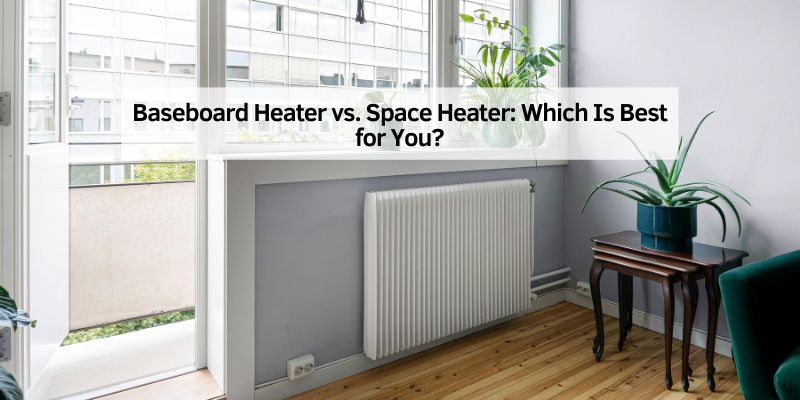
Baseboard heaters are long, slim units along your wall’s base. They heat air near the floor, which rises to warm the room.
- Electric baseboard heaters use coils powered by electricity.
- Hydronic baseboard heaters use hot water or oil for heat.
They’re quiet and great for whole-room heating. I have one in my bedroom, and it keeps things toasty all night.
Space Heaters: Quick and Portable
Space heaters are small, movable devices you plug in. They warm a specific spot, like your desk or couch.
- Most are electric and use fans or radiant heat.
- Some use propane, but those are for outdoor use.
I use a space heater in my home office for fast warmth during work hours.
Why Compare Baseboard Heater vs. Space Heater?
Choosing between these heaters depends on your needs. Baseboard heaters are fixed and heat entire rooms. Space heaters are portable and heat small areas quickly. I compared them to save money and stay warm. Let’s explore how they differ.
Key Differences Between Baseboard and Space Heaters
Here’s how these heaters stack up. I’ve used both, so I’ll share what I noticed.
Installation and Setup
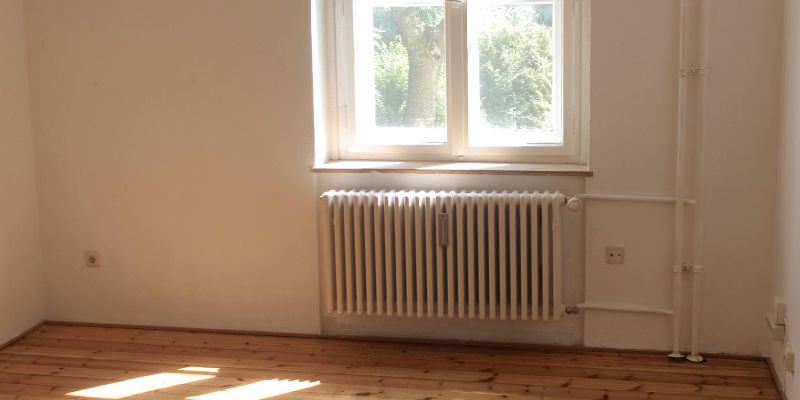
Baseboard heaters need professional installation. A pro wires them into your home’s electrical system or connects them to a boiler. It costs about $945 on average, based on my research.
Space heaters are super easy. You buy one, plug it in, and it’s ready. I got a space heater for $50 at a local store and used it the same day.
Heating Speed and Coverage
Baseboard heaters warm rooms slowly but evenly. They’re great for steady heat in big spaces like living rooms.
Space heaters heat up fast but only warm small areas. I use mine to warm my feet under my desk. For bigger rooms, you might need multiple space heaters.
Cost to Buy and Run
Here’s a simple table to compare costs:
| Heater Type | Average Cost to Buy | Average Cost to Run (per hour) |
|---|---|---|
| Baseboard Heater | $60–$300 | $0.15–$0.30 (1500W) |
| Space Heater | $25–$100 | $0.18–$0.36 (1500W) |
Caption: Comparing purchase and operating costs for a 1500W heater, based on $0.12/kWh electricity rate.
Baseboard heaters are pricier upfront but cheaper to run for whole rooms. Space heaters are cheaper to buy but cost more to run for long periods.
Safety Considerations
Safety is huge with heaters. Baseboard heaters are safer because they’re fixed and less likely to tip over. Keep curtains at least 4–8 inches away to avoid fires.
Space heaters can be risky. I never leave mine on unattended, as they cause over 25,000 house fires yearly. Always plug them directly into a wall outlet, not an extension cord.
Benefits and Drawbacks of Each Heater
Let’s look at what makes each heater great and what to watch out for.
Baseboard Heater Pros and Cons
Pros:
- Quiet operation, perfect for bedrooms.
- Even heat for whole rooms.
- Low maintenance; just vacuum dust yearly.
Cons:
- Slow to warm up.
- High installation cost.
- Takes up wall space, limiting furniture placement.
I love my baseboard heater’s quiet warmth, but it’s not great for quick heat.
Space Heater Pros and Cons
Pros:
- Fast heating for small areas.
- Portable; move it anywhere.
- No installation needed.
Cons:
- Fire hazard if misused.
- Less efficient for big rooms.
- Can be noisy with fans.
My space heater is perfect for chilly mornings, but I’m careful about safety.
How to Choose the Right Heater
Picking a heater depends on your home and needs. Here’s a simple guide I use.
Step-by-Step Guide to Choosing
- Check your room size. Measure your room. Baseboard heaters work for rooms over 100 square feet. Space heaters are best for smaller spaces.
- Set a budget. Decide how much you can spend upfront and on electricity.
- Think about safety. If you have kids or pets, baseboard heaters are safer.
- Consider portability. Need heat in different rooms? Get a space heater.
- Look for features. I like heaters with thermostats or timers for control.
My Personal Tips
- For baseboard heaters: Install a programmable thermostat to save energy. I set mine to lower at night.
- For space heaters: Choose one with tip-over protection. Mine shuts off if it falls.
- For both: Clean them regularly to avoid dust buildup, which lowers efficiency.
Practical Examples: When to Use Each Heater
Here are scenarios where each heater shines, based on my experience.
Baseboard Heater Scenarios
- Big living room: I used a baseboard heater in my 200-square-foot living room. It kept everyone warm during movie nights.
- Cold bedroom: My hydronic baseboard heater makes my bedroom cozy all night without noise.
Space Heater Scenarios
- Home office: I place a space heater under my desk to warm my feet while working.
- Small bathroom: A space heater warms my bathroom in minutes before a shower.
Visual Idea: A diagram showing a baseboard heater along a living room wall vs. a space heater near a desk could help readers picture placement.
Cost-Saving Ideas for Heating
Heating can get pricey. Here are my top tips to save money:
- Use a space heater for one room. Heat only the room you’re in to cut costs.
- Insulate windows. I used a $10 window insulation kit to stop drafts, making my heater more efficient.
- Lower your thermostat. Set baseboard heaters to 65°F when you’re not home.
Table: Energy-Saving Tips
| Tip | How It Saves Money | Estimated Savings |
|---|---|---|
| Use a space heater | Heats only one room | Up to 50% on bills |
| Insulate windows | Keeps heat inside | 10–20% on bills |
| Programmable thermostat | Lowers heat when not needed | 10–15% on bills |
Caption: Simple ways to save on heating costs with baseboard or space heaters.
Common Mistakes to Avoid
I’ve made mistakes with heaters. Here’s what to watch out for:
- Blocking baseboard heaters. Don’t put furniture in front; it traps heat and risks fire.
- Leaving space heaters on. I forgot once, and it was a scary lesson. Always turn them off when leaving.
- Ignoring maintenance. Dusty heaters work poorly. Vacuum them twice a year.
Visual Idea: A simple chart comparing safe vs. unsafe heater placement could show readers what to avoid.
Alternative Heating Options
Not sure about baseboard or space heaters? Try these:
- Electric blankets: I use one for $40, and it keeps me warm without heating the whole room.
- Radiant ceiling panels: They’re efficient but pricey to install.
- Mini-split systems: Great for whole homes but need professional setup.
Visual Idea: A side-by-side diagram of heater types (baseboard, space, ceiling panel) could clarify options.
Conclusion
Choosing between a baseboard heater vs space heater depends on your home, budget, and needs. Baseboard heaters offer steady, quiet warmth for big rooms but cost more upfront. Space heaters are cheap, portable, and fast but need careful use. I love using my space heater for quick warmth and my baseboard heater for cozy nights. Try one in your home, and see what works best. Have a heating tip? Share it in the comments! Stay warm and safe this winter!
Frequently Asked Questions
What’s the main difference between baseboard and space heaters?
Baseboard heaters are fixed units that heat whole rooms slowly and evenly. Space heaters are portable, heat small areas quickly, and are great for spot heating. Baseboard heaters need professional installation, while space heaters just plug in.
Are space heaters cheaper to run than baseboard heaters?
Space heaters can be cheaper if you heat one small room. For example, a 1500W space heater costs about $0.18–$0.36 per hour. Baseboard heaters are better for larger spaces, costing less per room over time.
Are baseboard heaters safer than space heaters?
Yes, baseboard heaters are safer because they’re fixed and less likely to tip over. Space heaters cause more fires if misused. Always keep space heaters away from flammable items and turn them off when not in use.
Can I use a space heater as my main heat source?
Space heaters aren’t ideal for main heating. They’re best for small areas or short periods. For whole-home heating, baseboard heaters or central systems are more efficient and safer.
How do I make my heater more efficient?
Clean heaters regularly to remove dust. Use a programmable thermostat for baseboard heaters. For space heaters, heat only the room you’re in and insulate windows to trap heat. These steps can save 10–50% on bills.
Can I install a baseboard heater myself?
No, baseboard heaters need professional installation for safety. They require wiring into your home’s electrical system or connecting to a boiler. A licensed electrician ensures it’s done right.
Which heater is better for a small apartment?
For a small apartment, a space heater is often better. It’s portable, cheap, and heats small spaces fast. Use it in the room you’re in to save money. Baseboard heaters work if you need steady heat for larger areas.