Buddy Heater Vs Big Buddy: Essential Comparison
Choose the Buddy Heater for smaller spaces like tents and workshops, offering 6,000-9,000 BTUs. Opt for the Big Buddy for larger areas (up to 400 sq ft) or colder conditions, with 18,000 BTUs and three heat settings. Both are propane-powered, portable, ignition-checked, and require good ventilation. Investigate the best fit for your specific heating needs.
Feeling a chill in your garage, workshop, or even your favorite fishing spot? Deciding on the right portable heater can feel like a puzzle. You want warmth, but you also want it to be safe, easy to use, and not break the bank. Two popular choices that often come up are the Mr. Heater Buddy Heater and the Mr. Heater Big Buddy. They sound pretty similar, right? But a little goes a long way when it comes to staying cozy and safe. Let’s break down what makes them different, so you can pick the perfect one for your needs. We’ll look at their power, size, and ideal uses. Get ready to take the guesswork out of portable heating!
Buddy Heater vs. Big Buddy: A Clearer Picture
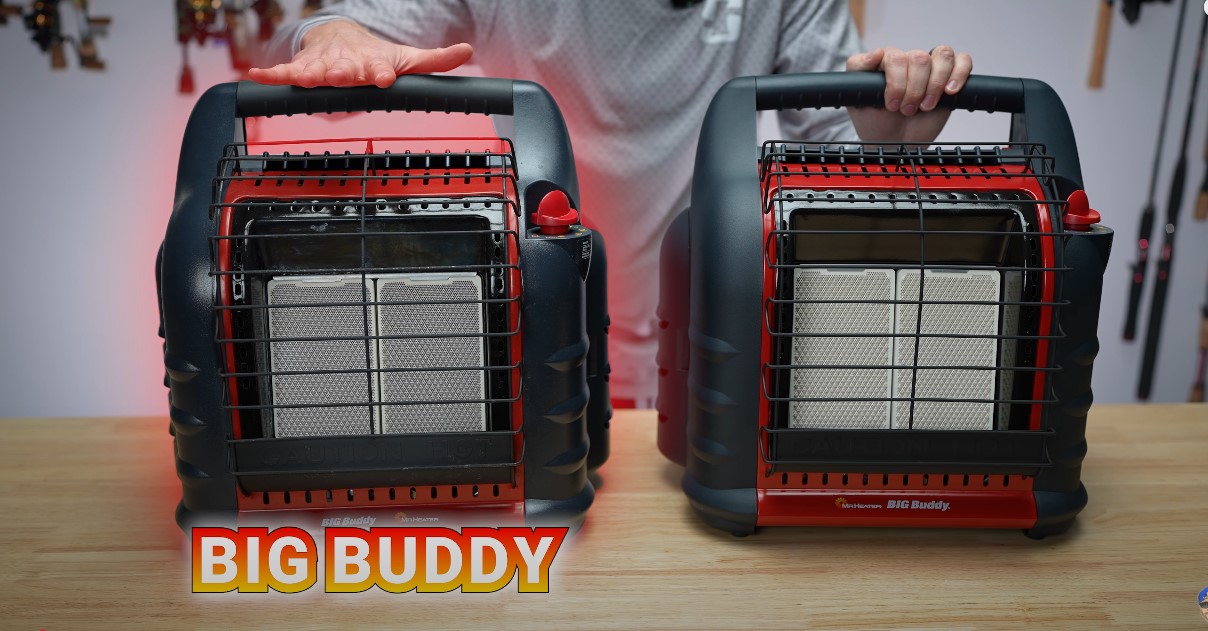
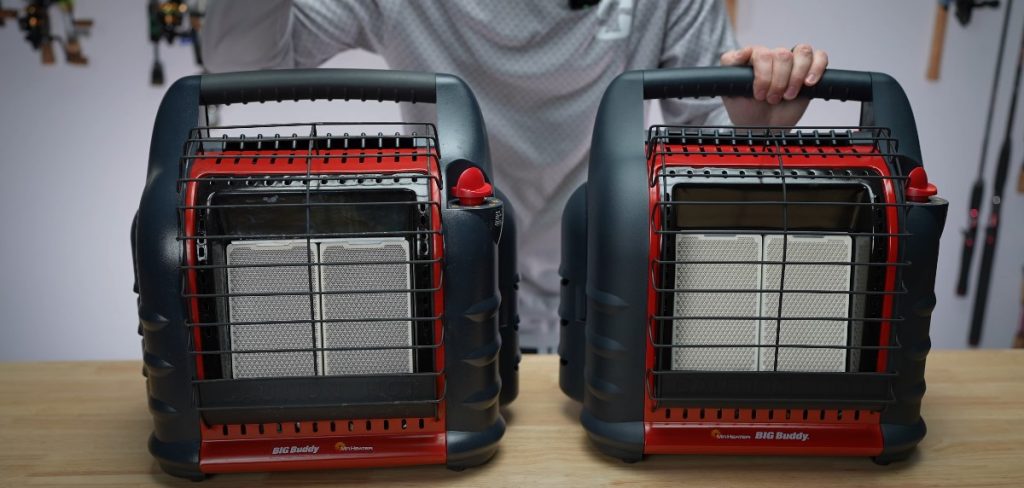
When you’re looking for reliable portable heat, Mr. Heater is a name that frequently comes up. Two of their most well-known products are the classic Buddy Heater and its larger sibling, the Big Buddy. While both run on propane and offer a convenient way to warm enclosed spaces, they are designed for different scenarios.
Think of it like this: you wouldn’t use a desk fan to cool an entire house, and you wouldn’t use a giant industrial fan to cool just your own personal desk space. It’s about matching the tool to the job. The same applies to portable heaters. The Buddy Heater is like a friendly, focused helper, while the Big Buddy is the enthusiast ready to tackle a bigger crowd or a more demanding environment.
Understanding their core differences—mainly in heating capacity and coverage area—is the key to making the right choice. We’ll dive into the specifics of their BTUs, safety features, and where each one shines brightest.
Understanding the Power: BTUs Explained
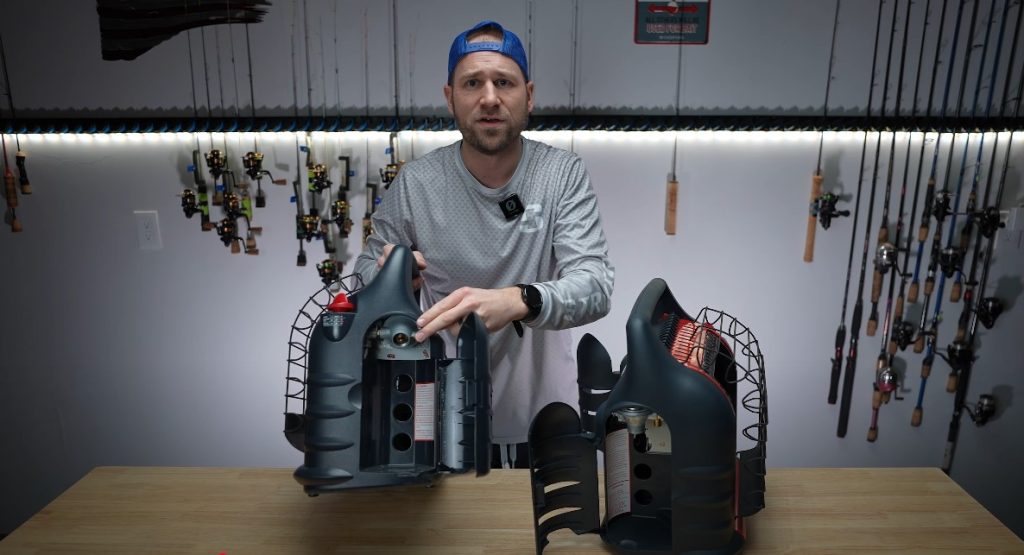
The first and most crucial difference between the Buddy Heater and the Big Buddy lies in their heating power, measured in British Thermal Units (BTUs). BTUs tell you how much heat a device can produce.
- The standard Buddy Heater typically offers 4,000 BTUs on its lowest setting and 9,000 BTUs on its high setting.
- The Big Buddy, on the other hand, has a greater output, ranging from 6,000 BTUs, 12,000 BTUs, up to a maximum of 18,000 BTUs.
What does this mean for you? More BTUs mean more heat and the ability to warm a larger space more effectively. For small, well-insulated areas, the standard Buddy might be perfect. For larger garages, cabins, or in colder climates where you need to push more heat, the Big Buddy is the clear choice.
According to the U.S. Department of Energy, the amount of heat needed for a space depends on its size, insulation, and the outside temperature. For example, a 5,000 BTU-per-hour heater might be sufficient for a 150-250 square foot room in moderate climates. For larger areas or colder conditions, you’ll need a higher BTU output. This highlights why the Big Buddy’s higher BTU range is beneficial for more challenging heating tasks.
Buddy Heater: Your Compact Comfort Companion
The original Buddy Heater is designed for portability and convenience. It’s a favorite for those who need a reliable heat source in smaller, enclosed spaces.
Key Features of the Buddy Heater:
- Portability: Lightweight and compact, often featuring a sturdy carrying handle, making it easy to move from room to room, to a tent, or a truck.
- Heating Capacity: Typically rated for spaces up to 200-250 square feet, making it ideal for smaller workshops, garages, campers, ice shacks, or a single room in a house.
- Heat Settings: Usually features two heat settings (low and high), allowing you to adjust the warmth to your preference.
- Fuel Source: Designed to run on Mr. Heater’s 1 lb. propane cylinders, or can be adapted to run off larger 20 lb. propane tanks with an optional hose and filter kit.
- Safety Features: Includes crucial safety mechanisms like an Oxygen Depletion Sensor (ODS) and a tip-over safety shut-off, which are essential for indoor propane heaters.
When to Choose the Buddy Heater:
- Warming a small tent on a camping trip where electricity isn’t available.
- Keeping a compact garage or shed comfortable while you work on a hobby.
- Providing supplemental heat for a cramped ice fishing shelter.
- Ensuring a single small room stays cozy during a power outage.
The Buddy Heater excels in its niche: delivering focused heat efficiently without overwhelming a small area.
Big Buddy Heater: Taking on Bigger Spaces
The Big Buddy is, as its name suggests, the more robust option. It’s built to handle larger areas and offers more significant heating power.
Key Features of the Big Buddy Heater:
- Enhanced Heating Capacity: Rated for spaces up to 400 square feet, thanks to its higher BTU output. This makes it suitable for larger garages, cabins, larger RVs, or even rooms that are harder to keep warm.
- Variable Heat Settings: Features three heat settings (low, medium, high), giving you more control over the warmth output compared to the standard Buddy Heater.
- Dual-Fuel Capability (with accessory): It can run on two 1 lb. propane cylinders or, more effectively for longer use, a larger 20 lb. propane tank using the included hose and filter kit.
- Fan Operation: A key advantage is its integrated fan, which helps to distribute the heat more evenly throughout the larger space. The fan can run on batteries or a power adapter (sold separately).
- Advanced Safety: Like the standard Buddy, it also includes the Oxygen Depletion Sensor (ODS) and a tip-over safety shut-off.
When to Choose the Big Buddy Heater:
- Heating a larger detached garage or workshop.
- Providing primary heat for a small cabin or secondary dwelling.
- Keeping a larger RV or camper warm, especially in cooler weather.
- Supplementing heat in a larger living area without central heating.
- Warmer of two small rooms, thanks to the fan option.
The Big Buddy offers greater warmth and better distribution for those times when the standard Buddy might struggle to deliver sufficient heat.
Buddy Heater vs. Big Buddy: At a Glance (Comparison Table)
To make the choice even simpler, here’s a direct comparison of the key features:
| Feature | Buddy Heater (Standard) | Big Buddy Heater |
|---|---|---|
| BTU Output | 4,000 – 9,000 BTUs | 6,000 – 18,000 BTUs |
| Recommended Area | Up to 200-250 sq ft | Up to 400 sq ft |
| Heat Settings | 2 (Low/High) | 3 (Low/Medium/High) |
| Fuel Source | 1 lb. propane cylinder (optional adapter for 20 lb. tank) | Two 1 lb. cylinders or 20 lb. tank (hose included) |
| Fan | No | Yes (battery or AC powered, sold separately) |
| Portability | Highly Portable (compact, lighter) | Portable (larger, heavier with twin cylinders/tank) |
| Ideal Use Cases | Tents, small garages, ice shelters, workshops | Larger garages, cabins, RVs, workshops, larger spaces |
Safety First: Essential Considerations for Propane Heaters
Both the Buddy Heater and the Big Buddy are designed with safety as a top priority. However, any propane-fueled heater requires careful handling and respect for safety protocols. It’s crucial to ensure you understand these before operating.
Essential Safety Features:
- Oxygen Depletion Sensor (ODS): This vital safety device automatically shuts off the heater if the oxygen level in the surrounding air drops below a safe threshold. Propane combustion consumes oxygen, so this feature prevents suffocation risks.
- Tip-Over Safety Shut-Off: If the heater is accidentally knocked over, this mechanism will also shut off the fuel supply, preventing uncontrolled flames.
- Accidental Ignition Failure Shut-Off: If the pilot light fails to ignite the main burner, the gas supply will be automatically cut off.
Ventilation is Non-Negotiable:
This is the most critical safety aspect for all indoor propane heaters, including the Buddy and Big Buddy. Even with safety features, propane combustion produces carbon monoxide (CO), a colorless, odorless, and potentially deadly gas. Adequate ventilation is essential to keep CO levels from building up.
- Never operate in a completely sealed environment.
- Always ensure a window or door is cracked open to allow for fresh air circulation. The size of the opening needed depends on the heater’s BTU output and the size of the space. For reference, a general guideline for a 9,000 BTU heater is to crack a window about 1-3 inches. For the Big Buddy on high, you would need a larger opening.
- Consider a Carbon Monoxide Detector: Always have a working CO detector installed in the area where you plan to use the heater, and check its batteries regularly. Organizations like the U.S. Fire Administration (USFA) strongly recommend using CO detectors.
Proper Fuel Handling:
- Always use Mr. Heater-approved propane cylinders (1 lb. or 20 lb. tanks with the proper hose).
- Ensure the cylinder is securely attached.
- Store propane cylinders upright in a well-ventilated area away from direct sunlight and heat sources, and never indoors.
By strictly adhering to these safety guidelines, you can enjoy the warmth and convenience these heaters provide.
Propane Consumption: What to Expect
When budgeting for your portable heater, it’s good to have an idea of how much propane you’ll use.
Buddy Heater Fuel Consumption:
- On its lowest setting (4,000 BTUs), the Buddy Heater will consume approximately ½ lb. of propane per hour.
- On its highest setting (9,000 BTUs), it will consume approximately 1 lb. of propane per hour.
A standard 1 lb. propane cylinder contains approximately 20-24 hours of run time at the lowest setting. Using the optional hose adapter with a 20 lb. tank offers significantly longer run times, making it more economical for extended use.
Big Buddy Heater Fuel Consumption:
- On its lowest setting (6,000 BTUs), the Big Buddy consumes roughly ¾ lb. of propane per hour.
- On its medium setting (12,000 BTUs), it consumes about 1 ½ lbs. of propane per hour.
- On its highest setting (18,000 BTUs), it will consume approximately 2 ¼ lbs. of propane per hour.
When running on two 1 lb cylinders, the Big Buddy offers about 3-4 hours of run time on high. Using a 20 lb tank is highly recommended for longer, more cost-effective operation, providing many hours of heat on a single fill.
It’s worth noting that fuel consumption can also vary based on ambient temperature, altitude, and how well the space is insulated. For the most accurate fuel usage, always refer to the manufacturer’s guidelines for your specific model.
Ease of Use and Setup
One of the biggest appeals of both the Buddy Heater and the Big Buddy is their straightforward user experience.
Buddy Heater Setup:
- Connect Propane: Screw a 1 lb. propane cylinder onto the heater’s regulator. Ensure it’s snug.
- Open Gas Valve: Turn the gas control knob to the “pilot” position.
- Ignite: Push and hold the igniter button. If it doesn’t light, you’ll need to manually light the pilot with a long match or lighter while holding the knob.
- Hold Pilot: Once the pilot is lit, continue holding the knob for about 30 seconds to allow the thermocouple to heat up and keep the pilot lit.
- Set Heat: Release the knob and turn it to a “low” or “high” setting.
The standard Buddy Heater is typically ignited with an automatic igniter button. If you’re using a larger tank with an adapter, connect the adapter to the heater and then to the tank, ensuring the tank valve is slightly open to supply gas.
Big Buddy Heater Setup:
The Big Buddy follows a very similar process, but with a few key differences due to its dual-cylinder capability and fan:
- Connect Propane: If using 1 lb. cylinders, screw one into each of the two regulator/connectors on the back. Ensure they are tight. If using a 20 lb. tank, connect the included hose and filter kit to the heater’s primary regulator and to the tank.
- Open Gas Valve: Turn the main gas control knob to the “pilot” position.
- Ignite Pilot: Press and hold the igniter button. As with the standard Buddy, you may need to use a long lighter if the igniter fails.
- Hold Pilot: Keep the knob pressed for about 30 seconds for the pilot to stabilize.
- Set Heat: Release the knob and select your desired heat setting (low, medium, or high).
- Operate Fan (Optional): Insert batteries (D-cell are common) or plug in the AC adapter into the side port, then turn on the fan using the separate fan switch.
Both units are designed for simple, no-fuss operation. Always ensure the area is ventilated before you start the ignition process.
Accessories You Might Need
To get the most out of your Buddy Heater or Big Buddy, there are a few accessories that can enhance their functionality and convenience.
- 20 lb. Tank Hose and Regulator Adapter: Essential if you want to connect to a standard 20 lb. propane tank. This is much more economical than using multiple 1 lb. cylinders for extended periods. Ensure the adapter comes with a filter to protect your heater.
- Buddy Heater Blower Fan: This accessory, typically battery-powered, can be attached to the front of a standard Buddy Heater to help circulate warm air more effectively, similar to the Big Buddy’s built-in fan.
- Buddy Heater Guard: While designed with safety in mind, some users opt for a wire guard that can be placed around the heater, especially in areas where pets or children might be present, to prevent accidental contact with the hot surfaces.
- Carrying Cases: For added portability and protection, hard-shell or soft-sided carrying cases are available for both models.
- Mr. Heater Swivel-T Connector: This allows you to connect two 1 lb. propane cylinders to a single hose, useful for the Big Buddy if you don’t want to use a large tank.
Investing in these accessories can make your portable heating experience safer, more efficient, and more convenient.
Frequently Asked Questions (FAQs)
Can I use a Buddy Heater or Big Buddy in my home during a power outage?
Yes, they can provide heat in your home during limited durations if used correctly. However, ventilation is crucial. You must crack open a window or door to ensure airflow and prevent carbon monoxide buildup. Never use them in a completely sealed room. Always have a working carbon monoxide detector.
Are Mr. Heater Buddy heaters safe for indoor use?
Yes, Mr. Heater Buddy heaters are specifically designed and approved for indoor use, but only with proper ventilation. They are equipped with safety features like an Oxygen Depletion Sensor (ODS) and a tip-over shut-off valve. Safe operation absolutely requires adequate fresh air intake.
How long will a 1 lb. propane cylinder last in a Big Buddy heater?
This depends on the heat setting. On the lowest setting (6,000 BTUs), a standard Buddy Heater will run for about 4-5 hours on one 1 lb cylinder. The Big Buddy, running on two 1 lb cylinders and on its lowest.