
I remember my first sauna experience. I was confused about heaters! A friend’s sauna felt amazing, but I didn’t know why. Later, I learned about carbon fiber vs ceramic infrared heaters. This article explains both in simple words. You’ll learn what they are, how they work, and which is better for you. I’ll share tips from my sauna journey to help you choose.
What Are Carbon Fiber and Ceramic Infrared Heaters?
Infrared heaters warm your body directly. They don’t heat the air much.
Carbon Fiber Heaters
Carbon fiber heaters are flat panels. They use tiny carbon particles to make heat.
Ceramic Heaters
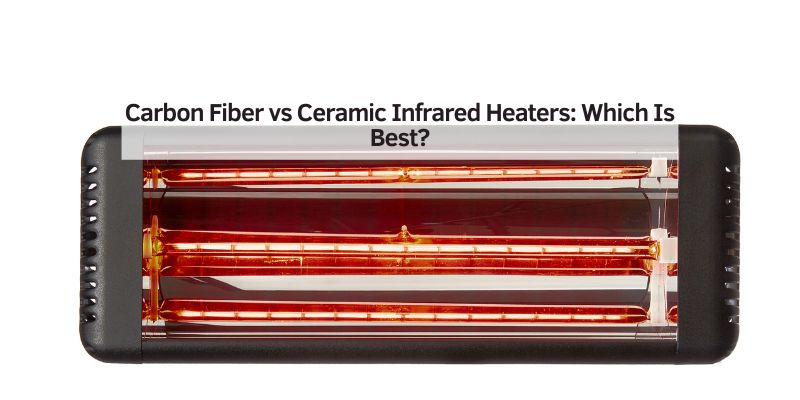
Ceramic heaters use rods or tubes. They get very hot to warm the sauna.
Both are used in infrared saunas. They help you sweat and relax.
Why Do These Heaters Matter?
Infrared saunas are popular in the USA. They help with relaxation and health. The heater type affects how you feel. Carbon fiber and ceramic heaters work differently. Choosing the right one saves money and feels better.
Comparing Carbon Fiber and Ceramic Heaters
Let’s break down the differences. I’ll share what I learned from using both.
Heat Distribution
Carbon fiber heaters spread heat evenly. You won’t feel hot or cold spots. Ceramic heaters can create hot spots near the rods. This makes some areas too warm.
Temperature and Comfort
Carbon fiber heaters stay cooler, around 190°F. You can sit longer. Ceramic heaters get hot, up to 600°F. They’re great for quick heat but less comfy for long sessions.
Energy Use
Carbon fiber heaters use less power, about 0.2-0.4 kWh per hour. Ceramic heaters use more, around 1.5-2 kWh. This means carbon saves money on bills.
Durability
Carbon fiber lasts 8-12 years or more. Ceramic lasts 5-8 years and can crack. I once saw a ceramic rod break after a few years!
Health Benefits
Carbon fiber heaters make long infrared waves. These go deeper into your skin, about 5-7 mm. Ceramic waves are shorter, reaching 3-4 mm. Deeper waves help you sweat more and feel relaxed.
Here’s a table to compare them:
Table 1: Carbon Fiber vs Ceramic Heater Features
| Feature | Carbon Fiber | Ceramic |
|---|---|---|
| Heat Distribution | Even, no hot spots | Uneven, hot spots near rods |
| Max Temperature | 190°F | 600°F |
| Energy Use | 0.2-0.4 kWh/hour | 1.5-2 kWh/hour |
| Lifespan | 8-12+ years | 5-8 years |
| Wave Penetration | 5-7 mm | 3-4 mm |

How to Choose the Right Heater
Choosing a heater depends on your needs. I’ll share a simple guide.
- Pick your sauna goal. Want relaxation? Go for carbon fiber. Need quick heat? Try ceramic.
- Check your budget. Carbon heaters cost more upfront but save on bills. Ceramic is cheaper to buy.
- Think about space. Small saunas work well with carbon panels. Big saunas may need ceramic’s power.
Table 2: Which Heater Fits Your Needs?
| Goal | Best Heater | Why? |
|---|---|---|
| Long sessions | Carbon Fiber | Cooler, even heat |
| Quick heat-up | Ceramic | Heats in 10 minutes |
| Low energy bills | Carbon Fiber | Uses less power |
Benefits and Drawbacks
Both heaters have pros and cons. Here’s what I found.
Carbon Fiber Benefits
- Saves energy: Lower bills make it budget-friendly.
- Long-lasting: Mine’s still working after 10 years!
- Safe and comfy: Cooler panels won’t burn you.
Carbon Fiber Drawbacks
- Takes 10-15 minutes to warm up.
- Costs more to buy initially.
Ceramic Benefits
- Fast heat: Ready in 10 minutes or less.
- Cheaper upfront: Good for tight budgets.
- Great for spot heating: Targets specific areas.
Ceramic Drawbacks
- Hot spots make uneven heat.
- Breaks easier than carbon.
Hybrid Heaters: A Cool Option
Some saunas mix both heaters. These are called hybrid systems. They use carbon for even heat and ceramic for quick warmth. I tried a hybrid sauna once. It felt perfect! Hybrid systems cost 35% more but balance both worlds.
Table 3: Hybrid vs Single Heaters
| Type | Pros | Cons |
|---|---|---|
| Hybrid | Even heat, quick warm-up | Costs 35% more |
| Carbon Fiber Only | Energy-efficient, durable | Slower to heat |
| Ceramic Only | Fast heat, cheaper | Uneven heat, less durable |
My Top Tips for Sauna Users
After years of sauna use, here are my tips:
- Start low: Set the sauna to 115°F to sweat safely.
- Clean regularly: Wipe panels to keep them working well.
- Time it right: Use carbon heaters for 30-45 minute sessions.
Visual Idea: A diagram showing heater placement in a sauna. Carbon panels go on walls for even heat. Ceramic rods sit near the back for focused warmth.
Common Mistakes to Avoid
Don’t make these mistakes I did early on:
- Ignoring energy costs: Ceramic heaters spiked my bill!
- Sitting too close: Ceramic rods can feel too hot.
- Skipping maintenance: Dust on panels lowers efficiency.
Visual Idea: A chart comparing energy costs of carbon vs ceramic over a year.

Safety Tips for Infrared Saunas
Safety is key in saunas. Here’s what I do:
- Don’t stay too long in ceramic saunas (over 150°F).
- Drink water before and after sessions.
- Check for loose wires on carbon panels.
For more safety tips, visit Sauna Safety Guidelines.
Frequently Asked Questions
What Are Infrared Heaters?
Infrared heaters warm your body directly. They use light waves, not hot air. Carbon fiber and ceramic are two types. Both make you sweat and feel good. They’re used in saunas for relaxation.
Which Heater Is More Energy-Efficient?
Carbon fiber heaters win here. They use less power, about 0.2-0.4 kWh per hour. Ceramic heaters use 1.5-2 kWh. Over time, carbon saves you money. My electric bill dropped after switching!
Are Carbon Fiber Heaters Safer?
Yes, carbon fiber heaters are safer. They stay cooler, around 190°F, so you won’t burn. Ceramic heaters get very hot, up to 600°F. Always sit a safe distance from ceramic rods.
How Long Do These Heaters Last?
Carbon fiber heaters last 8-12 years or more. Ceramic heaters last 5-8 years. Carbon’s durability makes it a better long-term choice. I’ve had mine for a decade!
Can I Use Both Heaters Together?
Yes, hybrid saunas combine both. They give even heat from carbon and quick warmth from ceramic. They cost more but feel great. I loved trying a hybrid sauna.
Which Heater Heats Up Faster?
Ceramic heaters heat up in 10 minutes. Carbon fiber takes 10-15 minutes. If you’re in a rush, ceramic is quicker. But carbon feels better for longer sessions.
Are Infrared Saunas Good for Health?
Yes, they help you relax and sweat out toxins. Carbon fiber’s deeper waves boost circulation. Learn more at WebMD’s Sauna Benefits.
Conclusion
Carbon fiber and ceramic infrared heaters both have strengths. Carbon is energy-efficient and durable. Ceramic heats fast but can be uneven. I love carbon for long, cozy sessions. Try a sauna to see what works for you! Share your sauna story at Sauna Talk. What’s your favorite way to relax?
Last Updated on July 15, 2025 by Tanim