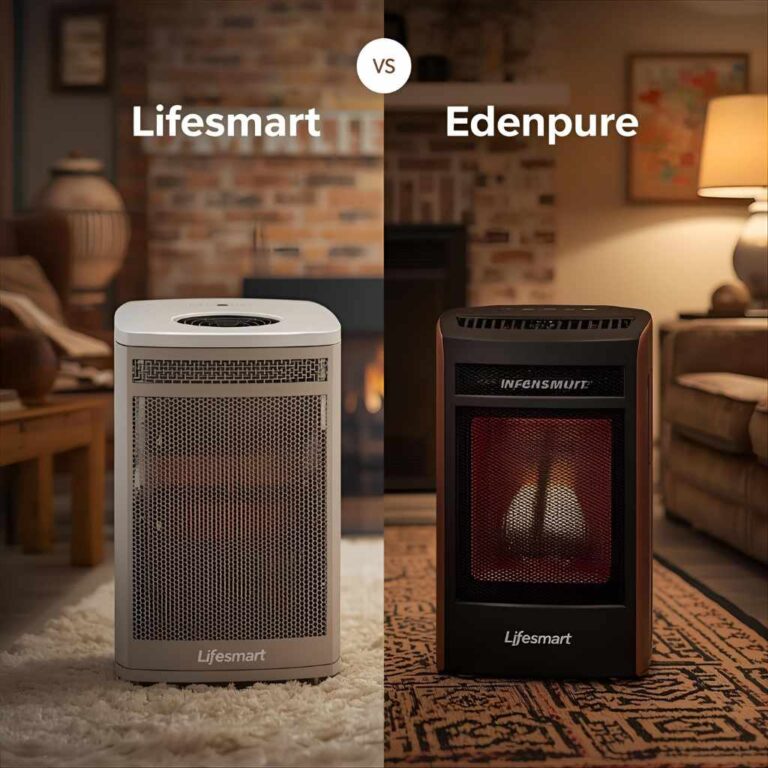
Oil-Filled Heater vs Infrared Heater: Essential Comparison Guide
Oil-filled heaters provide steady, long-lasting warmth for whole rooms, while infrared heaters deliver instant, targeted heat directly to you—choose oil-filled for all-night comfort or infrared for quick spot heating.
Winter chills can make your home feel uncomfortable, especially in drafty rooms or poorly insulated spaces. Many homeowners struggle to pick the right portable heater that balances warmth, safety, and energy costs. Don’t worry—both oil-filled and infrared heaters are safe, efficient options. This guide breaks it down simply, step by step, so you can stay cozy without stress.
We’ll compare how they work, their pros and cons, and when each shines. By the end, you’ll know exactly which one fits your needs best.
How Oil-Filled Heaters Work
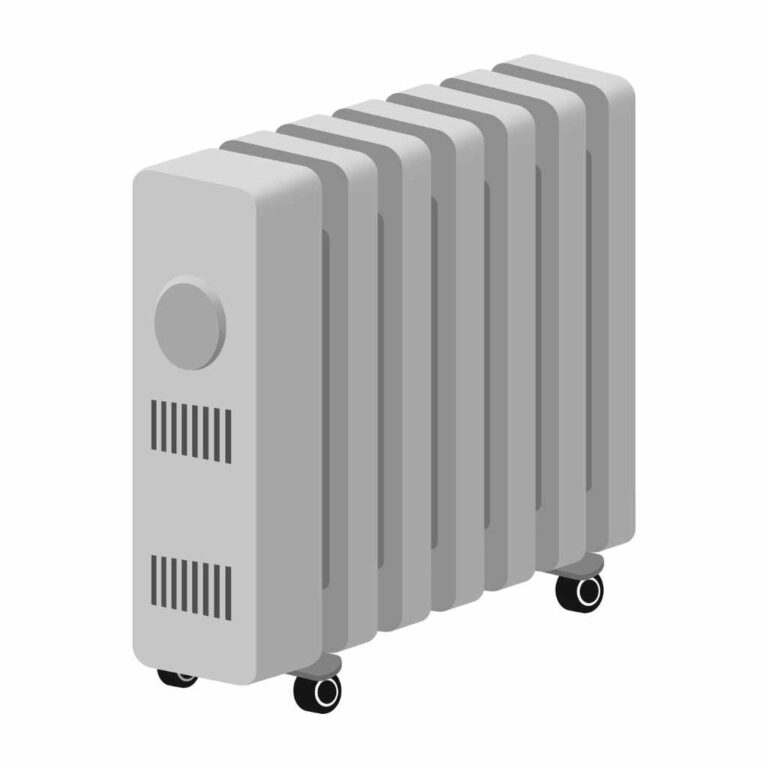
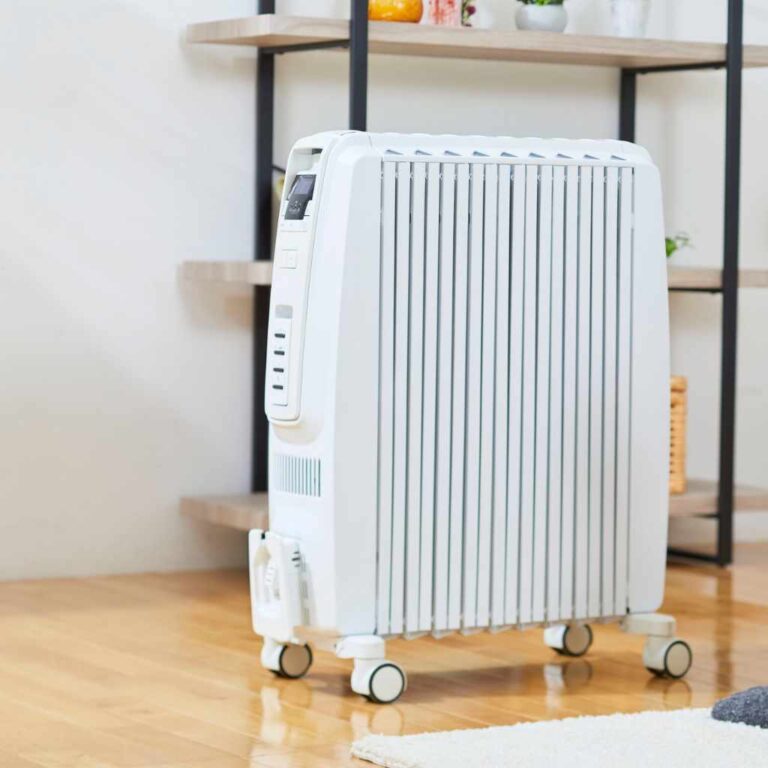
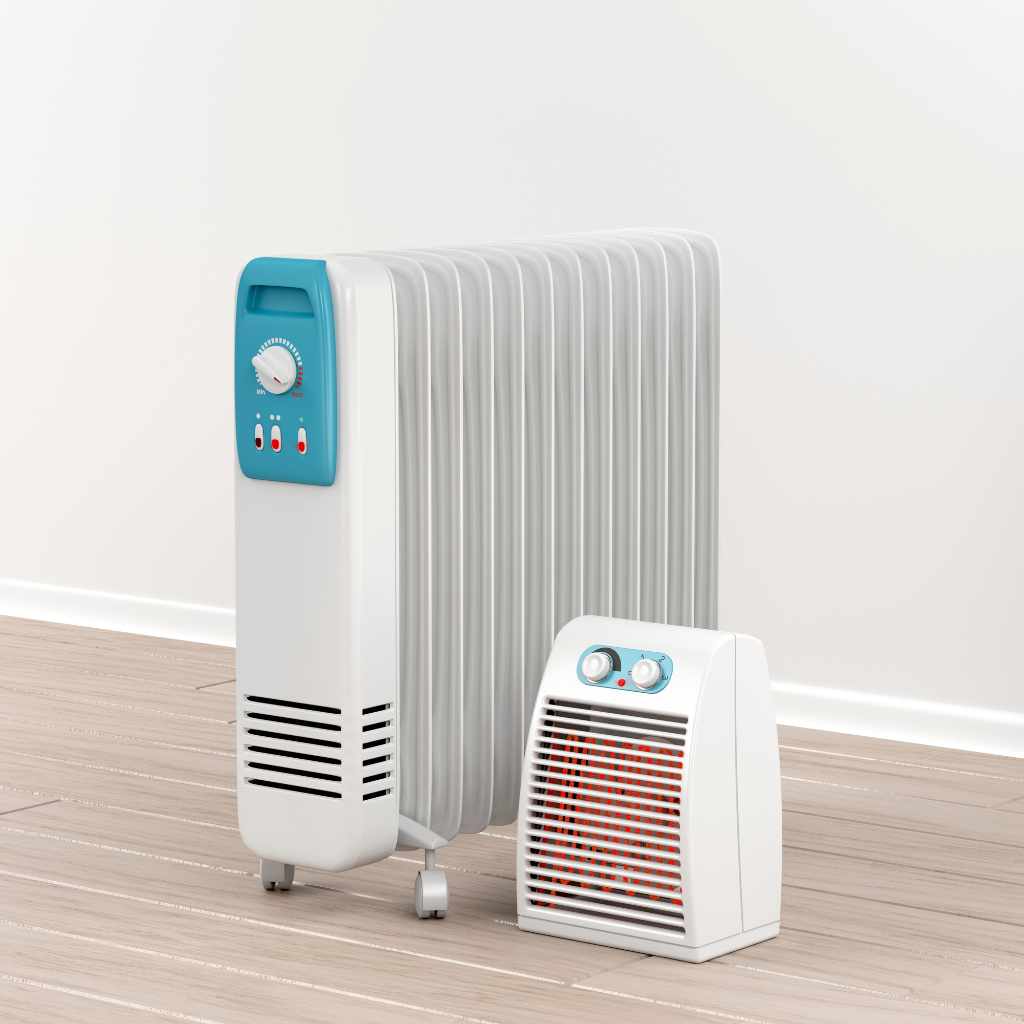
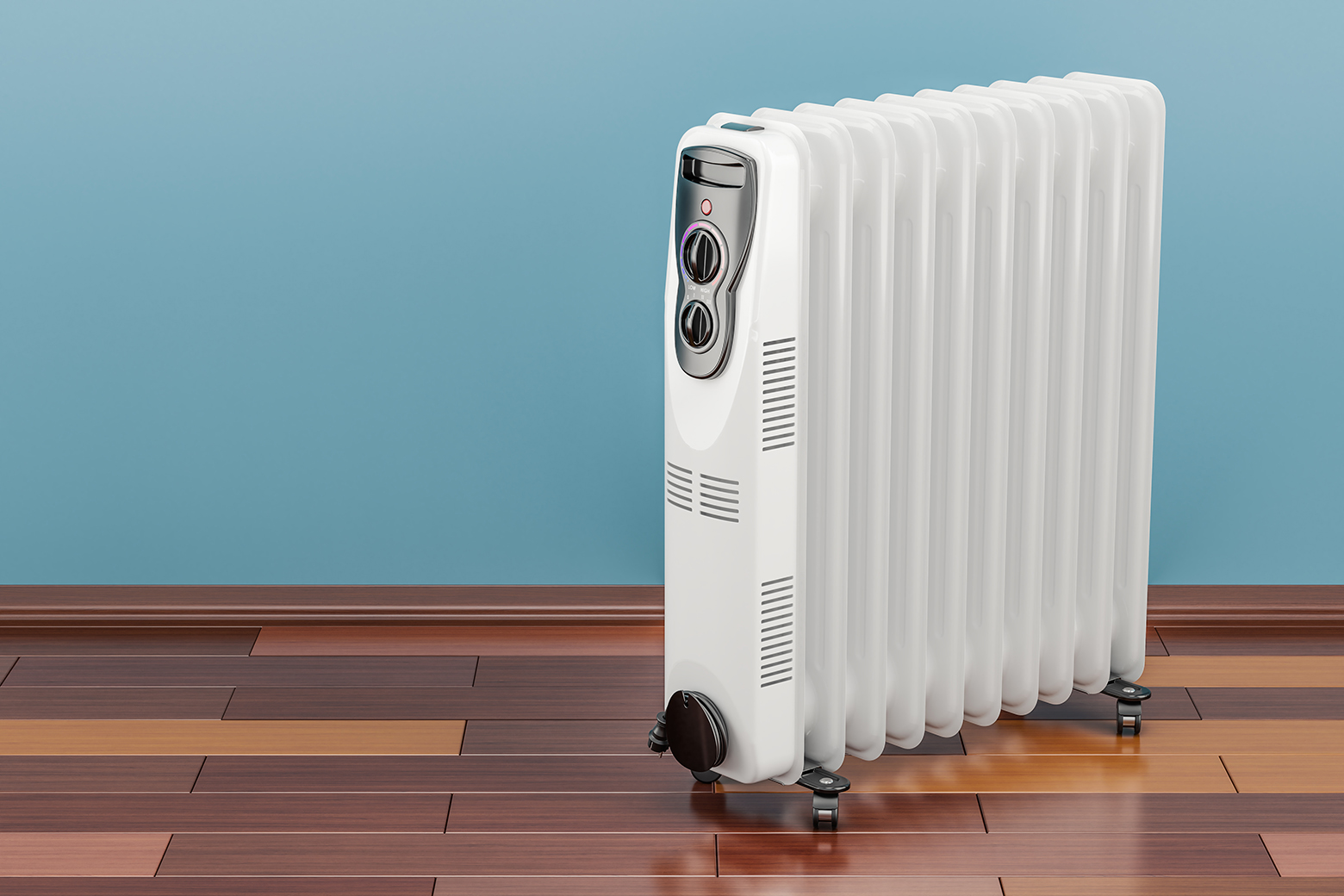
Oil-filled heaters, also called oil radiators, look like old-fashioned radiators with fins. Inside, they’re filled with special oil that never needs replacing.
An electric element heats the oil. The hot oil warms the metal fins, which then gently heat the air around them. This is called convection heating—it circulates warm air naturally, without a fan.
The oil holds heat well, so the heater stays warm even after turning off. That’s why it feels cozy for hours.
How Infrared Heaters Work
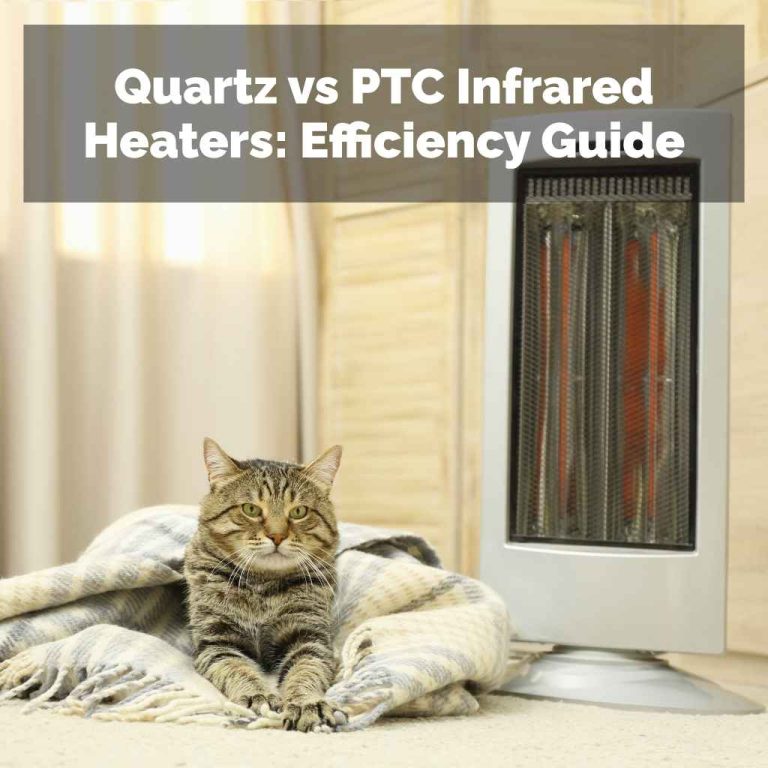
Infrared heaters work differently—they mimic the sun’s warmth. They emit invisible infrared rays that travel through the air and heat objects and people directly, not the air first.
You feel the heat right away, like stepping into sunlight on a cold day. No waiting for the room to warm up.
Many models use quartz tubes or panels. They’re quiet and often lighter than oil-filled ones.
Key Differences: Side-by-Side Comparison
Here’s a clear table to compare the two types head-to-head:
| Feature | Oil-Filled Heater | Infrared Heater |
|---|---|---|
| Heating Method | Convection (heats air) | Radiant (heats objects/people) |
| Warm-Up Time | Slower (10-30 minutes) | Instant (seconds to minutes) |
| Heat Retention | Excellent—stays warm after off | Heat fades quickly when off |
| Best For | Whole room, long sessions | Spot heating, quick warmth |
| Noise Level | Silent | Silent |
| Portability | Heavier, with wheels | Lighter, easier to move |
| Surface Temperature | Warm but safe to touch | Can get very hot |
| Drying Air | No—maintains humidity | No—doesn’t dry air |
Electric Heaters – Comparisons & Recommendations: Be Surprised!
Pros and Cons of Oil-Filled Heaters
Oil-filled heaters are popular for good reasons.
Pros:
- Even, consistent warmth across the room
- Retains heat longer, saving energy over time
- Quiet operation—perfect for bedrooms
- Safer surface (cooler to touch)
- Great for overnight use
- Doesn’t dry out the air
Cons:
- Takes time to heat up
- Heavier and bulkier
- Less effective in drafty or open spaces
According to the U.S. Department of Energy, portable heaters like these are best for zone heating specific rooms (energy.gov).
Pros and Cons of Infrared Heaters
Infrared heaters feel modern and efficient.
Pros:
- Instant warmth—you feel cozy right away
- Energy-efficient for short uses
- Direct heating reduces wasted energy
- Lightweight and portable
- Works well in garages or outdoors
Cons:
- Heat only in line of sight
- Room cools faster when off
- Some surfaces get hot (burn risk)
- Less even room heating
Consumer Reports notes infrared models excel at targeted warmth but may not suit large areas.
Energy Efficiency and Running Costs
Both types use about the same electricity for the same wattage—around 1500W is common. All electric resistance heaters are nearly 100% efficient at converting power to heat.
The difference? How you use them.
| Scenario | More Efficient Choice | Why |
|---|---|---|
| Quick 1-2 hour warmth | Infrared | Instant heat, no pre-warming needed |
| All-night or full-day use | Oil-Filled | Cycles off more, retains heat |
| Poorly insulated room | Infrared | Direct heat less affected by drafts |
| Well-sealed bedroom | Oil-Filled | Even, lasting comfort |
Tip: Use a thermostat model for both to save more. The EPA recommends portable heaters only for supplemental zone heating (epa.gov).
Safety Comparison
Both are safe when used properly, but differences matter:
- Oil-Filled: Cooler surface, tip-over shutoff common, great around kids/pets.
- Infrared: Hotter front, but many have overheat protection.
Always plug directly into a wall outlet. Never use extension cords. Look for UL or ETL certification.
The Consumer Product Safety Commission advises keeping heaters 3 feet from anything flammable (cpsc.gov).
Which Heater Should You Choose?
It depends on your home and habits.
- Choose Oil-Filled if:
- You want steady warmth in a closed room like a bedroom or office.
- You heat for several hours or overnight.
- You have kids or pets (safer surface).
- Quiet, even heat matters most.
- Choose Infrared if:
- You need fast warmth while sitting or working.
- Heating a garage, workshop, or spot in a larger space.
- Quick sessions in drafty areas.
- Easy carrying is key.
Many happy homeowners use both—one for bedrooms, one for living areas.
Tips for Safe and Efficient Use
- Set thermostat to your comfort level—don’t overheat.
- Close doors to keep heat in the room.
- Clean regularly to maintain efficiency.
- Use timers for automatic on/off.
- Never leave unattended for long periods.
Frequently Asked Questions
Are oil-filled heaters cheaper to run than infrared?
It depends on use. For long sessions, oil-filled often costs less because it retains heat. For short bursts, infrared wins.
Do infrared heaters dry out the air?
No. Unlike fan heaters, neither type dries air or reduces humidity.
Can I leave an oil-filled heater on overnight?
Yes—many people do. They’re safe with built-in features and retain heat well.
Which is better for a bedroom?
Oil-filled for quiet, even overnight warmth. Infrared if you want instant heat before bed.
Are infrared heaters safe for children?
With supervision and protective grills, yes. But oil-filled surfaces are cooler and often safer.
Which heats a room faster?
Infrared—you feel warm immediately. Oil-filled takes longer but warms the whole space evenly.
Do both types save energy compared to central heating?
Yes! Zone heating a single room with either can cut bills versus heating the whole house.
Final Thoughts: Stay Warm and Cozy
Choosing between an oil-filled and infrared heater doesn’t have to be hard. Both are reliable ways to add affordable warmth to your home.
Oil-filled heaters shine for steady, room-wide comfort—ideal for relaxing evenings or peaceful sleep. Infrared heaters deliver that quick, sunny feeling when you need it most.
Think about your space, how long you’ll use it, and who shares your home. Pick the one that matches your needs, and you’ll enjoy a warmer, happier winter.
Stay safe, keep cozy, and remember—a little targeted heat goes a long way. You’ve got this!