Construction Heaters Propane vs Kerosene: Proven Best
Propane heaters are generally the proven best choice for everyday construction heating due to their cleaner burn, instant startup, and portability, though kerosene excels in severe cold or remote sites needing longer run times. Deciding between construction heaters propane vs kerosene depends on your site’s ventilation, duration needs, and available fuel infrastructure.
For the safety side of this topic, Kerosene Vs Propane Heater Indoors: Safe Heating gives readers a practical next check before using a heater.
For space-specific heating decisions, Garage Heater Kerosene Vs Propane gives readers another practical setup to compare.
For a closely related heater topic, Indoor Heater Propane Vs Kerosene gives readers a useful next step.
Choosing the right heater for your construction site can feel confusing. You need warmth fast, safely, and affordably, but sometimes the technical details of propane versus kerosene heaters make the choice tough. Will one leave a worrying smell? Will the other be too costly to run all day? Don’t worry! As your trusted heating guide, I’m here to make this decision simple. We will look closely at propane and kerosene heaters, side-by-side, so you can confidently pick the perfect heat source for your project needs. Get ready to keep your crew warm without the headaches!
Why Choosing the Right Construction Heater Matters
A cold worksite isn’t just uncomfortable; it’s a safety and productivity killer. When temperatures drop, tools become harder to handle, concrete cures improperly, and morale plummets. The heater you select directly impacts three critical areas:
- Safety: Proper ventilation prevents carbon monoxide buildup, a major risk.
- Cost: Fuel costs and heater efficiency change how much you spend weekly.
- Time: Starting up quickly and running reliably keeps jobs on schedule.
Understanding the core differences between propane and kerosene models is the key to making this crucial investment the right one for ‘you’.
Understanding the Contenders: Propane vs. Kerosene Construction Heaters
Propane and kerosene heaters serve the same basic goal—keeping spaces warm—but they burn their fuel very differently. This difference impacts everything from performance to cleanup.
Propane Construction Heaters: The Clean and Quick Option
Propane heaters often sit in the “forced-air” category, though direct-fired portable tank models are common for quickly heating smaller, enclosed spaces (with extreme ventilation). However, the most popular construction units are indirect-fired propane heaters—these keep the flame and combustion fumes completely separate from the heated air.
Pros of Propane Heaters:
- Clean Burning: Propane burns very cleanly, especially with modern indirect heaters, meaning less soot and odor.
- Instant Start: They ignite almost instantly, providing heat within minutes of turning them on.
- Portability: Fuel is easily transported in lightweight tanks (20lb, 100lb, or larger farm tanks).
- Easy Storage: Propane stores indefinitely without degrading, unlike some other fuels.
Cons of Propane Heaters:
- Fuel Costs Fluctuation: Propane prices can be higher per BTU than kerosene, depending on the season and location.
- Tank Management: You must always have spare, full tanks ready, or the heater stops working, especially the lighter tanks (20lb tanks run out quickly).
Kerosene Construction Heaters: The Powerful Workhorse
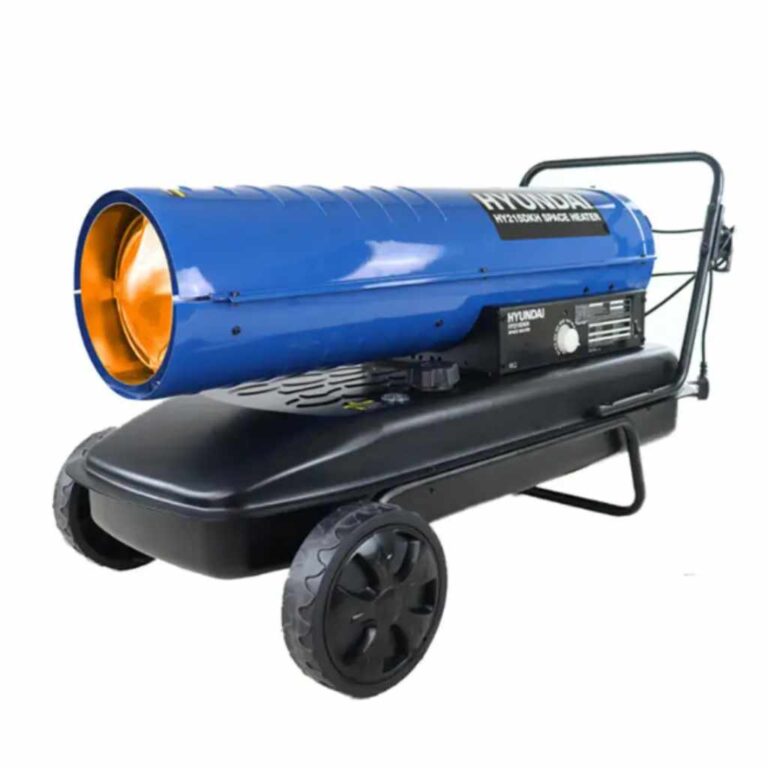
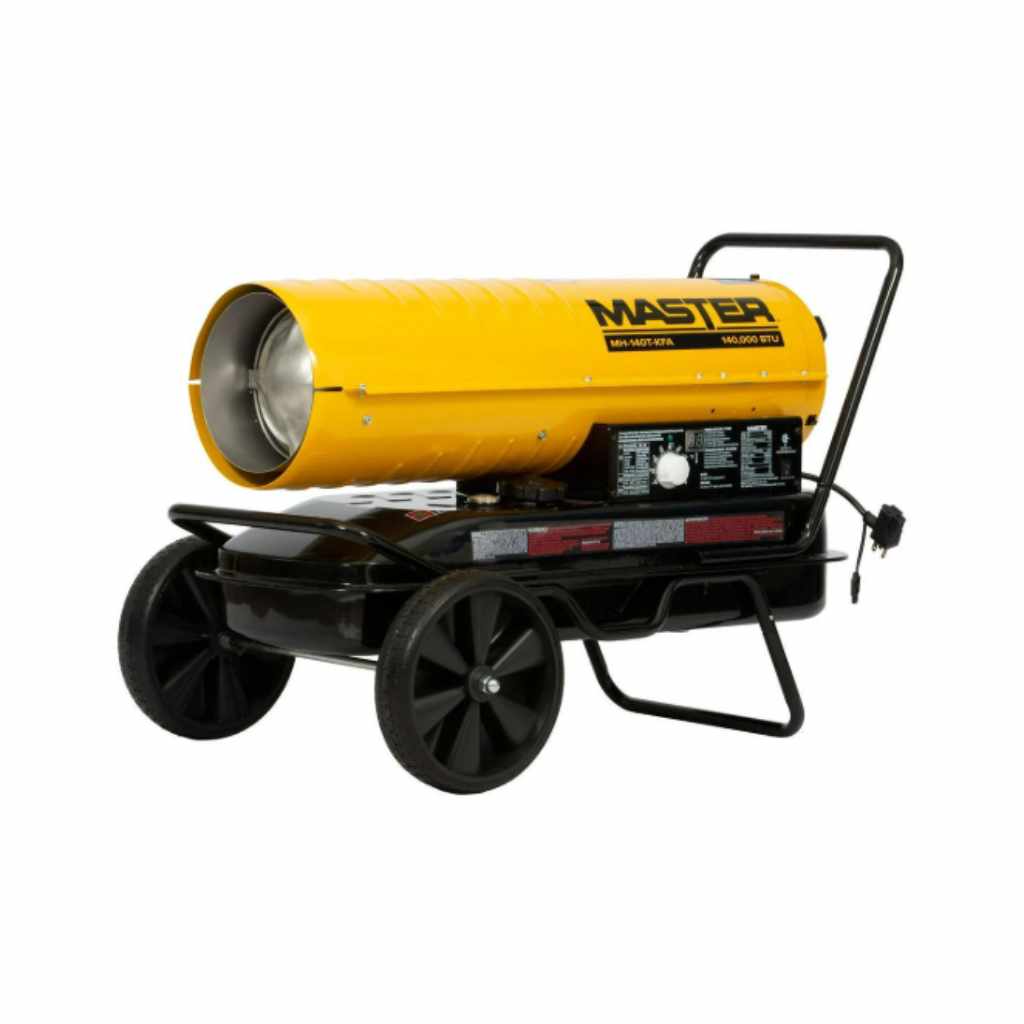
Kerosene heaters (often K-1 grade for superior performance) are famous in construction circles for their reliability in severe, dry heat applications. Like propane, they come in direct-fired (salamander style) and indirect-fired versions.
Pros of Kerosene Heaters:
- High BTU Output: Kerosene units often deliver superior heat output, making them great for massive open spaces or very severe cold.
- Longer Run Times: A full tank of kerosene often burns significantly longer than an equivalent volume of propane in a portable unit, meaning less frequent refueling stops.
- Fuel Sourcing: Kerosene is often easier to find than specific grades of propane in remote areas or during fuel shortages.
Cons of Kerosene Heaters:
- Odor and Soot: Even modern kerosene heaters produce more smell and leave behind noticeable residue or soot, especially if they are direct-fired or not maintained perfectly.
- Start-Up Time: They sometimes require a slight warm-up period before achieving full, consistent heat output compared to propane.
- Fuel Degradation: Kerosene has a shelf life; it begins to degrade in quality after about 12 months, affecting heater performance.
Direct Comparison: Propane Construction Heaters vs. Kerosene
To help you visualize the trade-offs, here is a direct comparison chart focusing on the elements most important to a site foreman.
| Feature | Propane Heaters | Kerosene Heaters |
|---|---|---|
| Fuel Cost (Per BTU) | Can be higher; fluctuates more. | Often more stable and economical for high runtime. |
| Heat Output (Speed) | Very fast, instant heat delivery. | Slightly slower initial start but powerful once running. |
| Cleanliness & Odor | Very clean burn, virtually no noticeable odor. | Noticeable odor and potential for soot/residue. |
| Portability & Fuel Transport | Excellent; tanks are easy to handle and swap. | Good, but the fuel itself is heavy and can spill. |
| Best Use Scenario | Indoor work (with proper ventilation for combustion air, or indirect-fired), quick startups, sensitive environments. | Large open outdoor areas, coldest conditions, long continuous shifts. |
Making Your Final Choice: Which Fuel is “Proven Best”?
The term “proven best” is entirely dependent on context. You won’t find one that wins every time. Instead, let’s map the best fuel to your common job site needs.
When Propane is Your Winner
Propane shines when job site cleanliness and speed are the top concerns. If you are working on finishing interiors, like drywalling, painting concrete, or doing specialized work where lingering smells or soot spots are unacceptable, propane is the clear winner. Think about this scenario:
- Small to Medium Enclosed Spaces: You need to heat a newly framed room quickly for curing materials.
- High Turnover: You are turning the heaters on and off several times a day; propane’s fast start is ideal.
- Safety Priority: You are very concerned about fuel spills or dealing with extremely clean combustion byproducts.
When Kerosene is Your Champion
Kerosene is unbeatable when power and endurance dictate the choice. If you are operating massive construction heaters designed to keep an entire warehouse or large building shell warm through a winter night, kerosene is often the economical choice because of the fuel’s energy density and burn time.
- Extreme Cold Situations: Kerosene maintains better performance in Arctic or near-freezing temperatures than propane, which loses pressure faster as ambient temperatures drop.
- Long, Unattended Runs: If you need a heater to run 12–16 hours continuously without refueling, the tank capacity of kerosene heaters is often superior for the job.
- Remote Sites: If electricity isn’t readily available for propane tank pumping systems, standard kerosene transport is more reliable.
Safety First: Ventilation Rules for Both Heater Types
This is the most important section. No matter which fuel you choose, safety is paramount. Both propane and kerosene heaters consume oxygen and produce carbon monoxide (CO) as a byproduct of combustion. Carbon monoxide is colorless, odorless, and deadly. Never use a direct-fired heater inside an unventilated or partially ventilated space.
Ventilation Guidelines for Construction Heating
The U.S. government, through agencies like OSHA (Occupational Safety and Health Administration), sets strict standards for heating on construction sites. Always consult their latest documentation, but the general rules apply:
Indirect-Fired Heaters (The Safest Choice)
These are the best for enclosed spaces. They use a chimney or duct to exhaust all combustion gases outside. The air pulled into the burner is the site air, but the heated air blown out is clean. If you must heat an interior space, always choose indirect-fired.
Direct-Fired Heaters (Use With Caution)
These blow the heat directly into the space but also blow the fumes (including CO) right along with it. OSHA strictly regulates their use. They should only be used when:
- The space has continuous, adequate ventilation (usually a mandatory percentage of open area or dedicated air changes per hour).
- A working, calibrated Carbon Monoxide (CO) alarm that meets required monitoring standards is present in the area.
To learn more about essential worksite safety standards, review the Occupational Safety and Health Administration (OSHA) guidelines regarding temporary heating on construction sites.
Installation and Start-Up: A Beginner’s Guide
Getting your chosen heater operating correctly the first time is key to avoiding frustrating downtime.
Step-by-Step: Setting Up Your Propane Heater
For a standard direct-fired 40,000 BTU tank-top propane heater:
- Placement: Set the heater on a level, non-combustible surface, keeping it several feet away from any flammable materials (like drop cloths or wood scraps).
- Vent Check: Ensure any vents or air intakes are unobstructed.
- Tank Connection: Securely attach the regulator hose to the valve on your clean propane tank (20lb for small job, 100lb for longer runs). Hand-tighten connections firmly—do not overtighten steel fittings.
- Ignition: Follow the manufacturer’s instructions. This usually involves turning the gas knob to “Pilot” or “Ignite,” pressing the ignition button, and slowly turning the main heat knob to the desired setting.
- Monitor CO: Even if you think the space is ventilated, place a CO detector nearby for the first hour of operation.
Step-by-Step: Firing Up Your Kerosene Heater
Kerosene heaters require slightly more attention to fuel quality and priming.
- Fuel Quality Check: Only use fresh K-1 grade kerosene. Never use gasoline or diesel; this is extremely dangerous.
- Filling: Fill the tank slowly, leaving enough space for the fuel to expand when hot. Place the tank on a stable surface during filling to prevent spills.
- Priming (If Required): Many wick-style kerosene heaters require a quick “prime” using a small manual pump to draw the fuel up to the wick before lighting. Check your manual!
- Lighting Sequence: Once fueled, follow the procedure (usually involving opening the wick adjuster and lighting the wick with a long match/lighter). Wait until the flame is burning clearly and has turned blue (usually after 3–5 minutes).
- Initial Monitor: Check the flame consistency and ensure the heater is producing steady, clean heat as it warms up.
Calculating Fuel Cost: Propane vs. Kerosene Efficiency
To truly prove which is “best,” we need to look at the dollar signs over an 8-hour shift.
Heating efficiency is measured in BTUs (British Thermal Units), which is the measure of heat energy. A typical construction heater will have a specific BTU range. Let’s compare two common mid-range direct-fired torpedo heaters:
| Heater Type | Max BTU Output | Fuel Consumption (per hour) | Cost Factor (Example Only) |
|---|---|---|---|
| Standard Propane (70k BTU) | 70,000 BTU | Approx. 3.3 lbs of propane / hour | $0.50 – $0.75 per lb |
| Standard Kerosene (65k BTU) | 65,000 BTU | Approx. 0.48 gallons of kerosene / hour | $3.50 – $4.50 per gallon |
Note: Fuel cost varies dramatically by region and supplier. This table uses generalized national averages for illustrative purchasing power.
While the propane cost per pound might seem lower on paper, you must compare the energy delivered. Kerosene generally offers more BTUs per dollar spent over very long, continuous periods compared to propane. However, propane’s very high, instant heat often means you use less total fuel because you are fighting the cold for a shorter period before shutting it down. This is where the portability advantage of propane shines—you only heat when you need it.
Maintenance Matters for Longevity and Safety
A well-maintained heater runs efficiently and safely. Neglecting maintenance turns an affordable necessity into a dangerous risk, especially with kerosene.
Key Maintenance Checks for Both Fuels
- Monthly Check: Inspect all wiring, hoses, and connections for cracks, fraying, or leaks.
- Filter Cleaning: Dirty air filters restrict airflow, leading to inefficient burning and potential overheating. Clean or replace them as recommended by the manual.
- Thermal Cut-Off Test: Ensure the automatic safety cut-off switch (which shuts the unit down if it gets too hot) is functioning correctly.
Kerosene Specific Maintenance: The Wick
If you use a wick-based model, regular wick maintenance is non-negotiable:
- Burn-Off Period: After about 20–30 hours of use, the wick develops a crust of carbon buildup. This prevents clean burning and causes odor.
- The Burn-Off Trick: Allow the heater to run until the fuel tank is nearly empty. Let the wick burn itself clean. This is the recommended maintenance cycle before refilling or storing.
- Soot Removal: If you notice heavy black smoke, shut down immediately, let it cool, and inspect the combustion chamber for soot buildup.
When to Lease vs. When to Buy: Practical Application
Your budget and project timeline should guide your purchase decision. Here are simple guidelines for deciding whether to own or rent your construction heater:
Buy If:
- You work in cold conditions more than 8 weeks a year.
- You require a small, easily managed propane unit (like a 20lb-tank heater) for spot heating only.
- You have dedicated, safe winter storage space for the unit and fuel.
Lease/Rent If:
- You have one or two long projects spanning the entire winter, and specialized high-BTU heating is needed.
- You need an indirect-fired system for a short period (less hassle than buying and selling specialized ducting).
- You anticipate needing different heat types (e.g., a propane spot heater now, a massive kerosene unit next month). Rental agencies often provide service and support if the unit fails.
If you decide to buy, reputable manufacturers often provide excellent long-term warranties, especially on indirect-fired models which have fewer components exposed to direct workplace dirt and grime. You can find reliable safety guides and specifications on high-quality equipment from sources certified by organizations like the Independent Electrical Contractors Association (IEC) which often deals with temporary site power and heating.

Frequently Asked Questions (FAQ) About Construction Heaters
Q1: Can I use a propane heater inside a slightly enclosed garage or shed?
A: Yes, but only if you use an indirect-fired propane heater, which vents all fumes safely outside. If you use a small, direct-fired cabinet heater, you must provide constant, very high rates of fresh air ventilation to prevent CO buildup.
Q2: Which fuel burns cleaner, propane or kerosene?
A: Propane burns significantly cleaner than kerosene. Kerosene often produces more noticeable odors and leaves behind minor soot or residue, especially with older or less well-maintained direct-fired models.
Q3: Is it dangerous to use gasoline in a kerosene heater “just this one time?”
A: Absolutely. Never use gasoline, diesel, or any fuel other than the specified grade (usually K-1 Kerosene) in a kerosene heater. This can lead to explosions, fires, and rapid production of deadly carbon monoxide.