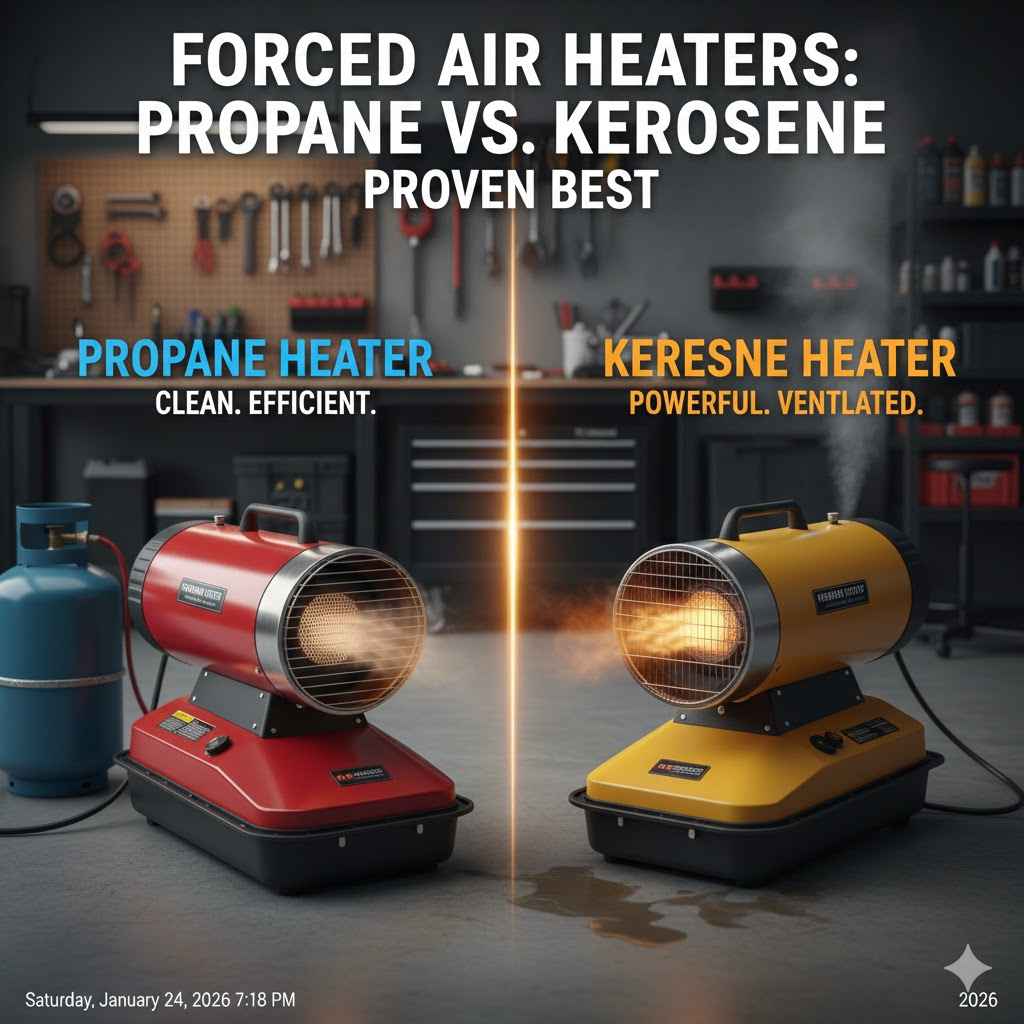
Forced Air Heaters Propane Vs Kerosene: Proven Best
For propane forced air heaters, propane is generally the proven best choice for cleaner burning, easier handling, and better wide availability compared to kerosene, though kerosene can offer hotter, longer run times for specific heavy-duty needs.
When you need serious, fast heat for a workshop, construction site, or large garage, a forced air heater is your best friend. But when you look at the fuel tanks, you often run into a big choice: propane or kerosene? Both are workhorses, but only one might be the right fit for your space and workload. Choosing the wrong fuel can mean more hassle, higher costs, and sometimes, more smoke. Don’t worry; picking the perfect fuel is easier than you think. We are going to break down exactly how propane and kerosene stack up so you can feel totally confident in your next heating decision. Let’s find the best heat source for you!
Choosing between propane and kerosene for your forced air heater is like picking between two great tools—both get the job done, but they shine in different situations. As a homeowner or DIY enthusiast, you want efficiency, safety, and reliable warmth without constant fuss. This detailed guide cuts through the confusion, helping you understand the real-world differences in cost, performance, portability, and safety when comparing forced air heaters propane vs kerosene.
What is a Forced Air Heater? The Basics You Need to Know
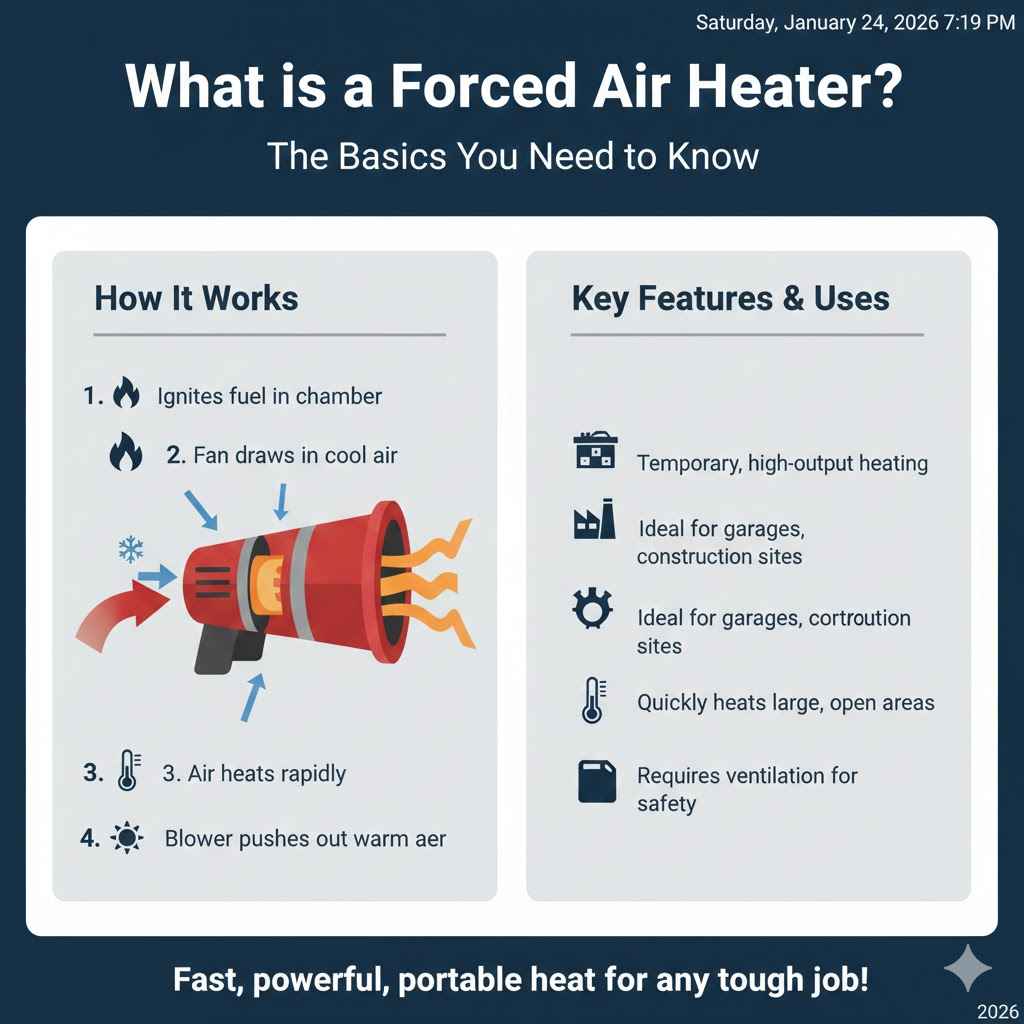
Before diving into the fuel debate, let’s quickly confirm what these heaters do. A forced air heater, whether fueled by propane or kerosene, works much like a giant hairdryer for your workspace.
1. It ignites the fuel inside a combustion chamber.
2. A powerful fan draws in cool air from the room.
3. This air passes over the hot chamber, heating up rapidly.
4. The blower forcefully pushes the warm air out, quickly heating the entire area.
These machines are fantastic for temporary, high-output heating where central heat doesn’t reach.
The Main Contenders: Propane vs. Kerosene Fuel Profiles
Propane (LP Gas) and Kerosene (a specific type of refined petroleum distillates) have very different properties that directly impact how they perform in your heater. Understanding their nature is key to making the right selection.
Propane: The Clean, Convenient Choice
Propane is what powers your BBQ grill or gas stove. It comes in portable tanks and is celebrated for its efficiency and lack of residue.
Pros of Propane Heaters
Cleaner Burning: Propane burns exceptionally clean, meaning fewer odors and less soot buildup inside the heater itself. This means less maintenance for you!
Easier Storage and Handling: It’s stored under pressure in sealed tanks. Refueling is as simple as swapping out an empty tank for a full one.
Wider Availability: You can easily find propane tanks refillable or exchangeable at almost any hardware store or gas station.
Lower Maintenance: Due to the clean burn, components like the nozzle and filter last longer.
Cons of Propane Heaters
Lower Heat Output (BTUs per Gallon): While powerful, propane generally offers slightly less total heat energy by volume compared to kerosene.
Colder Weather Limitations: Because it’s stored as a liquid under pressure, using propane in extremely cold temperatures (below 0°F/-18°C) can sometimes cause pressure drops, affecting performance.
Kerosene: The Heavy-Duty Powerhouse
Kerosene has historically been the go-to fuel for tough, continuous heating jobs, especially in construction zones or unheated barns. It contains more energy per gallon than propane.
Pros of Kerosene Heaters
Higher Energy Density: Kerosene delivers more heat energy per gallon, potentially offering longer run times (especially with older or high-BTU models).
Powerful Heat: Kerosene heaters often produce incredibly high and consistent heat (BTUs), ideal for thawing frozen pipes or rapidly heating very large, drafty spaces.
Good Low-Temperature Performance: Kerosene maintains its liquid state and burns reliably even in very cold work environments.
Cons of Kerosene Heaters
Odor and Fumes: Kerosene produces noticeable fumes, especially upon startup and shutdown. This makes it less ideal for use in well-sealed indoor areas without excellent ventilation.
Maintenance Requirements: The burning process creates carbon and soot, requiring more frequent cleaning of the fuel filter, nozzle, and combustion chamber to maintain efficiency.
Safety and Handling: Kerosene must be stored in approved containers, and spills create oily residue that can be difficult to clean and carries a distinct fuel smell.
Side-by-Side Comparison: Propane vs. Kerosene Forced Air Heaters
To make the forced air heaters propane vs kerosene decision crystal clear, here is a direct comparison table focusing on what matters most to casual users and small business owners.
| Feature | Propane Forced Air Heater | Kerosene Forced Air Heater |
|---|---|---|
| Cleanliness & Smell | Very Clean, almost odorless when burning properly. | Produces noticeable odor and requires vigilant ventilation. |
| Storage & Handling | Easy—uses portable, reusable tanks. Refill is simple. | Fuel must be stored in approved metal cans; pouring required. |
| Maintenance Needs | Low. Burns cleaner, requiring less frequent deep cleaning. | High. Soot buildup requires regular cleaning of the burner assembly. |
| Fuel Cost Stability | Generally stable, often slightly cheaper per BTU than K1 Kerosene. | Can fluctuate more based on oil market prices. |
| Best For | Workshops, garages, home construction, general jobs where ventilation is moderate. | Tough, industrial sites, large open areas, sustained heavy heating needs. |
Safety First: Ventilation and Carbon Monoxide Concerns
This is perhaps the most critical factor when choosing between these two types of fuel-burning heaters. Any fuel-burning heater consumes oxygen and produces exhaust gas. Carbon Monoxide (CO) poisoning is a real risk if ventilation is ignored.
Propane Safety Nuances
Because propane burns cleaner, the risk of creating black, sooty residue is lower. However, all propane combustion produces CO. Proper fresh air intake is mandatory. If propane gas leaks outside the combustion chamber, it will pool near the floor because it is heavier than air.
Kerosene Safety Nuances
Kerosene heaters produce more particulates and volatile organic compounds (VOCs) along with CO. If you smell strong kerosene fumes while the heater is running, it means the burner is not performing correctly, or your ventilation is inadequate. Always ensure the room has fresh air flowing through it. Never use kerosene heaters labeled “Indoor Safe” unless they are specifically rated for unvented indoor use and you follow all use regulations, as most forced-air models are designed for job sites or temporary structures.
Installation and Operation: What You Actually Do When You Heat
The process of setting up and operating Propane vs. Kerosene forced air heaters differs significantly due to how the fuel is delivered.
Operating a Propane Forced Air Heater
This is often the simplest setup available for temporary heat:
1. Check the Tank: Ensure your propane (LP) tank is securely attached and the regulator hose is snug.
2. Fuel Check: Confirm you have enough propane left in the tank for the duration you need heat.
3. Ignition: Use the electronic ignition system (or match if necessary) to light the burner according to the manufacturer’s instructions.
4. Thermostat Control: Set your desired temperature or required output level.
5. Shutdown: Turn the unit off. The gas flow stops, and the fan runs briefly to cool the chamber.
Operating a Kerosene Forced Air Heater
Kerosene requires a few more hands-on preparation steps:
1. Fuel Quality: Use only fresh, clean K-1 grade kerosene. Never use gasoline or lamp oil—this mixture is extremely dangerous! Check resources like the U.S. Department of Energy (DOE) for official fuel guidelines.
2. Fueling Sequence: Carefully pour the kerosene into the fuel tank, using a funnel to avoid spills outside the tank.
3. Wick Priming (Important for Older Models): Some older models may require you to soak the wick for ten minutes before the first start-up to ensure even burning. Fan-forced kerosene heaters usually don’t use wicks like older “salamander” heaters, but they still need time for the fuel pump to prime the system.
4. Ignition: Start the heater. You will likely smell a mild odor as the fuel heats up completely.
5. Monitoring: Keep an eye on the fuel gauge. Because kerosene burns rapidly under force, it can empty tanks faster than expected.
Cost Analysis: Per Hour Heating Expenses
Which fuel choice saves you more money over a season? The answer depends on fuel prices in your area, but we can look at the energy content.
BTU Value Comparison
BTU (British Thermal Unit) measures heat output.
Kerosene (K1): Approximately 135,000 BTUs per gallon.
Propane: Approximately 91,500 BTUs per gallon.
On paper, kerosene delivers more heat energy per full gallon. If fuel prices are equal, kerosene has the potential to be cheaper on a pure energy-output basis.
However, this is where efficiency and maintenance come in. If a propane heater runs cleaner, requires fewer replacement parts, and you don’t spill fuel nearly as often, those initial savings on kerosene can quickly disappear due to increased operational costs and downtime. Always check local pricing for both fuels before making a long-term commitment.
Top Considerations for Choosing: Propane vs. Kerosene
To distill the facts into practical advice, ask yourself these guiding questions:
When is Propane the “Proven Best” Choice?
Propane truly shines when convenience, cleanliness, and portability are your main concerns.
You are setting up temporary heat in a residential garage or basement where family members might be nearby.
You need to move the heater frequently between different job sites.
You dislike dealing with fuel spills or strong combustion odors.
You prioritize low-maintenance operation.
When is Kerosene the “Proven Best” Choice?
Kerosene is often the best fit when raw heating power and sustained run time are paramount, often outweighing smell and maintenance concerns.
You are heating a very large, uninsulated, or open construction site where extreme, fast heat is necessary.
You are working in areas where propane tank pressure might dip due to severe cold.
You are already licensed and experienced in handling and storing liquid fuels safely.
Maintenance Matters: Keeping Your Heater Running Strong
A clean heater is an efficient heater. In the forced air heaters propane vs kerosene matchup, maintenance favors propane significantly.
Propane Heater Maintenance Checklist (Simple)
1. Examine the electrical connections and wiring for damage before each season.
2. Wipe down the exterior casing.
3. Inspect the regulator hose for cracks (replace immediately if found).
Kerosene Heater Maintenance Checklist (Regular Effort Required)
1. Filter Cleaning: At least every 50 operating hours, check and clean (or replace) the fuel filter. Dust and trace water in the fuel clog this quickly.
2. Burner Inspection: Periodically inspect the core burner. If you see heavy black residue (soot), clean it carefully according to the manual. This prevents performance drop-offs and smoke.
3. Fuel Drain: If storing the heater for the summer, drain the remaining fuel completely or treat it with a stabilizer. Old kerosene can degrade and clog lines.
Understanding Heater Types: Direct-Fired vs. Indirect-Fired
The fuel choice is often linked to the heater design. Forced air heaters fall into two main categories:
Direct-Fired Heaters: These heaters mix exhaust/combustion air directly with the heated air they produce. These are only for outdoor or unenclosed, very well-ventilated areas, as the fumes go directly into the space (true “salamander” style).
Indirect-Fired Heaters: These have a sealed combustion chamber. The exhaust vents outside via a chimney pipe, while the fan blows clean, heated air into your space.
If you want any indoor use, a forced air heater, whether propane or kerosene, must be indirect-fired with an attached exhaust vent. If you buy a direct-fired unit, use it strictly outdoors!
Real-World Examples: Who Chooses Which Fuel?
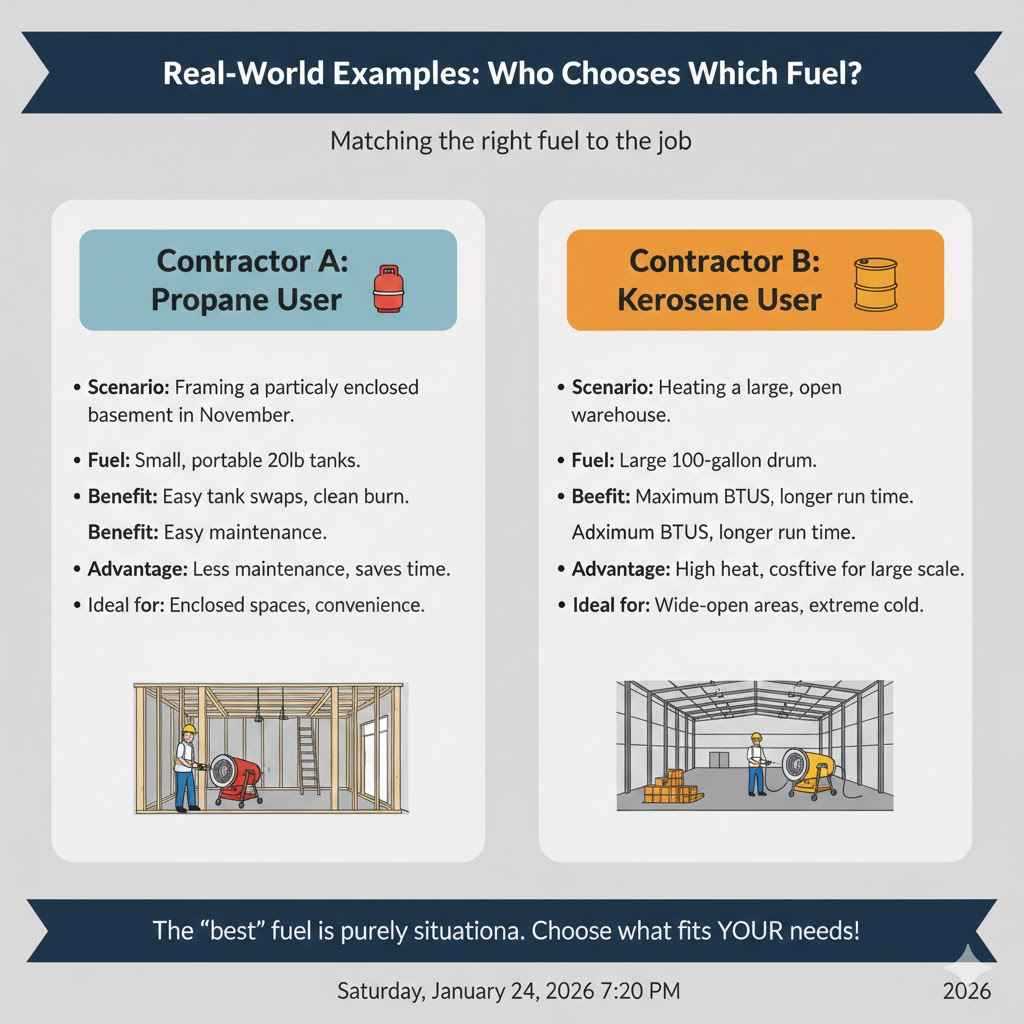
Imagine two contractors starting a new home renovation project in November.
Contractor A (Propane User): They are framing out a large, partially enclosed basement. They use small, portable 20lb propane tanks. They love easily swapping tanks and running the heaters all day without having to monitor smoke or clean nozzles every three days. They save time on maintenance.
Contractor B (Kerosene User): They are working on a large, open warehouse structure where outside temperatures drop below freezing rapidly. They need absolute maximum BTUs running non-stop for 12 hours. They use a large 100-gallon kerosene drum. The higher energy content keeps the space ripping hot longer, and they are experienced enough to clean the burners quickly during their weekly safety check.
This illustrates how the “best” fuel is purely situational.
Frequently Asked Questions About Forced Air Heaters
Here are some common questions that come up when deciding between these two options:
Q1: Can I use propane in a kerosene heater, or vice versa?
A: Absolutely not. Propane is a gas stored under pressure; kerosene is a liquid fuel. Placing propane in a kerosene heater will cause immediate catastrophic damage, and using kerosene in a specialized propane direct-fired unit could lead to severe fire or explosion risks. Always match the fuel to the manufacturer’s stated requirements.
Q2: Which fuel generally costs less per hour to run?
A: This heavily depends on current market prices in your location. However, due to kerosene’s slightly higher energy density (more BTUs per gallon), kerosene can* often be marginally cheaper per BTU if both fuels are priced normally. Propane often wins on overall cost when factoring in reduced maintenance time.
Q3: Do kerosene heaters smell bad when they are running correctly?
A: A properly functioning modern kerosene forced air heater should have very little odor upon startup and while running steady. If you smell a strong, persistent kerosene smell, it usually means the burner needs cleaning, the temperature setting is too low, or the air mixture (oxygen) is incorrect, leading to incomplete combustion.
Q4: Is one significantly easier to start up in cold weather?
A: Kerosene is generally considered better for operating in severe cold (below 0°F). Propane heater performance can sometimes stutter if the ambient temperature is too low to maintain adequate tank pressure.
Q5: If my space is relatively small and well-managed (like a two-car garage), which should I choose?
A: For smaller, better-sealed spaces where cleanliness matters, propane is the advised choice. It provides safe, quick, and clean heat without lingering odors that can stick around in smaller structures.
Q6: How long does a gallon of fuel typically last in a 50,000 BTU heater?
A: A 50,000 BTU heater typically consumes about 0.4 gallons per hour (GPH) of fuel. Since the BTUs of kerosene are higher, kerosene might last 10-15% longer than propane at the exact same BTU output setting, but actual run times vary wildly based on thermostat cycling and insulation.
Conclusion: Making Your Confident Choice
Navigating the world of forced air heaters propane vs kerosene doesn’t have to be stressful. You now have a clear breakdown of the trade-offs. Propane offers outstanding convenience, superior cleanliness, and lower long-term maintenance headaches—making it the default “best” choice for most homeowners, remodelers, and users needing reliable heat in everyday work environments. Kerosene holds its ground when you require immense, sustained, raw heating power in large, often open, industrial settings where odor and extra cleaning time do not affect the project’s timeline or budget.
No matter which fuel stream you choose, always prioritize ventilation, adhere strictly to the manufacturer’s instructions, and treat your system with regular, simple maintenance. With this knowledge, you are fully equipped to select the heat source that keeps your work zone safe, warm, and productive all season long.