Convection Vs Forced Air Space Heater: Essential Guide
When choosing between convection vs forced air space heaters, the key difference is heat distribution: convection heaters warm a whole room slowly and silently using natural air currents, while forced air heaters use a fan to push warm air quickly into your space, offering immediate, directional heat. Your best choice depends on whether you prioritize silent, even heating or fast, targeted warmth.
Feeling that chill creeping into one room? Choosing a portable space heater can feel overwhelming. You see terms like “convection” and “forced air” and wonder which one will actually keep you cozy without hiking up your electric bill. It’s frustrating when you just want a simple, warm solution without needing an HVAC degree!
Don’t worry, you are not alone in this confusion. As your trusted home heating guide, I promise to break down the differences between convection and forced air heaters simply. We will explore how each one works, where each shines brightest, and how to pick the safest, most effective heater for your home. Let’s step into the warmth and make smart choices together!
Understanding Space Heater Basics: Why the Type Matters
Before we dive deep into convection versus forced air space heater debates, let’s agree on one thing: a good space heater adds comfort exactly where you need it. But not all heaters work the same way. The way a heater moves or transfers warmth directly impacts how fast your room heats up, how evenly the temperature feels, and even how much noise you hear.
Think of it this way: one heater acts like a gentle whisper, warming everything around it slowly. The other acts like a welcoming gust of warm air, hitting its target quickly. Understanding this mechanism is the absolute first step in making the right purchase.
Section 1: The Convection Heater Explained (The Gentle Warmer)
Convection heaters are masters of patience and pervasive warmth. They rely on the natural laws of physics—specifically, that hot air rises and cool air sinks—to heat an entire room slowly and evenly.
How Convection Heaters Work
A convection heater warms up its internal element (often oil-filled or using ceramic plates). As the surface gets hot, the air directly next to it heats up. This warmer air becomes less dense and begins to rise toward the ceiling. Simultaneously, cooler, denser air near the floor is drawn downward toward the heating element to be warmed up next. This creates a continuous, silent loop called a convection current.
This is the same natural process that heats your entire house when your main furnace kicks on, just on a smaller scale. Because they rely on moving air naturally, most convection heaters do not use a fan or blower.
Types of Convection Heaters
When you shop, convection heaters often fall into one of these categories:
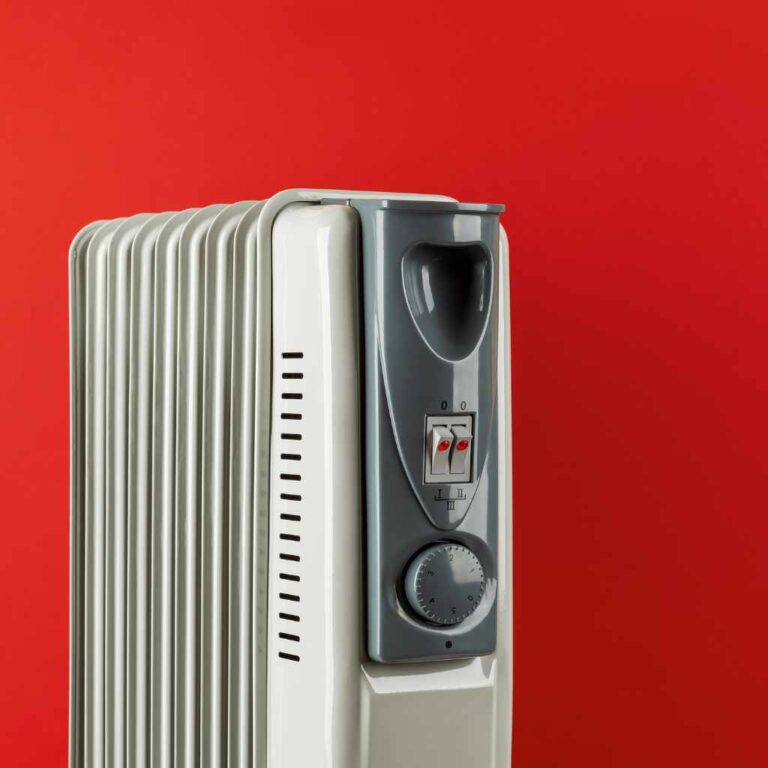
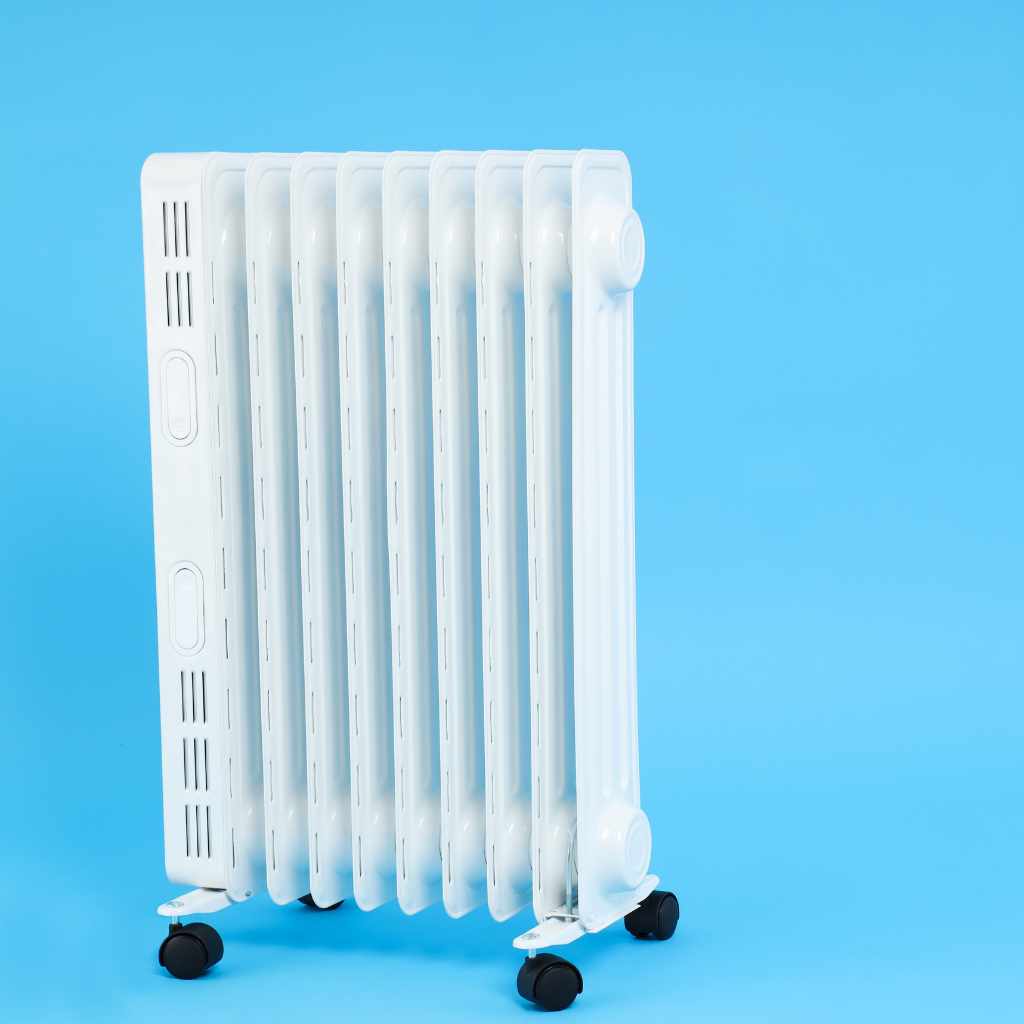
- Oil-Filled Radiators: These often use electricity to heat up a sealed internal oil supply, which then radiates steady heat outward. They retain heat very well, even after being turned off.
- Panel/Baseboard Heaters: These thin units usually mount against a wall and convert electricity directly into radiant and convective heat.
- Silent Ceramic (Some Models): While many ceramic heaters use fans, some specialized models are designed to rely purely on surface heating and natural air movement.
Pros and Cons of Convection Heaters
Convection heaters are fantastic for creating a background warmth, but they are not the fastest tools in the shed.
The Great Things About Convection
- Silent Operation: Since there is no fan, they produce virtually no operational noise—perfect for bedrooms or quiet offices.
- Even Heating: They cycle air to eliminate cold spots, heating the entire volume of air in the room over time.
- Safety: The outer casings typically don’t get as scorching hot as direct radiant surfaces, making them a slightly safer choice around pets or small children (though caution is always needed).
- Humidity Retention: Because they don’t blow air, they tend to dry the air out less than forced-air types.
The Challenges of Convection
- Slow to Start: It takes time for the initial air currents to establish and begin warming the space.
- Ineffective for Large Spaces: They struggle to heat very large or poorly insulated rooms quickly.
- Less Directional: Since the heat spreads naturally, you can’t aim the warmth directly at your favorite armchair.
Section 2: The Forced Air Heater Explained (The Speed Demon)
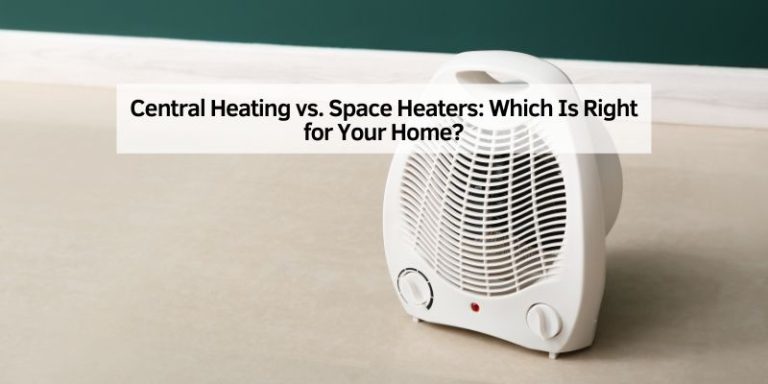
If you need instant warmth focused right where you are sitting, the forced-air space heater is your champion. These units are defined by one crucial component: a fan.
How Forced Air Heaters Work
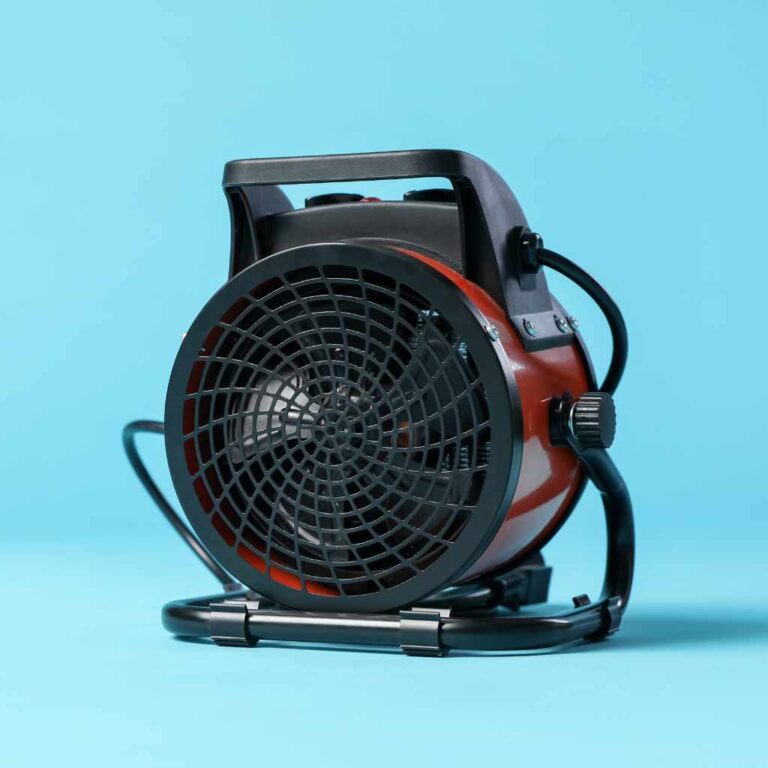
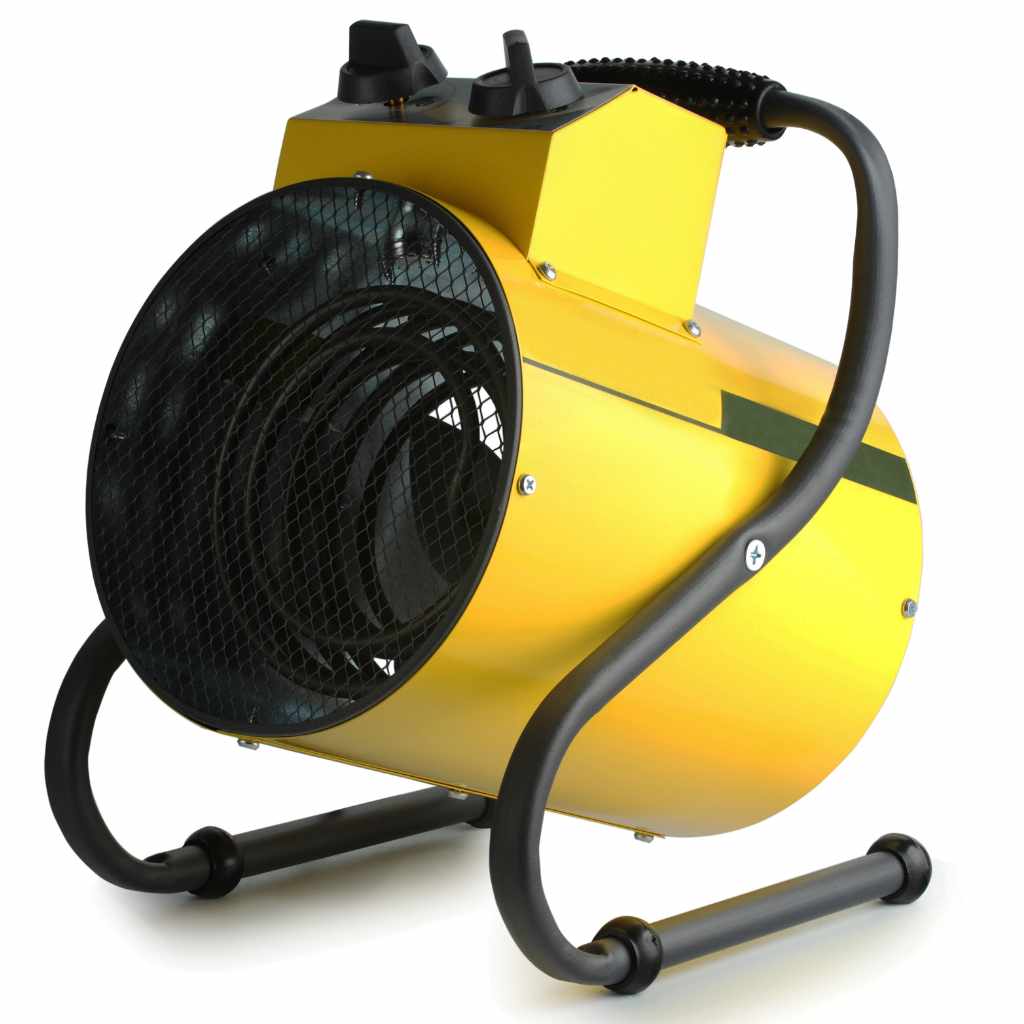
A forced-air heater works by rapidly pulling cooler room air across a very hot heating element (this could be ceramic, metal coils, or quartz). A built-in fan then forcefully blows this newly heated air out into the room. It’s direct and immediate heat transfer.
Because the fan pushes the air, these heaters heat the immediate area very quickly. Once the thermostat reaches the set temperature, the heating element shuts off, but the fan might continue running for a few moments to circulate any residual warmth.
Types of Forced Air Heaters
Most portable electric heaters on the market today rely on forced air movement to achieve fast results:
- Ceramic Fan Heaters: Use a ceramic heating element and a fan. Highly popular and relatively safe because the ceramic element doesn’t get red-hot.
- Infrared/Quartz Heaters (Hybrid): While they rely on radiant heat to warm objects directly, many larger models include a fan to help distribute that heat more widely.
- Traditional Electric Coil Heaters with Blowers: Older or more basic models that use exposed metal coils combined with a strong fan.
Pros and Cons of Forced Air Heaters
Forced air heaters are all about instant gratification when it comes to temperature.
The Advantages of Forced Air
- Fast Heating: They provide noticeably warm air within seconds of turning on.
- Directional Comfort: You can aim the blower directly at yourself or a specific zone.
- Portability: They are often smaller, lighter, and easier to move between rooms because they only need to heat the air near the element, not slowly generate convection currents.
- Versatile Thermostats: They precisely measure the current air temperature, allowing for quick shutoff when the goal is met.
The Drawbacks of Forced Air
- Noise: The main downside is the fan noise, which can be distracting in quiet settings.
- Air Drying: The constant movement of air can make the room feel drier than naturally heated rooms.
- Uneven Heat Distribution: If the heater is placed in one corner, that corner might get very warm while the opposite side of the room remains cool.
- Dust Circulation: The fan can sometimes circulate settled dust, which is something to watch out for if you have strong allergies.
Section 3: Convection Vs Forced Air Space Heater—Direct Comparison
To give you a clear picture of how these two types stack up against each other in the head-to-head showdown, let’s look at a quick reference table. This comparison focuses solely on the distinct mechanics of heat transfer.
| Feature | Convection Heater (Silent Circulation) | Forced Air Heater (Fan Driven) |
|---|---|---|
| Primary Heat Method | Natural air currents (rises and sinks) | Blower/Fan pushes air over a hot element |
| Speed of Heating | Slow, steady warming of the entire volume of air | Fast, immediate blast of warm air |
| Noise Level | Extremely quiet (often silent) | Noticeable fan noise |
| Heat Distribution | Even, pervasive throughout the room | Directional; warms the area the fan points towards |
| Best For… | Maintaining ambient temperature in small to medium rooms (e.g., bedrooms) | Quickly warming a specific zone or person (e.g., focused workspace) |
Section 4: Making the Right Choice for Your Home Comfort
Choosing between convection vs forced air space heater really boils down to answering three key questions about where and how you need the heat.
Step 1: Define Your Heating Goal
What are you trying to achieve with this unit?
- Goal A (Consistent Comfort): “I need my bedroom to stay a steady 70°F all night without any distracting noise.” (This points strongly toward Convection.)
- Goal B (Quick Relief): “I work in the garage office and want to feel warm within five minutes while I’m at my desk.” (This points strongly toward Forced Air.)
- Goal C (Object Warming): “I want direct heat on my frozen hands while I’m reading a book in my small home office.” (Note: While Forced Air feels more direct than pure Convection, specialized Radiant Heaters are often best for direct object heating—a third category worth keeping in mind!)
Step 2: Consider Room Size and Insulation
A heater’s BTU output must match the space it needs to warm. Small bathrooms or tiny offices (under 100 sq. ft.) can usually be handled effectively by either type. However, for larger living rooms or open-plan areas:
- Forced air units might struggle to fully penetrate the far corners, even though they start fast.
- Convection units will eventually warm the whole volume, but the wait time can be substantial if the space is large.
If you are heating a large space, focusing on ambient temperatures (like setting the thermostat in a room you occupy for hours) favors the steady, whole-room approach of convection.
Step 3: Safety and Practicality in Placement
Safety must always come first. You can find excellent safety features on both types, such as tip-over protection and overheat shutdowns. However, placement often dictates the best type:
- Placement Near Furniture: Since many forced-air units blow directly from the front grille, you need a bit more physical clearance from furniture or drapes than you might need with a slow-radiating oil-filled convection heater.
- Floor vs. Wall: Oil-filled radiators (convection) are heavier and designed to stay put, acting more like semi-permanent fixtures. Fan-driven heaters are designed to be moved often.
For reliable energy efficiency research guidance, you can always check resources from the U.S. Department of Energy on home heating tips, which emphasize using supplemental heat sources strategically.
Section 5: Safety First—Universal Tips for All Space Heaters
No matter which technology you choose—convection vs forced air space heater—basic safety protocols remain the same. Following these simple steps ensures your warmth doesn’t lead to worry.
Essential Space Heater Safety Checklist (The 5-Foot Rule)
- Maintain Clearance: Always keep at least three feet (and ideally five feet) of clear space around the heater on all sides. This means no bedding, curtains, papers, or furniture too close, regardless of whether it blows air or radiates heat.
- Use Proper Outlets: Plug your space heater directly into a wall outlet. Never use an extension cord or power strip. Space heaters draw substantial power, and using long cords creates a serious fire hazard due R-values in electrical wiring.
- Check for Tip-Over Shutoff: Confirm your unit has an instant safety switch that turns the heater off if it gets bumped or falls over completely.
- Placement on Hard Surfaces: Always place heaters on a hard, flat, non-flammable surface, never on rugs or thick carpets unless the manufacturer specifically states it is safe for that material.
- Look for Certification Marks: Always purchase heaters that have recognized safety certifications, such as UL (Underwriters Laboratories) or ETL listings.
Section 6: Operation Walkthroughs for Maximum Cheer
Now that you know the difference, let’s look at the best ways to operate each type to maximize comfort and efficiency.
How to Optimize Your Convection Heater for Even Warmth
The key here is patience and placement. You are asking the air to do the work:
- Placement: Position the convection unit near the center of the wall you want to heat or near the path where cooler air enters the room (often low on the floor).
- Set It and Forget It: Set the thermostat slightly above the ambient temperature you desire (e.g., set to 72°F if you want 70°F). Allow 30 to 60 minutes for the heat to fully distribute.
- Avoid Blocking: Do not place large pieces of furniture directly in front of it, as this will trap and impede the rising currents of air.
How to Maximize Your Forced Air Heater’s Instant Heat
The fan allows for tactical, directed heating.
- Direct the Flow: Angle the louvers or the entire unit to point directly toward the area or seating where people are actively spending time.
- Use the Fan Speed (If Available): If you have a high/low fan setting, use the high setting for the first 10–15 minutes to rapidly raise the room’s temperature, then switch it down to low to maintain the temperature without excessive fan noise.
- Check the Surface Temperature: Since these heat very quickly, monitor the area immediately surrounding the intake and output vents to ensure you are maintaining the required 3-foot safety buffer.
Frequently Asked Questions (FAQ) for First-Time Heater Buyers
Q1: Which type of heater is cheaper to run monthly?
Neither type is inherently cheaper. Both typical electric convection and forced-air units draw the same amount of electricity (measured in watts/kilowatts). Running costs depend entirely on how long you run the appliance and your local electricity rates, not the heating technology itself.
Q2: Can I use a convection heater in a small 10×10 bathroom?
Yes, convection heaters are excellent for small, enclosed spaces like bathrooms because they gently raise the room temperature without creating uncomfortable drafts. Ensure the model you choose is rated for damp locations if it will be near a shower or tub.
Q3: I want silence but need warmth fast. What do I do?
If you need both speed and silence, you may need to use a hybrid approach: use a quiet, low-setting forced air ceramic heater for 15 minutes to rapidly raise the temperature, then switch it off and let the residual heat “coast” on its natural convection until the chill returns.
Q4: Do I need to worry about blowing dust with forced air heaters?
A little dust movement is normal, especially if the heater hasn’t been used in a while. A modern, clean forced-air heater won’t dramatically increase household dust, but if you have severe allergies, wipe down the intake filter screen frequently.
Q5: Does a convection heater warm my furniture or just the air?
A pure convection heater primarily warms the air volume. It does not produce significant radiant heat capable of warming solid objects like furniture directly, unlike true radiant heaters.
Q6: Which heater type is better for long-term supplementary heat?
Convection heaters are generally preferred for sustained, long-term use (many hours a day) because they provide a very stable, consistent baseline temperature throughout the space without constant on/off cycling.
Conclusion: Cozy Confidence Achieved
Deciding between convection vs forced air space heater doesn’t have to feel like a difficult math problem—it’s really about matching the tool to the job. If your mission is quiet, reliable, whole-room background warmth, trust the gentle, persistent nature of convection.
If you need instant, targeted heat to banish the chill immediately so you can get back to working, reading, or relaxing without waiting, then the brisk action of a forced-air model is your perfect sidekick. Remember the golden rules of safety—clear space and direct outlet connection—and you are now fully equipped to bring affordable, effective comfort right where you need it. Go ahead, enjoy that cozy glow knowing you made the best choice!