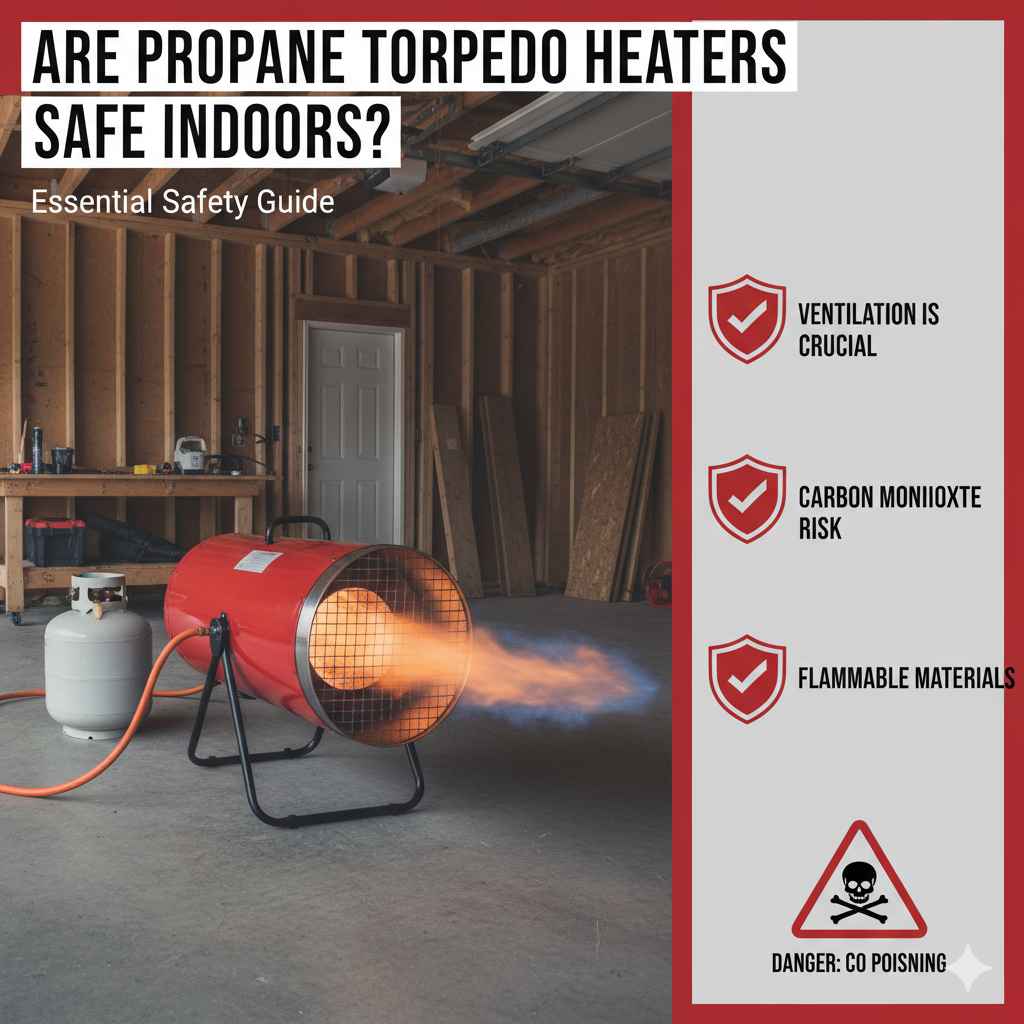
Are Propane Torpedo Heaters Safe Indoors?
Is it safe to use a propane torpedo heater indoors? No, propane torpedo heaters are generally NOT safe for indoor use due to the high risk of carbon monoxide poisoning and fire hazards. They are designed for well-ventilated outdoor or open spaces, not enclosed indoor environments. Always follow manufacturer instructions and prioritize safety.
Feeling a chill in your workshop, garage, or even a chilly basement during colder months? You might be eyeing those powerful propane torpedo heaters, wondering if they’re the quick fix for staying warm. They look tough and promise serious heat, which is tempting! But a big question often comes up: can you safely use these heaters inside your home or any enclosed space? It’s a common concern, and rightly so, because safety always comes first when it comes to heating.
We’re here to clear up the confusion and give you all the straightforward information you need to make smart, safe heating choices. Let’s dive in and explore the real deal about propane torpedo heaters and your indoor comfort.
Understanding Propane Torpedo Heaters
Propane torpedo heaters, also known as forced-air propane heaters, are workhorses designed to deliver a lot of heat quickly. They get their name from their distinctive bullet or torpedo shape. These heaters work by burning propane and then using a fan to push that heated air out. This makes them incredibly effective for large, open spaces like construction sites, garages, agricultural buildings, or outdoor events.
Their main draw is their power and portability. You can easily hook them up to a propane tank and get instant heat wherever it’s needed. This makes them very popular for temporary heating solutions when you need a lot of warmth without a permanent heating system.
How They Work: A Simple Look
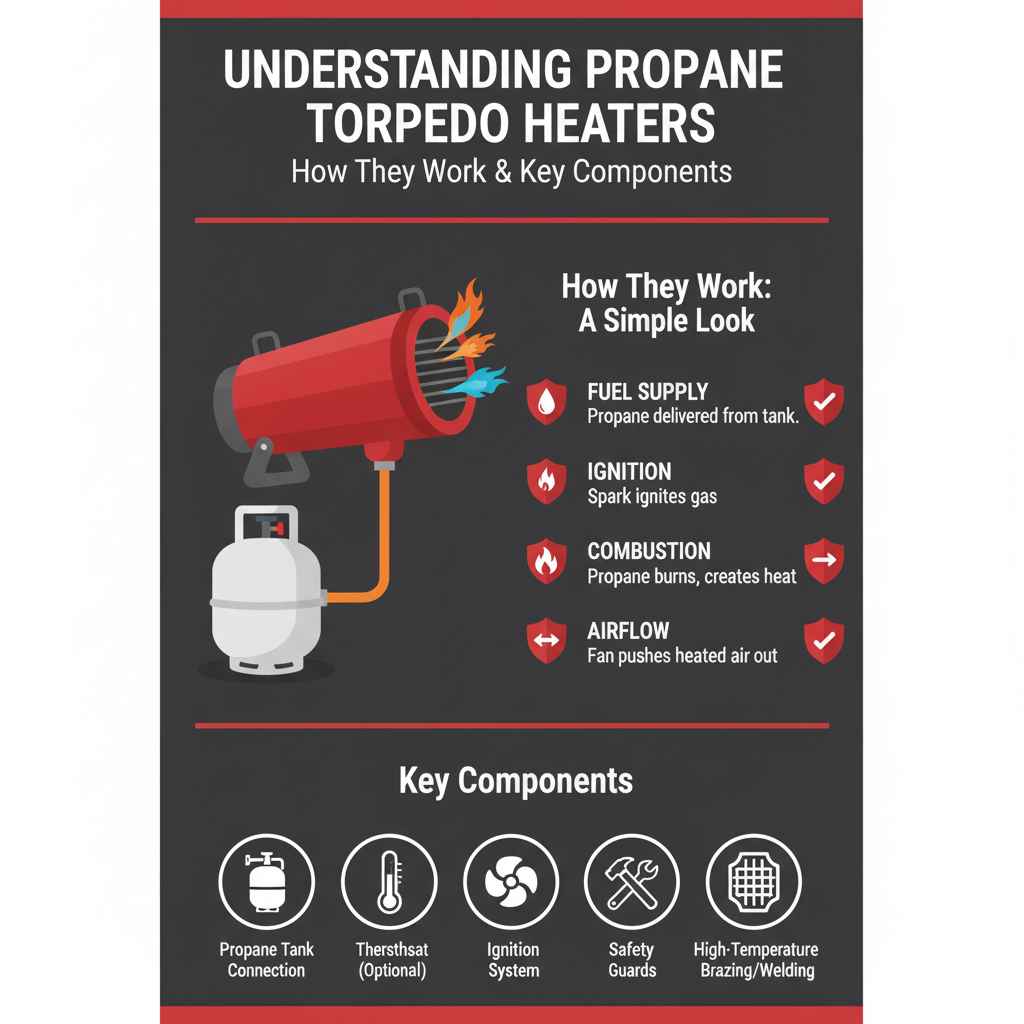
Inside a propane torpedo heater, a few things happen:
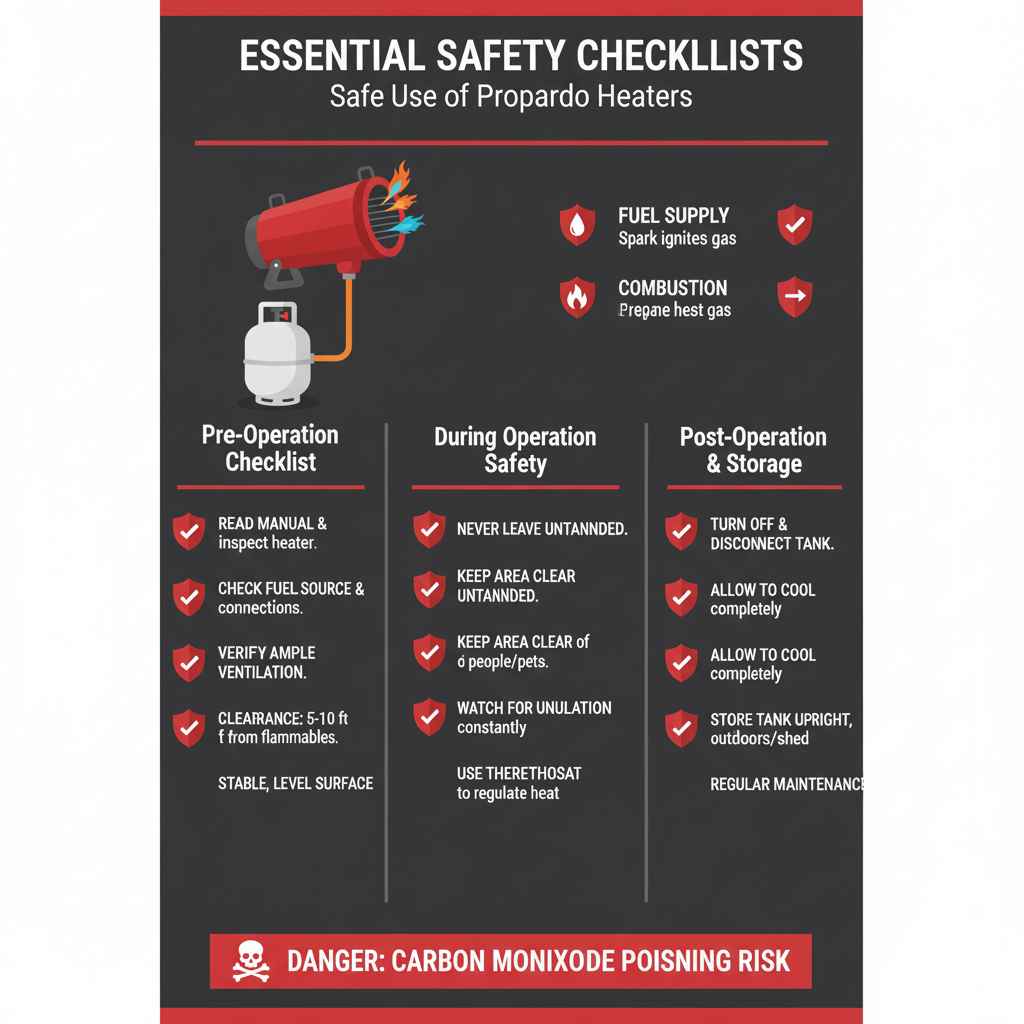
- Fuel Supply: Propane is delivered from a tank to the heater.
- Ignition: A spark ignites the propane gas.
- Combustion: The propane burns, creating heat and combustion byproducts.
- Airflow: A fan draws cooler air into the heater, blows it over the heat exchanger (where the heat from combustion is transferred), and then forces the warmed air out.
This process is very efficient at generating heat, but it’s crucial to understand what happens during combustion.
Key Components of a Torpedo Heater:
- Propane Tank Connection: Where the standard propane tank (like those for grills) attaches.
- Thermostat (Optional): Some models have a thermostat to regulate temperature.
- Fan: Pushes the heated air out.
- Ignition System: Starts the burning process.
- Safety Guards: Protect against accidental contact with hot parts.
- High-Temperature Brazing/Welding: The construction materials are built to withstand high heat.
The Big Question: Are Propane Torpedo Heaters Safe Indoors?
This is where we need to be very clear. The straightforward answer is: Propane torpedo heaters are generally NOT designed for and are NOT safe for use in enclosed indoor spaces, such as homes, apartments, or even attached garages.
Why is this the case? It all comes down to how they operate and the byproducts of burning propane.
The Risks of Indoor Use
When propane burns, it produces several things, including:
- Carbon Dioxide (CO2): A normal byproduct of combustion, but in high concentrations, it can be harmful.
- Carbon Monoxide (CO): This is the major danger. Carbon monoxide is a colorless, odorless, and tasteless gas. Breathing it in can lead to serious illness, permanent injury, or even death.
- Water Vapor: Also a byproduct.
- Unburned Fuel: If the heater isn’t working perfectly or isn’t properly adjusted, unburned propane can also escape.
In a well-ventilated outdoor area, these byproducts naturally disperse into the vastness of the atmosphere, posing little risk. However, in an enclosed indoor space:
- Carbon Monoxide Buildup: The CO gas has nowhere to go. It will accumulate quickly in the air. Breathing in even small amounts of CO can cause symptoms like headaches, dizziness, nausea, and fatigue. Higher levels can lead to confusion, loss of consciousness, and death.
- Oxygen Depletion: The combustion process also consumes oxygen. In a sealed indoor environment, this can further decrease the amount of breathable air.
- Fire Hazard: Torpedo heaters get very hot, and their external surfaces can pose a significant fire risk if placed too close to flammable materials like wood, fabric, or stored items. They also vent hot exhaust, which is another ignition risk.
Manufacturer Recommendations and Warnings
Almost every manufacturer of propane torpedo heaters explicitly states in their user manuals that these units are intended for outdoor or well-ventilated areas only. You’ll find these warnings prominently displayed on the heater itself and in the instruction booklets. Ignoring these warnings can have severe consequences.
As noted by the U.S. Consumer Product Safety Commission (CPSC), portable indoor-safe kerosene and propane heaters are different from construction-style heaters. Construction heaters, like torpedo heaters, require significant fresh air for safe operation and should never be used in inhabited spaces.
You can find more information on indoor heating safety from the CPSC website.
When and Where Can Propane Torpedo Heaters Be Used Safely?
Given the risks, it’s important to know the proper use cases for these powerful heaters. They excel in specific scenarios where safety precautions can be adequately met.
Ideal Use Cases for Torpedo Heaters
- Construction Sites: This is perhaps their most common application. They provide heat to workers in unfinished buildings or temporary structures where ample ventilation is inherent in the building phase.
- Garages and Workshops: For occasional use in a detached garage or workshop that is not used as living space and has large, frequently opened doors or significant ventilation gaps.
- Agricultural Buildings: Unoccupied barns or outbuildings where large volumes of air can be exchanged.
- Outdoor Events: Sometimes used in large, open-sided tents or pavilions for temporary warmth.
- Unoccupied Spaces: Places like sheds or storage units that are not regularly occupied by people or animals.
Essential Safety Conditions for Use
Even in these intended environments, safety is paramount. Here are the non-negotiable conditions for using a propane torpedo heater:
- Abundant Ventilation: This is the absolute KEY. There must be constant, free-flowing fresh air. This means having large doors standing open, large windows wide open, or significant structural openings. The space should be at least 100 times the volume of the heater, and preferably much, much more. A good rule of thumb is that if you can’t feel a constant breeze, it’s not enough.
- Carbon Monoxide Detectors: Even with ventilation, it’s highly recommended to have working CO detectors in any area where a combustion heater is used, especially if there’s any doubt about the level of ventilation.
- Clearance from Combustibles: Keep the heater at least a safe distance away from anything that can burn – wood, fabric, stored items, paper, etc. The manufacturer will specify this distance, often several feet.
- Level Surface: Always place the heater on a stable, level surface to prevent tipping.
- Supervision: Never leave a torpedo heater running unattended, especially in a space that might be accessed by others or pets.
- Outdoor-Specific Models: Some propane heaters are explicitly designed for outdoor use only and may lack safety features like high-level CO sensors that are found in indoor-safe models.
Alternatives to Torpedo Heaters for Indoor Use
If you need to heat an indoor space like a basement, home addition without central heating, or a regularly occupied workshop, a propane torpedo heater is not your answer. Fortunately, there are many safe and effective alternatives!
Safer Indoor Heating Options
These heaters are designed with indoor safety features and produce fewer harmful byproducts or none at all, making them suitable for enclosed spaces.
- Electric Space Heaters: These are common and generally safe for indoor use. They come in various types (ceramic, oil-filled, infrared, fan-forced) and don’t produce combustion fumes. They are easy to use and control, plug into standard outlets, and are great for small to medium-sized rooms.
- Propane Heaters Certified for Indoor Use: Yes, these exist! They are specifically engineered with safety features like oxygen depletion sensors (ODS), tip-over switches, and high-efficiency burners to minimize CO production. Look for models that clearly state they are for “indoor use” and are certified by organizations like UL (Underwriters Laboratories). Examples include some portable catalytic heaters or newer propane radiant heaters.
- Kerosene Heaters Certified for Indoor Use: Similar to propane, there are kerosene heaters designed for indoor use with proper safety features. Always ensure they are certified for indoor use and follow all Ventilation guidance.
- Natural Gas or Propane Furnaces/Boilers: For whole-home heating, these are the standard and safest options when properly installed and maintained.
- Infrared Heaters: These can be electric or fuel-burning and work by emitting infrared radiation, which directly heats objects and people rather than the air. Some indoor-safe models are available.
Key Differences in Safety Features
Here’s a quick look at what makes indoor-safe heaters different:
| Feature | Propane Torpedo Heater (Outdoor/Ventilated) | Indoor-Certified Propane/Kerosene Heater | Electric Heater |
|---|---|---|---|
| Combustion Byproducts (CO) | Significant risk, requires massive ventilation | Minimizes risk with specific design features, but still requires some ventilation | None |
| Oxygen Depletion Sensor (ODS) | Rarely present | Commonly present | N/A |
| Tip-Over Switch | Sometimes present, but less critical due to outdoor use | Commonly present | Commonly present |
| Ventilation Requirement | Extremely high (constant airflow) | Moderate (proper air exchange) | None (for emissions) |
| Certification for Indoor Use | No | Yes (look for UL or equivalent) | Yes (look for UL or equivalent) |
When choosing an indoor heater, always look for explicit “indoor use” certification from reputable testing organizations like UL. This ensures it has been designed and tested to meet safety standards for enclosed spaces. For more information on safe appliance choices, the CPSC also offers guidance on appliance safety.
Essential Safety Checklists and Best Practices
Whether you’re using a torpedo heater in its intended environment or considering other types of heaters, a commitment to safety is essential. Here’s a comprehensive checklist to keep you and your space safe.
Pre-Operation Safety Checklist (for Torpedo Heaters in Valid Applications)
- Read the Manual: Always read and understand the manufacturer’s instructions and warnings before operating any heater.
- Inspect the Heater: Check for any visible damage, leaks, or loose parts. Ensure gas connections are secure.
- Check Fuel Source: Use only the correct type of propane tank as specified by the manufacturer. Ensure the tank is in good condition.
- Verify Ventilation: Confirm there is ample, unimpeded airflow in the area. Large openings and constant air movement are crucial.
- CO Detector: If using in an area where CO buildup is a possibility, ensure a working carbon monoxide detector is present and functioning. Test it regularly.
- Clearance: Ensure a minimum of [Manufacturer’s Recommended Distance, typically 5-10 feet] clearance from any flammable materials.
- Stable Surface: Place the heater on a firm, level surface where it cannot be easily knocked over.
- Extension Cords (Electric Heaters): If using an electric heater, ensure any extension cord is heavy-duty, designed for the heater’s wattage, and in good condition. Never use a damaged cord.
During Operation Safety
- Never Leave Unattended: Always supervise the heater when it is running.
- Keep Area Clear: Do not allow people or pets to linger too close to the heater.
- Monitor Ventilation: Ensure ventilation remains consistent. If doors/windows are closed, the heater must be turned off.
- Watch for Odors: Any unusual smells like strong gas odors or burning smells mean you should turn the heater off immediately and investigate.
- Temperature Control: If your heater has a thermostat, use it to maintain a comfortable temperature without overheating the space.
Post-Operation and Storage
- Turn Off and Disconnect: Always turn off the heater and disconnect the propane tank when not in use.
- Allow to Cool: Let the heater cool down completely before storing or moving it.
- Store Safely: Store propane tanks upright in a well-ventilated area (outdoors or in a detached shed/garage, never in an occupied living space). Store the heater in a dry place.
- Regular Maintenance: Follow the manufacturer’s recommendations for cleaning and maintenance to ensure the heater functions safely and efficiently.
Understanding Carbon Monoxide (CO) – Your Invisible Threat
We’ve mentioned carbon monoxide (CO) several times, and it’s so important we’ll dedicate a section to it. CO is often called the “silent killer” because you cannot see, smell, or taste it. It is a byproduct of incomplete combustion, which occurs when fuels like propane, natural gas, oil, or wood don’t burn completely.
What Happens When You Breathe CO?
When you inhale CO, it enters your bloodstream and attaches to the hemoglobin in your red blood cells. Hemoglobin’s job is to carry oxygen from your lungs to the rest of your body. When CO is attached, oxygen can’t be carried effectively. This deprives your organs and tissues of the oxygen they need to function. Think of it like tiny hijackers taking over the oxygen delivery trucks in your body.
Symptoms of CO Poisoning
Symptoms can mimic the flu and often worsen over time or with continued exposure. It’s crucial to recognize these signs:
- Headache
- Dizziness
- Nausea and Vomiting
- Weakness
- Fatigue
- Shortness of breath
- Blurred vision
- Confusion
- Loss of consciousness
Note: At higher levels, CO poisoning can be fatal very quickly. People who are sleeping or who have been drinking alcohol can be overcome by CO without ever waking up.
Preventing CO Poisoning
The best defense is prevention:
- NEVER use a fuel-burning appliance that is NOT specifically certified for indoor use inside a home or occupied space. This includes portable generators, propane torpedo heaters, and charcoal grills.
- Ensure adequate ventilation. For devices that require it, make sure ventilation is constant and sufficient.
- Install and maintain CO alarms on every level of your home and outside sleeping areas. Test them regularly and replace batteries as needed. Some alarms have sealed batteries and should be replaced every 7-10 years.
- Have fuel-burning appliances like furnaces, water heaters, and stoves inspected annually by a qualified professional to ensure they are operating safely and efficiently.
- Ensure fuel-burning appliances operate with properly functioning vents or chimneys that are clear of obstructions.
For more detailed information on carbon monoxide safety, the Centers for Disease Control and Prevention (CDC) is an excellent resource.
Frequently Asked Questions (FAQ)
Here are some common questions homeowners and renters have about propane torpedo heaters and indoor safety.
Q1: Can I use a propane torpedo heater in my garage if I leave the main garage door open?
A1: While leaving the garage door open significantly increases ventilation, it’s still risky. These heaters produce high levels of CO. If your garage is attached to your home, carbon monoxide can easily seep into the living space. If it’s a detached garage, ensure the opening is substantial (like a fully open door) and that the area is not considered living or frequently occupied space. Always have a CO detector present.