
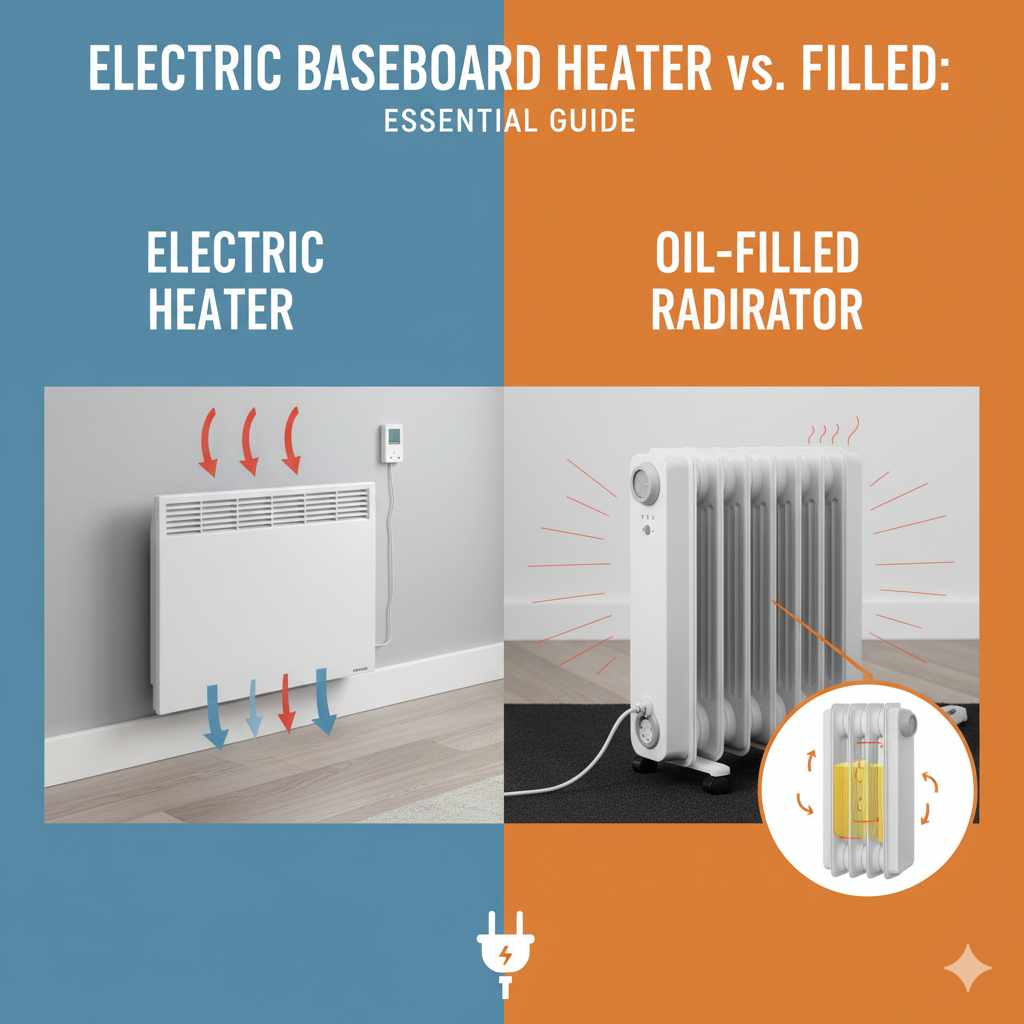
Choosing between an electric baseboard heater and an oil-filled radiator heater? Electric baseboard heaters offer instant, zoned heat and are easy to install. Oil-filled radiators provide steady, gentle warmth and are safer to the touch. Your best choice depends on your room size, heating needs, and budget.
Hello there! Feeling a chill and wondering about the best way to warm up your home? Deciding on a heating solution can feel like a puzzle, especially when you’re new to it. You want something that keeps you toasty, is safe for your family, and doesn’t break the bank. Two popular choices are electric baseboard heaters and oil-filled radiators. They both do a great job of heating a space, but they work a little differently. Don’t worry, I’m here to help you figure out which one is the perfect fit for your cozy haven. We’ll walk through everything you need to know, simply and clearly, so you can make a confident choice. Let’s get started on creating your warm and comfortable home!
Electric Baseboard Heater vs. Oil-Filled Radiator: Your Best Heating Choice
When it comes to keeping our homes warm and comfortable, especially as the temperatures drop, choosing the right heating system is key. For many, especially those in apartments, smaller homes, or looking for supplemental heat, electric baseboard heaters and oil-filled radiators are common contenders. They both offer reliable warmth but have distinct characteristics that make them suitable for different situations. Understanding these differences will help you make an informed decision that keeps your space cozy without unnecessary hassle or expense.
Think of it this way: A baseboard heater is like a quick burst of warmth exactly where you need it, while an oil-filled radiator is like a slow, steady hum of comfort that fills the room. Both are excellent at their jobs, but knowing their superpowers will help you pick the right one for your home’s unique needs. We’re going to break down what makes each heater tick, their pros and cons, and how to choose the one that’s best for you, your family, and your wallet.
Let’s dive in and make this decision clear and simple!
What is an Electric Baseboard Heater?
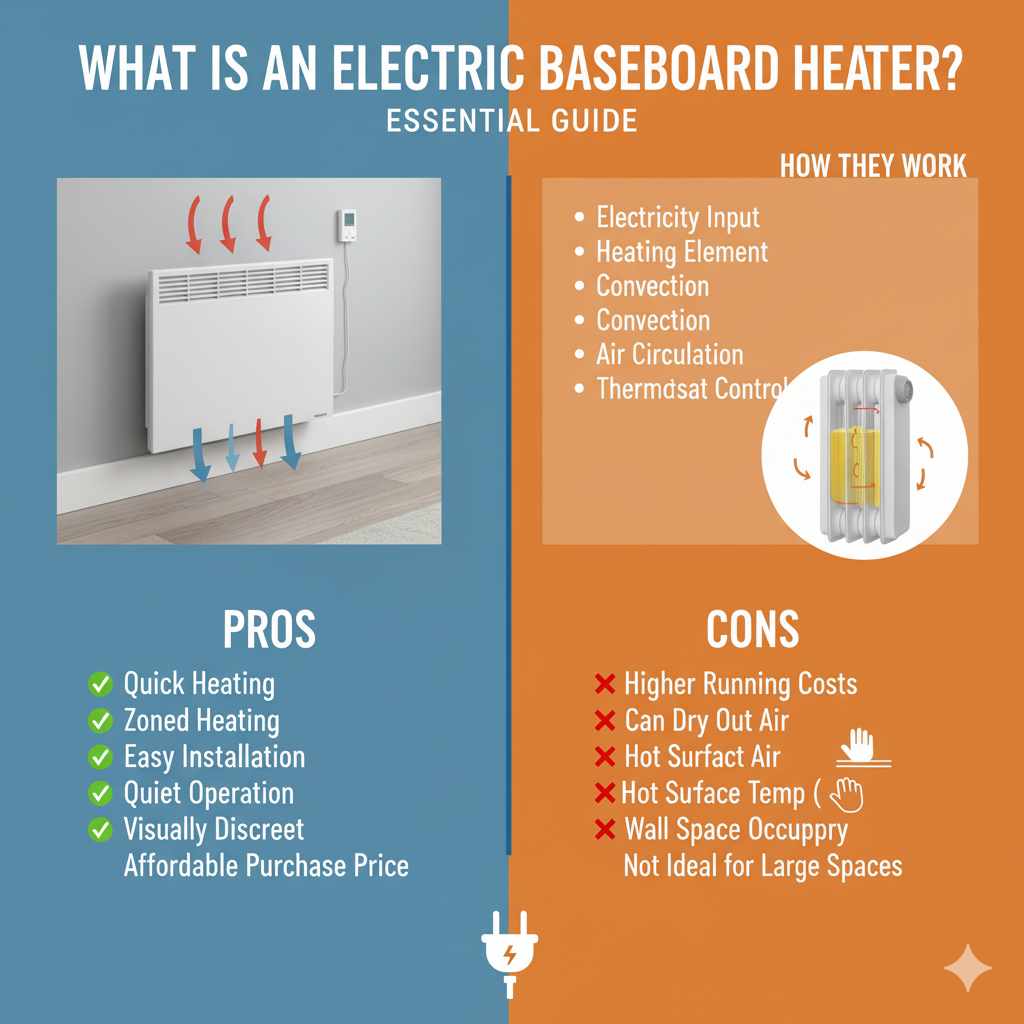
An electric baseboard heater is a type of heater that’s typically installed along the bottom of your walls, just like the name suggests – a baseboard. They are electric, meaning they plug into a standard outlet or are hardwired into your home’s electrical system. When turned on, electricity flows through a heating element inside the unit. This element gets hot and heats the air around it. A convection process then takes over: cooler air from the room is drawn into the bottom of the heater, gets heated by the element, and then rises out of the top, creating a natural circulation of warm air throughout the room.
These heaters are fantastic for providing direct, controllable heat to individual rooms. You can often adjust their temperature settings using a built-in thermostat on the unit or a separate wall thermostat. This allows you to create different temperature zones in your home, heating only the rooms you’re using, which can be a great way to save energy.
How Electric Baseboard Heaters Work
The magic behind an electric baseboard heater is a simple but effective process:
- Electricity Input: Power comes from your home’s electrical supply, either through a plug or a hardwired connection.
- Heating Element: Inside the heater, there’s a resistive wire (the heating element) that heats up significantly when electricity passes through it.
- Convection: As the heating element warms, it heats the air that naturally flows around it.
- Air Circulation: Cooler air from the room enters the baseboard heater from the bottom. This air is warmed, becomes lighter, and rises out of the top, pushing the cooler air down and away. This creates a continuous cycle of air movement and heating.
- Thermostat Control: Most units have a built-in thermostat or are connected to a wall thermostat that monitors the room’s temperature and cycles the heater on and off to maintain your desired setting.
Pros of Electric Baseboard Heaters
- Quick Heating: They heat up and start warming the room relatively quickly once turned on.
- Zoned Heating: Excellent for heating individual rooms independently. You can set different temperatures for different areas or turn off heat in unused rooms, saving energy.
- Easy Installation: Many models are plug-and-play for renters or can be easily hardwired by a professional.
- Quiet Operation: Generally very quiet, with just a gentle whoosh of air.
- Visually Discreet: They are designed to fit along baseboards, blending in with most decor.
- Affordable Purchase Price: Often, the initial cost of the unit itself is less expensive compared to other heating systems.
Cons of Electric Baseboard Heaters
- Higher Running Costs: Electricity can be more expensive than other energy sources, potentially leading to higher utility bills if used extensively.
- Can Dry Out Air: The convection process can sometimes lead to drier indoor air.
- Surface Temperature: The heating element can get very hot, posing a potential safety risk for curious pets or small children if they touch the unit directly while it’s operating.
- Wall Space Occupancy: They take up wall space where furniture placement might be limited.
- Not Ideal for Large Spaces: While effective for individual rooms, they might struggle to heat very large or poorly insulated areas on their own.
What is an Oil-Filled Radiator Heater?
An oil-filled radiator heater, often called an oil-filled space heater or oil-filled panel heater, is a portable electric heater that gets its name from the special diathermic oil sealed inside its metal fins. This oil isn’t consumed; it simply circulates within the heater to help distribute heat. When you plug it in, an electric element at the bottom heats up, warming the oil. The heated oil then rises through the fins, transferring its heat to the metal surface of the radiator. This warm surface then radiates heat into the room, and also heats the surrounding air through convection, creating a gentle, steady warmth. Because the oil keeps the heat circulating and the surface doesn’t typically feel scalding hot, they are known for their consistent and comfortable heat.
These heaters are excellent for providing a consistent, ambient warmth. They are particularly good at maintaining a comfortable temperature over longer periods without the rapid on-off cycling you might experience with some other portable heaters. They are also a popular choice for those who prioritize safety, as their exteriors usually remain cooler to the touch compared to other electric heaters.
How Oil-Filled Radiator Heaters Work
The operation of an oil-filled radiator heater is a clever process of thermal energy transfer:
- Sealed Oil: A special, non-toxic diathermic oil is permanently sealed inside the heater’s columns or fins. This oil acts as a heat reservoir.
- Electric Heating Element: An electric resistor element is submerged in the oil at the base of the unit. When powered on, this element heats the oil directly.
- Oil Circulation: As the oil at the bottom heats, it becomes less dense and rises. Cooler oil from the top descends to take its place, creating a natural convection loop within the oil.
- Heat Radiation and Convection: The heated oil moves up into the radiator’s fins, warming the metal. The warmed metal then releases heat into the room through two primary methods:
- Radiation: The fins emit infrared heat waves that directly warm objects and people in the room.
- Convection: The air surrounding the heated fins also gets warmed and rises, creating airflow that circulates warmth throughout the space.
- Thermostat: Similar to baseboard heaters, oil-filled radiators have thermostats to regulate temperature and turn the unit on and off as needed.
The oil helps to store and distribute heat evenly, meaning the heater can continue providing warmth for a short while even after it has cycled off, providing a more consistent and less abrupt temperature change.
Pros of Oil-Filled Radiator Heaters
- Gentle, Consistent Heat: They provide a steady, even warmth that is less drying and more comfortable for many people.
- Quieter Operation: Often considered quieter than fan-forced heaters, as the primary heat distribution is through radiation and natural convection.
- Safer Surface Temperature: The oil acts as a buffer, meaning the exterior fins are generally cooler to the touch than direct-contact electric heaters, reducing burn risks. This makes them a great option for homes with children or pets.
- No Odor: They heat without burning dust or oxygen, so they don’t typically produce any smells.
- Portability: Most oil-filled radiators are portable, featuring wheels or casters, so you can easily move them from room to room.
- Retains Heat: The oil retains heat, meaning they can continue to contribute warmth to the room for a short period even after being switched off.
Cons of Oil-Filled Radiator Heaters
- Slower to Heat Up: It takes longer for the oil to heat up initially, so they don’t provide instant heat like some other electric heaters.
- Less Powerful for Quick Warmth: Not ideal if you need to heat a very cold room very quickly.
- Bulky and Heavy: When filled with oil, they can be quite heavy and less aesthetically pleasing than a sleek baseboard heater for some.
- Running Costs: Like all electric heaters, they consume electricity, and running costs can be high if used as a primary heat source in colder climates.
- Not for Zoned Heating (Typically): While portable, they don’t offer the same integrated zoned heating capability as a set of electric baseboard heaters throughout a house.
Electric Baseboard Heater Vs. Oil-Filled Radiator: A Direct Comparison
To help you make a clear choice, let’s put these two types of heaters side-by-side. It’s not about which one is ‘better’ overall, but which one is better for your specific needs. We’ll look at how quickly they warm up, the type of heat they produce, installation ease, running costs, and safety.
Understanding these key differences will shed light on which heater will make your home the coziest this season.
| Feature | Electric Baseboard Heater | Oil-Filled Radiator Heater |
|---|---|---|
| Installation | Typically hardwired (professional installation recommended) or plug-in for specific models. Permanent fixture. | Plug-in, portable. No installation required beyond plugging it in. |
| Heating Speed | Heats up relatively quickly, providing warm air circulation within minutes. | Slower to heat up as the oil needs time to reach operating temperature. |
| Type of Heat | Convection-based. Heats air, creating airflow. Can sometimes feel dry but heats rooms effectively. | Radiant and Convection. Produces gentle, steady, more ambient heat. Less drying. |
| Heat Distribution | Efficient for zoning and heating specific rooms. Can create warm air currents. | Fills a room with consistent warmth. Good for maintaining a steady temperature. |
| Surface Temperature & Safety | Heating element can get very hot. Surfaces can be hot to the touch. Requires caution with children/pets. | Exterior fins remain warm, not scalding hot. Generally safer to touch. |
| Noise Level | Very quiet, producing a gentle hum or whoosh of air. | Extremely quiet, often silent. |
| Energy Efficiency & Running Costs | Uses electricity, which can be expensive. Efficient for zoning (heating only occupied rooms). Learn more about efficient heating practices from the U.S. Department of Energy. | Uses electricity. Slower heat-up can mean longer run times. Cost depends heavily on electricity rates and usage. |
| Portability | Not portable; a permanent installation. | Highly portable with wheels/casters for easy room-to-room movement. |
| Maintenance | Requires occasional dusting and checking for debris. | Requires minimal maintenance, mainly dusting. |
| Ideal Use Cases | Whole-room heating where permanent installation is desired, supplemental heat in specific rooms, homes needing zoned control. | Supplemental heat in bedrooms, studies, or living areas; for those prioritizing gentle, consistent warmth and safety. |
When to Choose an Electric Baseboard Heater
Electric baseboard heaters are a fantastic solution in several scenarios. If you’re looking to heat an entire room evenly or need a reliable source of supplemental heat for a specific area, they often fit the bill perfectly. They are particularly great if you have a home where you want to control the temperature room by room, meaning you can save energy by lowering the heat in bedrooms at night or in rooms that aren’t being used during the day. Think of it as having your own personal climate control for each space!
They’re also a strong contender if you prefer a heating solution that blends into your home’s aesthetic. Since they are installed along the base of the wall, they don’t take up much visual space and can often be painted to match your walls. For new constructions or significant renovations where running electrical lines is part of the plan, they offer a clean integration.
Here are situations where an electric baseboard heater might be your top pick:
- Zoned Climate Control is a Priority: You want to set different temperatures in different rooms of your home.
- Permanent Installation is Desired: You’re looking for a fixture that’s part of your home’s heating infrastructure, not a portable appliance.
- Quick Room Warm-Up is Needed: You want to feel the heat in a room relatively soon after turning the heater on.
- Supplementing Existing Heat: You have a central heating system but want to boost the warmth in cooler rooms or during peak cold snaps.
- Ease of Integration in Renovations: Your home is being built or remodeled, making it easy to add the necessary electrical work.
- Aesthetic Integration: You prefer a heating unit that is designed to be discreet and built into the room’s structure.
When to Choose an Oil-Filled Radiator Heater
An oil-filled radiator heater shines when your priority is a gentle, consistent, and enveloping warmth. If you find that other portable heaters make your air feel too dry or create abrupt temperature changes, an oil-filled radiator will likely be a welcome change. They are excellent for creating a cozy atmosphere that you can rely on for extended periods, making them perfect for living rooms, home offices, or bedrooms where you want to maintain a comfortable ambient temperature without constant fluctuations.
Safety is often a big concern, especially in households with children or pets. The cooler outer surface of an oil-filled radiator makes it a much safer choice than heaters with exposed hot elements. Plus, their portability means you can easily move this comforting warmth to wherever you need it most – from your home office during the day to your bedroom at night. If you’re a renter or don’t want to make permanent changes to your home’s electrical system, the simple plug-and-play nature of these heaters is a huge plus.
Consider an oil-filled radiator heater if:
- Consistent, Gentle Heat is Key: You prefer a steady warmth that doesn’t feel harsh or drying.
- Safety is Paramount: You need a heater with a cooler surface to reduce burn risks for children or pets.
- Portability is Important: You want to move your heat source easily from room to room as needed.
- Quiet Operation is a Must: You need a virtually silent heating solution for living spaces or bedrooms.
- You Prefer Not to Install Permanent Fixtures: You’re a renter or prefer a plug-and-go appliance that requires no home modification.
- You Want Heat to Linger: You appreciate that the heater can continue to radiate warmth for a while after being turned off.
Installation and Usage Tips
No matter which heater you choose, following proper installation and usage guidelines keeps you safe and ensures you get the most out of your heating. For electric baseboard heaters, professional installation is often the safest and most effective route. An electrician can ensure your home’s wiring can handle the load and that the unit is installed correctly according to local codes. For oil-filled radiators, usage is straightforward: simply plug them into a suitable outlet. Always ensure you have enough clearance around them for proper airflow and heat distribution. Never place them near curtains or flammable materials.
Here are some general tips to keep your heating efficient and safe:
- Read Your Manual: Always consult the manufacturer’s instructions for your specific model.
- Proper Placement: Ensure adequate space around heaters for air circulation. The Consumer Product Safety Commission offers safety tips for portable appliances, which generally apply to heaters as well.
- Regular Cleaning: Dust buildup can reduce efficiency and be a fire hazard. Gently vacuum or dust your heaters regularly.
- Thermostat Use: Utilize thermostats to maintain a comfortable temperature and avoid overheating, saving energy.
- Safety First with Children & Pets: Keep them supervised around all heating devices. Use safety gates or barriers if necessary.
- Avoid Overloading Circuits: Don’t plug multiple high-wattage appliances into the same outlet, especially with portable heaters.
- Check for Damage: Before each use, inspect cords and the unit for any signs of wear or damage.
Understanding Wattage and Room Size
A crucial factor in choosing any heater is matching its wattage to the size of the room you want to heat. Wattage is a measure of power consumption and, generally, higher wattage means more heat output. Using a heater that’s too small for a large room will be ineffective, while one that’s too large might overheat the space and waste energy.
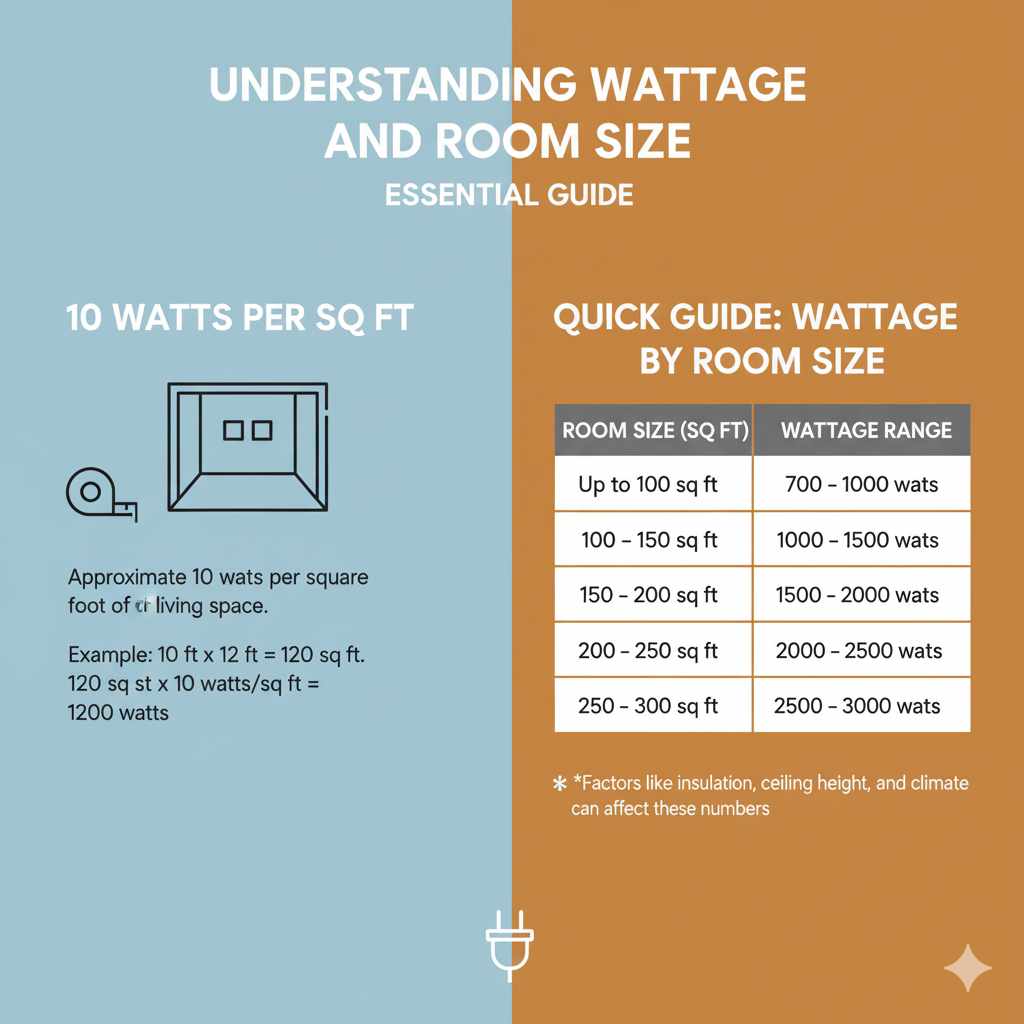
A common rule of thumb is to use approximately 10 watts per square foot of living space. So, for a room that is 10 feet by 12 feet (120 square feet), you would aim for a heater with around 1200 watts (120 sq ft x 10 watts/sq ft = 1200 watts).
Here’s a quick guide, keeping in mind that insulation, ceiling height, and climate can affect these numbers:
| Room Size (Square Feet) | Recommended Wattage Range |
|---|---|
| Up to 100 sq ft | 700 – 1000 watts |
| 100 – 150 sq ft | 1000 – 1500 watts |
| 150 – 200 sq ft | 1500 – 2000 watts |
| 200 – 250 sq ft | 2000 – 2500 watts |
| 250 – 300 sq ft | 2500 – 3000 watts |
When looking at electric baseboard heaters, they come in various lengths and wattages. A longer unit will typically have a higher wattage and therefore provide more heat. For oil-filled radiators, you’ll usually find them in portable units ranging from about 700 watts up to 1500 watts, which are ideal for smaller to medium-sized rooms. For larger spaces, you might need multiple units or consider if a baseboard system is more appropriate.
Remember, these are guidelines. If your room is poorly insulated, has high ceilings, or is in a very cold climate, you might need to increase the wattage. Conversely, a very well-insulated, small room might need less.
Frequently Asked Questions (FAQ)
Q1: Which type of heater is more energy-efficient?
Both electric baseboard heaters and oil-filled radiators use electricity, which can be more expensive than natural gas. Their efficiency depends more on how you use them. Electric baseboard heaters are efficient for zoned heating (heating only occupied rooms), while oil-filled radiators provide consistent, gentle heat which can be comfortable but might run longer. For overall energy efficiency, proper insulation and using thermostats effectively are key for both.
Q2: Can I use an electric baseboard heater in a bathroom?
Generally, it’s advised to avoid using standard electric baseboard heaters in bathrooms due to moisture and safety regulations. Dedicated bathroom heaters or those specifically rated for damp environments should be used. Always check the manufacturer’s specifications and local building codes.
Q3: Are oil-filled radiators safe to leave on overnight?
Yes, oil-filled radiators are generally considered safe to leave on overnight, provided they are functioning correctly and not covered. Their cooler surface temperatures reduce direct burn risks, and they don’t pose a fire hazard from exposed heating elements. Always ensure they are on a stable surface and have adequate clearance from flammable materials. As with any heater, it’s good practice to have working smoke detectors.
Q4: How often should I replace the oil in an oil-filled radiator?
The diathermic oil in an oil-filled radiator is permanently sealed inside the unit and is not meant to be replaced. It acts as a heat reservoir and does not get consumed. If you notice oil leaks, the unit should be repaired or replaced by a professional.
Q5: Can I install an electric baseboard heater myself?
While some simpler plug-in models might be suitable for DIY installation, most electric baseboard heaters are hardwired into your home’s electrical system. For safety and to ensure proper installation and compliance with electrical codes, it is highly recommended to have them installed by a qualified electrician.
Q6: Which heater is better for quick heating?
An electric baseboard heater will typically provide heat faster. It warms the air around its heating element and begins circulating it almost immediately. An oil-filled radiator needs time for the internal oil to heat up, which can take 10-15 minutes or more before it starts radiating significant warmth into the room.
Q7: Which heater is better for allergies?
Both types of heaters are generally good for people with allergies because they don’t use fans to blow air around, which can circulate dust, pollen, and other allergens. Electric baseboard heaters circulate air through natural convection, and oil-filled radiators primarily use radiant heat. However, it’s always important to keep any heater clean by dusting it regularly to prevent dust buildup.
Conclusion
Choosing between an electric baseboard heater and an oil-filled radiator heater comes down to understanding your home’s needs and your personal preferences. If you value quick heating, zoned temperature control, and a permanent, discreet installation, an electric baseboard heater is likely your best bet. They are excellent for integrating into your home’s overall heating strategy, allowing you to precisely manage comfort in each room.
On the other hand, if you prioritize a gentle, consistent, and quiet warmth, along with enhanced safety due to cooler surface temperatures and the convenience of portability, an oil-filled radiator heater is an outstanding choice. They are perfect for creating a cozy sanctuary in any room without complex installation. Both options are electric, so keeping energy costs in mind and utilizing thermostats effectively will be key to efficient heating no matter which you choose.
By weighing the features, benefits, and your specific requirements, you can confidently select the heater that will keep your home warm, comfortable, and safe throughout the colder months. Happy heating!
Last Updated on October 4, 2025 by Tanim