

Are you ready to transform your pool into a year-round oasis? The secret lies in choosing the right pool heater.
When it comes to keeping your pool at the perfect temperature, the debate often boils down to gas vs electric pool heaters. But which one is right for you? Imagine diving into warm, inviting water even as the temperatures drop.
Sounds enticing, right? By understanding the strengths and weaknesses of each type of heater, you can make a choice that maximizes your enjoyment and minimizes your costs. Dive into this guide to uncover the pros and cons of gas and electric pool heaters, and discover the perfect match for your swimming sanctuary. Your ideal swimming experience awaits.
Credit: midstatepoolliners.com
Types Of Pool Heaters
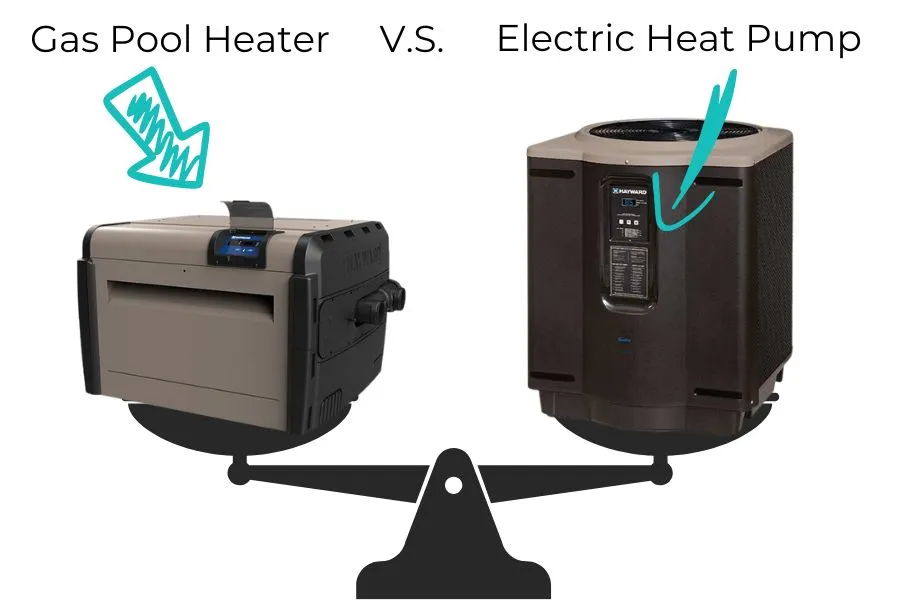
Gas pool heaters warm water quickly. They use natural gas or propane. Efficiency is a key feature. They are great for cold climates. Ideal for pools used in winter. Gas heaters are powerful. They work fast. Installation can be tricky. Requires a gas line. Running costs vary. Depends on gas prices. Regular maintenance is needed. Keeps them working well.
Electric pool heaters use electricity. They are eco-friendly. No gas emissions. Heat pumps are common types. They pull heat from air. Takes longer to heat water. Energy efficient in warm areas. Best for mild climates. Installation is simple. Just plug in. Running costs depend on electric rates. Maintenance is easy. Less wear and tear. Suitable for year-round use.
Cost Analysis
Gas pool heaters often have a lower initial cost. This makes them popular for new buyers. Electric heaters usually cost more to buy. But they last longer. This can save money in the long run. Both types need professional installation. This adds to the initial cost.
Gas heaters warm the pool fast. They use more energy, which means higher operational costs. Electric heaters are more energy-efficient. They use less power but take longer to heat. This makes them cheaper to run over time. Location can affect costs too. In some places, gas is cheaper. In others, electricity is more affordable.
Energy Efficiency
Electric pool heatersuse less energy. They heat water slowly. This is good for energy saving. Gas heatersheat water fast. They need more energy. This is why they cost more. Electric heaters are better for small pools. Gas heaters work well in big pools.
Electric heaters are cleaner. They make less pollution. Gas heaters release carbon dioxide. This is bad for the planet. Electric heaters use renewable energysometimes. Gas heaters use natural gas. This is a limited resource. Electric heaters help protect the environment.
Performance And Speed
Gas heaterswarm up pools faster than electric ones. They are great for quick use. Perfect for weekend swimmers. Electric heaters take longer. They are slower but steady.
Gas heatershave quick temperature changes. They adjust fast. This is good for sudden weather changes. Electric heaters adjust slowly. They keep the temperature stable. Better for regular use. Both have their uses. Choose based on your needs.
Durability And Maintenance
Gas pool heaters often last up to 5 years with regular upkeep. Electric heaters boast greater longevity, often reaching 10 years. Both require regular maintenance to ensure efficient operation and prevent costly repairs. Comparing longevity and upkeep can help determine the best fit for your pool’s heating needs.
Lifespan
Gas pool heaters last about 5 to 10 years. Electric ones live longer. They can last up to 20 years. Electric heaters have fewer parts that wear out. Gas heaters have more parts. These parts can break. Electric heaters often need less fixing.
Maintenance Requirements
Gas heaters need regular checking. Their pipes and burners need cleaning. Electric heaters are easier to care for. They need simple checks. Their parts are easy to fix. Gas heaters may need a professional for repairs. Electric heaters can often be fixed by anyone. Electric heaters save time and effort.
Climate Considerations
Gas pool heaterswork well in cold weather. They heat water quickly. Perfect for winter use. Electric heatersstruggle when it’s cold. They take longer to warm the pool. This can be frustrating.
Gas heaters suit colder regions. They are efficient. Electric heaters are better for warmer areas. They save energy in mild climates. Choose based on your region’s weather.
User Experience
Electric pool heatersare simple to use. Turn a dial to set the temperature. They start quickly and maintain heat well. You can also use a timer to control them. This makes them very convenient. Gas heatersneed more steps to start. They use a pilot light, which can be tricky. But, they heat up water faster. This is good for quick swims. Both types have their own benefits. Choose based on your needs.
Electric heatersare very quiet. You barely hear them working. This makes them great for relaxing by the pool. Gas heatersmake more noise. They use fans and burners. This can be distracting. If quiet is important, electric is better. Noise can affect your pool time. Think about what you prefer.
Installation Process
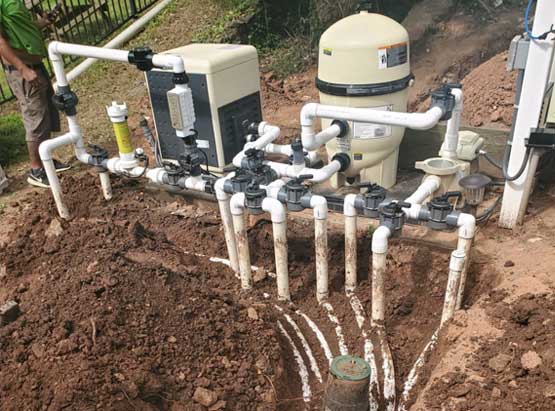
Gas pool heatersneed a gas line. This can be tricky. It may need a pro to install. Electric heaters are easier. They plug into an outlet. No special lines needed. But, both need a bit of wiring. Electric heaters need less work.
Gas heaters may take longer to set up. They need venting. This helps with safe use. Electric heaters are quicker. They are often ready in a day. It’s best to follow rules. This keeps everyone safe.
Gas heaters need more space. They have tanks and pipes. They need room to breathe. Electric heaters are smaller. They fit in tight spots. This makes them a good choice for small yards.
Think about where you want your heater. Check if you have enough room. Plan ahead. This will save time and worry later.
Credit: romanellipools.com
Frequently Asked Questions
Which Pool Heater Is More Cost-effective?
Gas heaters typically have lower upfront costs but higher operational expenses due to fuel prices. Electric heaters, while pricier initially, may offer savings in the long run due to lower electricity costs. Consider both initial and ongoing expenses when deciding which heater is more budget-friendly for your pool.
How Do Gas Pool Heaters Work?
Gas pool heaters use combustion to generate heat. They burn natural gas or propane, which heats water as it passes through the heater. This warm water is then circulated back into the pool, efficiently raising the pool’s temperature, making gas heaters a popular choice for rapid heating.
Are Electric Pool Heaters Eco-friendly?
Electric pool heaters are generally considered more eco-friendly than gas heaters. They produce less emissions, especially when powered by renewable energy sources. Their efficiency and cleaner operation make them a suitable choice for environmentally conscious pool owners seeking sustainable heating options.
Is Maintenance Easier For Electric Heaters?
Electric pool heaters typically require less maintenance compared to gas heaters. They have fewer components, making them easier to service and maintain. Regular inspections are still necessary, but electric heaters often offer a smoother upkeep experience due to their simple design.
Conclusion
Choosing between gas and electric pool heaters is a personal decision. Each option offers distinct benefits. Gas heaters heat pools quickly, ideal for colder climates. Electric heaters are more energy-efficient, saving long-term costs. Consider your climate and usage patterns. Think about initial budget and ongoing expenses.
Research your local energy costs. Consult pool professionals for specific advice. Your choice impacts comfort and efficiency. Prioritize your needs and pool heating goals. Make an informed decision for optimal pool enjoyment. Whether gas or electric, ensure your pool stays warm and inviting.
Last Updated on August 6, 2025 by Tanim