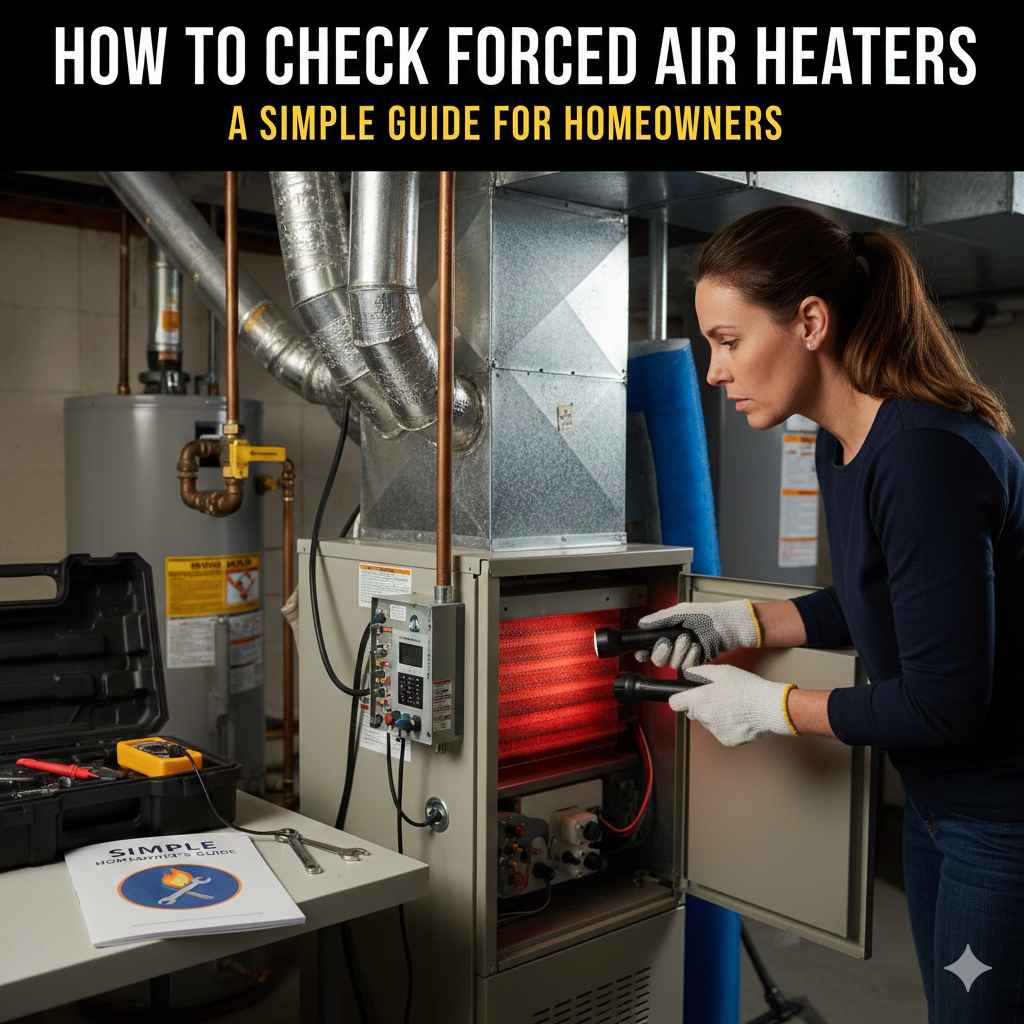
If you’re new to home maintenance, figuring out How to Check Forced Air Heaters might seem a little tricky. Don’t worry, it’s simpler than you think! Many people find this task a bit intimidating at first, but with a few easy steps, you can keep your heating system running smoothly. This guide is made for beginners, offering straightforward instructions that anyone can follow. We’ll break down the process into easy-to-understand parts. Let’s get started!
Basic Forced Air Heater Components You Should Know
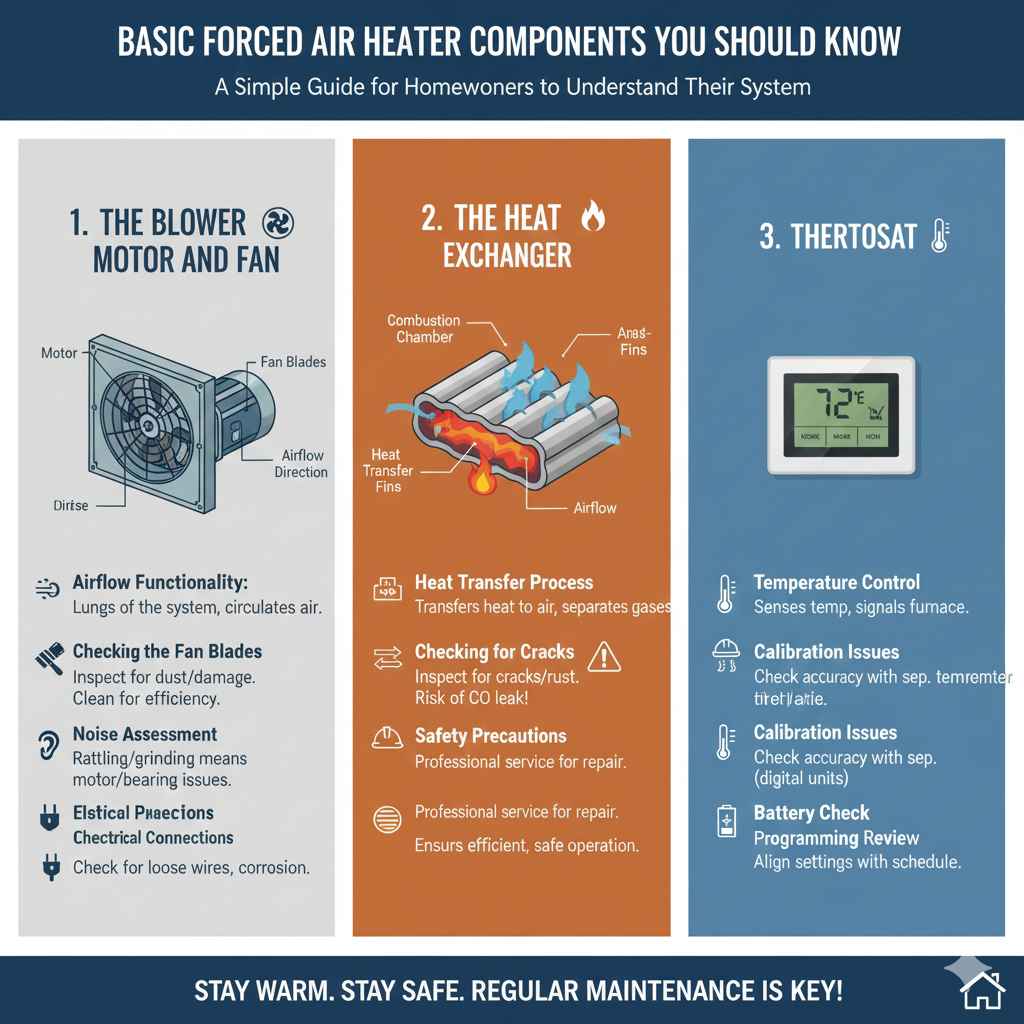
Before you begin checking your forced air heater, it’s helpful to know what the key parts are and what they do. This knowledge can help you pinpoint any problems more easily. Forced air heating systems work by circulating heated air through your home via a system of ducts. These systems typically run on either gas or electricity and include components like the blower, heat exchanger, and the thermostat.
Familiarity with these essential components can significantly ease the process when examining your heater for potential issues. The main components work together to deliver warm air throughout your home, and understanding their function is the initial step toward efficient maintenance.
The Blower Motor and Fan
The blower motor is the heart of your forced air system, responsible for moving air through the ductwork and into your home. The fan attached to the blower motor pulls air from your home (typically through the return vents), passes it over the heat exchanger (where it gets heated), and then pushes the heated air back through the supply vents. A malfunctioning blower motor can lead to reduced heating efficiency, unusual noises, or even a complete lack of warm air. Regular maintenance and checks can prevent or address any potential failures and ensure even heating throughout your home. A properly functioning blower fan is essential for your comfort during the colder months.
- Airflow Functionality: The blower’s primary job is to create airflow. Think of it like the lungs of your heating system. It’s what pushes the heated air through your ducts and into your rooms.
- Checking the Fan Blades: Carefully inspect the fan blades for any buildup of dust, debris, or damage. Clean or repair them as needed to maintain optimal airflow. A dirty or damaged fan can reduce heating efficiency.
- Noise Assessment: Listen for unusual noises coming from the blower. Rattling, grinding, or squealing sounds often indicate a problem with the motor or fan bearings, needing professional attention.
- Electrical Connections: Inspect all electrical connections for looseness or corrosion. Ensure wires are securely attached. Loose connections can lead to electrical hazards and motor malfunctions.
The Heat Exchanger Explained
The heat exchanger is where the magic happens – it’s where heat from the furnace is transferred to the air that circulates through your home. It’s usually made of metal and designed to withstand high temperatures. In a gas furnace, the heat exchanger is heated by burning gas. In an electric furnace, heating elements produce the heat. Cracks or corrosion in the heat exchanger can be dangerous, as they can allow harmful gases, like carbon monoxide, to leak into your home. This makes regular inspections and maintenance incredibly important for your safety and comfort. Learning to spot potential problems can protect your home and family.
- Heat Transfer Process: The heat exchanger’s main job is to transfer heat to the air without mixing the combustion gases (like carbon monoxide) with the air that circulates through your home.
- Checking for Cracks: Carefully inspect the heat exchanger for any cracks, rust, or corrosion. These issues can be a safety hazard, as they could lead to gas leaks. Contact a professional if you spot any damage.
- Safety Precautions: Never attempt to disassemble or repair the heat exchanger yourself unless you are a qualified HVAC technician. Improper handling can cause further damage or pose safety risks.
- Proper Ventilation: Ensuring proper ventilation in your home is vital. Adequate airflow helps the heating system function efficiently and helps prevent the buildup of harmful gases.
The Thermostat: Your Control Center
The thermostat is your control center for the heating system, allowing you to set the desired temperature for your home. Modern thermostats can be quite advanced, offering features like programmable settings, which allow you to customize your heating schedule to match your daily routine. Understanding your thermostat and how it works is vital for controlling your home’s climate and saving energy. A malfunctioning thermostat might cause your furnace to run constantly, not turn on at all, or heat your home unevenly. Regular checks can ensure you’re in command of your indoor environment.
- Temperature Control: The thermostat senses the room temperature and signals the furnace to turn on or off to maintain the set temperature.
- Calibration Issues: Thermostats can sometimes become miscalibrated, meaning they might not accurately reflect the actual room temperature. You can check this using a separate thermometer.
- Battery Check (For Digital Thermostats): Many digital thermostats use batteries. Make sure the batteries are fresh, as a dead battery can cause your thermostat to fail.
- Programming Review: If you have a programmable thermostat, double-check that the settings are accurate and aligned with your schedule. Incorrect settings can lead to energy waste and comfort issues.
Steps to Check Your Forced Air Heater Safely
Checking your forced air heater doesn’t require any special skills, but it does demand a methodical approach. The most important thing is your safety, so always disconnect the power to your furnace before starting any inspection or maintenance work. Once you’ve done this, you can proceed with the following steps to evaluate the key aspects of your heating system. Regular checks can help identify potential issues early, thus helping to avoid costly repairs. Following these steps can give you peace of mind that your heating system is running properly. It’s all about maintaining a safe and warm home.
Safety First: Power and Preparation
Safety is absolutely the most critical aspect of any maintenance procedure. Before beginning any work on your forced air heater, you must turn off the power. This prevents the risk of electrical shock. Locate the breaker that controls the furnace and switch it to the “off” position. Consider adding a note to the breaker to remind others that the power is off. Aside from the power, gather all the necessary tools and equipment before you start, such as a flashlight, screwdriver, and cleaning supplies. Preparing your workspace ensures you’re ready and helps you focus on the task. Planning ahead minimizes interruptions and potential hazards.
- Power Disconnection: Locate the circuit breaker that controls your furnace. Switch the breaker to the “off” position. This prevents any accidental electrical shocks.
- Safety Gear: Although you won’t be handling electrical components directly, wearing work gloves can protect your hands. Safety glasses are also a good idea.
- Workspace Preparation: Ensure you have good lighting to see all components. Clear any obstructions around the furnace to provide a safe working space.
- Tool Gathering: Have essential tools like a flashlight, screwdriver, and a vacuum with a brush attachment on hand. These tools will facilitate your inspection and cleaning tasks.
Visual Inspection and Filter Examination
A visual inspection offers a good starting point for assessing your heater’s condition. Begin by looking for any obvious signs of damage, such as loose wires, rust, or leaks. Next, turn your attention to the air filter, which plays a major part in maintaining air quality and protecting your heating system. A clogged filter restricts airflow and can reduce the efficiency of your furnace and strain its components. Regularly changing or cleaning the filter is a simple step that can help your heater run more effectively. Make these checks part of your routine to maintain a healthy home environment.
- External Inspection: Examine the exterior of the furnace for any signs of physical damage, such as dents, cracks, or corrosion. Check for any unusual smells that might indicate a problem.
- Air Filter Check: Remove the air filter and inspect it. If it’s dirty or clogged, replace it. A clean filter improves air quality and enhances the efficiency of your heating system.
- Ductwork Analysis: Inspect the visible ductwork for any leaks or damage. Check the connections between the ducts to ensure they are properly sealed to prevent air loss.
- Wiring and Components: Look over the wiring for any loose connections or frayed wires. If you notice anything unusual, contact a qualified technician.
Blower Motor and Fan Inspection
The blower motor and fan are responsible for circulating warm air throughout your home. A properly functioning blower is key to efficient heating. To check them, inspect the fan blades for dust or debris. If the blades are dirty, clean them carefully, making sure the power is disconnected. During your inspection, listen for unusual noises, such as squealing or grinding. These sounds can suggest that the motor bearings need attention. Cleaning and checking the blower motor can greatly improve the performance of your heating system. Regular checks will help you catch issues early.
- Fan Blade Condition: Examine the fan blades for dust or debris buildup. Clean the blades gently with a brush or a vacuum cleaner attachment. Dirty blades decrease airflow.
- Motor Functionality: Carefully inspect the motor for any signs of wear or damage. Look for any unusual smells or discoloration that may indicate an issue.
- Belt Examination (If Applicable): If your system uses a belt-driven blower, check the belt for cracks, wear, or looseness. Replace the belt if it appears damaged.
- Lubrication: If your blower motor has lubrication ports, check the manufacturer’s instructions for lubricating the motor to ensure smooth operation.
Thermostat Testing and Functionality
The thermostat is your control panel for the heating system. Checking its functionality can help confirm it’s operating properly. Start by making sure the thermostat is set to the heating mode, then gradually increase the set temperature. The heater should turn on, and you should feel warm air coming from the vents. If the heater doesn’t respond or the temperature readings seem incorrect, the thermostat may have issues. These can include calibration problems or battery failures.
Always make sure the thermostat is placed away from any direct heat sources, like sunlight or drafts, to ensure accurate readings. Addressing thermostat problems can greatly impact the overall performance of your heating system.
- Heating Mode Selection: Ensure the thermostat is set to “heat” mode.
- Temperature Adjustment: Gradually increase the set temperature and check to see if the heater activates. Listen for the sound of the furnace turning on and check the vents for warm air.
- Accuracy Test: Use a separate thermometer to verify that the temperature displayed by the thermostat matches the actual room temperature.
- Program Review: Review any programmable settings to ensure they meet your heating needs and energy-saving goals.
Diagnosing Common Problems
Sometimes, your heater may encounter problems. Identifying these problems early can help avoid more serious repairs. Common issues include a heater that doesn’t start, a heater that runs constantly, or uneven heating. Other warning signs include strange noises, like banging or rattling, or a sudden increase in your energy bills. Knowing how to troubleshoot these problems can save you both time and money. While some problems are easy fixes, others may require professional assistance. Being able to recognize these issues ensures you know when to take action. Regular checks can help identify these problems early.
Troubleshooting No Heat Situations
When your heater fails to produce heat, it can quickly make your home uncomfortable. This situation often results from several potential problems, ranging from simple fixes, such as a tripped circuit breaker, to more complex mechanical failures. Start by checking the circuit breaker that supplies power to the furnace. If the breaker has tripped, reset it. Also, check the thermostat settings to confirm they are correct and the system is set to “heat”.
If these solutions don’t work, there may be an issue with the gas supply if you have a gas furnace, or with the heating element in an electric furnace. Recognizing what causes no heat can help to get your system working again. Taking these steps can reduce downtime and restore warmth quickly.
- Circuit Breaker Check: Ensure the circuit breaker supplying power to the furnace has not tripped. Reset if necessary.
- Thermostat Settings: Verify that the thermostat is set to “heat” mode and that the set temperature is higher than the current room temperature.
- Gas Supply (Gas Furnaces Only): Check that the gas valve is open and that the gas supply is connected to the furnace.
- Pilot Light (Older Gas Furnaces): For older furnaces with a pilot light, check if the pilot light is lit. Relight the pilot light if it has gone out.
Addressing Uneven Heating Problems
Uneven heating can result in some areas of your home being uncomfortably cold while others are excessively warm. This type of problem has multiple underlying causes, from blocked vents and faulty ductwork to issues with the blower motor. Start by ensuring all vents are open and unobstructed, allowing for proper airflow. Check for any blockages that may be stopping the flow of air. Ductwork leaks can also result in uneven heating.
If you suspect any leaks, it’s best to have a professional HVAC technician inspect and repair them. Fixing these issues can create consistent temperatures in every area of your home, and improve the comfort and efficiency of your heating system.
- Vent Obstructions: Check that all vents are open and that nothing is blocking airflow.
- Ductwork Inspection: Examine the ductwork for any leaks or disconnected sections. Repair any damage.
- Blower Motor Issues: Ensure the blower motor is working correctly, as a weak blower motor can affect airflow.
- Zoning Systems: If your home has a zoning system, verify that all zones are operating as designed.
Identifying Strange Noises
Unusual noises coming from your forced air heater can indicate that something is wrong. Banging, rattling, and squealing can be symptoms of various problems, from loose parts to motor issues. When you hear these sounds, identify where the noise is coming from to help pinpoint the source. Banging noises might be related to a problem with the burner or gas supply, especially in gas furnaces. Rattling can often indicate loose components, such as fan blades or ductwork.
Squealing sounds often mean problems with the blower motor, or its bearings. Addressing strange noises promptly can prevent more extensive repairs. Early detection can keep your heater running smoothly.
- Banging Sounds: Banging noises may indicate problems with the burner or gas supply in gas furnaces. Call for a professional if this happens.
- Rattling Noises: Rattling sounds often come from loose components. This could be anything from the fan blades to the ductwork.
- Squealing or Squeaking Sounds: These sounds usually signal problems with the blower motor or its bearings.
- Professional Evaluation: If you are unsure of the source of the noise or how to repair it, contact an HVAC professional.
Understanding Furnace Efficiency and Ratings
Furnace efficiency is a critical factor influencing both the performance of your heating system and your energy bills. Furnaces are rated using the Annual Fuel Utilization Efficiency (AFUE) rating, which estimates the percentage of fuel converted to usable heat. A higher AFUE rating means a more efficient furnace, which uses less fuel to generate the same amount of heat. Checking the efficiency of your furnace and knowing how to interpret these ratings is essential for smart energy use and cost savings.
Understanding these factors can help you make an informed decision when it’s time to maintain, upgrade, or replace your existing system. This leads to a warmer and more economical home environment.
AFUE Ratings Explained
The Annual Fuel Utilization Efficiency (AFUE) rating is the standard measure of a furnace’s energy efficiency. This rating represents the percentage of energy the furnace uses to heat your home, with higher percentages indicating greater efficiency. For example, a furnace with an AFUE of 90% converts 90% of the fuel it consumes into usable heat, and the remaining 10% is lost. Older furnaces often have lower AFUE ratings, around 60% to 70%, while newer, high-efficiency models can achieve ratings of 90% or higher.
Understanding your AFUE rating helps you assess your furnace’s energy performance and potential fuel costs. Improving your furnace’s AFUE can lead to significant energy savings.
- Fuel Efficiency Measure: AFUE is a percentage that shows how efficiently a furnace uses fuel to produce heat.
- Higher Ratings, Better Performance: A higher AFUE rating signifies better fuel efficiency and less wasted energy.
- Older vs. Newer Furnaces: Older furnaces typically have lower AFUE ratings than modern, high-efficiency models.
- Energy Savings: Upgrading to a furnace with a higher AFUE rating can result in substantial savings on your energy bills.
Factors Affecting Furnace Efficiency
Several factors can affect the efficiency of your furnace. These factors involve maintenance, operational practices, and the age of the equipment. Regular maintenance, such as changing air filters and having the system professionally serviced, keeps the furnace running smoothly and efficiently. Ensuring proper insulation in your home, and sealing any air leaks, can help to reduce heat loss, thus maximizing your furnace’s effectiveness. The age of the furnace also plays a major role; older furnaces are generally less efficient than newer models. Paying attention to these elements helps you maximize your heating system’s efficiency. Regular checks and maintenance are key to the longevity and performance of your system.
- Regular Maintenance: Performing routine maintenance tasks, such as changing air filters and professional servicing, helps maintain peak efficiency.
- Home Insulation: Proper insulation in your home reduces heat loss and makes your furnace more efficient.
- Air Leaks: Sealing any air leaks around windows, doors, and other areas of your home prevents heat loss.
- Furnace Age: Older furnaces tend to be less efficient than newer models. Consider upgrading if your furnace is old.
Comparing Furnace Technologies
Forced air furnaces come in various technologies, each with its own advantages and disadvantages. Choosing the best type depends on factors like your budget, the local climate, and the availability of fuel sources in your area. Gas furnaces are a common option, known for their powerful heating capabilities and relatively low operational costs. Electric furnaces provide an efficient and clean alternative, making them ideal for homes without gas lines. Heat pumps combine heating and cooling functions. They are a good choice in areas with moderate climates.
Consider the pros and cons of each type to select the heating technology that is best suited for your needs. Carefully comparing these various furnace technologies can improve the comfort and efficiency of your home.
| Furnace Type | Advantages | Disadvantages |
|---|---|---|
| Gas Furnaces | High heating capacity, relatively low operating costs. | Requires gas line, potential safety hazards. |
| Electric Furnaces | Clean operation, safe, efficient. | Higher operating costs in some areas. |
| Heat Pumps | Heating and cooling capabilities, energy-efficient. | Performance can decrease in extremely cold temperatures. |
Frequently Asked Questions
Question: How often should I check my forced air heater?
Answer: It’s a good practice to check your forced air heater at least once a month during the heating season and before the start of the season.
Question: What’s the best way to clean my air filter?
Answer: If you have a reusable filter, you can clean it by removing it and washing it. For disposable filters, it’s best to simply
Question: Should I call a professional for all heater problems?
Answer: While some basic checks and maintenance can be done on your own, it’s a good idea to call a professional for complex issues, gas leaks, or electrical problems.
Question: How can I improve my home’s energy efficiency?
Answer: Ensure that your home is well-insulated, seal air leaks around windows and doors, and use a programmable thermostat.
Question: What does AFUE stand for?
Answer: AFUE stands for Annual Fuel Utilization Efficiency, which measures a furnace’s efficiency in converting fuel to heat.
Final Thoughts
Now you have a better idea of How to Check Forced Air Heaters, understanding the basics, and what to look for. From safety measures to the functions of essential components, and how to identify common problems, you’ve learned the fundamental steps. Remember, regular visual inspections, filter changes, and listening for unusual noises can keep your heating system running efficiently and safely. A little attention to your furnace goes a long way. Don’t hesitate to consult a professional for complicated issues or if you feel unsure about any part of the process. With a bit of practice, maintaining your forced air heater can become a straightforward and manageable part of homeownership. Keep your home warm and cozy by implementing these simple checks!
Last Updated on January 6, 2026 by Tanim