Low EMF Infrared Heaters: Essential Choice for Safe, Cozy Home Heating
Low EMF infrared heaters are the better, safer option over traditional infrared bulbs. They provide gentle, even heat with minimal electromagnetic fields, making them ideal for everyday use in homes while keeping your family comfortable and protected from potential health concerns.
For the safety side of this topic, And Most Efficient Space Heaters for Cozy, Safe, and Quick Heating gives readers a practical next check before using a heater.
For the safety side of this topic, How Safe are Portable Heaters: Tips for Home Safety gives readers a practical next check before using a heater.
For the safety side of this topic, Electric Baseboard Heaters for Efficient and Safe Home Heating gives readers a practical next check before using a heater.
Winter chills can make your home feel uncomfortable, and choosing the right heater matters a lot. Many homeowners worry about safety, especially with electromagnetic fields (EMF) from some heaters. Infrared heating warms you directly, like the sun’s rays, but not all types are the same. Infrared bulbs heat quickly but can produce higher EMF and intense hot spots. Low EMF infrared heaters, often using carbon or ceramic panels, offer safer, more even warmth. Don’t worry—I’ll guide you step by step to understand the differences and pick what’s best for your cozy home.
You’ll feel confident knowing you can enjoy reliable heat that’s gentle, efficient, and safe for everyone, including kids and pets.
What Are Infrared Heaters?
Infrared heaters work by sending out invisible rays that warm people and objects directly, not the air around you. This feels natural and cozy, like sitting in sunlight on a cool day.
There are two main types we’ll compare today:
- Infrared bulbs (like quartz or halogen lamps): These look like big light bulbs and glow red when on.
- Low EMF infrared heaters (usually panel-style with carbon or ceramic elements): These are flat panels that stay cooler on the surface and spread heat evenly.
Both use electricity to create infrared rays, but they differ in how they do it—and that’s key for safety and comfort.

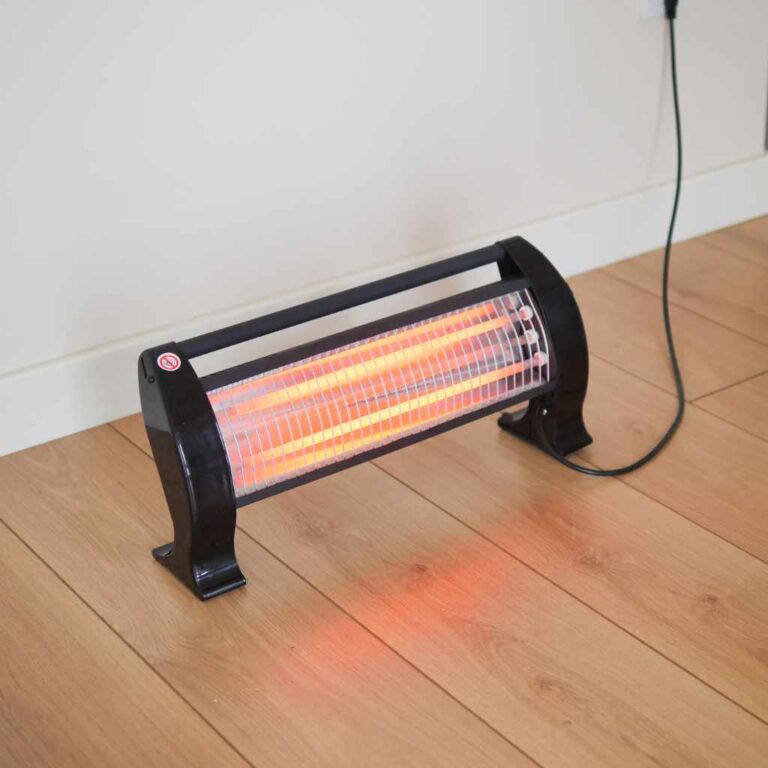
These are examples of common infrared heat bulbs—notice how they glow and focus heat in one direction.
Understanding EMF in Heaters
EMF stands for electromagnetic fields. All electric devices create some EMF, but too much close exposure might concern some people. Experts like the World Health Organization note that everyday low levels are generally safe, but many prefer minimizing them, especially in bedrooms or for long use.
Traditional infrared bulbs can produce higher EMF because of their design. Low EMF heaters use special shielding and materials to keep levels very low—often near zero where you sit.
This makes low EMF options reassuring for families wanting extra peace of mind.
Key Differences: Low EMF Infrared Heaters vs Bulbs
| Feature | Low EMF Infrared Heaters (Panels) | Infrared Bulbs |
|---|---|---|
| EMF Levels | Very low (often <3 mG, near zero in use) | Higher (can be 100+ mG close up) |
| Heat Distribution | Even and gentle across the room | Intense and directional (hot spots) |
| Surface Temperature | Cooler touch (safer around kids/pets) | Very hot (burn risk) |
| Energy Efficiency | High—heats objects directly, less waste | Good but more focused, may need more units |
| Best For | Whole-room comfort, daily use | Spot heating, quick warmth |
As you can see, low EMF panels shine for safe, all-day heating.

Low EMF panel heaters look sleek and modern, blending into your home while providing safe warmth.
Pros and Cons of Low EMF Infrared Heaters
Pros:
- Safe low EMF for worry-free use
- Even heat feels cozy and natural
- Energy-efficient—can lower bills
- Quiet and no dry air
- Easy to install (wall or portable)
Cons:
- Higher upfront cost than basic bulbs
- Takes a bit longer to warm a large space
Pros and Cons of Infrared Bulbs
Pros:
- Quick heat-up
- Affordable to buy
- Great for targeted spots (like over a chair)
Cons:
- Higher EMF exposure
- Risk of burns from hot surface
- Uneven heat—some areas stay cold
- Shorter lifespan
Why Low EMF Infrared Heaters Are Usually Better
For most homeowners, low EMF panel heaters win. They give gentle, even warmth without the worries of high EMF or hot surfaces. You can relax knowing your family stays safe and cozy.
Studies show infrared heat can even support better circulation and relaxation, but choosing low EMF ensures you get those benefits peacefully.
According to the U.S. Department of Energy, radiant heaters like infrared are efficient for zone heating—perfect for living rooms or bedrooms (energy.gov).

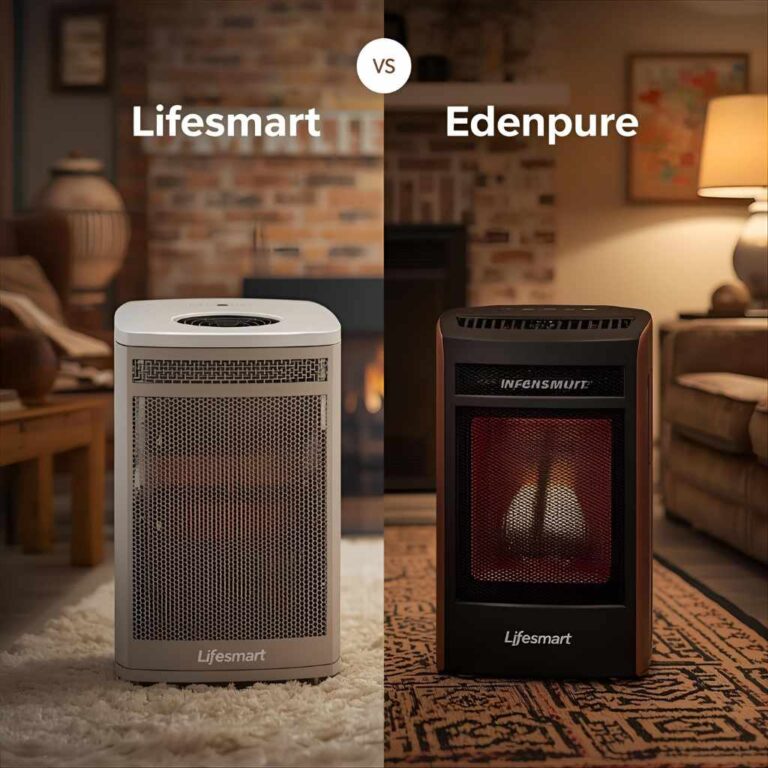
Inside a low EMF infrared setup—notice the smooth panels for even, safe heat.
How to Choose the Right One for Your Home
- Measure your space: Small room? One panel works. Larger? Add more.
- Check EMF ratings: Look for under 3 mG.
- Think about placement: Wall-mounted saves floor space.
- Read reviews: Real users share about comfort and safety.
- Consider portable vs fixed: Portable for flexibility.
Start small if unsure—a single low EMF panel can make a big difference in one room.
Safety Tips for Any Infrared Heater
- Keep 3 feet away from furniture or curtains.
- Never cover the heater.
- Use tip-over protection if portable.
- Turn off when leaving the room.
- Choose models with overheat shut-off.
Following these keeps everything safe and sound.
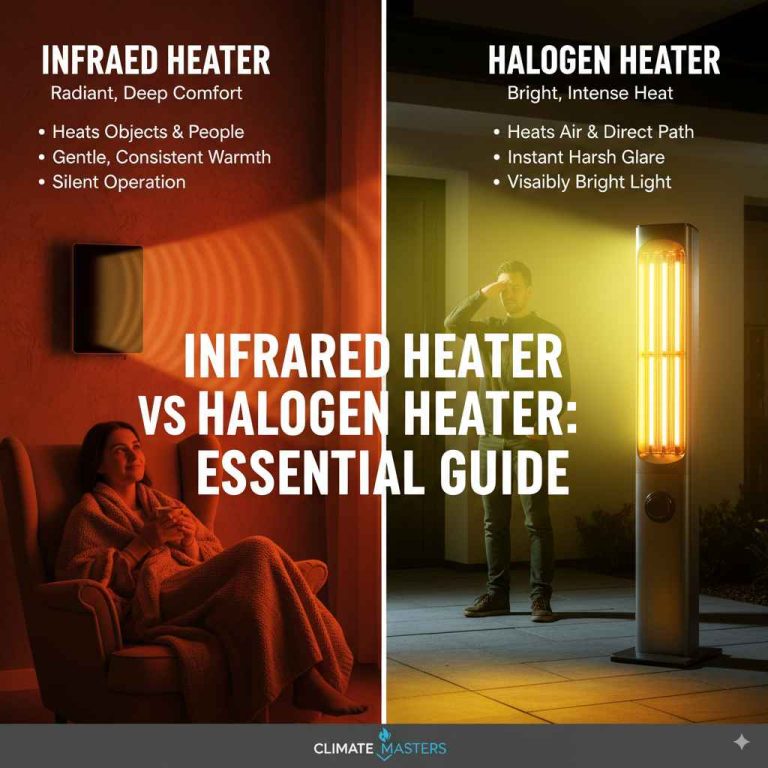
Comparison charts show how infrared stands out for efficiency and comfort over traditional heaters.
Conclusion
Choosing between low EMF infrared heaters and bulbs comes down to what matters most for your home. If you want safe, even, everyday warmth with minimal EMF, low EMF panel heaters are the clear winner. They create that cozy feeling we all love in winter, without the drawbacks of bulbs.
You deserve a home that’s warm, affordable to heat, and safe for your loved ones. Low EMF infrared heaters make that easy and achievable. Take the step today—you’ll feel the gentle difference right away, and enjoy peaceful winters for years to come.
Frequently Asked Questions
1. Are low EMF infrared heaters really safer than bulbs?
Yes! They produce much lower electromagnetic fields and have cooler surfaces, reducing burn risks.
2. Do infrared heaters dry out the air like traditional ones?
No—they heat objects directly, so the air stays moist and comfortable.
3. How much do low EMF infrared heaters cost to run?
They’re efficient, often costing less than convection heaters for the same warmth.
4. Can I use infrared heaters in a bedroom?
Absolutely—low EMF models are great for bedrooms, providing gentle overnight heat.
5. What’s the difference in heat feel between panels and bulbs?
Panels give even, soothing warmth like sunshine. Bulbs feel more intense and spotty.
6. Are there health benefits to infrared heating?
Many enjoy better relaxation and circulation from the gentle rays.
7. How long do low EMF infrared heaters last?
Quality panels often last 10–20 years with proper care.