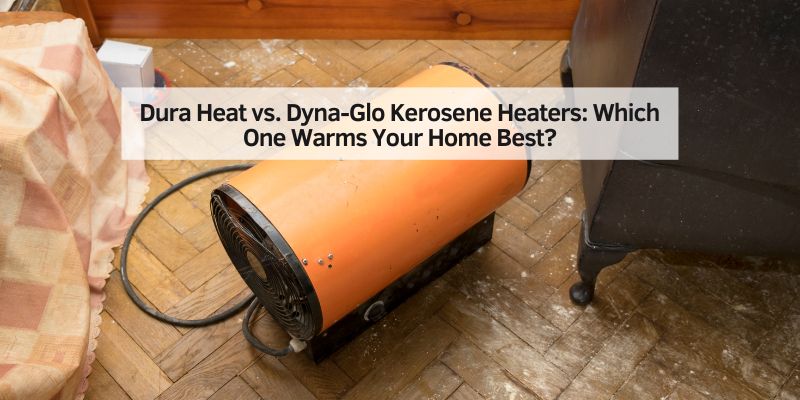
Dura Heat vs. Dyna-Glo Kerosene Heaters: Which One Warms Your Home Best?
Hey there! If you’re like me, you’ve probably spent a chilly evening wondering how to keep your home cozy without breaking the bank. Living in the USA, where winters can get brutal, I’ve turned to kerosene heaters as a reliable way to heat my garage, basement, or even my living room during a power outage. I’ve spent hours researching and testing heaters, and two brands that keep popping up are Dura Heat and Dyna-Glo. Both are popular, but which one’s the right fit for you? Let’s dive into my experience comparing Dura Heat vs. Dyna-Glo kerosene heaters. I’ll break it down step by step, sharing what I’ve learned to help you make the best choice for your home.
Why Choose a Kerosene Heater?
Before we get into the nitty-gritty, let’s talk about why kerosene heaters are worth considering. I live in a region where power outages are common during winter storms. When the electricity goes out, my regular furnace is useless. That’s where kerosene heaters shine. They don’t need electricity, so they’re perfect for emergencies. Plus, they’re great for zone heating—warming just the rooms you’re using. This saves me money on heating bills compared to cranking up the central heat. Both Dura Heat and Dyna-Glo make reliable kerosene heaters, but they have differences that might sway your decision.
My Journey with Kerosene Heaters
I’ve used both Dura Heat and Dyna-Glo heaters in my home and garage over the past few winters. My garage is my workshop, and it gets freezing in January. I needed a heater that could warm up a large space quickly without costing a fortune. I also wanted something safe and easy to use since my kids are often around. After testing both brands, I’ve got a lot to share about their performance, safety, and value. Let’s explore the key factors to consider when choosing between these two brands.

Comparing Dura Heat and Dyna-Glo: Key Features
When I started comparing Dura Heat and Dyna-Glo, I focused on a few things that matter most: heat output, fuel efficiency, safety features, portability, and price. Both brands offer solid options, but they cater to slightly different needs. Here’s how they stack up.
Heat Output and Coverage Area
The first thing I look at in a heater is how much heat it can pump out and how big a space it can warm. Heat output is measured in BTUs (British Thermal Units), and both brands offer models with similar specs.
- Dura Heat: I tested the Dura Heat DH2304S, which delivers 23,800 BTUs and can heat up to 1,000 square feet. It’s perfect for my garage or a large basement. I noticed it warms the space evenly, thanks to its convection design, which spreads heat in all directions. It’s great for keeping a big area cozy during a cold snap.
- Dyna-Glo: The Dyna-Glo WK24BK also puts out around 23,000 BTUs and covers up to 1,000 square feet. I used it in my basement during a power outage, and it kept the whole space comfortable. Like Dura Heat, it uses convection heating, so the warmth spreads nicely.
Both heaters are neck-and-neck in terms of heat output. If you’re heating a medium-to-large room, either will do the job. However, Dyna-Glo also offers forced-air models like the KFA180DGD, which can heat up to 4,200 square feet with 140,000–180,000 BTUs. These are overkill for most homes but great for huge spaces like workshops. Dura Heat sticks to smaller, home-friendly models.
Fuel Efficiency and Runtime
Next, I checked how long these heaters run on a tank of fuel. Kerosene isn’t cheap, so efficiency matters. Both brands use 1-K kerosene, which burns cleaner and is safer for indoor use.
- Dura Heat: The DH2304S has a 1.9-gallon tank, giving me about 9–12 hours of heat per fill. I like that I can leave it running overnight without refilling. It burns at 99.9% efficiency, which means I’m getting the most out of every drop of fuel.
- Dyna-Glo: The WK24BK also has a 1.9-gallon tank and runs for 8–12 hours. I found it to be just as efficient as the Dura Heat model. However, some Dyna-Glo users mentioned a slight odor when shutting it off, which I didn’t notice with Dura Heat.
In my experience, both heaters are economical. I spend about $10 per gallon of kerosene, and a single tank lasts me a full day of heating. If you’re on a tight budget, either brand will help you save on fuel costs compared to electric heaters.
Safety Features: My Top Priority
Safety is huge for me, especially with kids and pets in the house. Kerosene heaters can get very hot, so I looked closely at the safety features of both brands.
- Dura Heat: The DH2304S has a tip-over shutoff, which turns the heater off if it’s knocked over. It also has a safety grille to keep little hands away from the flame. I tested the tip-over feature (carefully!), and it worked like a charm. The cool-top design is another plus—it reduces the risk of burns if you accidentally touch the top.
- Dyna-Glo: The WK24BK also comes with a tip-over shutoff and a safety grille. I liked the automatic ignition, which means I don’t need to mess with matches. One thing I noticed is that Dyna-Glo’s safety cage feels sturdier than Dura Heat’s, which gave me extra peace of mind.
Both brands prioritize safety, but Dyna-Glo’s build feels a bit more robust. That said, I never had any issues with either heater when I followed the instructions, like keeping flammable items away and cracking a window for ventilation.
Portability and Ease of Use
I move my heater between my garage, basement, and sometimes my living room, so portability is key. Both brands are designed to be user-friendly, but there are differences.
- Dura Heat: The DH2304S is compact and weighs about 26 pounds. It’s easy to carry with its handle, though I found the handle a bit flimsy. The fuel tank is removable, which makes refilling a breeze. I also like the easy-to-read fuel gauge—it’s simple to check how much kerosene is left.
- Dyna-Glo: The WK24BK is slightly lighter at 23 pounds and has a solid carrying handle. The fuel tank is also removable, and the one-touch shutoff is super convenient. I found Dyna-Glo’s controls a bit more intuitive, especially the automatic ignition.
For me, Dyna-Glo wins slightly for ease of use because of its smoother controls and lighter weight. But both heaters are portable enough for home use.
Price and Value
Price is always a factor, right? I compared the cost of these heaters and what you get for your money.
- Dura Heat: The DH2304S typically costs around $100–$150, depending on where you buy it. It’s a great value for a reliable indoor heater with solid safety features. I found it at Home Depot, and the price felt fair for the performance.
- Dyna-Glo: The WK24BK is in the same price range, usually $120–$160. It’s a bit pricier in some stores, but I think the sturdy build and extra features like automatic ignition justify the cost.
Both brands offer good value, but Dura Heat is often a tad cheaper. If you’re on a tight budget, Dura Heat might be the better pick.
Dura Heat vs. Dyna-Glo: A Side-by-Side Comparison
To make things easier, here’s a table comparing the key specs of the Dura Heat DH2304S and Dyna-Glo WK24BK:
| Feature | Dura Heat DH2304S | Dyna-Glo WK24BK |
|---|---|---|
| BTU Output | 23,800 BTUs | 23,000 BTUs |
| Coverage Area | Up to 1,000 sq. ft. | Up to 1,000 sq. ft. |
| Fuel Tank Capacity | 1.9 gallons | 1.9 gallons |
| Runtime | 9–12 hours | 8–12 hours |
| Safety Features | Tip-over shutoff, safety grille, cool-top design | Tip-over shutoff, safety grille, automatic ignition |
| Weight | 26 pounds | 23 pounds |
| Price Range | $100–$150 | $120–$160 |
| Ignition Type | Manual | Automatic |
| Warranty | 1-year limited | 1-year limited |
This table helped me see the similarities and differences at a glance. Both heaters are solid choices, but Dyna-Glo’s automatic ignition and lighter weight give it a slight edge for convenience.
My Experience with Maintenance
Maintaining a kerosene heater is important to keep it running smoothly. I learned this the hard way when I neglected my first heater and ended up with a sooty wick. Here’s what I found with these two brands:
- Dura Heat: The wick on the DH2304S needs regular cleaning, especially if you accidentally use diesel instead of 1-K kerosene. I replace the wick every season, which costs about $10–$15. The removable fuel tank makes cleaning easy, and I appreciate that replacement parts are widely available at places like Home Depot.
- Dyna-Glo: The WK24BK also requires wick maintenance, but I found the wick a bit flimsier than Dura Heat’s. On the plus side, Dyna-Glo’s fuel gauge is super clear, so I never overfill the tank. Replacement wicks are easy to find, and the heater comes with a siphon pump, which is handy for refueling.
Both heaters need similar upkeep, like cleaning the wick every few tanks and storing them properly in the off-season. I always let my heaters cool outside to avoid any odor in the house.
Odor and Ventilation: What to Expect
One thing I worried about was the smell. Kerosene heaters can give off an odor, especially when starting or shutting off. Here’s how these two performed:
- Dura Heat: I barely noticed any smell with the DH2304S when using 1-K kerosene. There’s a slight odor when I turn it off, but it’s not bad if I crack a window. I always follow the rule of keeping a window open an inch or two for ventilation.
- Dyna-Glo: The WK24BK had a bit more odor during shutdown, which some users mentioned online too. It’s not overwhelming, but I make sure to ventilate the room well. Using high-quality kerosene helps a lot.
Both heaters are safe for indoor use with proper ventilation. I keep a carbon monoxide detector nearby, just to be extra cautious.
Which One Should You Choose?
After using both heaters, I think it comes down to your specific needs:
- Choose Dura Heat if: You want a budget-friendly option that’s reliable and easy to maintain. The DH2304S is great for heating medium-sized rooms and has all the safety features you need. It’s my go-to for my garage because it’s affordable and gets the job done.
- Choose Dyna-Glo if: You prefer a slightly more user-friendly heater with automatic ignition and a sturdy build. The WK24BK is perfect if you value convenience and don’t mind spending a bit more. I use it in my basement because it’s easy to operate.
If you have a huge space, like a large workshop, Dyna-Glo’s forced-air models might be worth exploring. But for most homes, the convection models from either brand are plenty.
Tips for Using Kerosene Heaters Safely
I’ve learned a few tricks to get the most out of my kerosene heaters while staying safe:
- Always use 1-K kerosene to avoid soot and odors.
- Keep the heater on a flat, stable surface away from flammable items like curtains or furniture.
- Crack a window for ventilation to prevent carbon monoxide buildup.
- Clean the wick regularly and replace it every season.
- Store kerosene in a clean, sealed container to avoid contamination.
- Never leave the heater unattended, especially when sleeping.
These tips have kept me warm and safe through several winters.
My Final Thoughts
After testing both Dura Heat and Dyna-Glo kerosene heaters, I can honestly say they’re both fantastic options for keeping your home warm. Dura Heat is my pick for budget-conscious folks who want a reliable, no-frills heater. Dyna-Glo stands out for its ease of use and sturdy design, making it worth the extra few bucks if convenience matters to you. Whichever you choose, you’re getting a heater that’s efficient, safe, and perfect for those cold winter days or unexpected power outages.
I love the peace of mind knowing I can keep my family warm no matter what the weather throws at us. Pick the one that fits your needs, and you’ll be cozy all winter long!
FAQs About Dura Heat and Dyna-Glo Kerosene Heaters
What type of kerosene should I use for these heaters?
I always use 1-K kerosene for both Dura Heat and Dyna-Glo heaters. It burns cleaner and reduces odor and soot. Avoid using diesel or other fuels, as they can damage the wick and create more smoke.
Are Dura Heat and Dyna-Glo heaters safe for indoor use?
Yes, both are safe for indoor use if you follow the instructions. I make sure to keep a window slightly open for ventilation and use a carbon monoxide detector. Both heaters have safety features like tip-over shutoffs and protective grilles.
How often should I replace the wick?
I replace the wick every season or after about 3–4 months of regular use. If you notice a lot of soot or a weaker flame, it’s time to clean or replace the wick sooner.
Can I leave the heater running overnight?
I don’t recommend leaving any kerosene heater unattended, especially overnight. Even with safety features, it’s best to turn it off when you’re sleeping or not in the room.
Which heater is better for a small room?
For a small room (under 500 square feet), both brands work well, but Dyna-Glo’s automatic ignition makes it easier to use. If you’re on a budget, Dura Heat’s DH2304S is still a great choice.
How much does it cost to run these heaters?
It depends on kerosene prices, but I pay about $10 per gallon. A 1.9-gallon tank lasts 8–12 hours, so it’s roughly $1–$2 per hour. Both heaters are very efficient, so they’re cheaper than running electric heaters all day.