Infrared Heaters Vs Others: Ultimate Heat Efficiency Showdown
When it comes to keeping your space warm, you have plenty of choices. But how do you know which heater is the best fit for your needs?
Infrared heaters often come up in the conversation, but how do they really stack up against traditional options? If you want to find the most efficient, comfortable, and cost-effective way to heat your room, this comparison will clear up the confusion.
By the end, you’ll know exactly which heater suits your lifestyle and budget—and why it matters for your comfort and energy bills. Keep reading to discover the key differences that can change the way you stay warm.
Infrared Heater Basics
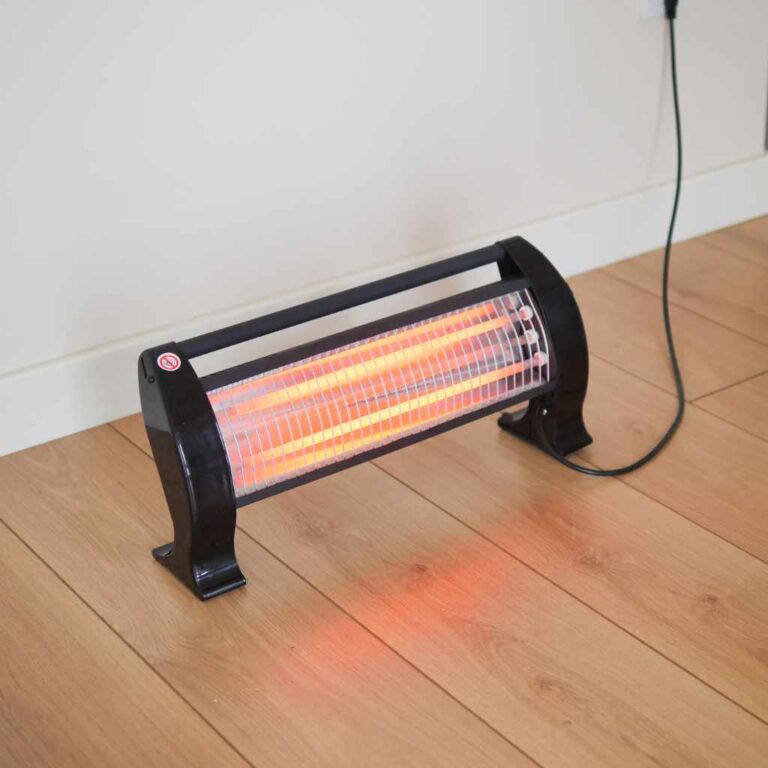
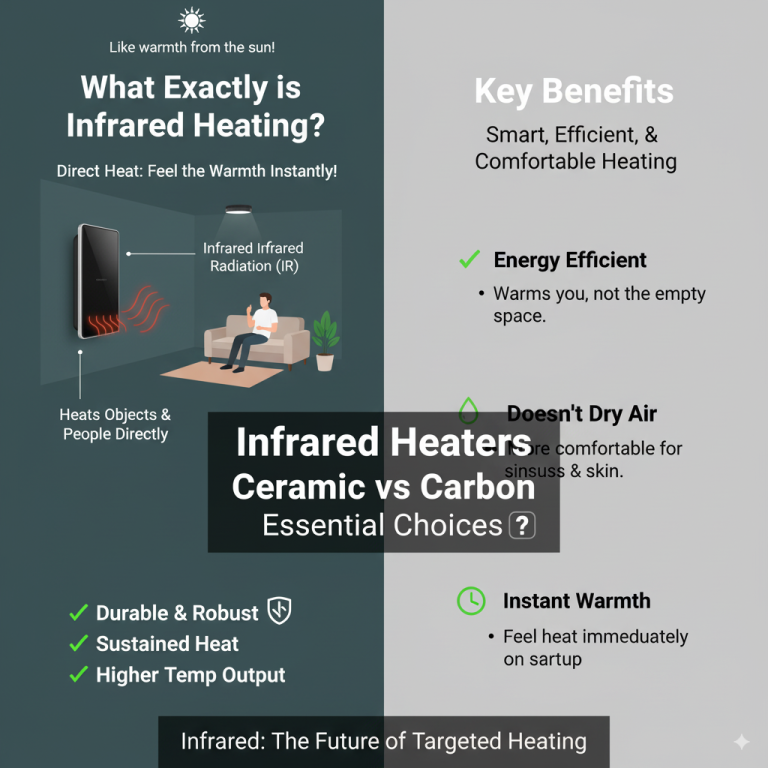
Infrared heaters offer a different way to warm up spaces. Unlike traditional heaters, they heat objects and people directly. This method can feel faster and more natural. Understanding the basics helps in choosing the right heater for your needs.
How Infrared Heaters Work
Infrared heaters use light waves to create heat. These waves travel through the air without warming it first. When they hit a surface, the heat transfers to that object. This process feels like sunlight on your skin. It warms you directly instead of heating the air around you. This makes infrared heaters energy efficient and quick to warm a room.
Types Of Infrared Heaters
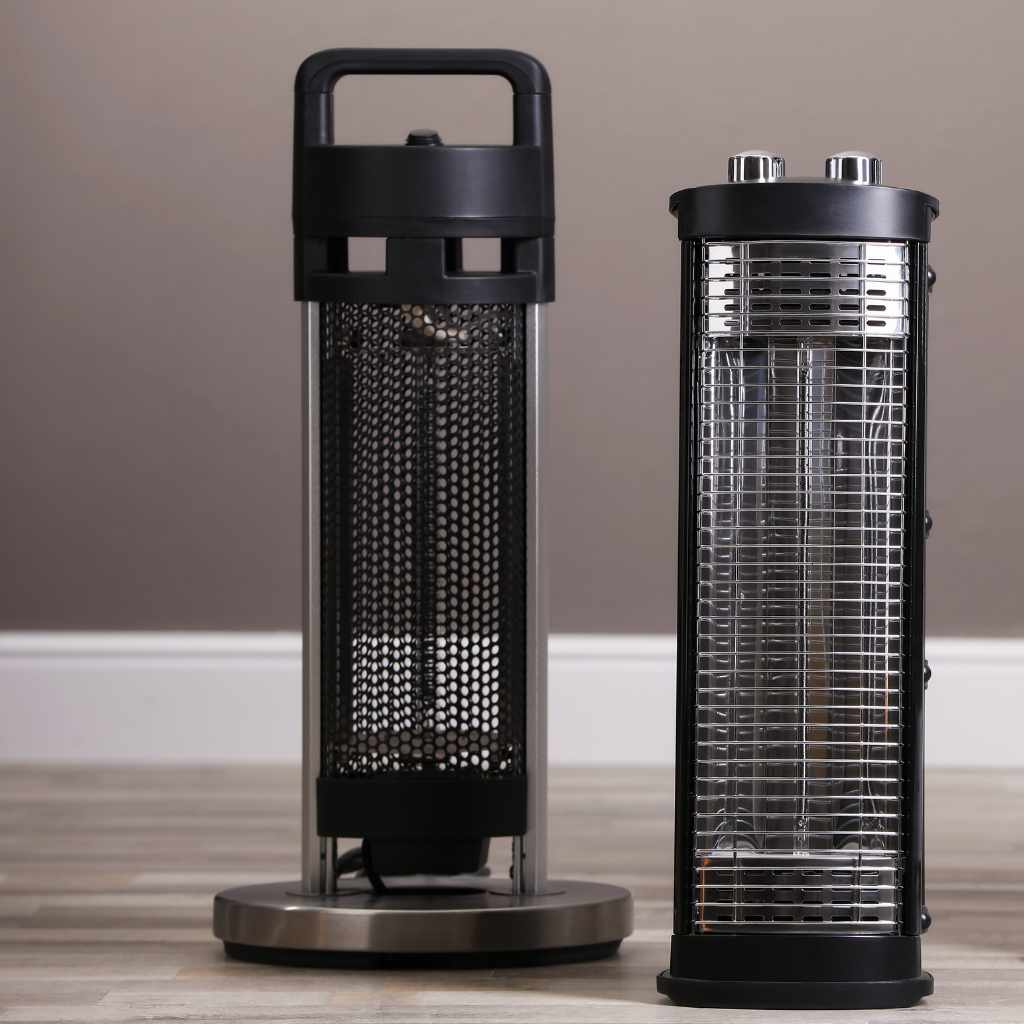
There are several types of infrared heaters, each with unique features. Quartz infrared heaters use quartz tubes to produce heat. They heat up fast and are good for small spaces. Ceramic infrared heaters have ceramic plates that absorb and release heat slowly. These are ideal for longer, steady warmth. Carbon infrared heaters use carbon elements that last long and provide even heat. Choosing the right type depends on your space and heating needs.
Common Heater Alternatives
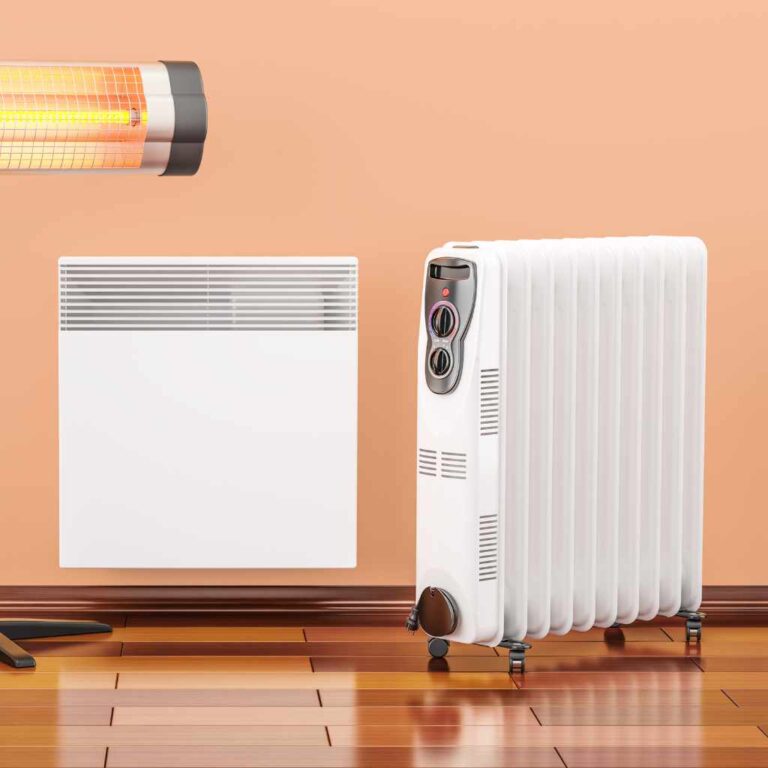
Many people choose different types of heaters for their homes. Each heater works in a unique way. Some heat the air, while others warm objects or people directly. Understanding common heater alternatives helps you find the right one for your needs.
These heaters vary in energy use, speed, and heat distribution. Some are better for small rooms, others for large spaces. Let’s explore popular heater types besides infrared heaters.
Convection Heaters
Convection heaters warm the air in a room. They use a heating element inside that heats the air. Warm air rises, and cool air moves in to be heated. This cycle repeats, creating even warmth.
These heaters work well in enclosed spaces. They take time to heat the room but keep it warm for longer. Convection heaters are quiet and safe to use.
Fan Heaters
Fan heaters blow air over a hot element to heat a room quickly. They spread warm air fast, making a cold room feel cozy.
These heaters are small and portable. They use more electricity but offer instant heat. The noise from the fan may be distracting for some users.
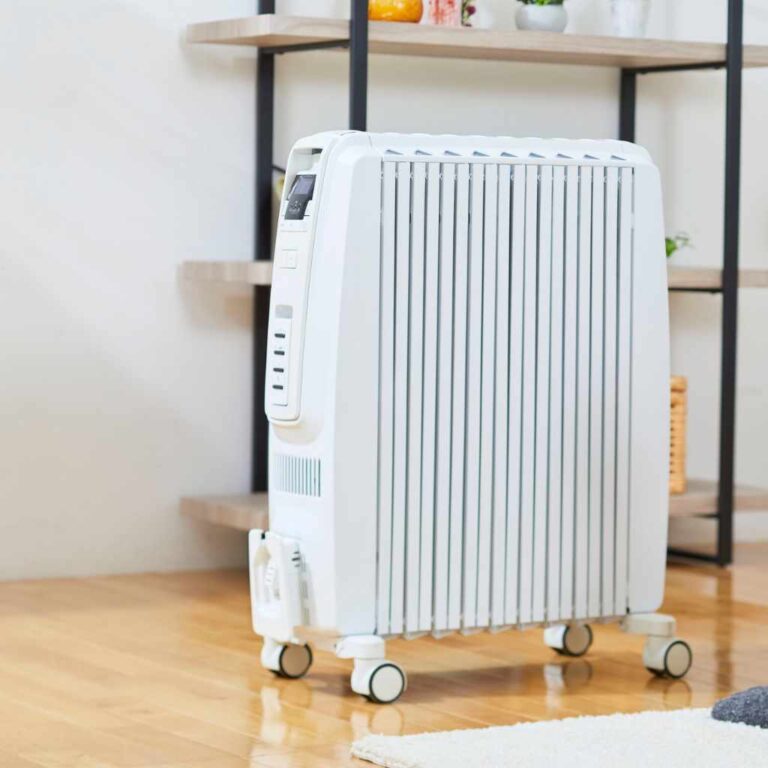
Oil-filled Radiators
Oil-filled radiators heat oil inside the unit. The oil stays warm for a long time, giving steady heat.
They do not use fans, so they work quietly. These heaters are great for long-term heating in medium to large rooms. They take time to warm up but keep the room warm efficiently.
Energy Efficiency Comparison
Energy efficiency matters most when choosing a heater. It affects your bills and comfort. Infrared heaters and traditional heaters differ in how they use energy. Comparing them helps you pick the best option for your needs.
Heat Output Vs Energy Use
Infrared heaters use energy to warm objects directly. They send heat to people and furniture, not air. This method cuts energy waste. Traditional heaters warm the air first. They need more power to keep the room warm. Infrared heaters often give more heat for less energy.
Warm-up Times
Infrared heaters heat up quickly. You feel warmth almost right away. Traditional heaters take longer to raise room temperature. They must warm the air before you feel comfortable. Fast warm-up saves energy because heaters run less time. Infrared heaters can be more energy-friendly here.
Heat Retention
Infrared heaters stop working and heat fades fast. They do not store heat in the room. Traditional heaters keep the air warm longer after turning off. Materials like water or metal in these heaters hold heat. This can save energy by needing less frequent heating. The choice depends on how you use the heater.
Cost Factors
Cost is a major factor when choosing a heater. It affects your budget from the start and over time. Infrared heaters and other types have different cost structures. Understanding these helps you pick the right option for your needs.
Initial Purchase Price
Infrared heaters usually cost less upfront than many traditional heaters. They have simple designs and fewer parts. Other heaters, like gas or oil models, often need more complex setups. This raises their initial price. Some electric heaters may also cost more due to brand and features.
Operating Costs
Infrared heaters use energy efficiently. They heat objects and people directly, not the air. This means less wasted energy. Other heaters warm the air, which can be less efficient. Gas heaters might have lower fuel costs but need ventilation, adding to expenses. Electric heaters vary depending on power use and electricity rates.
Maintenance Expenses
Infrared heaters require little maintenance. They have no moving parts and no filters to change. Other heaters, like forced-air models, need regular filter cleaning or replacement. Gas heaters require annual safety checks and possible repairs. Maintenance costs can add up over the heater’s lifetime.
Comfort And Heat Distribution
Comfort and heat distribution matter a lot when choosing a heater. How heat moves in a room affects how warm and cozy you feel. Different heaters spread heat in different ways. Knowing these differences helps pick the right heater for your space.
Heat Spread Patterns
Infrared heaters warm objects and people directly. They do not heat the air first. This creates a gentle, even warmth. Other heaters, like convection types, heat the air. Warm air rises and cool air falls. This causes uneven heat and cold spots in rooms.
Room Size Suitability
Infrared heaters work well in small to medium rooms. They give direct heat without wasting energy. Larger rooms may need more units for full warmth. Convection heaters can cover bigger spaces but take longer. They need good airflow to spread heat evenly.
Air Quality Impact
Infrared heaters do not blow air. They keep dust and allergens from moving. This helps people with allergies breathe easier. Other heaters use fans that stir dust and pollen. This can reduce air quality and cause discomfort.
Safety And Environmental Impact
Safety and environmental impact are key factors in choosing a heater. People want warmth without risks to health or nature. Infrared heaters and other types differ in these areas. Understanding these differences helps make better choices.
Fire Hazards
Infrared heaters produce heat by warming objects, not air. This lowers the risk of fires caused by overheating. Other heaters use open flames or hot coils. These can ignite nearby materials more easily. Infrared heaters often have safety features like automatic shut-off. This reduces fire danger significantly.
Emission Levels
Infrared heaters emit no harmful gases. They convert electricity directly into heat. Many other heaters burn fuel, releasing carbon monoxide and other pollutants. These emissions harm indoor air quality. Infrared heaters keep the air cleaner and safer to breathe.
Eco-friendliness
Infrared heaters use less energy for the same warmth. This lowers electricity consumption and carbon footprints. Fuel-burning heaters release greenhouse gases that harm the planet. Infrared models do not emit greenhouse gases during use. Their eco-friendly design helps protect the environment.
Best Use Cases
Choosing the right heater depends on where and how you plan to use it. Infrared heaters offer unique benefits that suit specific settings. Other heaters, like convection or fan heaters, work better in different environments. Understanding the best use cases helps you pick the right heating solution.
Indoor Heating
Infrared heaters warm objects and people directly, not just the air. This makes them ideal for rooms with poor insulation. They provide fast, focused heat. Other heaters, like convection models, heat the air slowly and evenly. Infrared heaters save energy in small spaces. They also reduce dust circulation, which helps people with allergies.
Outdoor Heating
Infrared heaters excel outdoors because they heat objects, not air. Wind and cold air do not reduce their warmth. Other heaters lose heat quickly outside due to air movement. Infrared heaters are perfect for patios and open spaces. They create cozy spots without needing walls or roofs.
Commercial Vs Residential
Infrared heaters suit both commercial and residential settings. In commercial spaces, they provide quick warmth for employees or customers. They work well in warehouses, workshops, and restaurants. Residential use often involves spot heating in living rooms or garages. Other heaters may be bulky or noisy for home use. Infrared heaters run quietly and blend into home decor easily.
Frequently Asked Questions
What Are The Main Benefits Of Infrared Heaters?
Infrared heaters provide direct, efficient warmth by heating objects and people. They save energy and work instantly. They are quieter and healthier, as they don’t circulate dust or allergens.
How Do Infrared Heaters Compare To Traditional Heaters?
Infrared heaters warm objects, not just air, offering faster heat. Traditional heaters heat the air, which can be less efficient and slower. Infrared models also use less energy for the same comfort level.
Are Infrared Heaters Safe For Indoor Use?
Yes, infrared heaters are safe indoors when used properly. They don’t emit harmful gases and have low fire risks. Always follow manufacturer guidelines and keep them away from flammable materials.
Can Infrared Heaters Reduce Heating Costs Effectively?
Infrared heaters cut heating costs by targeting specific areas. They use less energy than conventional systems. This focused heat reduces wasted energy, lowering overall heating bills.
Conclusion
Infrared heaters warm objects, not just air. They save energy and work fast. Other heaters may take longer and use more power. Infrared heat feels natural and comfortable. They are quiet and need little maintenance. Choose the heater that fits your space and needs best.
Think about cost, size, and how you use your room. Infrared heaters offer a simple way to stay warm. Simple, effective, and reliable heating options matter most.