Portable heater noise levels: quietest types ranked
The quietest portable heaters are usually oil-filled radiant models. Next come fan-free infrared heaters, then ceramic heaters on low fan. Fan-forced and turbo units are loudest; for bedrooms or nurseries, choose a heater with no fan or a stated noise rating under 35 dB. Bad picks can mean sleep disruption, office distraction, and a heater that sounds louder at night than its heat output justifies. This guide ranks heater types by the noises they actually make, then shows how to choose the quietest model for your room and use case.
Which portable heater types are quietest?
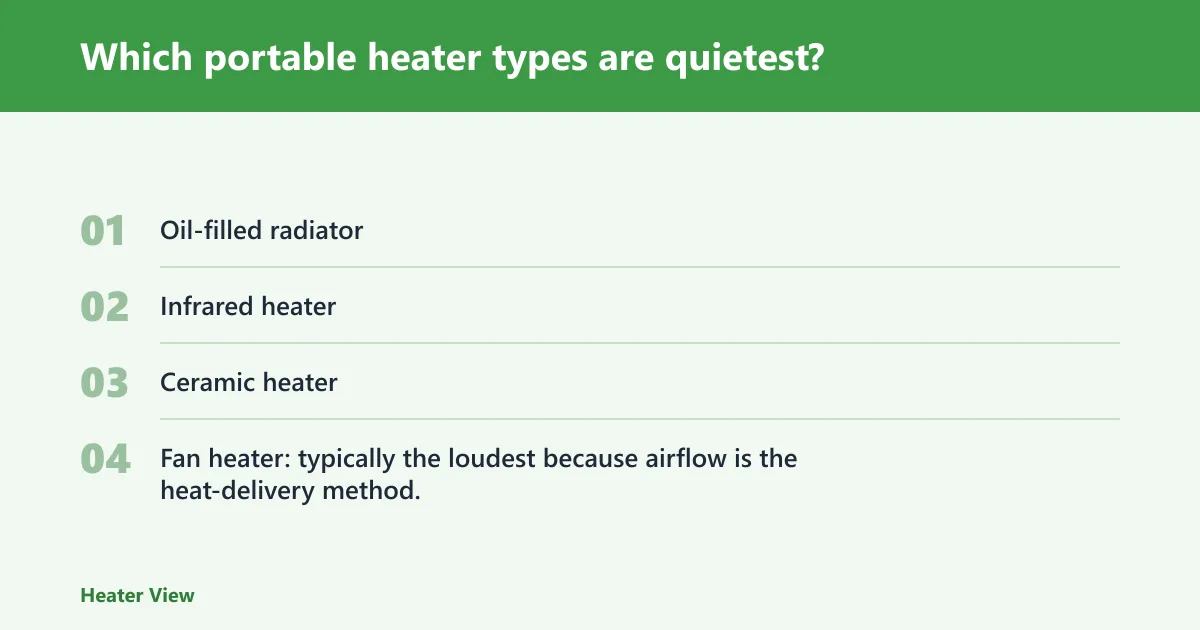
Oil-filled radiators are usually the quietest because they have no fan and rely on steady radiant and convective heat. Infrared heaters are often next, then ceramic heaters with a fan on low, while fan heaters are usually the noisiest because moving air is the main job.
The ranking changes with mode and distance. A small ceramic heater on low can sound acceptable across a room, while a larger unit on high may become obvious in a quiet bedroom. The same logic applies to infrared models with control clicks or oil-filled radiators with a relay that cycles at the thermostat.
Quietest to loudest, in practice
- Oil-filled radiator: usually near-silent in normal operation.
- Infrared heater: often quiet, especially if it has no fan.
- Ceramic heater: varies by fan speed and enclosure.
- Fan heater: typically the loudest because airflow is the heat-delivery method.
Say your bedroom is 12 square meters and you want background noise below a soft whisper. An oil-filled radiator on a thermostat is usually a better fit than a compact fan heater, even if the fan heater warms faster. The sound signature matters more than the label on the box.
What actually makes a portable heater noisy?
Portable heater noise usually comes from moving air, mechanical switching, or parts that vibrate against a housing. Fan blades, motor hum, plastic enclosure resonance, thermostat clicks, relay clicks, oscillation motors, and fan run-on after shutdown are the main sources.
Fan noise, airflow hum, and enclosure vibration
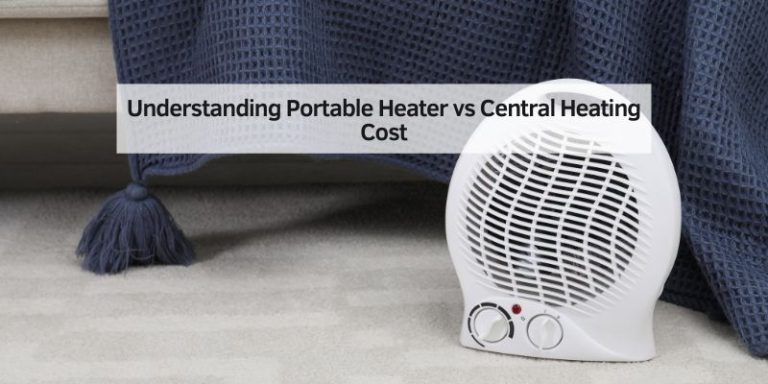
Fan heaters and many ceramic heaters use a blower to push warm air into the room. That produces a steady airflow sound, a motor tone, and sometimes rattling if the casing or grille vibrates. Higher output usually needs more airflow, and that usually means more noise.
Thermostat clicks, relay clicks, and fan run-on
When a heater reaches its set temperature, the thermostat may click the heat element off and on again. Some models add a brief fan run-on to cool the element, which can create a short burst of noise even after the heat output drops. That can matter in a nursery or shared bedroom.
Oscillation motor noise and gear sound
Oscillation helps spread warm air, but it adds motor noise, gear sound, and sometimes a small gimbal-like hum. For quiet rooms, oscillation is usually a feature to avoid unless you need wider coverage more than low sound. A stationary heater is often easier to live with at night.
How quiet are heaters in dB(A)?
dB(A) is a weighted decibel scale that reflects how humans hear sound, with less weight on very low and very high frequencies. Quietness also depends on measurement distance, because a heater read at 1 meter will usually seem louder than the same heater measured farther away.
How dB(A) works and why measurement distance matters
A reading around 30 dB(A) is often considered very quiet, while 35 to 40 dB(A) can be noticeable in a bedroom at night. Above that, many people will hear the heater clearly unless there is other background noise. Always check whether the spec sheet states the distance, because that changes the number.
What counts as quiet in a bedroom or office
For sleeping areas, a heater that stays below roughly 35 dB(A) at the listening position is a practical target. In an office, 35 to 40 dB(A) may be acceptable during the day if the sound is smooth and steady rather than clicky or squealy. Tone matters as much as number.
Why published decibel ratings are hard to compare across brands
One brand may measure at 1 meter, another at 2 meters, and a third may quote a low fan setting only. Some listings use the quietest mode and some use the loudest. That makes cross-brand comparison messy, so use dB(A) as a filter, not a perfect ranking tool.
Are ceramic heaters quieter than fan heaters?
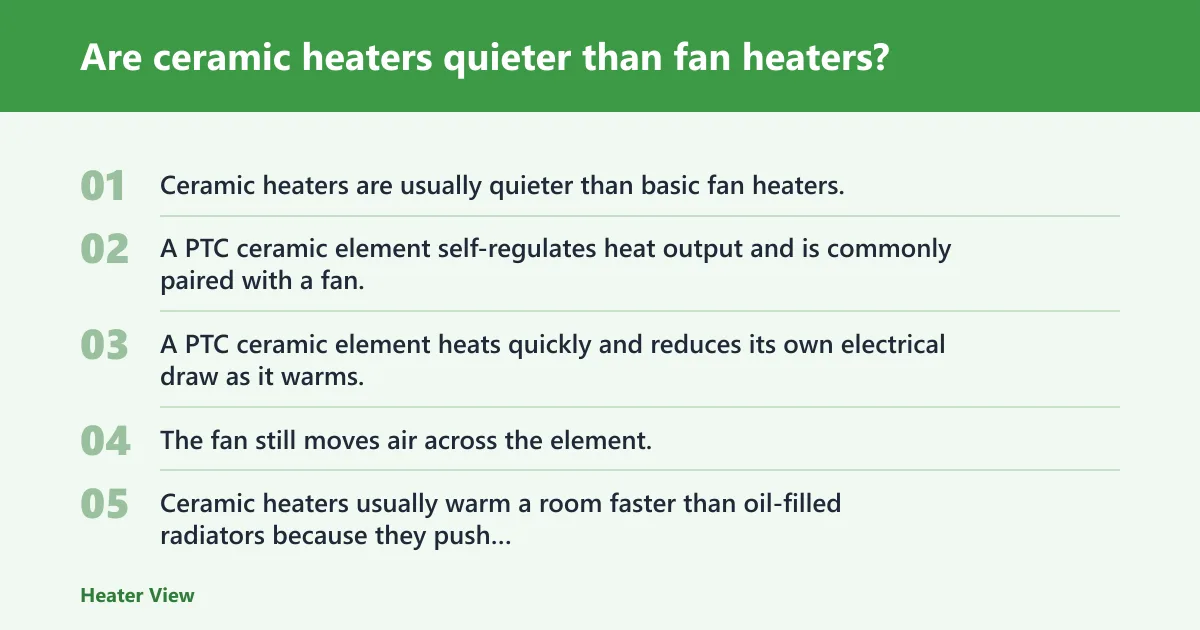
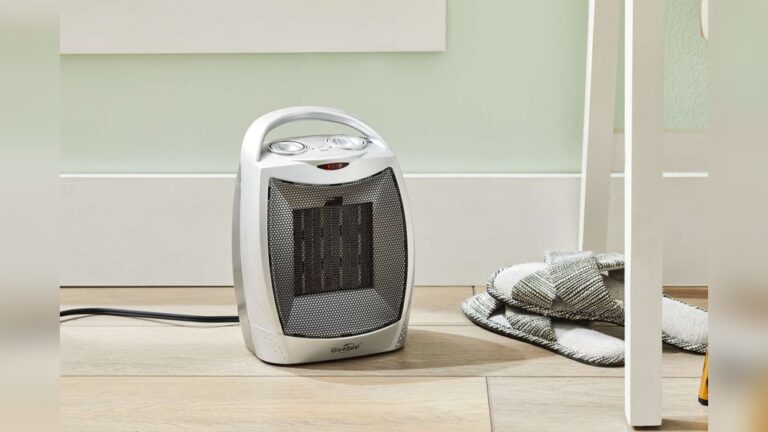
Ceramic heaters are usually quieter than basic fan heaters, but only when the fan speed is lower and the enclosure is well damped. A PTC ceramic element self-regulates heat output and is commonly paired with a fan, so the noise profile still depends on airflow, startup behavior, and housing design.
PTC ceramic element behavior and fan-assisted airflow
A PTC ceramic element heats quickly and reduces its own electrical draw as it warms, which helps limit overheating. That does not make it silent. The fan still moves air across the element, so the main sound is often blower noise rather than the heater element itself.
Heat-up speed versus sound output
Ceramic heaters usually warm a room faster than oil-filled radiators because they push hot air immediately. That speed has a cost: the fan has to work, and higher fan speed means more noise. Low-fan or eco mode can reduce sound, but it also reduces heat delivery.
Best rooms for ceramic heaters
Ceramic heaters fit bedrooms, offices, and small living areas when you need quick spot heat and can tolerate a soft fan sound. They are less suited to very quiet nurseries unless the model has a genuinely low fan setting and a clear decibel rating.
A common mistake is putting a fan-forced portable heater in a nursery and assuming its hiss and clicking will be too faint to notice. At high heat, many units shift from a mild hum to a more obvious airflow sound, especially in a quiet home office with hard walls and little ambient noise.
Are oil-filled heaters really the quietest?
Oil-filled radiators are usually the quietest portable heaters in normal use because they have no fan and the heated oil circulates inside sealed fins. That near-silent operation makes them a strong choice for bedrooms, nurseries, and other rooms where constant background sound is a problem.
Why oil-filled radiators are near-silent in normal use
The heat comes from warmed metal surfaces, not forced air. That removes the blower noise that dominates many other heater types. What remains is mostly the thermostat click, occasional expansion noise as the metal warms, and maybe a faint relay sound when the cycle changes.
Slow warm-up and steady heat retention
Oil-filled heaters heat more slowly than fan-assisted designs, but they retain heat well after the element cycles off. That steadier pattern can feel quieter because the room gets less of the on-off blast associated with fan-driven heat. The tradeoff is slower response when the room is cold.
Noise caveats: controls, wheels, and cycling
Oil-filled radiators are not always silent. Digital controls can click, some casters rattle on hard floors, and the thermostat can cycle audibly at the setpoint. If you need the quietest version, look for simple controls, a stable base, and a mode that avoids frequent switching.
Do infrared heaters make noise?
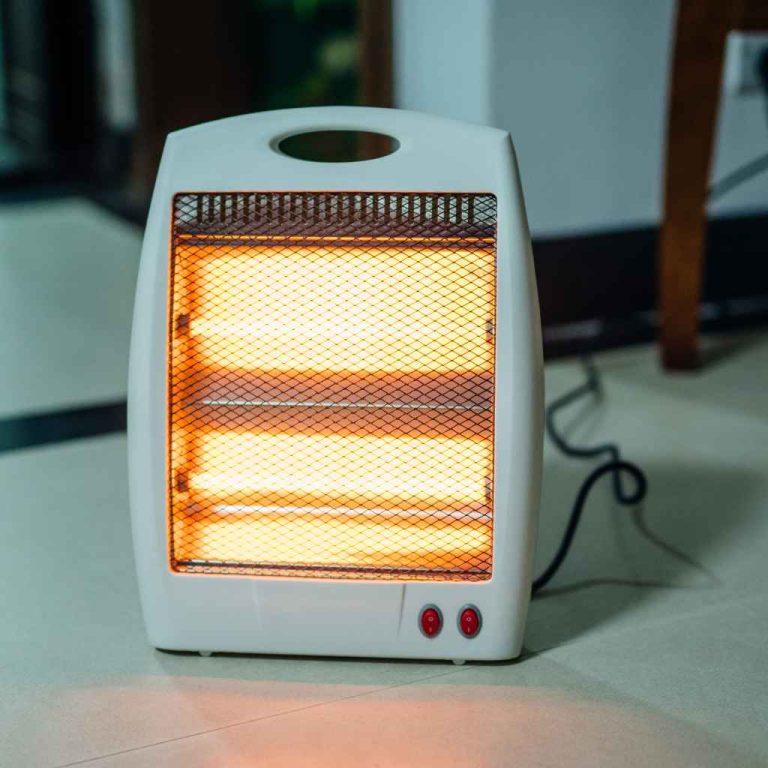
Infrared heaters are often among the quietest portable heaters because many use radiant heat with no fan. They warm people and nearby surfaces directly, which avoids much of the airflow noise seen in fan heaters. Some models still make small control, relay, or cycling sounds.
Radiant heat and the no-fan advantage
Infrared heat is directional. The heater sends energy toward an object or area instead of trying to push warmed air through the whole room. That means the sound profile is usually very low, especially in models with a simple element and no blower.
Directional heating and room fit
Infrared works best when you want warmth in a specific zone, such as a desk area, reading chair, or small seating spot. It is less effective for whole-room heating in open layouts. In a bedroom, that can still be useful if the goal is quiet, focused warmth near the bed.
When infrared still makes small control or cycling sounds
Even fan-free infrared heaters can click when the thermostat turns the element on or off. Some have a brief relay sound at startup. Those noises are usually brief, but they matter in very quiet rooms, especially if the heater sits close to the sleeping area.
How to choose the quietest heater for your room
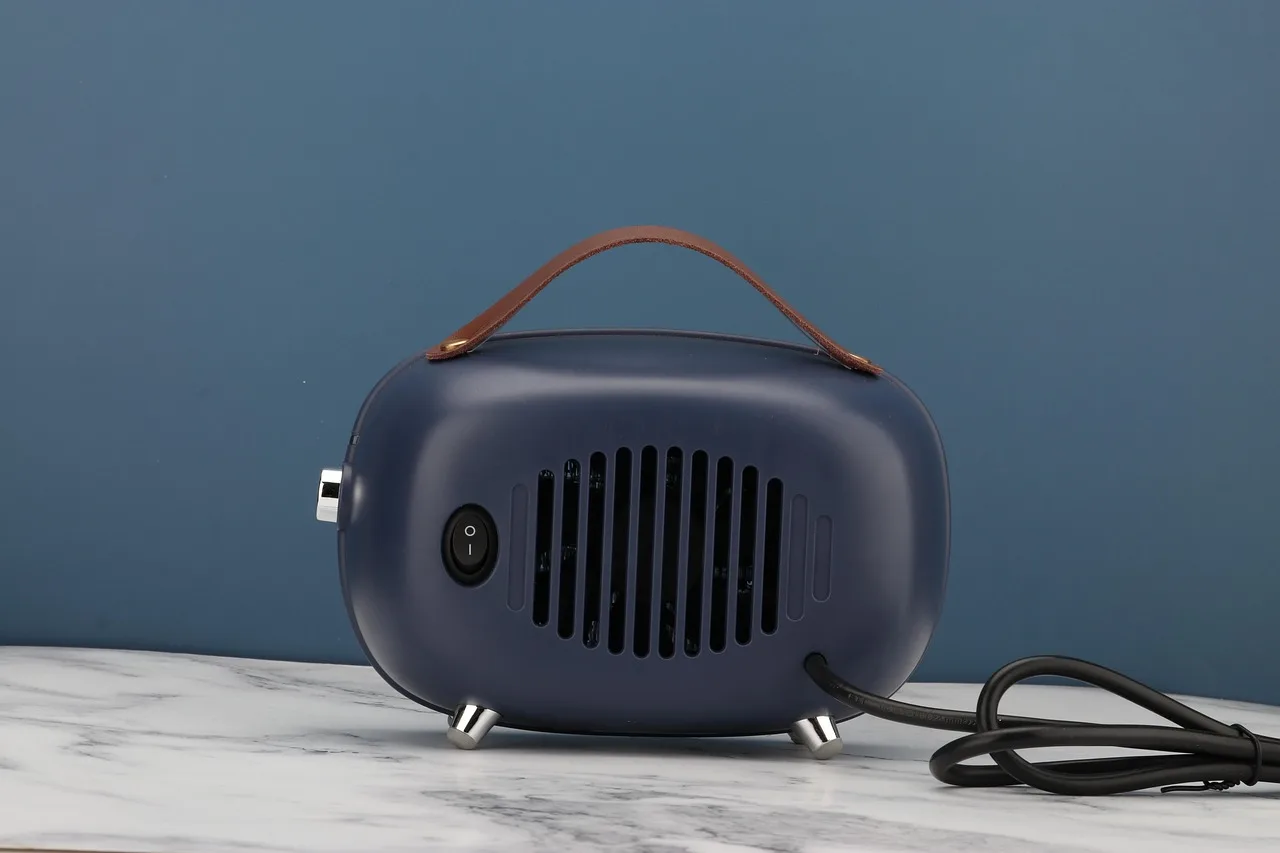
Choose the quietest heater by matching sound type to room use. Bedrooms and nurseries favor no-fan designs, offices can tolerate a gentle fan at low speed, and temporary spaces can prioritize fast heat if the heater stays outside the main listening zone.
Bedroom and nursery priorities
For bedrooms and nurseries, start with oil-filled radiators or fan-free infrared heaters. If you choose ceramic, use the lowest fan mode and avoid oscillation. Keep the heater away from the bed or crib, because closer placement makes even small hums and clicks easier to hear.
Office and shared-space priorities
In offices, a low-fan ceramic heater can work if the sound stays steady and the room has some ambient noise. Shared spaces need predictable behavior, so avoid models with sharp clicking thermostats or loud oscillation motors. Stable, low-speed operation is usually better than a noisy quick-heat burst.
Camp or temporary-use priorities
For temporary setups, the best heater is often the one that warms fast without putting a fan in your hearing path. That said, portable heaters in enclosed shelters or poorly ventilated spaces need careful safety checks. A 2016 thesis on portable heater use in ice fishing shelters discussed carbon monoxide exposure as a real concern, which is a reminder to match heater type, ventilation, and fuel source carefully.
Eco mode, low fan mode, and avoiding oscillation
Eco mode and low fan mode usually reduce airflow and sound output. The tradeoff is slower heating and sometimes more frequent thermostat cycling. If quiet matters most, avoid oscillation unless coverage is more important than silence, and place the heater on a firm surface to limit vibration.
- Check whether the heater has a no-fan mode, low fan mode, or eco mode.
- Look for a decibel rating and note the measurement distance.
- Read reviews for complaints about clicks, rattles, humming, or fan whine.
- Prefer stationary models if the room is quiet.
- Place the heater farther from the bed, desk, or crib when possible.
- Avoid oscillation if the room is meant to stay quiet at night.
Quiet-heater decision table
This table turns heater type into a practical buying filter. Use it to compare sound sources, likely dB(A) bands, room fit, and the most common noise failures before you focus on heat output or price.
| Heater type | Expected sound sources | Likely dB(A) band | Best room type | Common noise failures |
|---|---|---|---|---|
| Oil-filled radiator | Thermostat clicks, relay clicks, minor expansion sounds, caster rattle | About 20 to 35 dB(A) in normal use | Bedroom, nursery, quiet office | Frequent cycling, noisy controls, rattling wheels |
| Infrared heater | Occasional relay click, light control sound, rare fan if hybrid model | About 20 to 35 dB(A) for fan-free models | Bedroom corner, desk area, small seated zones | Clicking thermostat, bright control indicators, added fan on some units |
| Ceramic heater with fan | Fan noise, airflow hum, housing vibration, startup surge on some PTC models | About 30 to 45 dB(A), sometimes higher on boost | Office, living room, short-duration spot heat | Fan whine, grille rattle, oscillation motor noise, loud high mode |
| Fan heater | Motor hum, strong airflow, vibration, fan-speed changes | About 40 to 55 dB(A) or more on high | Garage, utility room, quick temporary heat | Loud turbo mode, blade noise, audible resonance, sharp speed changes |
Frequently asked questions
Which portable heater is the quietest?
Oil-filled radiators are often among the quietest portable heaters because they do not use a fan during normal operation. Fan-free infrared heaters are close behind when they rely on radiant heat only. If a heater has moving air, oscillation, or frequent cycling, it will usually sound more noticeable.
Are ceramic heaters quieter than fan heaters?
Usually, yes. Ceramic heaters can be quieter than basic fan heaters if they run on a low setting and use a well-damped housing, but they still depend on airflow. A ceramic heater with a strong blower may be nearly as noticeable as a fan heater on a similar output level.
Are oil-filled heaters silent?
Not completely. Oil-filled heaters are near-silent in normal use, but thermostats can click, relays can switch, and some casters or panels can make faint sounds. Compared with fan heaters, though, they are much easier to live with in bedrooms and other quiet spaces.
How many decibels is a quiet portable heater?
A practical target for quiet use is under about 35 dB(A) at the listening position. That is not a universal cutoff, because distance and room acoustics matter, but it is a useful benchmark for bedrooms and nurseries. For offices, slightly higher can still be acceptable if the sound is smooth.
What heater type is best for a bedroom if noise matters?
An oil-filled radiator is usually the best bedroom choice when noise matters, followed by a fan-free infrared heater. If you choose ceramic, keep it on low fan and skip oscillation. The goal is steady heat with as few moving parts and clicks as possible.
Do infrared heaters make noise?
Many infrared heaters are very quiet because they use radiant heat without a blower. Still, some models click when the thermostat cycles or when a relay switches. Hybrid infrared units with a fan will be louder, so check whether the model is truly fan-free before buying.
How can I tell if a heater will be noisy before I buy it?
Look for a published dB(A) rating, note the measurement distance, and check whether the figure refers to low or high mode. Read reviews for words like hum, whine, rattle, click, and oscillation noise. If the listing is vague, assume the heater may be louder than you want.