What Does Heating Type Mean in Your Home?
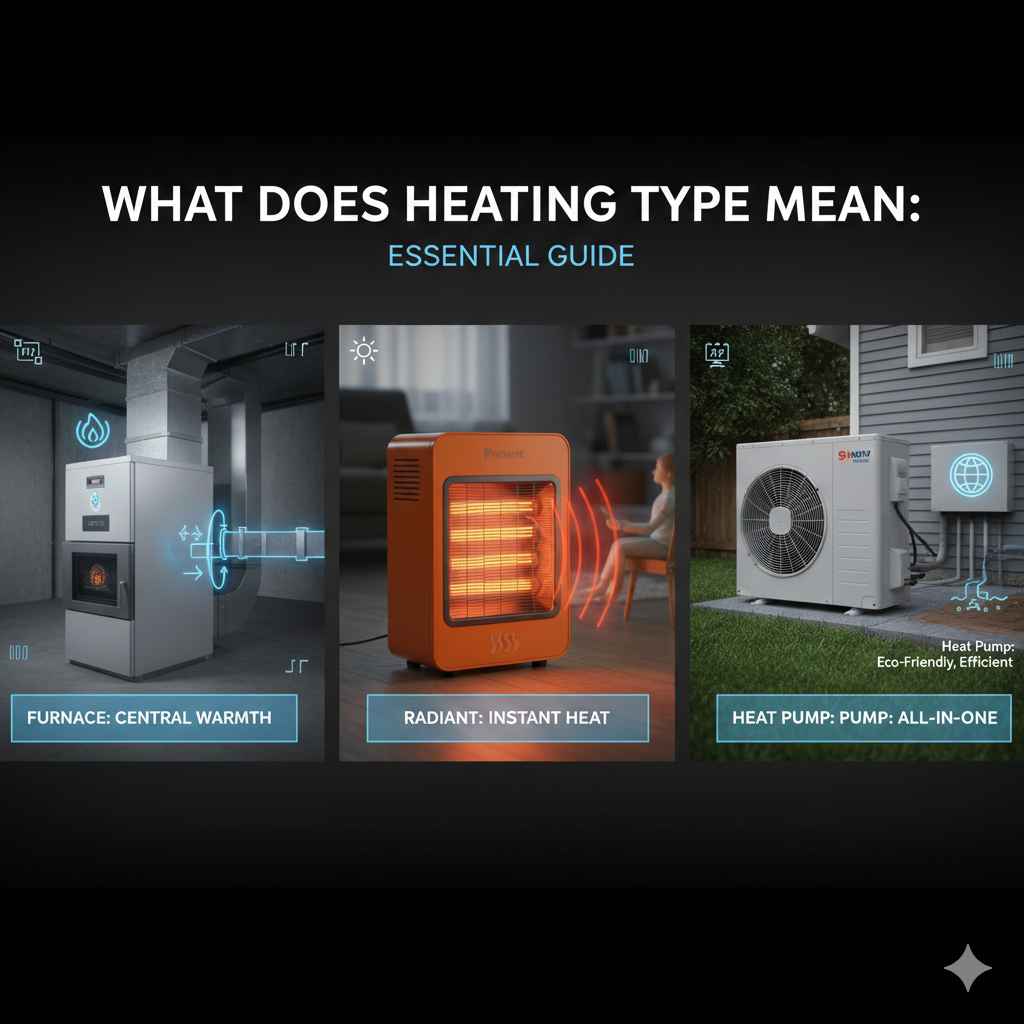
What does heating type mean? Heating type refers to the fundamental method your system uses to generate and distribute warmth throughout your home, such as forced air, radiant heat, or electricity. Understanding your heating type is essential for choosing the right fuel source, maximizing comfort, and saving money on energy bills. This guide will break down all the main types clearly and simply.
For a closely related heater topic, What Type of Portable Heater is : to Warmth gives readers a useful next step.
For a closely related heater topic, What Does Heating Type “Forced Air” Mean? A Simple gives readers a useful next step.
For a closely related heater topic, What Does Heating Type “Heat Pump” Mean? Explained Simply gives readers a useful next step.
Choosing a heater or understanding your home’s current setup can feel confusing. You hear terms like “furnace,” “boiler,” or “heat pump,” and it’s easy to feel overwhelmed. That’s perfectly normal! What does heating type mean in everyday terms? It simply describes how your heat is made and moved around your house.
Don’t worry about complex engineering talk. As Tanim, your trusted home heating guide, I’m here to make this simple, safe, and practical. We will walk through every common heating type step-by-step. By the end of this article, you will confidently know the difference between systems and choose the best warmth for your comfort and budget. Ready to feel cozy?
What Does Heating Type Mean? The Simple Definition
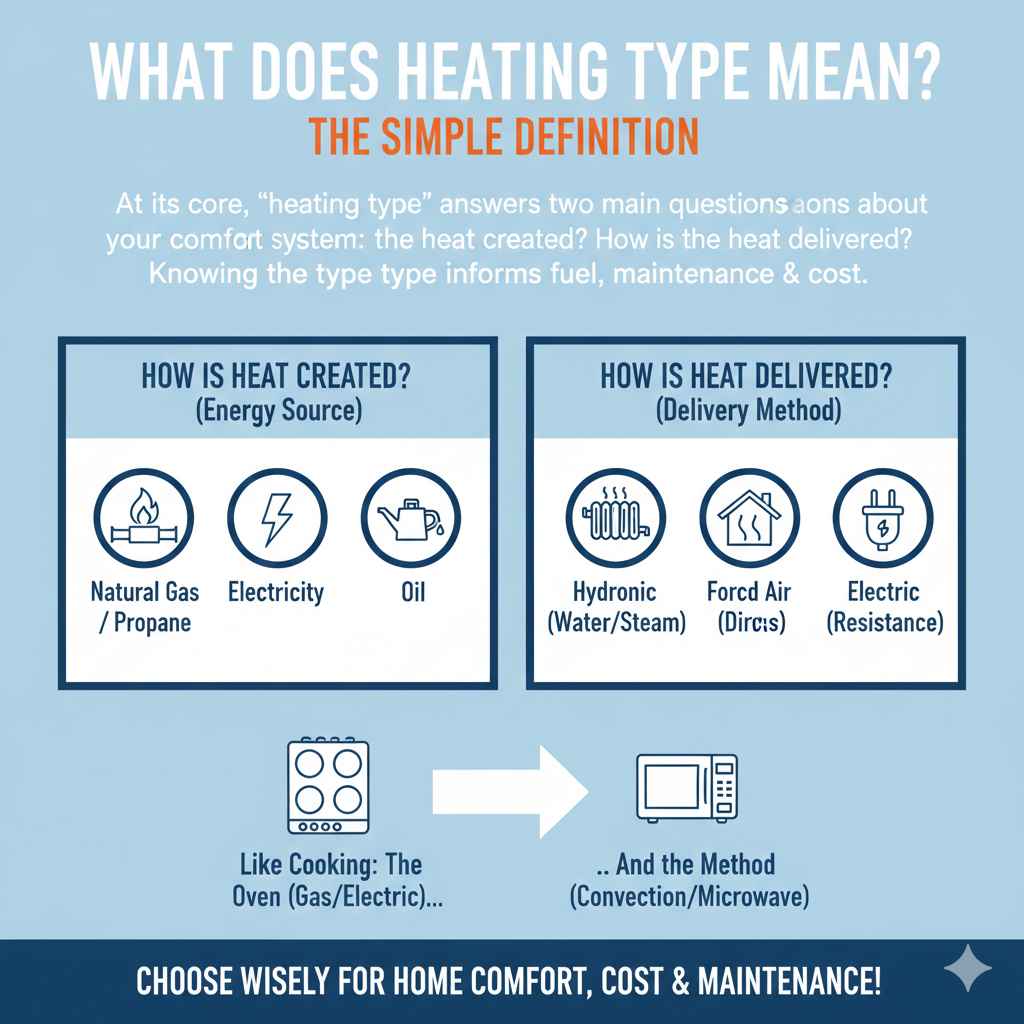
At its core, “heating type” answers two main questions about your comfort system:
- How is the heat created? (The energy source: natural gas, propane, oil, electricity, etc.)
- How is the heat delivered? (The delivery method: air blowing through ducts, hot water circulating through pipes, or direct electric resistance.)
Think of it like cooking. The “heating type” is both the oven you use (gas or electric) and the way the food gets warm (convection baking versus microwaving). In your home, knowing the type helps you know what fuel to buy, how much maintenance it needs, and how much warmth you can expect.
The Two Main Categories of Heating Systems
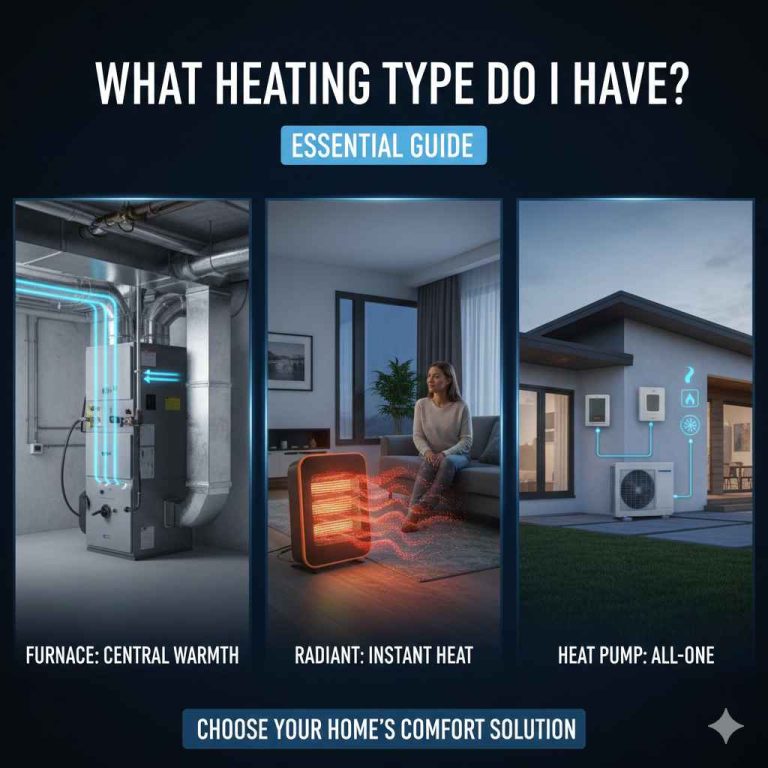
While there are many brand names, most home heating systems fall into two major buckets based on how they move the warmth:
1. Air-Based Heating Systems (Forced Air)
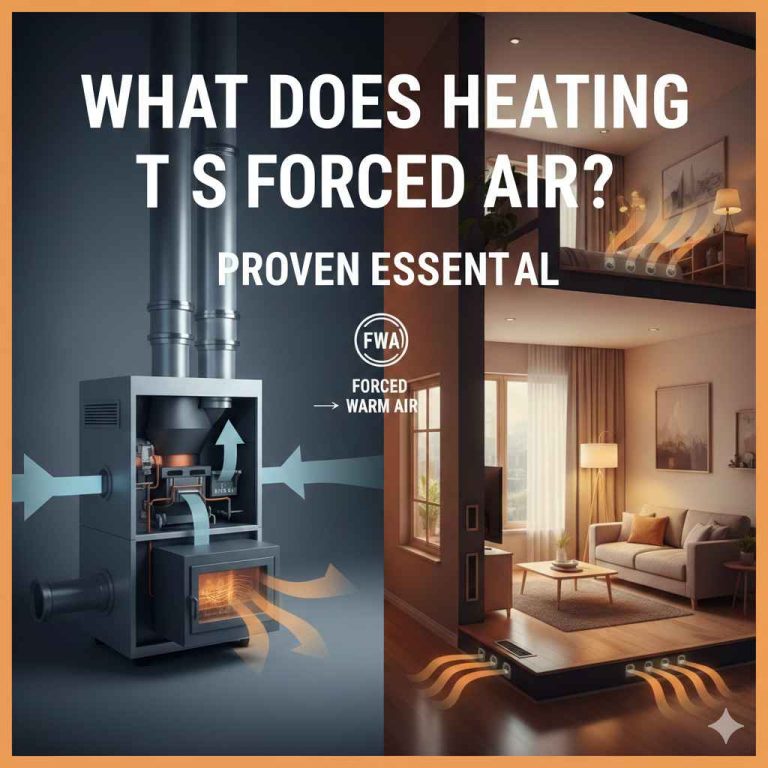
These are the most common systems in North America. They work by heating air in a central unit (usually a furnace) and then blowing that warm air through a network of ducts and vents into each room.
Key Characteristics:
- Distribution: Uses ducts and a blower fan.
- Speed: Heats up a space relatively quickly because air moves fast.
- Common Fuel Sources: Natural Gas, Propane, Oil, or Electricity.
2. Water or Steam-Based Heating Systems (Hydronic Heating)
Hydronic systems use a boiler to heat water (or create steam). This hot liquid is then pumped through pipes to radiators, baseboard heaters, or tubing hidden beneath floors.
Key Characteristics:
- Distribution: Uses pipes and water/steam.
- Comfort: Provides very even, gentle, steady heat that many people find very comfortable.
- Common Fuel Sources: Natural Gas, Oil, or Electricity.
Exploring the Major Heating Types in Detail
Now that we know the two main delivery methods, let’s dive into the specific heating types you will encounter when shopping for a new system or looking at your current setup. We will focus on the fuel source and delivery method together.
1. Natural Gas or Propane Furnaces (Forced Air)
A furnace is the engine of a forced-air system, often powered by natural gas (connected via a utility line) or propane (stored in an outdoor tank).
How They Work:
The fuel burns inside a combustion chamber, heating a metal component called a heat exchanger. Air is pulled in from the house, blown across the hot heat exchanger, gets warm, and then travels through the ductwork to heat your rooms. Safety is key here; a good furnace ensures that combustion fumes never mix with the breathable air.
Pros and Cons Table:
| Pros (Why People Love Them) | Cons (Things to Watch For) |
|---|---|
| Fast heating and high efficiency when using natural gas. | Requires ductwork; installing ducts in older homes can be expensive. |
| Relatively low operating costs where natural gas is available. | Can dry out the air and distribute dust if filters aren’t changed regularly. |
| Durable and long lifespan (15–20 years). | Requires annual professional inspection for safety. |
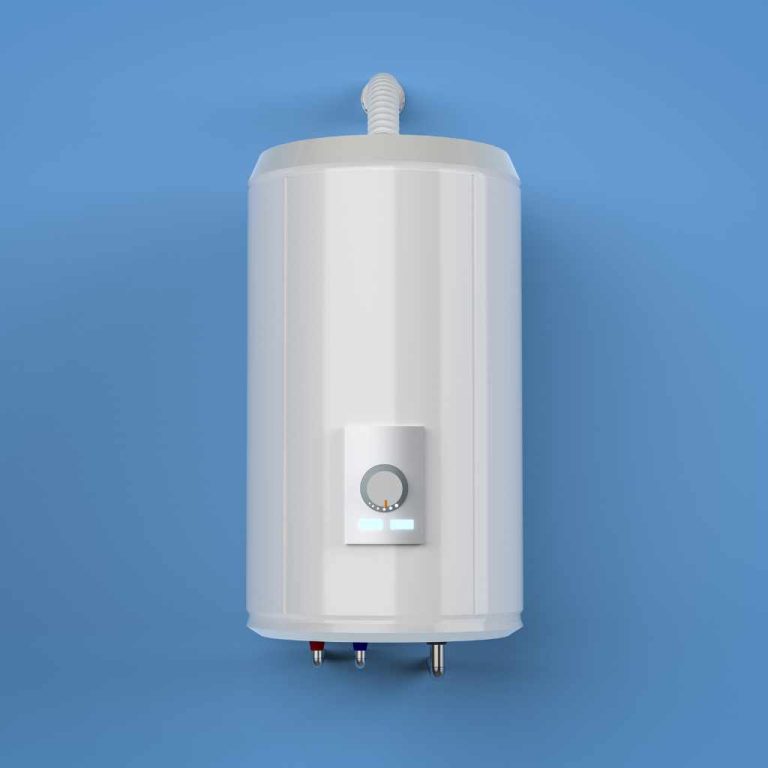
2. Boilers (Hydronic Systems)
Boilers are the heart of radiant heating. They do not use air ducts. Instead, they heat water, which circulates through sealed pipes.
Steam vs. Hot Water Boilers:
- Hot Water Boilers: Heat water and pump it to baseboard radiators or in-floor tubing. This is the most common modern boiler type.
- Steam Boilers: Heat water until it turns to steam, which rises to radiators. These older systems often make a distinct clanking sound.
For detailed efficiency ratings on modern heating appliances, you can often check resources provided by the U.S. Department of Energy for helpful efficiency standards.
Why Homeowners Choose Boilers:
Many people prefer the comfort of radiant heat. It warms objects and surfaces, not just the air, leading to a very even, draft-free warmth that stays cozy longer after the boiler turns off.
3. Heat Pumps (Air-Source and Geothermal)
Heat pumps are unique because they don’t technically create heat; they move it. They use electricity to transfer existing heat energy from one place to another.
Air-Source Heat Pumps:
These act like an air conditioner running in reverse. In winter, they pull latent heat from the outside air (even when it’s cold!) and move it inside. In summer, they reverse the process to cool your home.
Geothermal (Ground-Source) Heat Pumps:
These use the stable, moderate temperature of the earth via underground loops to exchange heat. They are incredibly efficient but have a very high upfront installation cost.
Advantages of Heat Pumps:
- Two-in-One: Provides both heating and cooling, meaning one system handles all seasons.
- Efficiency: They are often far more energy-efficient than electric resistance heating because they move heat rather than generate it from scratch.
- Safety: Since there is no combustion (burning fuel), they are inherently safer regarding carbon monoxide risk.
4. Electric Resistance Heating
This is the simplest heating type. It uses electricity to heat a resistive element, much like a toaster or an electric stovetop burner. This heat then radiates directly into the room.
Examples Include:
- Baseboard electric heaters.
- Portable electric space heaters.
- Electric furnaces (which use electric coils instead of gas burners).
When Is Electric Resistance Used?
It is often used for supplemental heating (like a space heater in a cold basement office) or in homes that lack access to natural gas lines. While the equipment itself is cheap, the operational cost is usually high unless electricity rates are very low where you live.
5. Oil Furnaces and Boilers
These systems work exactly like their gas counterparts (forced air or hydronic), but they burn heating oil stored in a large tank on your property.
Important Considerations for Oil:
Fuel oil needs to be delivered and stored. You must monitor your tank level, similar to managing propane. While newer oil units are cleaner, they generally produce more emissions than gas systems and often have higher operational costs.
Understanding Fuel Types vs. Heating Types
It’s easy to mix up the fuel source (what you pay for) with the heating type (how it’s delivered). Let’s clear that up:
| Heating Type (Delivery Method) | Common Fuel Sources |
|---|---|
| Forced Air (Furnace) | Natural Gas, Propane, Oil, Electricity |
| Hydronic (Boiler/Radiators) | Natural Gas, Propane, Oil, Electricity |
| Heat Pump | Electricity (Ground or Air Source) |
| Ductless Mini-Split | Electricity |
For example, your neighbor might have a “Natural Gas Forced Air Furnace,” while you have an “Electric Baseboard” heating type. Both are different because of the fuel and delivery!
How to Identify Your Home’s Current Heating Type (A Simple Check)
If you just moved in or inherited a system, here is how Tanim suggests you quickly figure out what you have:
Step 1: Look for the Vents or Radiators
- If you see metal baseboards, cast iron radiators, or vents that look like finned pipes: You most likely have a Hydronic (Boiler) System.
- If you see metal registers (vents) on the floor, wall, or ceiling that blow air: You have a Forced Air (Furnace) System.
- If you have a wall-mounted unit or a standalone box, and you feel cool air coming out in summer and warm air in winter: You might have a Heat Pump.
Step 2: Locate the Central Unit
Head to your basement, crawlspace, or utility closet to find the main machinery. Look for these clues:
- If you see a large metal box with thick tubes or a chimney exhaust nearby: It is almost certainly a Furnace (burning gas, oil, or propane).
- If you see a tank-like unit connected to pipes going into the floor/walls: This is your Boiler.
- If you see an outdoor compressor unit connected to indoor air handlers (often with no chimney): This points toward a Heat Pump.
Step 3: Check Your Bills and Connections
Review your utility bills. Do you see charges for natural gas or propane delivery? If yes, your primary heating system likely uses one of those fuels. If your bill only lists electricity usage for heating, you are using electric resistance or a heat pump.
Why Knowing Your Heating Type Matters for Comfort and Cost
Understanding what heating type you have isn’t just trivia; it directly impacts your daily life and your wallet.
Comfort Consistency
Forced air systems (furnaces) heat quickly but can feel patchy—warm when the furnace is running, slightly cooler when it’s cycling off. Hydronic systems (boilers) heat slowly but maintain a much steadier, deeper warmth.
Maintenance Needs
Different types need different care. A furnace needs regular filter changes (a simple DIY job!) and annual combustion safety checks. A boiler needs checks on water pressure and may need its piping flushed periodically. If you are interested in DIY filter maintenance for forced-air systems, check manufacturer guidelines for best practices.
Energy Efficiency and Environmental Impact
Modern high-efficiency gas furnaces (rated 90% AFUE or higher) are very efficient at converting fuel to heat. However, electric heat pumps, which simply move existing heat, often boast equivalent or better efficiency ratings when measured by the amount of heat delivered per unit of electricity consumed.
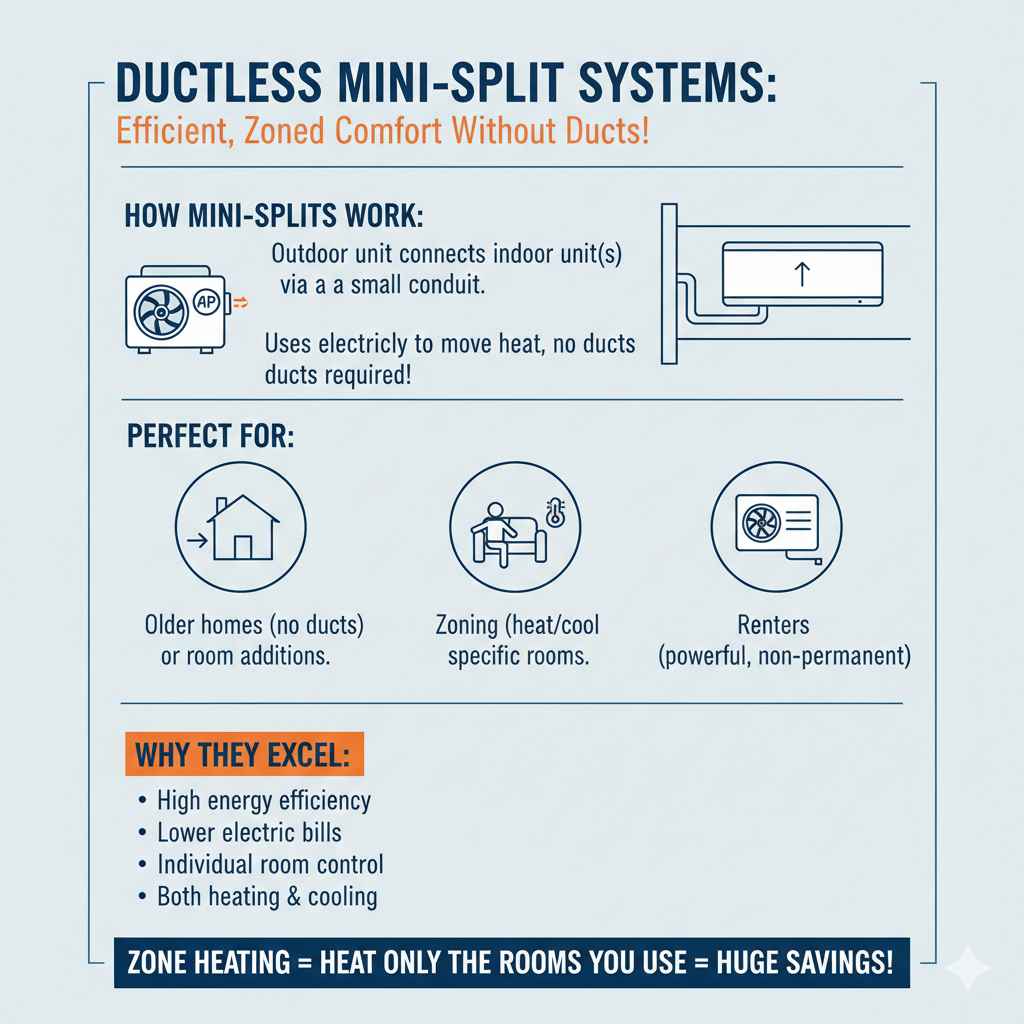
Ductless Mini-Split Systems: A Modern Heating Type
Ductless mini-splits have rapidly gained popularity. They are essentially ductless heat pumps designed to heat and cool specific zones in your home.
How Mini-Splits Work:
They consist of an outdoor unit connected via a small conduit (pipe) to one or more indoor wall-mounted units. They use electricity to move heat, just like a central heat pump, but they bypass the need for expensive ductwork.
Perfect For:
- Older homes where installing ducts is impossible.
- Room additions or garages that need independent temperature control.
- Renters looking for a powerful, non-permanent heating/cooling solution.
These systems excel at zoning—meaning you only pay to heat the rooms you are actively using. This level of control is excellent for energy saving.
FAQ: Beginner Questions About Heating Types
Q1: Which heating type is the cheapest to run monthly?
Generally, the cheapest heating type to run is the one using the lowest-cost fuel source available in your area. If you have access to inexpensive natural gas, a high-efficiency gas furnace or boiler is often the most affordable choice. If you live somewhere with high electricity costs, electric resistance heat will be expensive. Heat pumps are often competitive because they move heat so efficiently.
Q2: Can I change my heating type from a furnace to a boiler?
Yes, you can, but it is a major renovation project. Changing from forced air to hydronic heat means removing all the ductwork and installing new piping and radiators or in-floor tubing, which is costly. It is usually easier to upgrade your existing furnace or boiler to a newer, more efficient model of the same type.
Q3: What is AFUE and why should I care?
AFUE stands for Annual Fuel Utilization Efficiency. It is a percentage that tells you how efficiently your furnace or boiler converts fuel into usable heat. An 80% AFUE furnace wastes 20% of the fuel up the chimney. A 95% AFUE unit only wastes 5%. Always look for the highest AFUE rating you can afford when replacing fuel-burning equipment.
Q4: Are radiant floor heating systems (hydronic) better than baseboard radiators?
Radiant floor heating feels wonderfully luxurious because the warmth comes directly from the floor beneath you, making your feet warm first. Baseboard radiators heat the air which then rises. Both are excellent hydronic types, but in-floor systems require significant construction to install, while baseboard radiators are much easier to retrofit into existing homes.
Q5: Is using a portable electric heater safe to heat an entire room?
Portable electric heaters are great for spot warming (like heating your toes under a desk), but they are not recommended as the primary heat source for an entire room or home. They can strain your electrical circuits, and you must ensure they have tip-over protection and are kept far away from flammable materials to maintain home safety.
Q6: What is the difference between a Heat Pump and a Furnace?
A furnace burns fuel (like gas) to create heat. A heat pump uses electricity to transfer existing heat energy from outside to inside. A furnace only heats; a heat pump provides both heating and cooling.
Making the Right Choice for Your Home
You now have a clear understanding of what heating type means—it defines how your warmth is born and how it travels to you. Whether your home relies on the whoosh of forced air from a gas furnace, the steady glow of water circulating through a boiler, or the modern efficiency of an electric heat pump, acknowledging your system’s type is the first step toward managing it well.
For homeowners concerned with comfort, an inspection might reveal that adding a humidifier to your forced-air system or ensuring your boiler radiators are bled regularly can make a world of difference. For those prioritizing savings, understanding your fuel source allows you to shop rates or budget for efficiency upgrades like moving from an old 60% AFUE furnace to a new 96% model.
Remember, Tanim’s goal is to make your home cozy, safe, and affordable. Don’t let confusing terms stop you from optimizing your warmth. Take a moment this week to look at your main heating unit. You now know exactly what you are looking at. Armed with this knowledge, you are ready to talk to contractors, change filters, and ensure your home stays perfectly warm all year long. Cozy living starts with knowing your heat!