
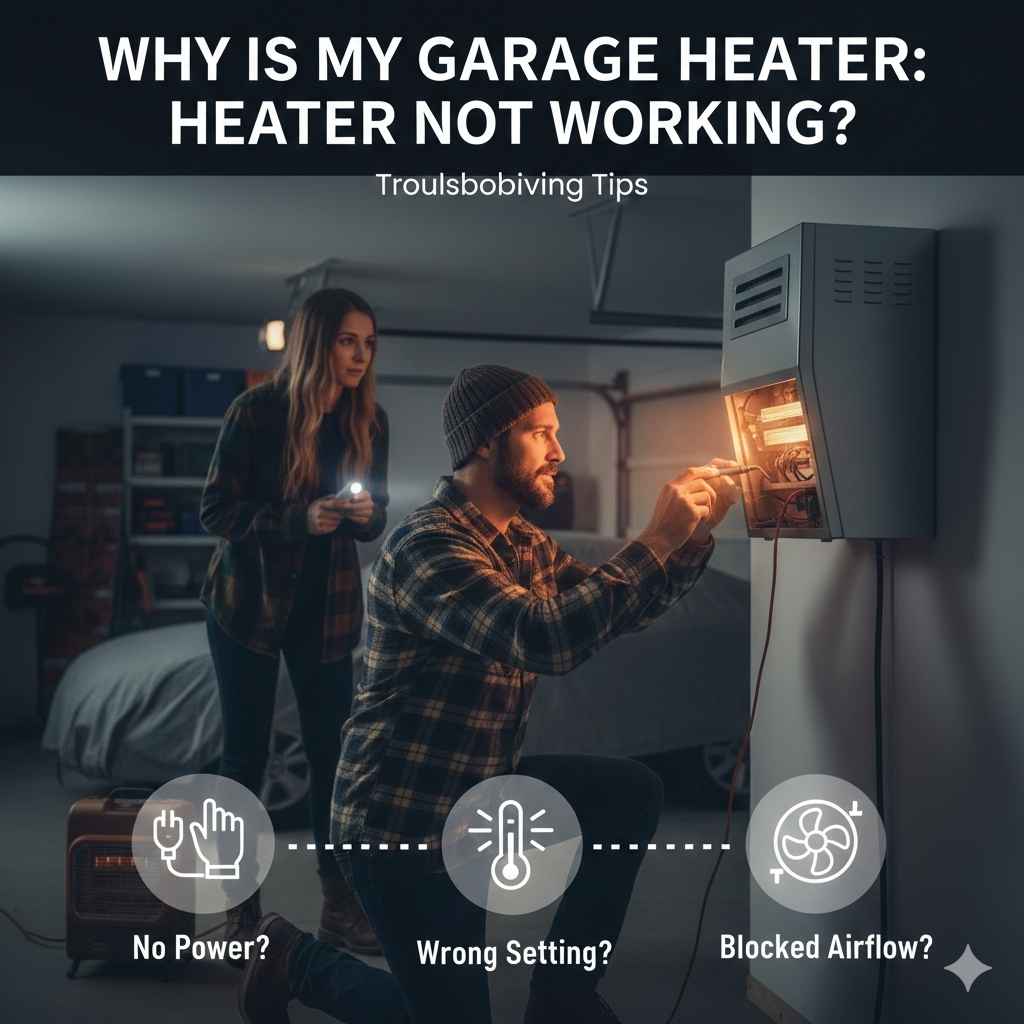
Having trouble with your garage heater? It’s pretty common! Many people experience issues when their garage heater won’t turn on. Figuring out Why Is My Garage Heater Not Turning On? can seem tricky at first. But don’t worry, we’re here to help! We’ll break down the most likely causes and provide easy, step-by-step solutions to get your garage warm again. Ready to troubleshoot?
Checking the Basics for Your Garage Heater
Before jumping into complicated fixes, let’s look at the easy stuff. Sometimes, the solution is as simple as a flick of a switch or a quick check. We’ll start with the most obvious things, like power supply and thermostat settings. Addressing these often-overlooked details can save you time and prevent unnecessary repairs. It’s always best to eliminate the simple possibilities first before moving on to anything more involved.
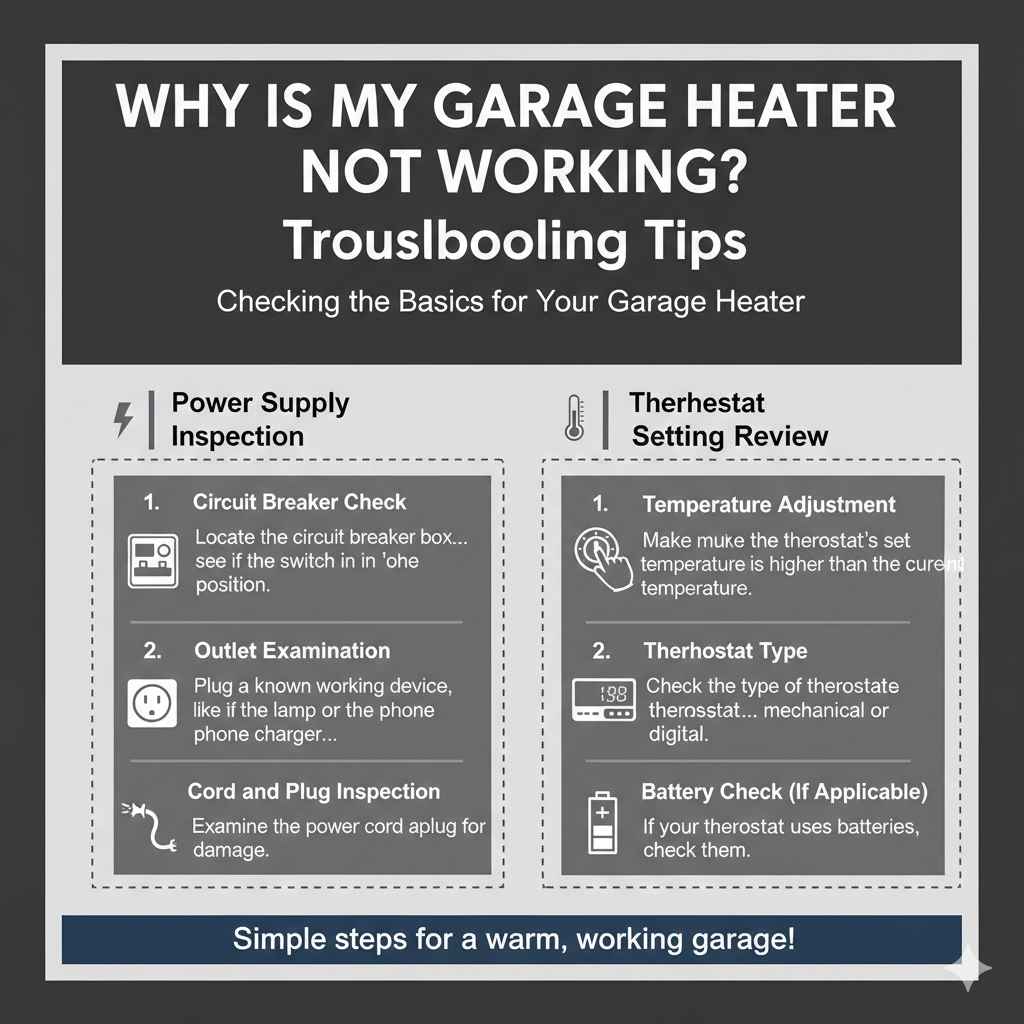
Power Supply Inspection
The first thing to check is the power source. Ensure your garage heater is receiving power. This seems obvious, but it’s a frequent problem. Check the circuit breaker to see if it has tripped. If the breaker has tripped, reset it. If it trips again immediately, there’s likely an electrical problem that needs professional attention. Also, verify the electrical outlet. Use a different appliance to test the outlet; if that appliance doesn’t work either, the outlet itself may be faulty.
Circuit Breaker Check: Locate the circuit breaker box. The breaker controlling the garage heater might be labeled “heater,” “garage,” or something similar. Check to see if the switch is in the “on” position. If it’s in the middle, it has tripped. Switch it to the “off” position and then back to “on.”
Circuit breakers are safety devices. They cut off the power supply if there’s an electrical overload or a short circuit. If the breaker trips repeatedly, there’s likely a problem within the heater or the electrical wiring connected to it.
Outlet Examination: Plug a known working device, like a lamp or phone charger, into the same outlet the heater uses. If the device also doesn’t work, there may be a problem with the outlet itself. In that case, you might need to call an electrician.
Electrical outlets can fail over time. Loose wiring or internal damage can prevent the outlet from delivering power. Always be careful when dealing with electrical outlets and consider calling a professional to replace a faulty outlet.
Cord and Plug Inspection: Examine the power cord and plug for any damage. Look for cuts, frays, or loose connections. If you find any damage, do not use the heater. Instead, replace the power cord or the heater immediately.
A damaged power cord poses a safety risk, including electrical shock or fire. A loose connection can cause the heater to malfunction or to not work at all.
Thermostat Setting Review
The thermostat regulates the heater’s operation. Make sure the thermostat is set correctly. The setting should be higher than the current room temperature for the heater to turn on. Sometimes the thermostat may be set incorrectly or unintentionally changed. Also, make certain the thermostat has fresh batteries, if it uses batteries. A low battery could affect its performance.
Temperature Adjustment: Make sure the thermostat’s set temperature is higher than the current temperature in your garage. If the garage is already warmer than the thermostat setting, the heater won’t activate.
Digital thermostats may require you to press a button to raise the temperature. Some thermostats have separate settings for different times of day, so check these as well.
Thermostat Type: Check the type of thermostat. A simple mechanical thermostat may need adjustment by turning a dial. If you have a digital thermostat, make sure it’s turned on and displaying the correct settings.
Different thermostats have various interfaces and functions. Digital models often provide more control but may be complex for some users.
Battery Check (If Applicable): If your thermostat uses batteries, check them. Low batteries can cause the thermostat to malfunction, preventing the heater from turning on. Replace the batteries as needed.
Battery failure is a common cause of thermostat problems. Regularly checking and changing the batteries in your thermostat will help prevent issues.
Common Problems and Solutions for Your Garage Heater
Beyond the basics, several other issues could be causing the problem. These often relate to internal components and the heater’s operation. We’ll delve into these more complex areas and provide solutions to help pinpoint the source of the problem. You might require certain tools or a professional for some tasks, depending on your comfort level with electrical work and appliance repair.
Ignition System Failures
Many garage heaters use an ignition system to start the heating process. This system might use a pilot light or an electronic igniter. If the ignition system fails, the heater won’t start. This issue is common in gas-powered heaters, and it often occurs because of a dirty pilot light, a broken igniter, or issues with gas supply.
Pilot Light Problems (Gas Heaters): If your heater uses a pilot light, make sure it’s lit. A pilot light that’s gone out won’t ignite the main burner. Check to see if there is a gas supply to the pilot light, and if not, call a professional.
A pilot light could be extinguished by a draft, a blocked gas line, or a faulty gas valve. Relighting the pilot light often resolves this issue.
Electronic Igniter Issues: Electronic igniters use a spark to start the heating process. If the igniter is not working, the heater will not start. Check to see if the igniter is producing a spark. If not, the igniter may need replacing, which a professional should handle.
Electronic igniters are prone to failure over time. You might hear a clicking sound but see no spark. Replacement can often fix this issue.
Gas Supply Concerns: If the heater runs on gas, verify that the gas supply is functioning correctly. Check the gas valve and make sure it is open. If the gas supply is blocked, the heater cannot operate.
A blocked gas line, a closed gas valve, or a problem with the gas regulator can all affect the gas supply. Contact a professional for assistance.
Airflow and Ventilation Concerns
Garage heaters require proper airflow and ventilation for safe and effective operation. Blocked vents or restricted airflow can cause the heater to overheat and shut down. Likewise, inadequate ventilation can lead to a buildup of dangerous gases, which will also prevent the heater from working. Making sure the airflow is correct will ensure that it operates effectively.
Blocked Vents: Examine the air vents on the heater for obstructions. Dust, debris, or other blockages can prevent proper airflow. Remove any blockages and clean the vents regularly.
Blocked vents can cause the heater to overheat, leading to a shutdown or even a safety risk. Keeping the vents clean is a simple but important maintenance step.
Restricted Airflow: Make sure there is adequate space around the heater. Avoid placing anything that may block airflow near the heater. Proper airflow ensures efficient operation and safe operation.
Heaters need space to draw in and expel air. Placing items too close can block airflow and cause problems.
Ventilation Problems: Some heaters require a proper ventilation system to exhaust fumes. Make sure that any vents or chimneys are not blocked. Problems with ventilation systems can be dangerous.
Heaters that don’t exhaust correctly can build up carbon monoxide, a dangerous gas. Regular ventilation system inspection will keep you safe.
Investigating Electrical Components in Your Garage Heater
Electrical issues can be difficult to diagnose. However, certain components are common culprits when a garage heater fails to function. These include the heating element, the blower motor, and various internal wiring elements. Before working on electrical components, always disconnect the power supply to the heater. If you’re not comfortable working with electricity, it is crucial to consult a qualified electrician.
Heating Element Examination
The heating element is the core of your heater’s functionality. It produces the heat by converting electrical energy. If the heating element burns out or fails, the heater will not work. You can check the heating element with a multimeter to ensure it is working correctly. However, working with the heating element could be challenging, and you may want to call a professional for this task.
Resistance Testing: You can test the heating element with a multimeter set to measure resistance (ohms). Disconnect the heater from the power and access the heating element. Place the multimeter probes on the element’s terminals. A reading that is either zero or very high indicates a problem.
The resistance value on a heating element should fall within a specific range. Checking the resistance value can let you know if the heating element has burned out and needs to be replaced.
Visual Inspection: Check the heating element for visible damage, such as breaks or cracks. Damage can indicate failure. However, do not operate the heater if there is visual damage.
Heating elements can wear out or be damaged over time, especially with frequent use. Any visible damage can indicate it will no longer function properly.
Element
Replacing a heating element requires care and attention to the manufacturer’s instructions to ensure proper functionality and safety.
Blower Motor Troubleshooting
The blower motor circulates air through the heater and the garage. This fan is necessary for distributing the heat. If the blower motor fails, the heater may not function or may overheat, which can also cause the heater to shut down. You can check the motor for power and functionality. Any motor-related issues can impact your heater’s performance. The repair or replacement of the motor may require an appliance professional’s attention.
-
- Motor Inspection: Check the blower motor for obstructions or damage. Remove any debris that blocks the fan blades. Check for any loose parts.
Debris or loose parts can stop the blower motor from running or can cause it to function poorly. Careful inspection and cleaning are essential.
-
- Electrical Checks: If the motor does not run, you can check it with a multimeter set to measure voltage. Disconnect the heater from the power and access the motor. Make sure the motor receives the correct voltage.
Electrical checks are very important to make sure the motor is receiving power. These checks also help to discover problems within the electrical system.
-
- Motor Replacement: If the blower motor is faulty, it will need to be replaced. Consult the heater’s manual for the correct replacement part and instructions. This is where you might need the help of a professional.
A faulty blower motor can stop the heater from operating. Replacing the motor requires the correct part and attention to the manufacturer’s directions.
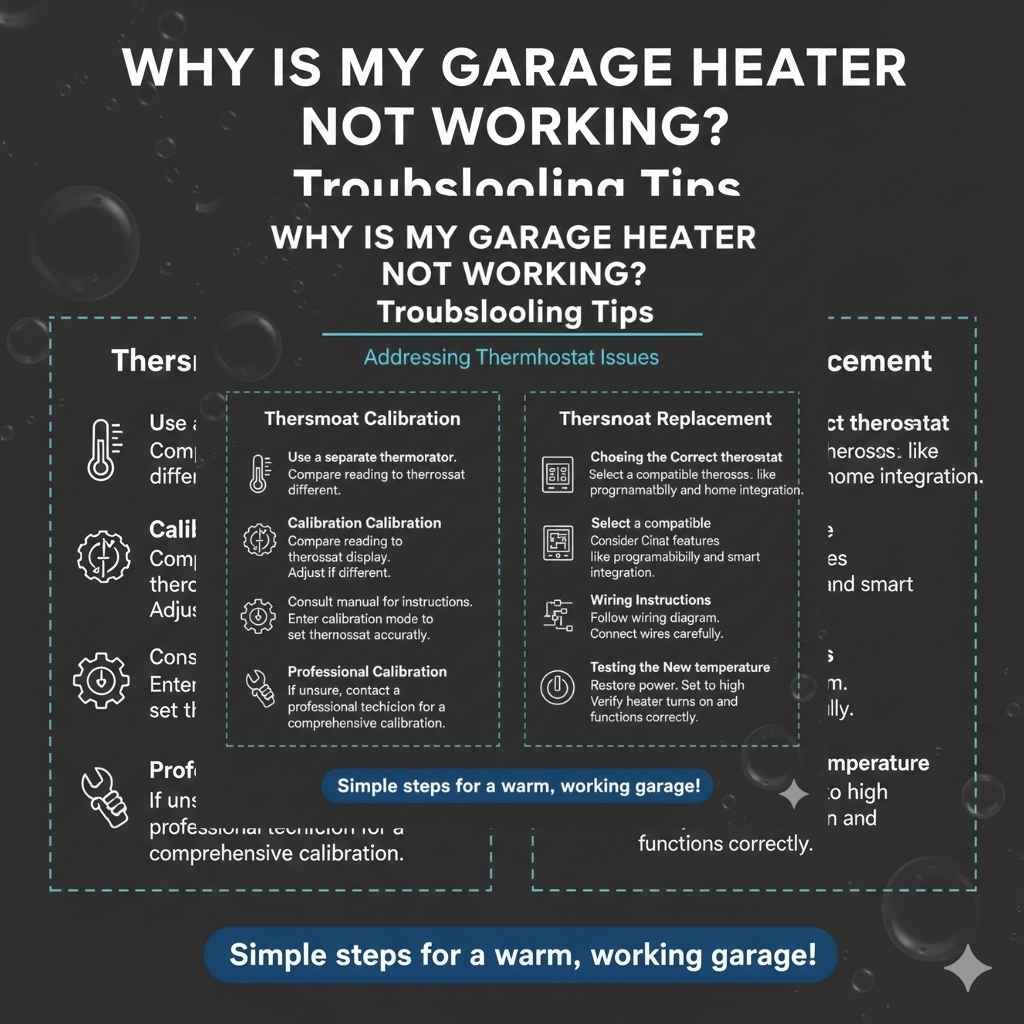
Addressing Thermostat Issues
The thermostat is the brain of your heater. It senses the temperature and controls the heat output. A malfunctioning thermostat can lead to several problems, including the heater not turning on, running constantly, or cycling on and off. Checking the thermostat and making sure it functions properly is important. Both digital and mechanical thermostats can fail and result in problems with the heating process.
Thermostat Calibration
Over time, thermostats may lose their calibration, meaning they might not accurately measure the temperature or respond correctly. If your heater seems to have a problem keeping the garage at the temperature you set, the calibration may be off. Calibration is crucial for making sure the heater functions correctly. Checking the calibration and adjusting if necessary, is an important step in troubleshooting.
-
- Temperature Verification: Use a separate thermometer to verify the temperature in the garage. Compare the reading to the temperature displayed on the thermostat. If there’s a significant difference, you might need to adjust the thermostat.
Comparing the thermostat reading to an independent thermometer provides insight into its accuracy. This also helps you pinpoint the problem when troubleshooting.
-
- Calibration Adjustments: Many thermostats allow for calibration adjustments. Consult the heater’s manual for instructions on how to calibrate the thermostat. The adjustments may involve entering a calibration mode and setting the thermostat.
Calibration adjustments allow you to correct minor errors in the thermostat’s temperature readings. These steps make sure the thermostat functions accurately.
-
- Professional Calibration: If you are unsure how to calibrate the thermostat, or if the problem persists, contact a professional technician. A technician can perform a comprehensive calibration.
Professional calibration guarantees precision. Professional technicians have the tools and experience to resolve any thermostat issues.
Thermostat Replacement
If the thermostat is damaged or otherwise malfunctioning, replacing it might be necessary. Replacing the thermostat can resolve a range of issues. This could be a DIY project if you are comfortable with electrical work, or you might choose to hire a qualified professional. Before you begin, always turn off the power supply to the heater. Careful planning can ensure a safe and efficient replacement.
- Choosing the Correct Thermostat: Select aChoosing the correct
- Wiring Instructions: Carefully disconnect the wires from the old thermostat and connect them to the new one according to the manufacturer’s wiring diagram. Incorrect wiring can cause the heater to malfunction or to not work at all.
- Following the wiring diagram makes certain the new thermostat will function correctly and without any electrical safety issues. Take your time and make sure each wire is connected to the right place.
- Testing the New Thermostat: After installing the new thermostat, turn the power back on and test the heater. Set the thermostat to a higher temperature than the current garage temperature to verify that the heater turns on and functions correctly.
- Testing the new thermostat guarantees it works properly. This step allows you to identify and fix any wiring or functionality problems.
Frequently Asked Questions
Question: Why is my garage heater not blowing any air?
Answer: The blower motor might have failed or an obstruction is present. Examine the blower motor for any blockages and confirm it’s getting power.
Question: How do I know if my heating element is bad?
Answer: If the heater doesn’t produce heat, examine the heating element for visible damage or test it with a multimeter to measure resistance.
Question: My gas garage heater won’t light. What should I do?
Answer: Check the gas supply, pilot light, and electronic igniter. Relighting the pilot light or replacing the igniter could resolve the issue.
Question: Can I fix my garage heater myself, or should I call a professional?
Answer: Basic checks and minor repairs can often be done yourself. However, for complex electrical issues or gas appliance repairs, call a qualified professional.
Question: My heater turns on, but then shuts off quickly. What could be wrong?
Answer: This could be because of a tripped limit switch due to overheating. Check the airflow, ventilation, and the heater’s vents for blockages.
Final Thoughts
Dealing with a garage heater that won’t turn on can be frustrating, especially when it’s cold outside. However, by carefully working through these steps, you can often identify the root cause. Start with the basics—check the power supply, thermostat, and any other obvious details. Investigate potential problems, like gas supply issues or a faulty heating element. Don’t forget safety.
If you’re not comfortable working with electricity or gas appliances, be sure to call a professional. Following these troubleshooting tips can help you restore warmth to your garage, allowing you to get back to your projects or other activities. With a bit of patience and attention, you can get the garage heater working and enjoy a more comfortable space.
Last Updated on January 14, 2026 by Tanim