Are Electric Heaters Safe in Humid Rooms? Room-by-Room
Electric heaters are generally considered safe in humid rooms only when the outlet, cord, plug, and heater stay dry, with no splash, condensation on the unit, or wet floors; bathrooms, showers, and other wet locations are usually off-limits unless the heater is listed for that exact use in its manual and on its rating label. That caution lines up with manufacturer instructions, UL/ETL listing basics, NEC/GFCI guidance near water, and IP-code limits. Breaking the rule can cause shock, fire, corrosion, or a tripped circuit. This guide breaks down room-by-room moisture risk and gives clear stop-use rules you can apply right away.
Moisture risks in humid rooms
Yes, but only in some humid rooms. A dry, ventilated basement or bedroom with a humidifier is a different risk from a bathroom with a wet floor or a laundry area with steam and splash exposure. The line is simple: damp air may be acceptable; contact with water is not.
What moisture does to a heater
An electric space heater uses resistance heat, so the heating element warms up when current passes through it. Moisture can damage internal parts, corrode terminals, and get into the fan, switch, or control board. If water reaches live parts, shock and failure risk rises fast. Manufacturer manuals commonly exclude bathrooms, wet floors, and splash zones for that reason, and CPSC/ESFI guidance on electric shock prevention near water stresses keeping appliances dry and away from water sources.
Placement matters too. A heater that tips, sits on a damp mat, or rests near a leak can pull in moisture through vents and openings. Even if the case looks dry, internal moisture ingress can create hidden damage before the unit fails.
Condensation, wet floors, and splash exposure
Humid room means more than “the air feels sticky.” It usually means high ambient moisture, condensation risk on cold surfaces, and sometimes splash exposure from sinks, tubs, washer hoses, or floor cleaning. Those conditions can put moisture on the cord, plug, legs, or housing.
Wet floors are different from damp air. A room can feel muggy and still be acceptable for a listed indoor heater. A room with puddles, dripping fixtures, or frequent splash zones is not.
Why cords, plugs, and vents matter
Moisture on a cord or plug can create a shock path, especially if the outlet area is also damp. Clogged vents are a separate hazard because lint, dust, and corrosion can block airflow and push the heater toward overheating. Damaged cords or cracked insulation are stop-use conditions.
Keep the unit where air can move around it and where hands, mop water, and laundry steam are unlikely to hit it. If you need to route the cord across a room with moisture, that is usually a sign the heater is in the wrong place.
How to read heater ratings
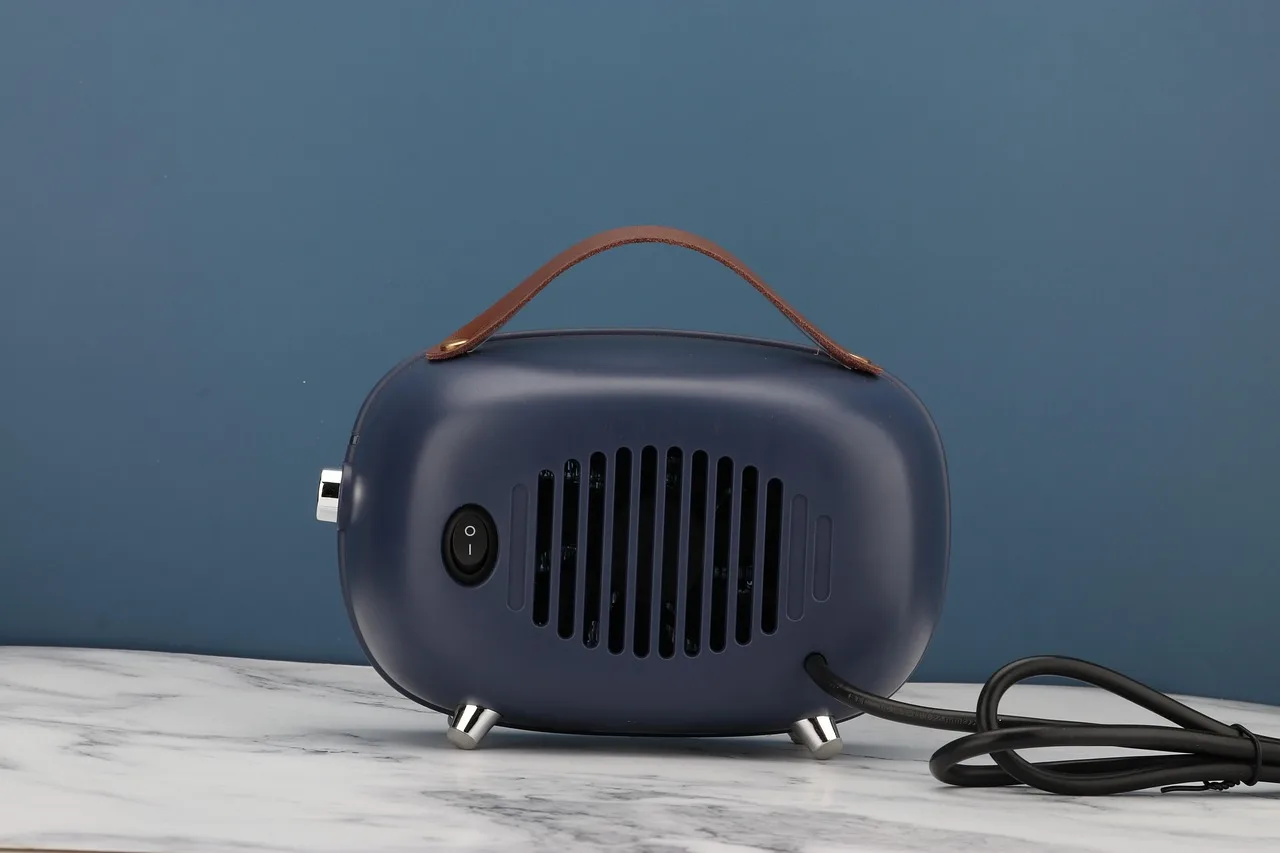
Check the label and manual before you plug in the heater. Look for a UL listing or another recognized safety certification, confirm that the appliance is marked for indoor use, and make sure the manufacturer does not exclude damp or wet locations. If the manual is vague, treat that as a limit, not an invitation. UL/ETL-style listings mean the product was evaluated to a safety standard, but they do not override the room-use limits printed by the manufacturer.
UL listing and indoor-use labels
UL certification tells you the product was evaluated to a safety standard, but it does not mean every room is fair game. The label and manual should say whether the heater is for indoor use only and whether it can tolerate damp locations. If the paperwork excludes bathrooms or wet areas, do not override it. A listing is a product-safety claim, not a blanket approval for water exposure.
What an IP rating tells you
An IP rating compares resistance to dust and water ingress under IEC 60529. Higher numbers can mean better resistance to dust or splashing, depending on the code, but an IP rating by itself does not make a portable space heater appropriate near tubs, showers, sinks, or a wet floor. Use the IP code as one filter, then still check the label, manual, and room conditions.
Why a GFCI outlet is not enough
A GFCI outlet adds ground-fault protection near water sources, and that is useful. It is not a substitute for the heater’s own moisture rating, proper placement, or a dry floor. A GFCI can reduce shock risk after a fault starts; it does not make a wet-location heater safe. NEC guidance and ESFI/CPSC consumer advice treat GFCI as added protection, not permission to use an unlisted appliance in a wet area.
Humid room safety matrix
| Room type | Moisture level | Acceptable heater use | Required protections | Stop-use red flags |
|---|---|---|---|---|
| Bathroom | Highest-risk humid indoor room; splash and condensation common | Usually no for portable heaters unless the manual and rating allow that exact location | Keep far from tubs, showers, sinks, and wet floors; use only where the label allows; outlet protection may help but does not change the room rating | Steam on the housing, wet hands near controls, puddles, or any heater placed within splash range |
| Laundry room | Steam, lint, and water-source proximity | Sometimes acceptable if dry, ventilated, and separated from washer, utility sink, and hose connections | Clear airflow, regular lint removal, dry floor, and careful cord routing | Visible lint buildup, damp cord, washer leaks, or repeated shutoffs |
| Basement | Can be damp or condensation-prone | Often acceptable after moisture is controlled and the room is dry at the heater | Check for corrosion, water intrusion, and floor dampness; dehumidification may come first | Mold smell, rust on outlets or baseboards, standing water, or a damp slab |
| Kitchen | Moderate humidity with splash and grease risk | Usually acceptable away from sink and cooking splatter | Keep clear of sink, dishwasher steam, and wet cleaning areas | Wet counter splash, sink spray, or a cord across a damp floor |
| Bedroom with humidifier | Usually mild to moderate ambient moisture | Often acceptable if the humidifier mist does not hit the heater | Separate the humidifier, keep the floor dry, and avoid aiming mist toward vents | Condensation on the heater or nearby window, or a damp rug under the unit |
| Garage-adjacent utility space | Variable; can include cold condensation and tracked-in water | Only if the area is dry, enclosed, and the heater is listed for indoor use there | Inspect for floor moisture, cold-surface condensation, and chemical storage nearby | Water on the floor, corrosion, or fumes from stored solvents |
Suppose a small laundry room has a portable electric heater operating beside damp towels and a steamy shower just finished. The heater can be acceptable if it sits on a dry floor, away from the mist stream, and the outlet area stays dry. Move the humidifier so its plume hits the heater, and the risk changes immediately.
Suppose a basement has a concrete floor with a faint damp patch after rain. That room is not ready for a portable heater until the moisture source is found and the floor is dry. Heating damp concrete does not fix the problem; it can hide it. The better first step is to address the leak, improve ventilation, or dry the space into a true dry, ventilated basement before putting a heater back in service.
Can you use a heater in a bathroom?
Bathrooms are the highest-risk humid indoor rooms. Many portable electric heaters are not allowed there at all, especially near tubs, showers, sinks, or any place where splash and condensation are normal. If the manual does not clearly allow bathroom use, keep the heater out.
Clearance from tubs, showers, and sinks
The heater needs separation from every water source, not just a small gap from the tub edge. Steam from a shower can condense on a unit that seems far enough away. Wet hands on controls, a wet tile floor, or a splash from the sink can all create a bad setup fast. Manufacturer bathroom exclusions exist because a bathroom is a wet-location environment, not just a humid one.
When to keep the heater out entirely
Keep the heater out if the bathroom has no dry floor space, if the outlet is near a sink or tub, or if the unit would sit in the path of steam. A GFCI outlet does not change that decision. If the label says “indoor use only” but not “bathroom,” treat that as a limit. In practical terms: no manual permission, no bathroom use.
What about laundry rooms and basements?
Laundry rooms and basements can be acceptable, but only after you check the moisture source. Laundry rooms bring steam, lint, and hoses. Basements can bring damp slabs, condensation, corrosion, and hidden leaks. These rooms need more inspection than a dry bedroom or living room. DOE and EPA guidance on humidity control also supports drying the space first when moisture is chronic or visible.
Steam, lint, and appliance clearances
In a laundry room, keep the heater away from the washer, utility sink, dryer vent, and any steam path. Lint can clog vents and reduce airflow, which raises heat buildup inside the unit. If the floor gets wet during wash cycles, the heater belongs somewhere else.
Basement dampness and water intrusion signs
Before heating a basement, look for rust on metal parts, peeling paint, water staining, musty odor, or visible seepage. These signs point to moisture intrusion, not a room that is ready for a heater. If the outlet, cord, or baseboard shows corrosion, stop using the heater there.
When dehumidifying comes first
If the basement feels damp enough to fog windows or leave cold surfaces wet, dry the room first. A dehumidifier or moisture repair may be the right first step. Heating the air alone may make the space feel drier, but it does not remove moisture from the room. DOE and EPA sources describe dehumidification and ventilation as the tools that actually lower indoor moisture, while heating only changes how the air feels.
Do electric heaters reduce humidity?
No. Electric heaters warm the air, but they do not remove moisture the way a dehumidifier does. The room may feel less clammy because warm air changes how dampness feels on your skin, yet the actual humidity level is still there unless moisture is removed from the air. That is why humidity control guidance from DOE, EPA, and ASHRAE-style comfort principles treats heat and moisture removal as separate problems.
Heat changes how damp air feels
Warm air can hold more moisture than cold air, so heating a room can reduce the feeling of chill and dampness. That effect is easy to mistake for drying. It is a comfort change, not a moisture-removal process.
Why heating is not dehumidifying
A heater does not collect water. It does not drain moisture, vent it outside, or condense it out of the air. If the room has a leak, poor ventilation, or repeated condensation, the heater can warm the problem without solving it.
Safer ways to lower moisture
Use exhaust fans where available, fix leaks, run a dehumidifier in damp rooms, and keep the heater away from sources of splash or steam. If the moisture problem keeps coming back, the room needs inspection before you keep heating it.
Humid-room heater safety checklist
- Check the manual and appliance label for indoor-use limits and any damp-location warnings.
- Make sure the floor, cord, plug, and outlet area are dry.
- Keep the heater away from tubs, showers, sinks, washer hoses, and mist from humidifiers.
- Look for a UL listing or another recognized safety certification on the unit.
- Use a GFCI outlet near water sources only as added protection, not as permission for wet use.
- Stop using the heater if you see moisture, corrosion, or repeated electrical trouble.
If the outlet trips, the wiring feels warm, or the room stays damp around the heater, stop using it and contact a qualified electrician before using it again. The fix may involve a damaged receptacle, a moisture-compromised outlet box, a failing circuit, or a hidden water intrusion issue that should be inspected before the heater goes back in service.
For a homeowner, the rule is simple: damp air can be acceptable, but wet contact is not. If the room has splash, standing water, condensation on the heater, or a cord that cannot stay dry, the answer is no until the room and electrical setup are corrected.
Final yes/no decision tree
Bathroom? No, unless the heater manual and rating explicitly allow that exact use.
Laundry room? Yes only if the floor is dry, the unit is away from steam and hoses, and lint is controlled.
Basement? Yes only if the space is dry at the heater and there are no signs of intrusion, corrosion, or standing water.
Kitchen? Yes only if it stays far from sink splash and wet cleaning areas.
Bedroom with humidifier? Yes only if mist cannot reach the heater and the floor stays dry.
Any room with puddles, wet floors, or a wet cord? No.
Frequently asked questions
How safe are electric heaters in humid rooms?
They are safe only in humid rooms that stay dry at the heater, plug, and floor. High humidity alone is not the main problem. Splash zones, condensation, wet hands, and poor placement are what turn a normal indoor heater into a shock and corrosion risk.
Can I use an electric heater in a bathroom or laundry room?
Bathrooms are the strictest case and often off-limits for portable heaters unless the unit is specifically rated for that use. Laundry rooms are sometimes acceptable if they stay dry, ventilated, and clear of steam and water sources. If the manual excludes wet areas, do not improvise.
What happens if moisture gets into a space heater?
Moisture can corrode internal parts, damage switches and wiring, block vents with residue, and create a shock path on the cord or housing. It can also trigger overheat protection or cause repeated shutoffs. If the heater shows rust, burning smell, or tripping, stop using it.
Which electric heaters are safest for damp indoor spaces?
Choose only heaters that are clearly listed for indoor use, have a recognized safety certification, and include a moisture rating that matches the room. Higher IP protection is better than lower protection, but it still does not make a heater safe in a wet location or on a wet floor.
How far should a heater be from water sources in a humid room?
Far enough that splashes, steam, and wet hands cannot reach it. There is no single safe distance for every room because tubs, sinks, laundry hookups, and humidifiers create different risk zones. If water can hit the heater during normal use, the placement is wrong.
What signs mean a heater is unsafe in a humid room?
Stop using it if the cord is wet, the outlet trips, the housing is cracked, vents are clogged, rust appears, the unit smells burnt, or it shuts off repeatedly. Those signs can point to moisture damage, airflow blockage, or an electrical fault that needs inspection.
Can an electric heater cause a shock hazard in a humid room?
Yes. Humid air plus moisture on the unit, cord, plug, or floor can raise shock risk, especially near sinks, tubs, leaks, or wet hands. A GFCI outlet helps reduce danger, but it does not make a wet location safe for a heater that is not rated for it.