Portable Heaters: Types, Safety, and Buying Guide
For most rooms, pick about a 1,500-watt electric portable heater with tip-over shutoff, overheat protection, and a thermostat; ceramic is often used for quick spot heat, oil-filled for quiet steady heat, and infrared for more direct warmth. Choose badly and you can end up with cold spots, extra noise, wasted electricity, or a heater that does not suit a sleeping area. This guide compares portable heater types by heat delivery, safety profile, and room use, then gives a practical buying checklist for bedrooms, offices, living rooms, and limited backup use.
How do you choose the right portable heater?
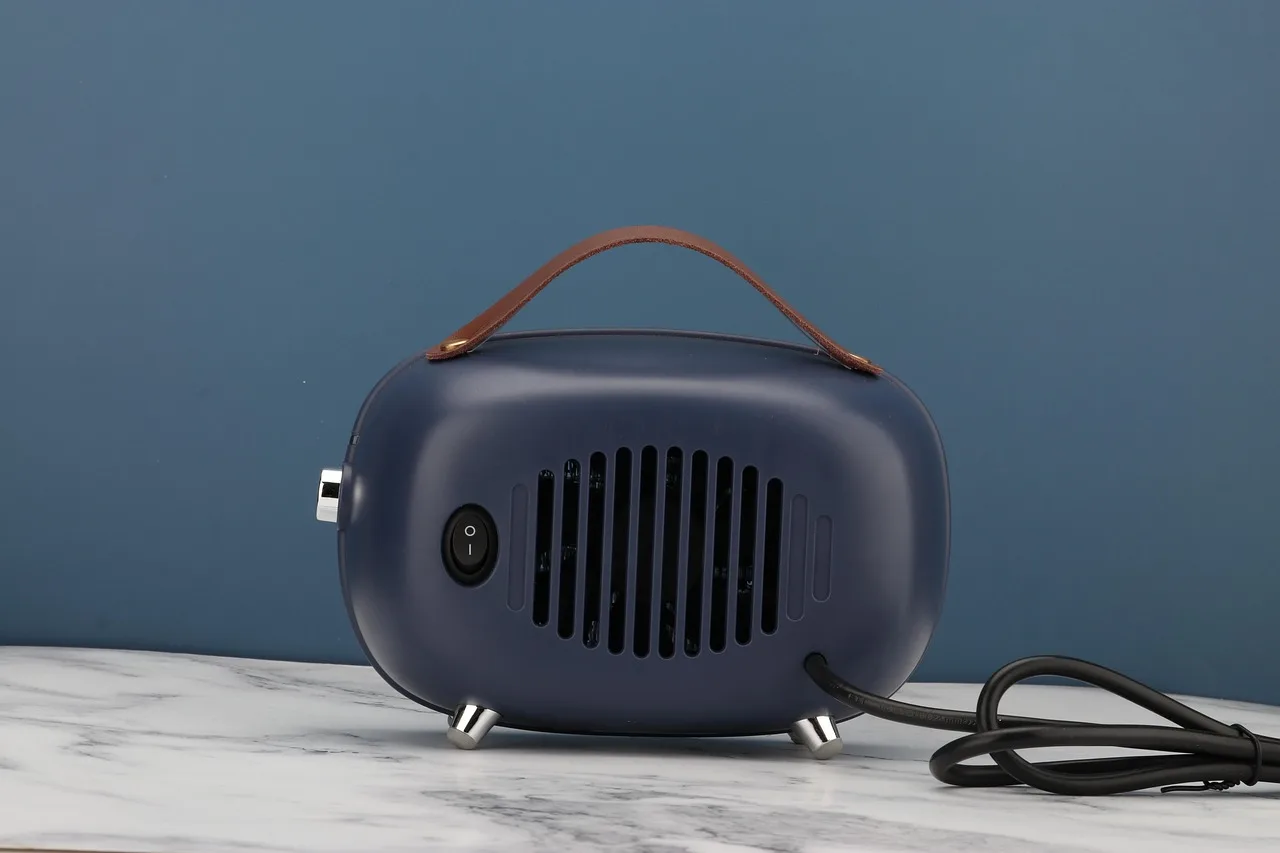
Start with the room and how you use it, then narrow the options by heat style and safety limits. A small office used for two hours needs a different heater than a bedroom occupied all night or a living room used all evening. Set the non-negotiables first: plug directly into a fixed wall receptacle, place it on a flat floor or other firm surface, maintain safe clearance, and choose the heater category that fits the space.
Start with room scenario, not heater type
The first split is simple: do you need fast warmth on demand, or slower whole-room heating that stays more even over time? Spot heat usually points to ceramic, fan, or infrared units. Longer sessions in enclosed rooms often point to oil-filled radiators or convection heaters.
Then ask how large the space is and whether the room stays occupied for long stretches. A small Dreo unit is aimed at spaces up to 200 sq. ft., while a larger PTC ceramic model is positioned for coverage up to 250 sq. ft. Those manufacturer targets help narrow the field, but placement and insulation still affect the outcome.
Match heat style to occupancy pattern
PTC ceramic and fan heaters suit intermittent use. They heat quickly, and some portable heaters use 1500W PTC ceramic heating. Infrared heaters feel warm quickly because they heat people and objects directly, so they can stay comfortable even when room air is cooler.
Convection heaters and oil-filled radiators fit longer runs better. They are slower to warm up, but they spread heat through room air more evenly. Oil-filled models also keep releasing heat after shutoff, which helps reduce temperature swings.
Picture a 120 sq. ft. home office used from 8 a.m. to noon. A ceramic tower heater warms it faster than an oil-filled radiator, but the radiator may fit better if fan noise starts to distract you after an hour.
Set non-negotiable safety limits before comparing features
Before comparing remotes, timers, or oscillation, rule out any heater that does not fit the room safely. Electrical Safety First recommends keeping heaters at least one metre from combustibles, and Sylvane advises at least three feet. In practice, that means keeping the heater clear of curtains, bedding, upholstered furniture, paper stacks, and pet beds.
Use the heater only on a hard, level surface where it cannot wobble, rock, or sink into carpet pile. Plug the heater directly into a permanent wall outlet, with no extension lead, power strip, splitter, or outlet tap in between. The same source says not to plug heaters into extension leads, and that same strict rule should apply to power strips and outlet splitters.
What are the main types of portable heaters?
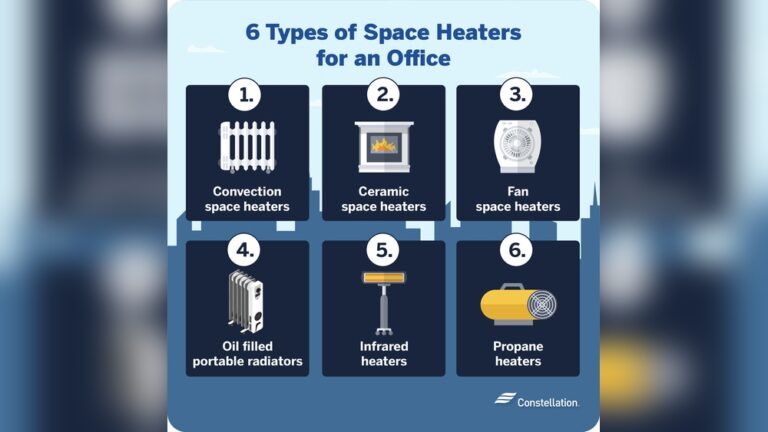
The main categories are PTC ceramic heaters, fan heaters, infrared heaters, convection heaters, oil-filled radiators, and propane radiant heaters. They differ less by brand than by heat delivery: fan-forced spot heat, radiant heat to people and objects, convection air heating, or fuel-fired radiant heat with ventilation demands.
PTC ceramic and fan heaters
PTC ceramic heaters are the default choice for many homes because they heat quickly, are widely sold in 1500W portable formats, and often include thermostatic control, overheat protection, and tip-over protection. One ceramic model offers thermostat control from 41–95°F in 1°F increments, which helps you avoid constant manual adjustment.
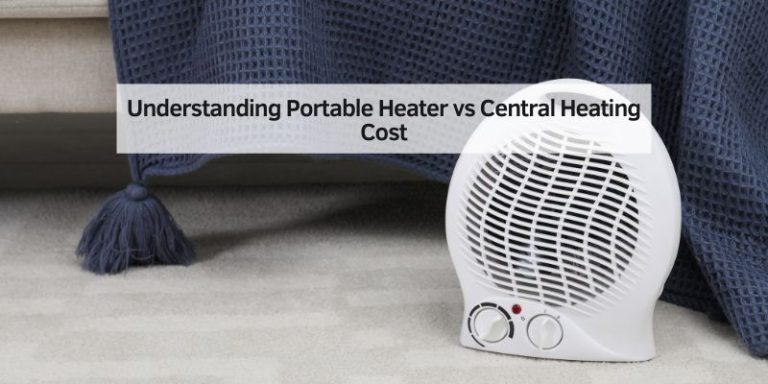
Fan heaters are usually smaller and cheaper. They deliver instant heat, but Electrical Safety First notes that fan heaters can be noisy. They also need clear intake and exhaust vents, and blocked airflow is a common failure mode.
Infrared and convection heaters
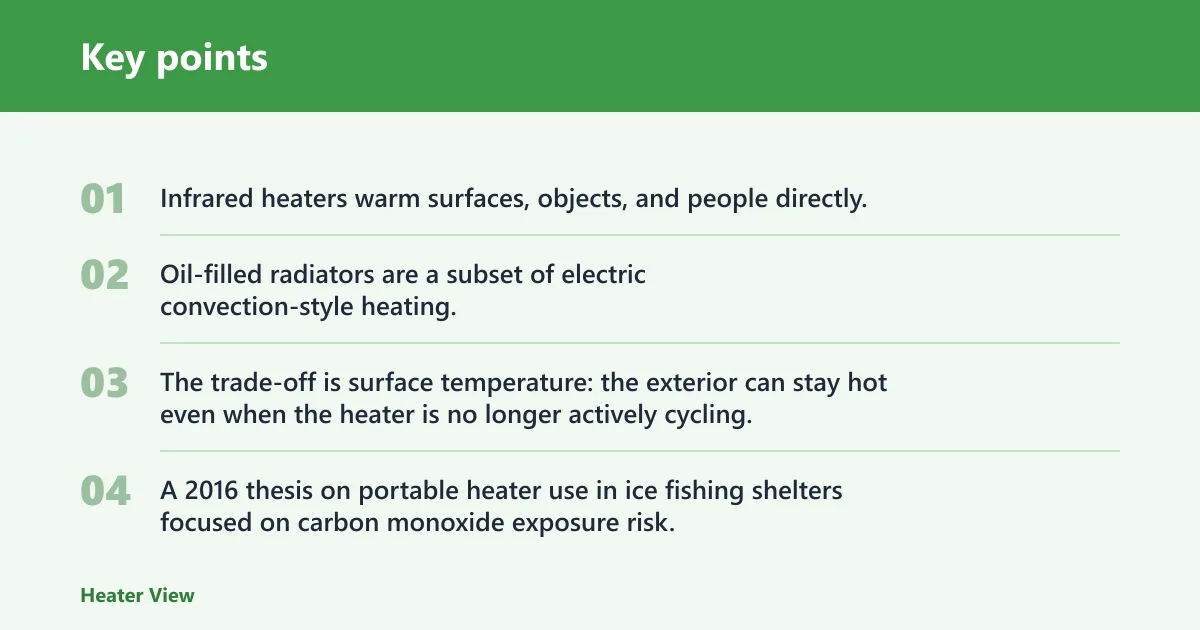
Infrared heaters warm surfaces, objects, and people directly. That makes them useful in occupied rooms where someone stays in one area for a long stretch. They often suit larger rooms better than tiny desk heaters, especially when direct warmth matters more than raising air temperature quickly.
Convection heaters work the other way. They heat room air, so warm-up is slower, but the room can feel more even after enough runtime. They need open space above and around the unit because the heating pattern depends on air movement.
Oil-filled radiators and propane radiant heaters
Oil-filled radiators are a subset of electric convection-style heating. They take longer to reach full output, but they stay warm after shutdown and are often a sensible choice for longer sessions. The trade-off is surface temperature: the exterior can stay hot even when the heater is no longer actively cycling.
Propane radiant heaters are the outlier. They work without electricity and can deliver 4,000 to 9,000 BTU, with one common portable format described for up to 225 sq. ft. That makes them relevant for outage planning, but indoor use is acceptable only if the heater is explicitly rated for indoor use and the ventilation instructions can be met.
A 2016 thesis on portable heater use in ice fishing shelters focused on carbon monoxide exposure risk. That same risk boundary matters indoors: fuel-fired heaters do not belong in enclosed spaces unless the unit is indoor-rated and the ventilation rules are followed exactly.
Which heater type fits your room and routine?
Use quick-heating electric models for short occupied periods, quieter steady heaters for longer sessions, and propane only for explicit outage or off-grid cases where the unit is indoor-rated and ventilation can be maintained. Bedrooms, offices, living rooms, and damp spaces each shift which failure modes matter most.
Small rooms and quick spot heating
For a small room, ceramic usually makes the most sense. It warms up fast, common models are compact, and many include thermostat control plus tip-over and overheat shutoff. In this category, smaller coverage targets around 200 sq. ft. are common, which fits bedrooms, home offices, and hobby rooms.
Fan heaters can also work in tight spaces, but vent blockage matters more. They are a poor choice if the room tends to collect laundry, papers, or pet hair around floor level.
Bedrooms, offices, and all-day supplemental heat
Bedrooms and offices benefit from quiet, steady output and predictable control. Oil-filled radiators fit this pattern well because they make no fan noise and keep releasing heat after cycling off. Ceramic tower heaters can also work in a bedroom when the room is occupied, especially if they have cool-touch housing, thermostat control, and shutoff protections.
Electrical Safety First advises against using heaters overnight. Treat that as a hard limit for routine use. A heater may be acceptable in an occupied bedroom before sleep, but unattended operation near bedding is a different risk category.
Suppose a bedroom is 140 sq. ft., the bed sits close to curtains, and the only open floor area is beside a dresser. That setup rules out many placements before brand choice even starts, because the clearance requirement is not negotiable.
Larger living spaces and outage backup
Infrared heaters tend to fit occupied living rooms better than tiny fan heaters because they deliver direct warmth where people sit. Some combine radiant and circulated heat, which helps in open rooms where a narrow stream of hot air would feel uneven.
For outages, most electric heaters drop out of contention immediately because they need mains power. That leaves indoor-rated propane units, but only if the room can meet the manufacturer’s ventilation instructions and everyone in the home understands the combustion limits. If those conditions are missing, do not use a portable heater for outage backup indoors.
What safety features matter most?
Start with tip-over protection, overheat protection, and a thermostat, then verify a real safety listing such as UL, ETL, CSA, or another NRTL mark. After that, check surface temperature, timer behavior, and cord placement. Safety depends on how the heater handles faults, not on how many features the box lists.
Tip-over protection and overheat protection
Tip-over protection shuts the heater off if it is knocked over. That matters most around children, pets, and high-traffic rooms. Sylvane recommends tip-over protection for portable heaters, and it should be treated as standard on floor-standing electric units.
Overheat protection cuts power when internal parts get too hot. Sylvane points to overheat protection as a key safety feature, and it is the baseline defense against blocked airflow and internal temperature rise. It does not make poor placement safe, but it does reduce the chance that a small mistake turns into a larger one.
Thermostats, timers, and surface-temperature considerations
A thermostat matters because heaters without one tend to run at full output until the user intervenes. Better control reduces cycling extremes and makes comfort easier to manage. Timers are useful for occupied periods, but they should not be treated as permission for overnight operation.
Surface temperature matters differently by type. Ceramic towers often have cooler housings than oil-filled radiators. Oil-filled models may be quieter and steadier, but their outer fins or panels can remain hot after shutdown, which is a concern around toddlers and pets that brush against objects.
Quiet operation can matter more than you expect in a bedroom or office. A quiet tower heater can be rated as low as 25 dB, while fan heaters are commonly louder.
UL, ETL, CSA, and other NRTL certification marks
Look for a listing mark on the product label and packaging, not just in marketing copy. UL, ETL, CSA, and other NRTL marks show the heater was evaluated to a recognized safety standard. That does not remove the need for correct placement, but it does separate verified products from lookalike listings with weak documentation.
Also check recalls before buying and again before the heating season starts. A listed heater from a reputable seller is still a better choice than a no-name unit with vague specs and no visible certification mark.
Portable heater matrix
Heater decision table
| Heater type | Best use case | Heat style | Common failure mode | Key safety feature | Do not use if |
|---|---|---|---|---|---|
| PTC ceramic heater | Small to medium rooms, quick warm-up, intermittent use | Fan-forced spot and room heat | Tip-over or blocked air intake | Tip-over shutoff and overheat protection | Clearance to bedding, curtains, or furniture cannot be maintained |
| Fan heater | Very quick heat in small rooms | Fan-forced spot heat | Vent blockage and noise complaints | Overheat shutoff with clear vents | The room is dusty, cluttered, or noise-sensitive |
| Infrared heater | Occupied living rooms, seated use, direct warmth | Radiant heat to people and objects | Uneven comfort if line-of-sight is blocked | Tip-over and overheat protection | Users expect fast whole-room air heating from across the room |
| Convection heater | Steady supplemental heat over longer periods | Air heating | Restricted airflow above or around the unit | Thermostat and overheat protection | The heater must sit under shelves, drapes, or tight furniture gaps |
| Oil-filled radiator | Bedrooms, offices, all-day supplemental heat | Slow convection with retained heat | Hot exterior contact after shutdown | Thermostat and stable wheel or base design | Kids or pets are likely to lean against the hot surface |
| Propane radiant heater | Limited outage backup where indoor use is explicitly rated | Fuel-fired radiant heat | Combustion byproducts and ventilation errors | Indoor rating plus strict ventilation compliance | The unit is not indoor-rated, ventilation is poor, or anyone may sleep nearby |
Use-case flags table
| Heater type | Safe for bedroom | Safe for bathroom | Safe for outage use | Safe around kids/pets |
|---|---|---|---|---|
| PTC ceramic heater | Caution | No, unless specifically rated | No | Caution; tip-over shutoff matters |
| Fan heater | Caution | No, unless specifically rated | No | Caution; hot airflow and vent blockage risk |
| Infrared heater | Caution | No, unless specifically rated | No | Caution; maintain distance from front grille |
| Convection heater | Yes, attended use | No, unless specifically rated | No | Caution; keep clear around unit |
| Oil-filled radiator | Yes, attended use | No, unless specifically rated | No | Caution; surface stays hot |
| Propane radiant heater | No | No | Caution; only if indoor-rated | No in typical home settings |
Where can you use a portable heater safely?
A portable heater is safe only where the room, surface, clearance, and power source match the heater’s design. Bedrooms can be acceptable for attended use with electric models, bathrooms generally require a specific rating, and outage use sharply separates electric heaters from indoor-rated propane units.
Bedrooms and overnight limits
Portable heaters can be used in a bedroom while someone is awake and the unit has proper safety features, but overnight use is a different decision. Electrical Safety First advises against using heaters overnight. Near bedding, choose the most stable electric category available and avoid placing any heater where blankets, clothing, or pillows can drift into the clearance zone.
Bathrooms, damp spaces, and wet-location restrictions
Do not use a standard portable heater in a bathroom, laundry area, or damp basement. Moisture changes the risk profile. Only use a model specifically rated for that environment, and follow its location limits exactly. If the room regularly has condensation on windows or floors, a general portable heater is the wrong tool.
Clearance, floor surface, and outlet placement
Keep the heater at least one metre from combustibles. That matches Electrical Safety First guidance and aligns closely with the three-foot rule often cited by heating specialists. Set the unit on a flat, stable floor surface, away from walk paths where it can be kicked, bumped, or caught by a cord.
Plug directly into a wall outlet. Do not use extension cords, outlet extenders, or power strips. If the nearest safe outlet requires a cord workaround, the heater does not fit that location.
Our picks by need
These choices are based on manufacturer specs, published product details, and buyer feedback rather than hands-on testing. The focus here is fit by use case, with one drawback noted for each.
| Product | Badge | Best for | Price | ||
|---|---|---|---|---|---|
 |
Lasko Space Heater for Indoor UseLasko | Our pick | 1500W · ceramic tower · remote | $59.49
Price as of 23 Nov 2026
|
View |
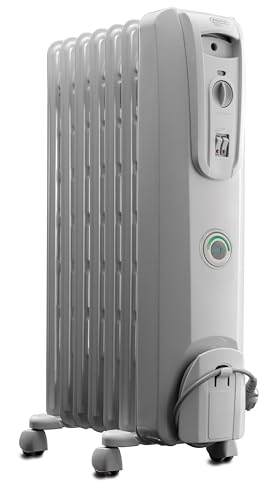 |
De’Longhi Oil filled Radiator HeaterDe’Longhi | Also great | 1500W · oil-filled · indoor | $129.95
Price as of 23 Nov 2026
|
View |
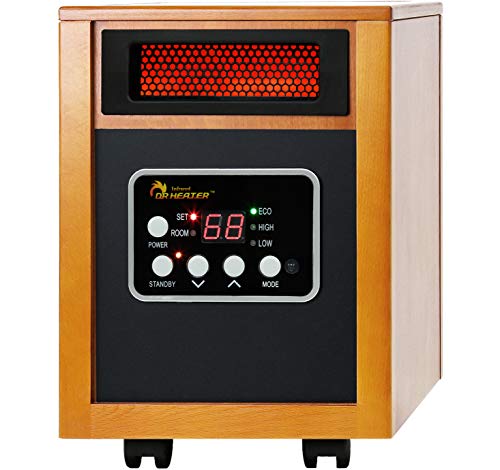 |
Dr Infrared Heater DR-968 Portable Space HeaterDR. INFRARED HEATER | Upgrade pick | 1500W · infrared · cherry | $98.80
Price as of 23 Nov 2026
|
View |
 |
Dyson Pure Hot+Cool HP04 Purifying Heater + Fan (Renewed)Dyson | Pair with it | Purifying heater + fan · renewed | $399.95
Price as of 23 Nov 2026
|
View |
Quick spot heat: Lasko ceramic tower
- Fast-heating ceramic element
- Oscillates to spread warmth
- Remote, thermostat, and timer included
The Lasko ceramic tower fits the most common use case: fast electric heat in a bedroom, office, or other small to medium room. It uses a 1500W ceramic format, adds oscillation to spread warmth, and includes a thermostat, timer, remote, and cool-touch housing.
The drawback is the same one that follows most tower ceramics: it still relies on fan-forced airflow, so it is not the quietest option for all-night occupied rooms, and it should never be placed where drapes or bedding can move into the discharge path.
Steady quiet heat: De’Longhi oil-filled radiator
- Gentle heat with no fan
- Low surface temperature design
- Easy to move with integrated handle
The De’Longhi oil-filled radiator is the better fit for quieter, longer heating sessions in bedrooms and offices. A 1500W oil-filled design trades fast warm-up for gentler output and heat retention after shutdown, which helps keep the room from swinging between too warm and too cool.
Its main limitation is speed. If the room is cold and someone wants immediate warmth, this style feels slow. The exterior also stays hotter than many ceramic housings, so placement around children and pets needs more care.
Occupied living space: Dr Infrared Heater DR-968
- Dual heating combines radiant and circulated heat
- Electronic thermostat for set-and-forget comfort
- Safety features include tip-over and overheat protection
The DR. INFRARED HEATER DR-968 makes sense for larger occupied spaces because it combines radiant and circulated heat. That can feel more comfortable than a narrow fan stream when people are seated across a living room, and the electronic thermostat supports set-and-forget operation.
The drawback is size and placement sensitivity. Infrared works best when the line of sight to people and furnishings is open, so it is less forgiving if tucked behind furniture or expected to heat around corners.
Mixed heating and airflow: Dyson Pure Hot+Cool HP04
- Heats and fans in one unit
- Includes air purification function
- Renewed listing may cost less than new
The Dyson Pure Hot+Cool HP04 is a niche choice for buyers who want a heater and fan in one unit, with air purification included. That can suit a room used across seasons, where the product spends part of the year moving air and part of the year heating.
The trade-off is obvious: at $399.95, it costs far more than a straightforward heater. It is also a renewed listing, which may be fine for some buyers but will not appeal to everyone.
Mistakes to avoid
- Buying by heater type before checking the room, outlet, and clearance.
- Using a heater in a bathroom or damp basement without a specific rating for that location.
- Running any portable heater overnight or unattended.
- Plugging a heater into an extension cord, power strip, or outlet splitter.
- Choosing propane for indoor use when the unit is not explicitly indoor-rated.
- Ignoring failure modes such as blocked vents, hot surfaces, or easy tip-over.
- Assuming a bigger heater fixes a poor placement problem.
Buying checklist
- Measure the room. Note the room size and whether doors stay open or shut. Manufacturer coverage claims, such as up to 200 sq. ft. or up to 250 sq. ft., help narrow the field before comparing features.
- Choose the heat style. Pick ceramic or fan-forced heat for quick warm-up, infrared for direct warmth to occupied seating areas, and oil-filled or convection for longer steady sessions. This choice matters more than cosmetic features.
- Set the safety floor. Require tip-over shutoff, overheat protection, and a thermostat on electric models. For homes with children or pets, give extra weight to stable bases and cooler housings where available.
- Check the placement. Confirm a level surface and at least one metre of clearance from curtains, bedding, furniture, and paper. If the room cannot provide that space, do not force the heater into it.
- Verify the power source. Use only a wall outlet. If the heater would need an extension lead or power strip, reject that location and pick a different room or a different heating plan.
- Match the noise level. For offices and bedrooms, avoid noisy fan-first designs unless fast warm-up is the top priority. Published low-noise ratings can help compare models, but the heater type still tells most of the story.
- Check the controls. Look for a readable thermostat, sensible timer settings, and a carry handle or wheels if the unit will move between rooms. Cord length also matters because a short cord can push buyers toward unsafe extension-cord use.
Frequently asked questions
Which portable heater is safest to use at home?
For most homes, an electric heater with tip-over shutoff, overheat protection, a thermostat, and a real safety listing is the safer category. Oil-filled and ceramic models are usually the easiest fit. Indoor combustion heaters belong in a narrower group and should be considered only when the unit is explicitly indoor-rated.
Can I use a portable heater in a bedroom or overnight?
You can use an electric portable heater in a bedroom while the room is occupied and awake-time supervision is possible, provided clearance is maintained. Overnight use is different. Electrical Safety First advises against using heaters overnight, and that is the safer default around bedding and sleeping occupants.
How far should a portable heater be from furniture and curtains?
Keep portable heaters at least one metre from combustibles such as curtains, bedding, upholstered furniture, and paper. Another widely cited rule is three feet. The exact phrasing varies by source, but the decision does not: if the room cannot maintain that gap, the heater should not go there.
Can you plug a portable heater into an extension cord?
No. Portable heaters should plug directly into a wall outlet. Electrical Safety First advises against using heaters with extension leads, and that same rule should extend to power strips and outlet splitters. If the cord will not reach a safe wall outlet, the heater is wrong for that spot.
What is the difference between a ceramic heater and an infrared heater?
A ceramic heater mainly warms air with fan-forced heat, so it suits quick room warm-up and short sessions. An infrared heater warms people and objects directly, which can feel comfortable at lower air temperatures. Ceramic is usually better for small-room flexibility; infrared is often better for seated, occupied spaces.
Are propane portable heaters safe indoors?
Only if the specific model is explicitly rated for indoor use and the manufacturer’s ventilation instructions can be followed. Otherwise, no. Propane heaters add combustion byproducts to the risk profile, including carbon monoxide concerns, which is why they should never be treated as equivalent to standard electric portable heaters.