Electric Baseboard Heater Vs Gas Heat: Essential Guide
Choosing between electric baseboard heaters and gas heat involves balancing upfront costs, running expenses, installation ease, and energy efficiency. Electric baseboard heating offers simpler installation and precise room control but can be pricier to run. Gas heating typically has lower running costs, especially in colder climates, but involves more complex installation and potential safety considerations. This guide simplifies your decision to ensure a warm, comfortable home.
Feeling confused about how to best heat your home? It’s a common worry for many homeowners, especially when you’re faced with choices like electric baseboard heaters versus gas heat. Making the right decision can save you money, keep you cozy, and give you peace of mind. Don’t sweat it! This guide is here to break down the differences in a way that’s easy to understand. We’ll walk through each option, looking at what makes them tick, how much they cost, and which might be the perfect fit for your home. Get ready to feel confident about your heating choice!
Electric Baseboard Heaters vs Gas Heat: Which is Right for Your Home?
When it comes to keeping your home warm and inviting, two of the most common heating systems homeowners consider are electric baseboard heaters and gas heat. Both have their own unique advantages and disadvantages, and understanding these differences is key to making an informed decision that suits your budget, comfort needs, and lifestyle. Let’s dive into a detailed comparison to help you choose wisely.
Understanding Electric Baseboard Heaters
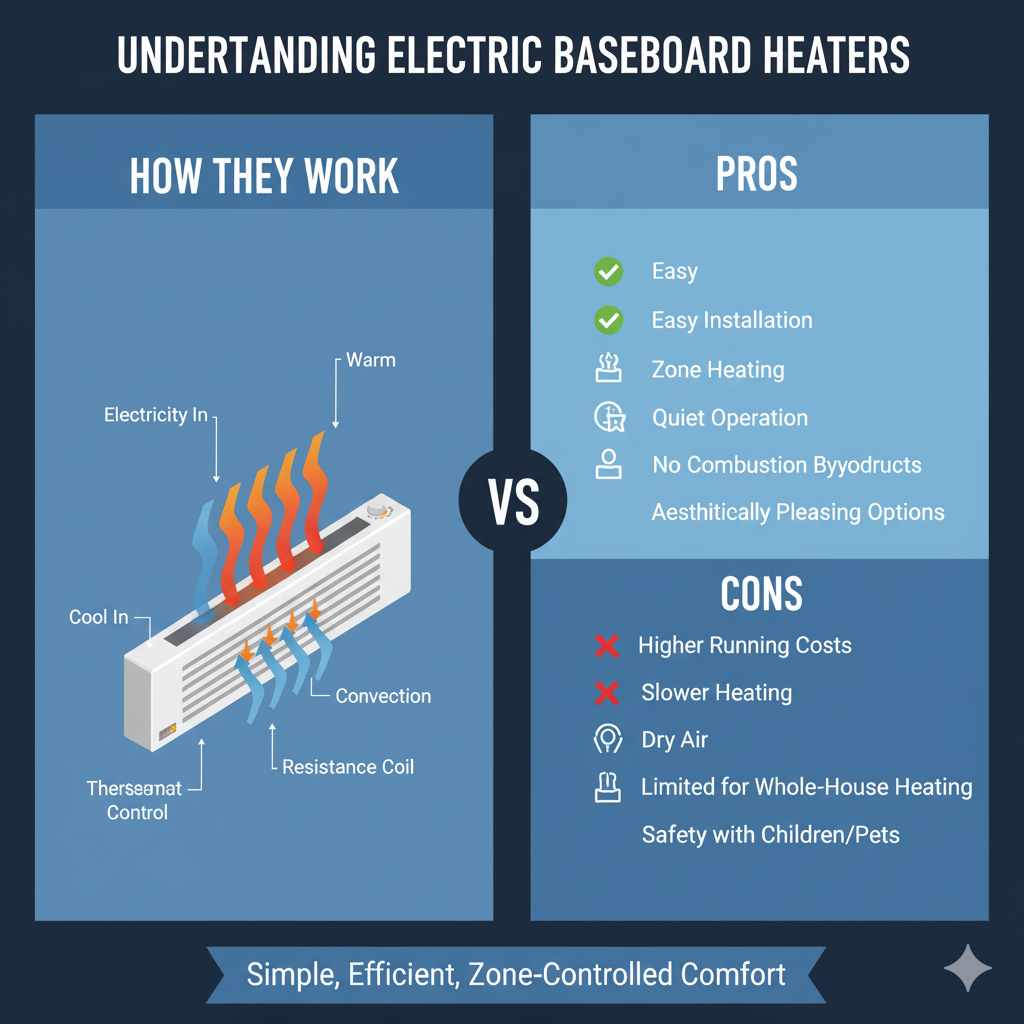
Electric baseboard heaters are a popular choice for their simplicity and the ease with which they can provide zone heating. They are essentially long, slender units installed along the baseboards of rooms, powered by your home’s electrical system. When electricity flows through the heating element inside, it releases heat into the room. Many people appreciate that each heater can often be controlled independently, allowing you to heat only the rooms you’re using.
How Electric Baseboard Heaters Work
The process is straightforward:
- Electricity enters the heater through your home’s wiring.
- It passes through a resistance coil (the heating element), which heats up as electricity tries to move through it.
- A convection fan or natural convection currents then move this heat into the room.
- Thermostats, often built into the unit or controlled remotely, regulate the temperature by turning the heater on and off.
Pros of Electric Baseboard Heaters
Electric baseboard heaters offer several appealing benefits:
- Easy Installation: They don’t require ventilation or ductwork, making them far simpler and less expensive to install than central systems. Ideal for renovations or additions where extending ductwork isn’t feasible.
- Zone Heating: Independent thermostats for each room allow for precise temperature control, meaning you can heat specific areas or turn off heat in unused rooms, potentially saving energy.
- Quiet Operation: Many models are almost silent, contributing to a peaceful home environment.
- No Combustion Byproducts: Unlike gas heaters, electric baseboards don’t produce carbon monoxide or other harmful gases, making them a safer option in terms of air quality within the home.
- Lower Upfront Cost: Individual units are relatively inexpensive to purchase.
- Aesthetically Pleasing Options: While traditional, modern designs are sleeker and can blend better with home decor.
Cons of Electric Baseboard Heaters
Despite their advantages, there are downsides to consider:
- Higher Running Costs: Electricity is often more expensive per British Thermal Unit (BTU) than natural gas, leading to higher monthly energy bills, especially in colder climates or for whole-house heating.
- Slower Heating: They can take longer to heat up a room compared to forced-air gas furnaces.
- Dry Air: The heating process can sometimes make the air feel dry.
- Limited for Whole-House Heating: While possible, heating an entire large home with only electric baseboards can be very expensive.
- Safety with Children/Pets: The surfaces can get quite hot, posing a burn risk to young children and pets if they touch them directly.
Understanding Gas Heat
Gas heating systems, most commonly natural gas furnaces, are a powerhouse in colder regions. They work by burning natural gas to heat air or water—which is then distributed throughout your home via ducts or pipes and radiators. Gas is generally considered a more economical fuel source for heating compared to electricity, especially in areas with consistently cold weather.
How Gas Heat Works
The typical process for a natural gas furnace:
- A thermostat signals the furnace that the temperature has dropped.
- A pilot light or igniter sparks to ignite the natural gas.
- The burner heats up a heat exchanger.
- A blower fan pushes cool air from your home across the hot heat exchanger, warming it up.
- This heated air is then distributed through a network of ducts to various rooms.
- The cycle repeats until the thermostat is satisfied.
For those with older homes or specific setups, boilers that heat water for radiators or radiant floor heating also use gas as a fuel source, following similar fuel ignition and heat exchange principles but distributing hot water instead of hot air.
Pros of Gas Heat
Gas heating systems are favored for several key reasons:
- Lower Running Costs: Natural gas is typically cheaper than electricity, making gas furnaces more cost-effective to operate, especially in regions with severe winters. According to the U.S. Department of Energy, using natural gas to heat a home can be significantly more economical than electric resistance heating.
- Faster Heating: Forced-air gas furnaces can heat a space relatively quickly due to the powerful blower fan pushing warm air through the ducts.
- Reliable in Cold Climates: Gas furnaces are very effective at producing high temperatures needed to combat extreme cold.
- Whole-House Heating: They are excellent for uniformly heating an entire house when paired with a well-designed duct system.
- Improved Air Quality (for some): While combustion occurs, modern furnaces are designed for efficient burning. If you have a heat pump that relies on outdoor air, a gas furnace can provide more consistent heat on extremely cold days.
Cons of Gas Heat
The benefits of gas heat come with some considerations:
- Higher Upfront Cost: Installing a gas furnace and ductwork is a significant investment and typically much more expensive than installing electric baseboard heaters.
- Requires Fuel Source: You need access to a natural gas line. If unavailable, you’d need a propane tank, which has its own associated costs and maintenance.
- Ventilation Requirements: Gas furnaces must be properly vented to the outside to exhaust combustion byproducts, including carbon monoxide. This requires professional installation and ongoing maintenance.
- Potential Air Quality Concerns: Combustion byproducts, if not vented correctly or if there’s a leak, can pose serious health risks like carbon monoxide poisoning. Regular maintenance is crucial.
- Less Precise Zone Control: Standard central gas systems heat the whole house to a set temperature. While zoning can be added, it significantly increases complexity and cost.
- Dry Air: Like electric resistance heat, forced-air systems can also contribute to dry indoor air during the winter.
Key Differences: Electric Baseboard Heaters vs Gas Heat
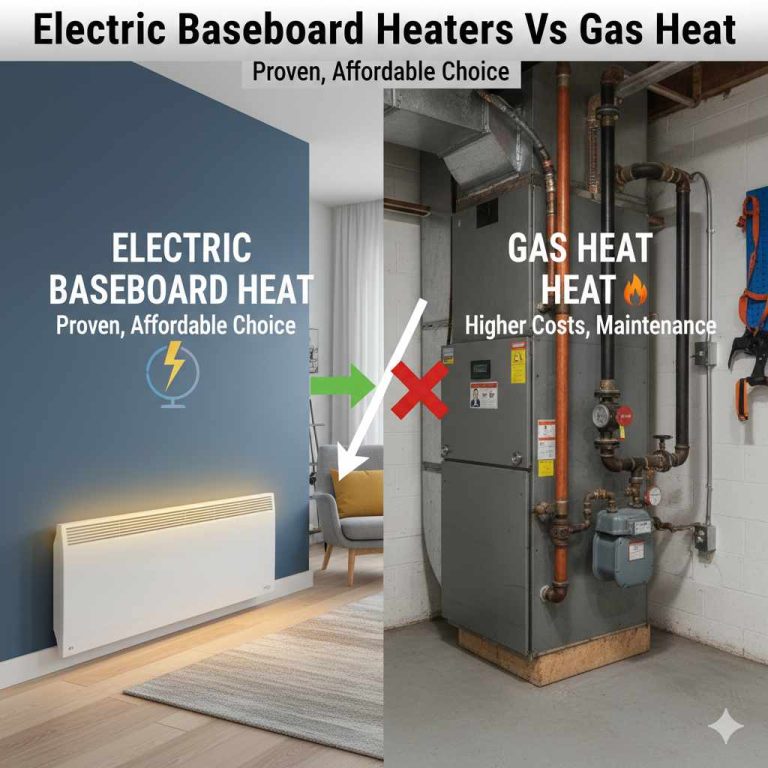
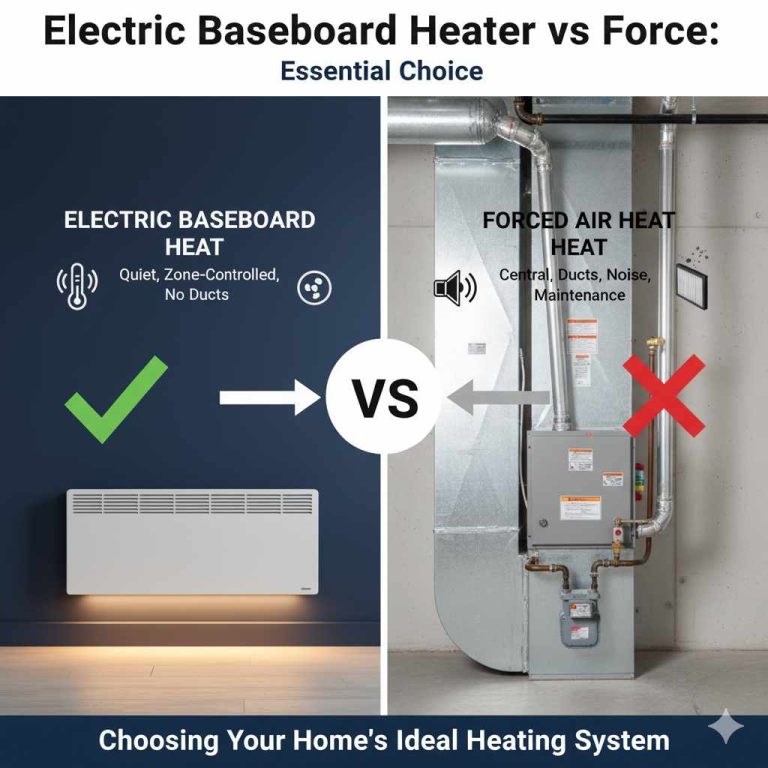
To make a clear decision, let’s summarize the core differences across several important categories. This comparison highlights where each system shines and where it might fall short for your specific needs.
Installation and Infrastructure
The pathway to getting your chosen heating system up and running is quite different for electric baseboard heaters and gas heat. Electric baseboard heaters are often a retrofit dream, while gas requires a more substantial setup.
- Electric Baseboard Heaters: These units can be installed one by one, room by room. They simply need an electrical connection. This makes them ideal for older homes where running new ductwork would be disruptive and costly, or for smaller additions. Installation is generally a DIY-friendly task for someone comfortable with basic electrical work, though hiring an electrician is always recommended for safety and code compliance.
- Gas Heat: Installing a gas furnace typically involves a larger initial investment. You need access to a natural gas line, a furnace unit, a venting system, and ductwork that runs throughout your home to distribute the heated air. In homes that don’t already have ductwork, this can be a major undertaking. Installation is a job for certified HVAC professionals.
Energy Efficiency and Costs
When we talk about energy efficiency and long-term costs, it’s important to consider both the upfront investment and the ongoing expenses. This is where the cost per unit of energy plays a crucial role.
- Electric Baseboard Heaters: While essentially 100% efficient at the point of use (meaning all electricity converted to heat stays in the room), the cost of that electricity is often high. This means that while they don’t waste energy through the heating process itself, the price of electricity per BTU can make them the most expensive way to heat your home, especially during peak demand or in extremely cold weather.
- Gas Heat: Natural gas furnaces are typically rated with Annual Fuel Utilization Efficiency (AFUE) percentages, meaning around 80-98% of the fuel consumed is converted into usable heat. While there’s some minor heat loss through the venting process, the lower cost of natural gas per BTU usually makes gas heating significantly cheaper to run than electric resistance heat. For instance, the U.S. Energy Information Administration (EIA) frequently reports that natural gas tends to be a more affordable heating fuel than electricity in most regions.
Comfort and Control
How warm and comfortable will your home be, and how much control do you have over the temperature? This is where personal preference and the design of your home come into play.
- Electric Baseboard Heaters: One of the biggest advantages here is zone heating. You can set individual temperatures for each room, or even each zone if you have multiple heaters. This is perfect for homes where some rooms are used more than others, or for households with different temperature preferences. You can heat up a chilly bathroom quickly or keep a home office at a comfortable temperature without overheating unused bedrooms. However, the heat can sometimes feel uneven, with hot spots near the heater and cooler areas further away.
- Gas Heat: Central gas systems typically provide a more consistent, whole-house temperature. The forced-air system circulates warm air evenly throughout the home, reducing temperature fluctuations. While you can control the overall temperature with a single thermostat (or a multi-zone system), it doesn’t offer the same granular, room-by-room control as electric baseboards unless you invest in advanced zoning add-ons, which can be costly. The rapid delivery of warm air can make a room feel comfortable faster.
Safety and Air Quality
Safety is paramount, and understanding the potential risks and benefits of each system is crucial for your family’s well-being. Gas systems require careful attention to combustion byproducts.
- Electric Baseboard Heaters: These are generally considered very safe from an air quality perspective because they don’t involve combustion. This eliminates the risk of carbon monoxide leaks. However, the surfaces of electric baseboard heaters can become very hot, posing a burn risk to very young children or pets who might touch them. It’s advisable to use protective covers in households with small children or pets.
- Gas Heat: The primary safety concern with gas heating is the potential for carbon monoxide (CO) leakage. This invisible, odorless gas is a byproduct of burning fuel, and inadequate ventilation or a malfunctioning furnace can lead to dangerous levels. This is why professional installation, annual maintenance, and the use of carbon monoxide detectors are absolutely essential for gas heating systems. Beyond CO risks, gas furnaces can also circulate dust and allergens, though good air filters can mitigate this.
When to Choose Electric Baseboard Heaters
Electric baseboard heaters are an excellent choice in specific scenarios. If you’re looking for a heating solution that’s easy to implement and provides precise control over individual rooms, they might be your perfect match. Let’s explore when they shine brightest.
- Added Room Heating: If you have a specific room or addition that’s always colder than the rest of the house, installing one or two electric baseboard heaters can be a cost-effective way to boost warmth where needed.
- Rental Properties or Second Homes: For spaces that are only occupied occasionally, electric baseboards offer convenient, independent heating that can be easily controlled and turned off when not in use, potentially saving on energy bills.
- Homes Without Existing Ductwork: Retrofitting ductwork into an older home can be a massive undertaking. Electric baseboards offer a simpler alternative to a central system.
- Budget-Conscious Installation: If your immediate budget for a heating system is limited, the lower upfront cost of electric baseboards can be very attractive.
- Precise Temperature Control is Key: When you or your family members have very specific temperature preferences for different rooms, the zone heating capability is a major plus.
When to Choose Gas Heat
Gas heating systems are often the go-to for whole-home comfort, especially in regions with significant winter temperatures. They offer a powerful and economical solution when properly implemented.
- Cold Climates: In areas that experience prolonged periods of sub-freezing temperatures, the high heat output and fuel efficiency of natural gas make it a superior choice for maintaining comfortable indoor temperatures.
- Cost-Conscious Long-Term Operation: If you plan to stay in your home for many years and want to minimize your monthly heating bills, the lower cost of natural gas typically makes it more economical to run than electric resistance heat over time.
- Homes with Existing Ductwork: If your home already has a functional duct system, upgrading or repairing your existing gas furnace is often much more feasible and cost-effective than installing a completely new system or extensive ductwork for electric heat.
- Need for Quick, Whole-House Heating: For families who want to quickly warm up their entire home to a consistent temperature, a central gas furnace coupled with a duct system is highly effective.
- Access to Natural Gas Line: The availability of an affordable natural gas supply is a prerequisite for installing a natural gas furnace.
Installation Considerations for Both
No matter which system you lean towards, careful installation is crucial for performance, safety, and efficiency. Don’t skip this important step!
Installing Electric Baseboard Heaters
While often simpler, proper installation ensures safety and optimal function:
- Plan Placement: Install heaters under windows to counteract cold air drafts. Ensure they are at least 6 inches from curtains and furniture to prevent fire hazards and allow proper airflow.
- Electrical Connection: Each heater requires its own circuit. Connect the wires correctly to the power source and the thermostat, ensuring all connections are secure and enclosed in appropriate junction boxes. If you’re not comfortable with electrical work, hire a licensed electrician. Check local building codes for specific requirements.
- Thermostat Integration: Decide on the type of thermostat – built-in, wall-mounted, or smart thermostat. Ensure proper wiring based on the thermostat’s instructions. Smart thermostats can offer significant energy savings by allowing remote control and scheduling.
- Testing: After installation, turn on the circuit breaker and test each heater to ensure it’s working correctly and reaching the desired temperature.
Installing Gas Heating Systems
Gas heating installation is more complex and requires professional expertise:
- Permitting and Codes: Ensure all work complies with local building codes and obtain necessary permits before starting.
- Professional HVAC Technician: Hire a qualified and licensed HVAC contractor. They will correctly size the furnace for your home, ensuring it’s neither too small (won’t heat adequately) nor too large (will cycle on/off too frequently, wasting energy and causing wear).
- Gas Line Connection: The contractor will connect the furnace to your natural gas supply, ensuring leak-free connections.
- Venting: Proper venting is critical for safety. The furnace must be connected to a flue that safely expels combustion gases outdoors. This often involves a chimney or a dedicated vent pipe.
- Ductwork: If you don’t have ductwork, it will need to be planned and installed. The contractor will ensure the ducts are properly sealed and insulated for maximum efficiency.
- Electrical and Control Wiring: The furnace requires a connection to your home’s electrical system for the blower, igniter, and control board, as well as wiring to the thermostat.
- System Testing: The technician will conduct thorough tests to ensure the furnace operates safely and efficiently, checking for gas leaks, proper airflow, and correct thermostat operation. Essential safety devices like carbon monoxide detectors should a lways accompany a gas heating system.
Maintaining Your Heating System
Regular maintenance is key to ensuring your heating system runs efficiently, safely, and lasts for many years. Both electric baseboard heaters and gas furnaces benefit from attention, though the tasks differ.
Electric Baseboard Heater Maintenance
Maintenance for electric baseboard heaters is generally minimal but important:
- Cleaning: Dust and debris can accumulate inside the fins, reducing their efficiency. Regularly (monthly during the heating season) vacuum the exterior and, if safe and accessible, use a brush attachment to clean the inside of the fins. Always ensure the unit is turned off and cool before cleaning.
- Check Thermostats: Periodically test that thermostats are accurately regulating temperature. If a thermostat seems faulty, it might need replacement.
- Inspect for Damage: Look for any signs of damage to the unit or wiring. If you see anything concerning, turn off the power to that unit and have it inspected by a qualified electrician.
Gas Heating System Maintenance
Gas furnace maintenance is more involved and typically requires professional servicing:
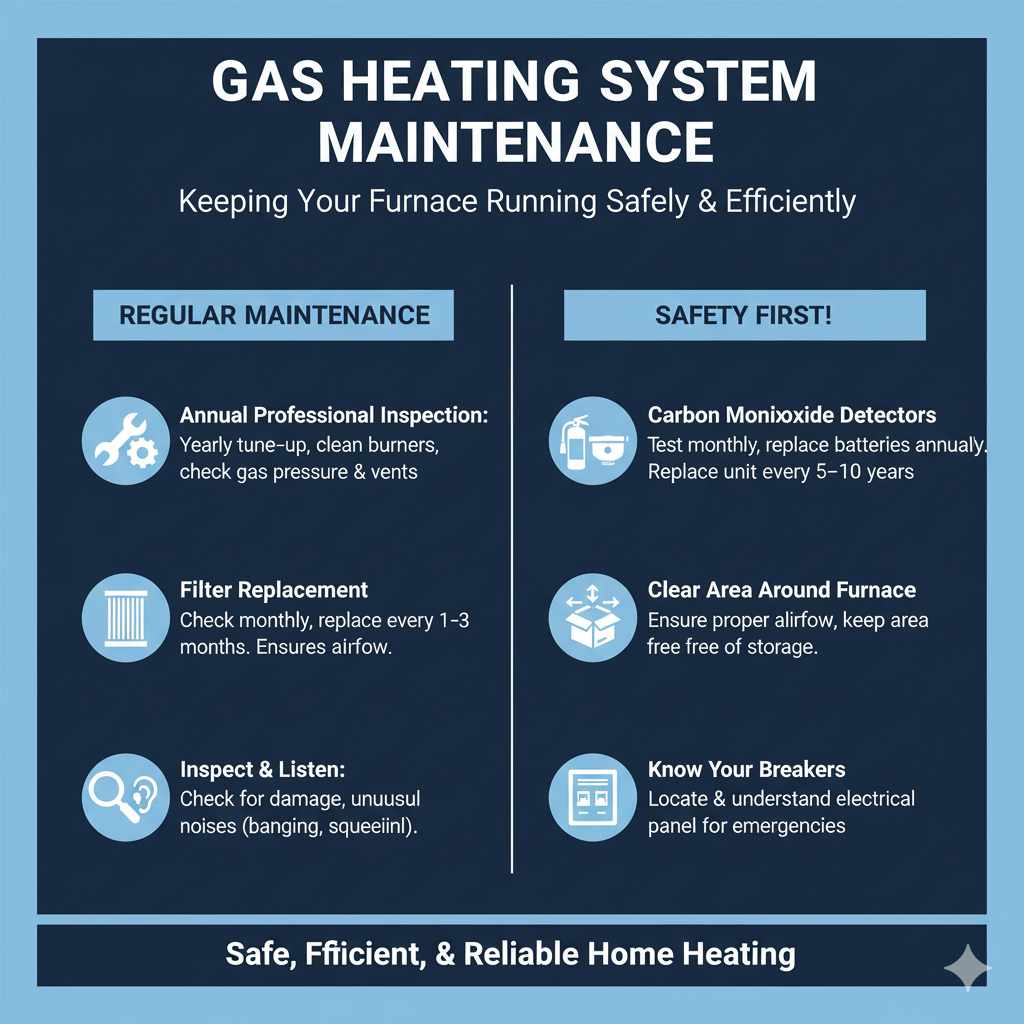
- Annual Professional Inspection: Schedule a yearly tune-up with a qualified HVAC technician. They will clean burners and the heat exchanger, check gas pressure, inspect the venting for blockages or leaks, lubricate moving parts, check electrical connections, and test the overall performance.
- Filter Replacement: The air filter in your furnace’s return duct should be checked monthly and replaced as needed, usually every 1-3 months depending on the filter type and household conditions (pets, allergies). A clean filter ensures good airflow and prevents strain on the system. You can find replacement filters at most hardware stores.
- Listen for Unusual Noises: Pay attention to any new sounds the furnace makes, such as banging, rattling, or squealing. These can indicate potential problems that need professional attention.
- Carbon Monoxide Detectors: Ensure your CO detectors are functioning correctly by testing them regularly and replacing batteries annually. Replace the CO detectors themselves according to the manufacturer’s expiration date (typically 5-10 years).
- Clear Area Around Furnace: Keep the area around the furnace clear of storage to ensure proper airflow and easy access for maintenance.
For comprehensive guidelines on maintaining HVAC systems, the U.S. Department of Energy offers valuable resources on their website, emphasizing the importance of regular checks and professional servicing for optimal performance and safety.
Frequently Asked Questions (FAQ)
Here are some common questions homeowners have about electric baseboard heaters versus gas heat.
Which is cheaper to run, electric baseboard heaters or gas heat?
Generally, gas heat is cheaper to run than electric baseboard heaters, especially in colder climates. This is because natural gas is typically less expensive per unit of energy (BTU) than electricity. However, electricity prices can vary significantly by region, and if your electricity is very cheap and natural gas is expensive, the difference might be smaller.
Is gas heat safer than electric baseboard heaters?
Both have safety considerations. Electric baseboard heaters do not produce combustion gases like carbon monoxide, reducing that specific risk. However, they can become hot to the touch, posing a burn risk. Gas furnaces produce carbon monoxide, making proper installation, ventilation, and the use of CO detectors absolutely critical for safety.
Which heats up a room faster, electric baseboards or gas heat?
Gas heat, particularly forced-air systems, typically heats up a room faster than electric baseboard heaters. The furnace can generate high temperatures quickly, and a blower fan distributes this warm air rapidly through ducts. Electric baseboards rely on convection or radiation, which can take longer to raise the ambient temperature of a room.
Can I use electric baseboard heaters for my entire home?
Yes, you can use electric baseboard heaters to heat an entire home, but it can be very expensive to operate, especially in cold climates. They are often more cost-effective as a supplemental heat source or for smaller, well-insulated homes. For larger homes or those in colder regions, gas heat or other central systems are usually more economical for whole-house heating.
What type of maintenance do electric baseboard heaters require?
Electric baseboard heaters require very little maintenance. The primary task is regular cleaning to remove dust and debris from the fins, which can improve efficiency and prevent overheating. Checking that the thermostats are functioning correctly is also important.
What is the typical lifespan of each system?
Electric baseboard heaters can last a long time, often 20-30 years or more, with proper cleaning and occasional thermostat replacement. A gas furnace typically has a lifespan of 15-25 years. Both can be extended with annual professional maintenance (for gas) and regular care.
Which system is better for the environment?
This can be complex. Electric baseboard heaters, depending on how the electricity is generated in your region, might have a lower carbon footprint if your electricity comes from renewable sources. However, if your electricity is generated from fossil fuels, the overall environmental impact can be significant. Gas furnaces burn fossil fuels directly, contributing to greenhouse gas emissions. The efficiency of the appliance and the local energy grid mix are critical factors in determining the environmental impact of both.
Conclusion
Deciding between electric baseboard heaters and gas heat is a significant choice that impacts your home’s comfort, your energy bills, and your peace of mind. As we’ve explored, neither system is universally “better”; the ideal choice depends entirely on your home, your climate, your budget, and your priorities. Electric baseboard heaters offer simplicity, affordability in installation, and precise room-by-room control, making them excellent for additions, rentals, or supplemental heat. Gas heating, on the other hand, stands out for its cost-effectiveness in operation, especially in colder regions, and its ability to quickly and efficiently heat an entire home when a duct system is in place. Consider your long-term goals, the initial investment versus ongoing costs, and the unique needs of your household. By weighing these factors carefully, you can confidently select the heating solution that will keep your home warm, cozy, and efficient for years to come.