
Are you wondering if all water heaters run on gas? It’s a common question, especially when you’re thinking about upgrading or replacing your home’s water heating system.
Knowing the different types of water heaters can save you money and help you choose the best option for your needs. You’ll discover the truth about gas water heaters and the other options available. By the end, you’ll feel confident about making the right choice for your home and your budget.
Keep reading to find out what you really need to know!
Types Of Water Heaters
Water heaters come in different types to suit various needs and homes. Each type uses a different method to heat water. Understanding these types helps in choosing the right one for your home. Below are the main types of water heaters.
Gas Water Heaters
Gas water heaters use natural gas or propane to heat water. They have a tank where water is stored and heated. Gas heaters warm water quickly and are often cheaper to run than electric models. They need proper ventilation for safety.
Electric Water Heaters
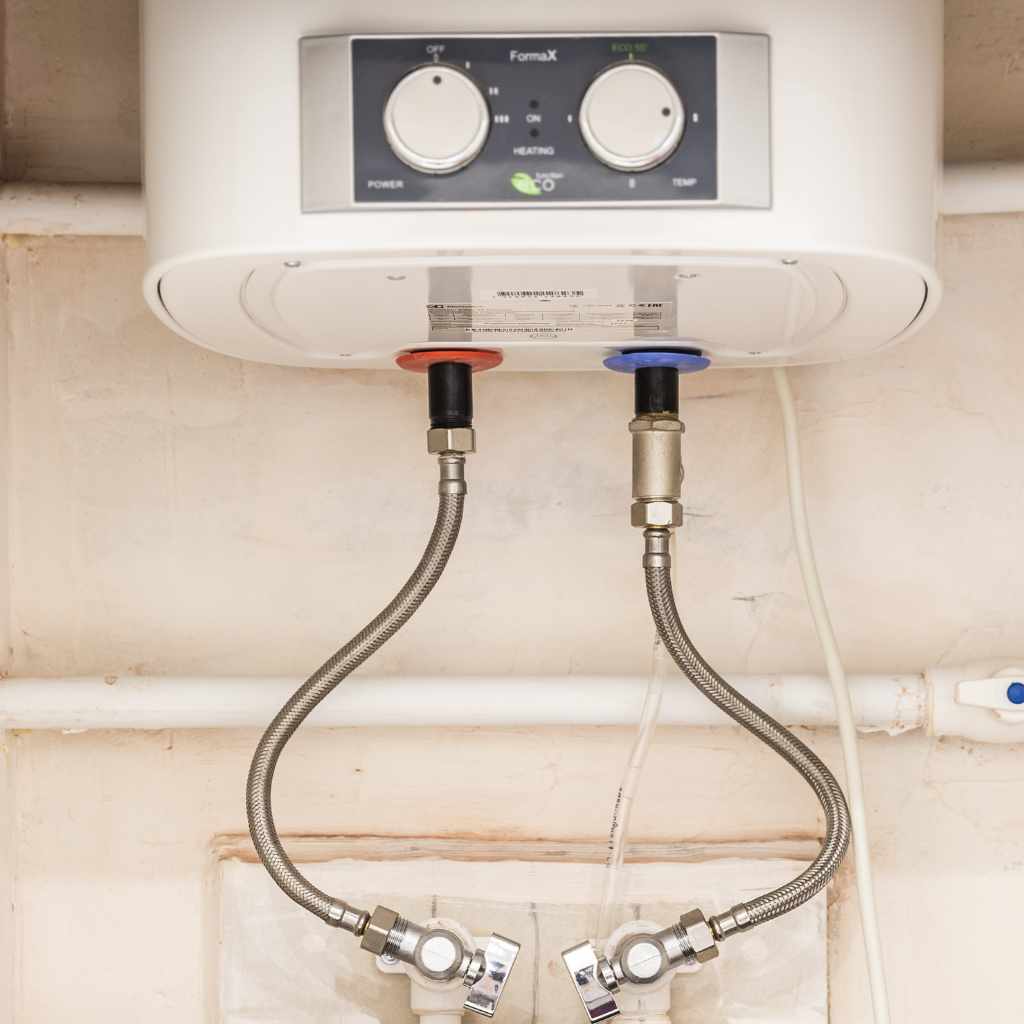
Electric water heaters use electric coils to heat water inside a tank. They are easier to install and require less space. Electric heaters work well in homes without gas lines. Their running cost can be higher depending on electricity rates.
Tankless Water Heaters
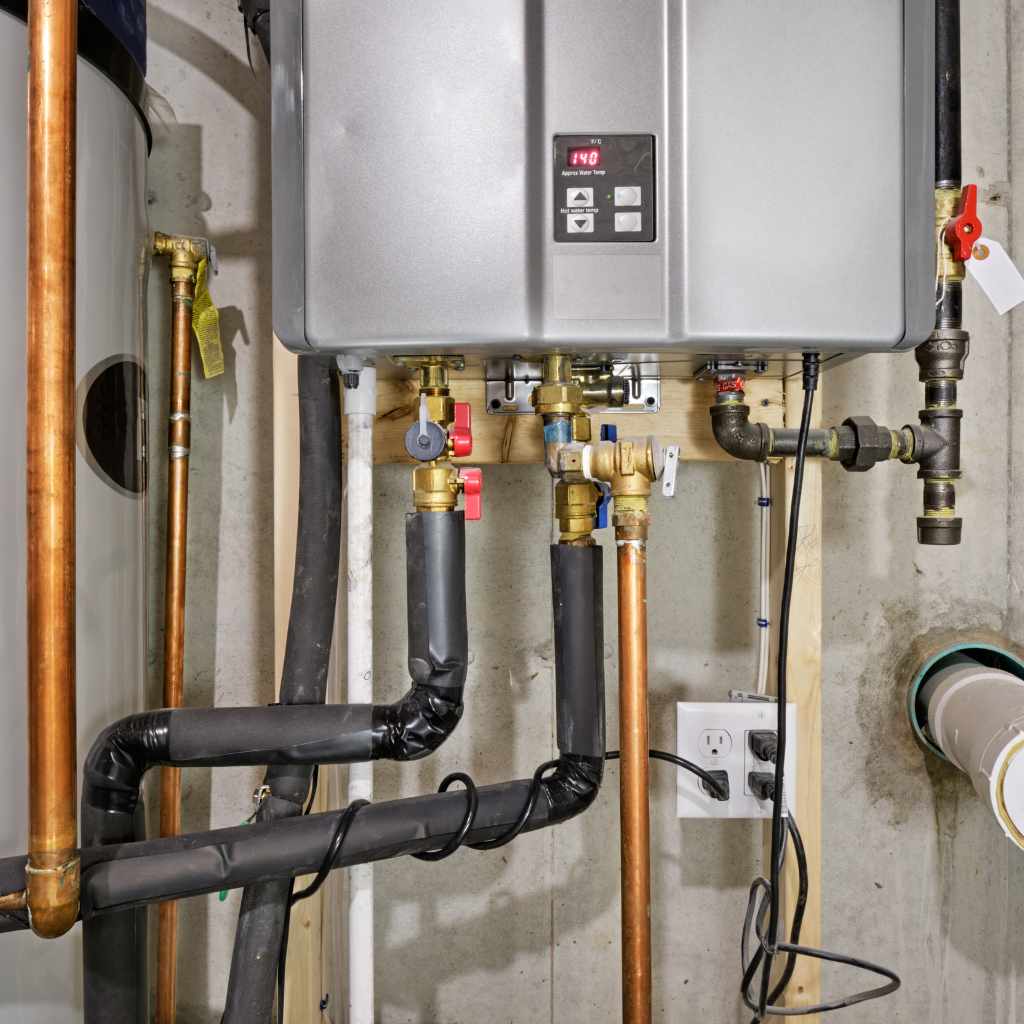
Tankless water heaters heat water only when needed. They do not store hot water in a tank. This makes them energy efficient and saves space. Tankless models can run on gas or electricity. They provide endless hot water but may cost more upfront.
Solar Water Heaters
Solar water heaters use energy from the sun to heat water. They have solar panels that capture sunlight and transfer heat to water. Solar heaters reduce energy bills and are eco-friendly. They need sunlight and may require a backup system.
How Gas Water Heaters Work
Gas water heaters heat water using natural gas or propane. They use a burner to warm water stored in a tank. Understanding how they work helps you see why some homes choose gas over electric.
Combustion Process
The gas burner ignites at the bottom of the tank. It creates a flame that heats the water around it. The hot gases rise through a pipe in the center. This pipe carries heat to the water efficiently. The burner turns off once the water reaches the set temperature.
Ventilation Requirements
Gas water heaters need proper ventilation to remove harmful gases. A vent pipe directs exhaust outside the home. This keeps dangerous fumes like carbon monoxide away from living spaces. Proper installation ensures safety and good air flow.
Energy Efficiency
Gas water heaters heat water quickly and use less electricity. They cost less to run in many areas with cheap gas. New models have better insulation to keep water hot longer. This reduces energy waste and lowers bills.
Benefits Of Gas Water Heaters
Gas water heaters offer many advantages for home use. They provide a reliable way to heat water quickly and efficiently. Many homeowners choose gas models due to their practical benefits. Understanding these benefits helps in making a smart choice for your home.
Gas water heaters often cost less to operate and heat water faster than electric models. They work well in areas with a steady gas supply, making them a convenient option for many families.
Cost-effectiveness
Gas water heaters usually have lower operating costs. Natural gas tends to be cheaper than electricity in many regions. This means you pay less each month for hot water. The initial purchase price of gas heaters is often less too. This helps save money right from the start.
Fast Heating
Gas heaters warm water quickly. They reach the desired temperature faster than electric models. This means less waiting time for hot water. Families with busy schedules find this feature very useful. It also reduces energy waste by heating only what you need.
Availability Of Gas Supply
Many homes have access to natural gas pipelines. This makes gas water heaters easy to install and use. In areas with reliable gas supply, these heaters work without interruption. They remain effective even during power outages. This adds to their dependability.
Electric Water Heaters Explained
Electric water heaters are a popular choice for many homes. They use electricity to warm water instead of gas. These heaters come in different sizes and styles. They provide hot water for daily needs like bathing and washing dishes.
Understanding how electric water heaters work helps you choose the right one. It also helps with proper care and saving energy.
Heating Mechanism
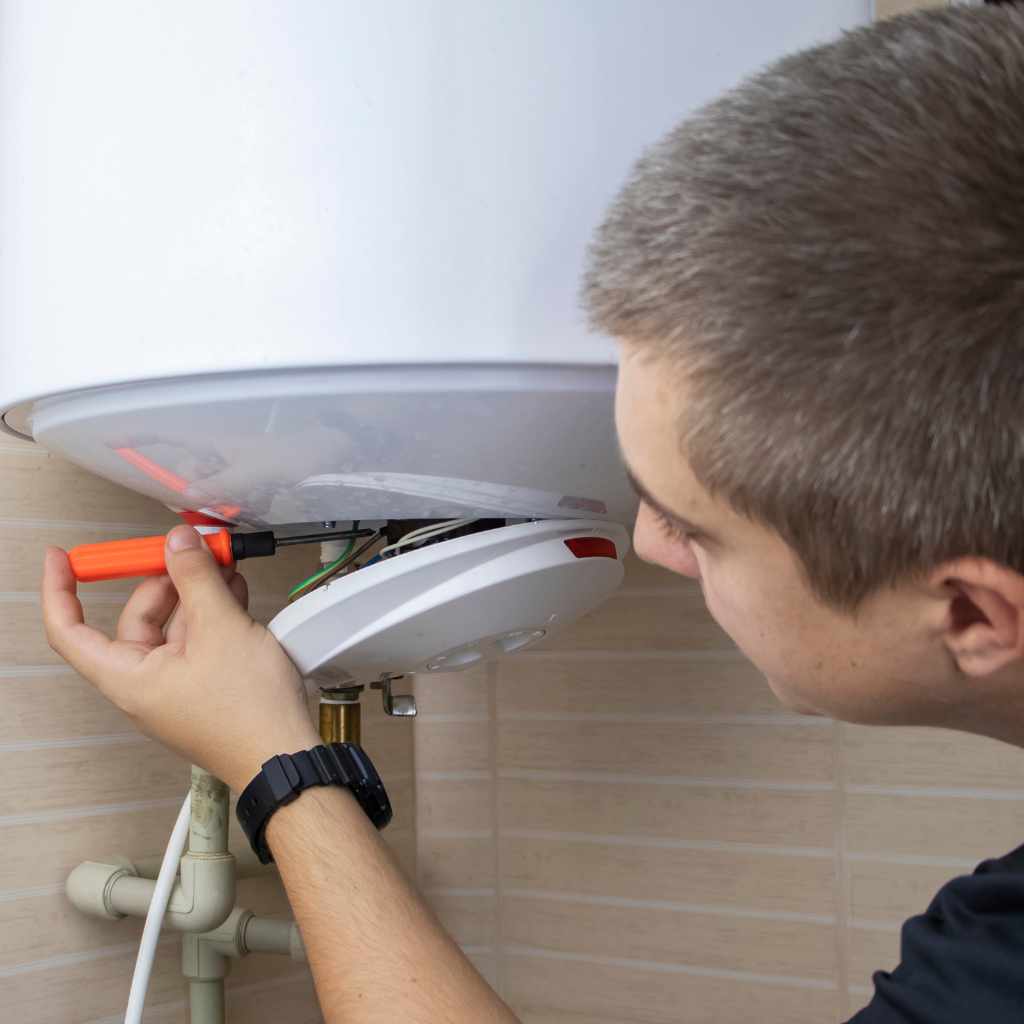
Electric water heaters use heating elements inside a tank. These elements heat the water directly. The thermostat controls the water temperature. When water cools, the elements turn on again. This cycle keeps water warm and ready to use.
Installation And Maintenance
Electric heaters are easier to install than gas models. They need a power source and water connection. Regular maintenance includes checking the heating elements and thermostat. Flushing the tank once a year removes sediment. This keeps the heater working well for a long time.
Energy Usage
Electric water heaters use electricity to heat water. They may cost more to run than gas heaters. Energy use depends on tank size and water temperature. Using a timer or energy-saving settings can lower costs. Good insulation also helps keep water hot longer.
Comparing Gas And Electric Water Heaters
Choosing between gas and electric water heaters depends on many factors. Each type has strengths and weaknesses. Understanding these helps pick the right option for your needs. Here is a clear comparison of gas and electric water heaters.
Initial Cost
Gas water heaters often cost more to buy and install. They need a gas line and proper ventilation. Electric models usually have a lower upfront price. Installation is simpler and cheaper since they only need an electrical outlet.
Operating Cost
Gas water heaters use natural gas, which can be cheaper than electricity. This lowers monthly bills in many areas. Electric heaters might cost more to run but are more efficient at heating water. Costs depend on local energy prices and usage.
Environmental Impact
Gas heaters burn fossil fuels, producing carbon emissions. Electric heaters produce no emissions at the home. Their impact depends on how electricity is made. Renewable energy sources make electric heaters greener.
Lifespan And Durability
Gas water heaters usually last 8 to 12 years. Electric models often last 10 to 15 years. Electric units have fewer parts that wear out. Gas heaters need regular maintenance for safe operation.
Emerging Alternatives To Traditional Water Heaters
Traditional water heaters often use gas or electricity to heat water. New options now exist that offer cleaner energy and can save money over time. These emerging alternatives use modern technology to provide hot water efficiently and reduce energy use.
Solar-powered Systems
Solar-powered water heaters use sunlight to heat water. Solar panels capture the sun’s energy and transfer it to the water tank. This method cuts down on electricity or gas bills. It works best in sunny areas but can still provide some heat on cloudy days. Solar systems need an initial investment but lower monthly costs afterward. They reduce carbon emissions by using renewable energy.
Heat Pump Water Heaters
Heat pump water heaters use electricity to move heat from the air to water. They use less energy than traditional electric heaters. These systems work well in moderate climates and can be installed indoors or outdoors. Heat pumps can cut energy use by up to 50%. They are quieter and last longer than regular water heaters. This option is good for people wanting to save energy and lower bills.
Choosing The Right Water Heater
Choosing the right water heater is important for comfort and savings. Not all water heaters use gas. Some use electricity or other energy types. Picking the right one depends on several key factors.
Consider your home’s needs, the energy sources you can access, and your budget. These points help find the best water heater for your situation.
Household Needs
Think about how much hot water your family uses daily. Larger families need bigger tanks or faster heating. Smaller households may prefer compact models. Also, consider how fast you want hot water. Some heaters provide instant hot water. Others store it for later use.
Energy Sources Available
Check what energy types you can use in your home. Gas water heaters require a natural gas line. Electric heaters work where electricity is reliable. Some homes can use solar power for water heating. Choose a water heater that matches your available energy source for best results.
Budget Considerations
Water heaters vary in cost. Gas models often cost more upfront but save money long term. Electric heaters usually cost less at first but may use more energy. Factor in installation and maintenance costs too. Select a water heater that fits your budget and saves you money over time.
Frequently Asked Questions
Are All Water Heaters Powered By Gas?
No, not all water heaters use gas. Some use electricity, solar energy, or propane. Gas water heaters are common but not the only option.
What Types Of Water Heaters Exist Besides Gas?
Besides gas, water heaters can be electric, solar, or tankless. Each type has different energy sources and efficiency levels.
How Do Gas Water Heaters Work?
Gas water heaters burn natural gas or propane to heat water. The heat warms the tank, providing hot water on demand.
Are Gas Water Heaters More Cost-effective?
Gas water heaters often have lower operating costs than electric ones. However, costs depend on local energy prices and usage patterns.
Conclusion
Not all water heaters use gas as their fuel. Many run on electricity or use solar power. Each type has its pros and cons to consider. Gas heaters often heat water faster and cost less to run. Electric models are easier to install and maintain.
Choosing the right one depends on your needs and home setup. Understanding these options helps you make a smart choice. Water heaters come in many forms, not just gas.
Last Updated on December 28, 2025 by Tanim