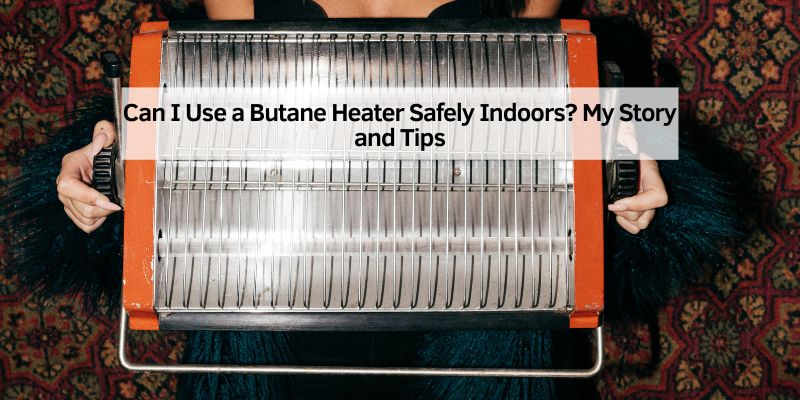
Can I Use a Butane Heater Safely Indoors? My Story and Tips
Can I Use a Butane Heater Safely Indoors? My Story and TipsI once faced a cold winter night when the power went out. I grabbed my butane heater, but wondered, are butane heaters safe indoors? This article answers that question with simple tips, safety steps, and easy examples. I’ll share what I learned to keep you warm and safe. Let’s dive in!
For the safety side of this topic, Are Block Heaters Safe: Use gives readers a practical next check before using a heater.
What Are Butane Heaters?
Butane heaters are small, portable devices that burn butane gas to create heat. They’re popular for camping, emergencies, or heating small spaces.
They come in different sizes, like tiny stoves or bigger room heaters. People love them because they’re easy to carry and don’t need electricity.
Why Use Butane Heaters Indoors?
During power outages, butane heaters can keep you warm. They’re also great for small apartments or cabins without central heating.
I used mine in a garage once, and it worked like magic. But safety is key, so let’s talk about that next.
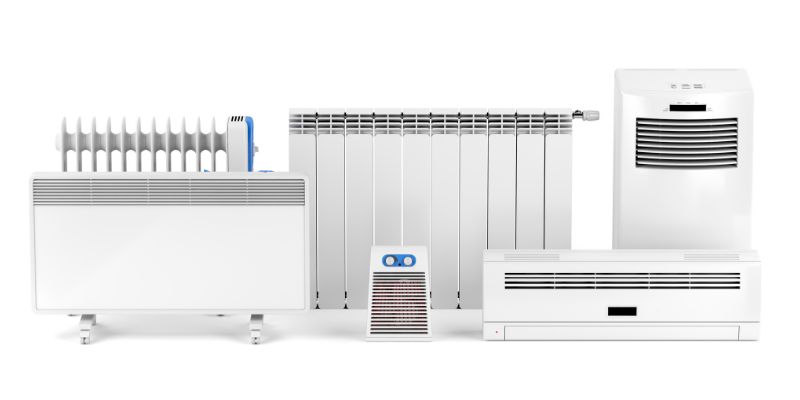
Are Butane Heaters Safe Indoors?
Yes, butane heaters can be safe indoors if you follow strict rules. The biggest risks are carbon monoxide (CO) and fire hazards.
Carbon monoxide is a silent, deadly gas produced when butane burns. Without good ventilation, it can make you sick or worse.
Key Risks of Butane Heaters
- Carbon Monoxide (CO): This gas is odorless and can harm you if you breathe it.
- Fire Danger: Butane is flammable, so leaks or sparks can start fires.
- Oxygen Loss: Burning butane uses oxygen, which can make a room stuffy.
I learned this the hard way when I felt dizzy using my heater without a window open. Always prioritize safety!
How to Use a Butane Heater Safely Indoors
Using a butane heater safely is easy if you follow these steps. I’ve tested these in my own home, and they work.
Step-by-Step Safety Guide
- Choose a Safe Heater: Pick a heater with safety features like an oxygen depletion sensor (ODS) and tip-over shutoff.
- Check for Leaks: Before lighting, sniff for a gas smell and check connections.
- Ventilate the Room: Open a window or door to let fresh air in.
- Place it Safely: Keep the heater on a flat, non-flammable surface, away from curtains or furniture.
- Use a CO Detector: Install a carbon monoxide detector nearby.
- Never Leave it Unattended: Turn off the heater when you leave the room or sleep.
I always keep a window cracked open, even in winter. It keeps the air fresh and safe.
Safety Tips for Beginners
- Read the Manual: It tells you how to use your specific heater safely.
- Store Butane Properly: Keep canisters in a cool, dry place, away from heat.
- Check the Flame: A blue flame is good; a yellow or orange flame means trouble.
These tips saved me from mistakes when I started using my heater. They’re simple but important.
Benefits of Butane Heaters
Butane heaters are awesome for many reasons. Here’s why I like them:
- Portable: They’re lightweight and easy to move.
- No Power Needed: Perfect for outages or off-grid living.
- Affordable: Butane canisters are cheap and last a while.
I used mine during a storm, and it kept my family cozy for hours.
Drawbacks of Butane Heaters
Butane heaters aren’t perfect. Here are some downsides:
- Ventilation Needs: You must keep a window open, which can let cold air in.
- CO Risk: Without proper care, carbon monoxide can build up.
- Limited Heat Range: They’re best for small spaces, not big rooms.
I found my heater didn’t warm my whole living room, so I used it in a smaller space instead.
Alternatives to Butane Heaters
If butane heaters worry you, try these options:
- Electric Heaters: Safe indoors, no gas needed, but require power.
- Propane Heaters: Similar to butane but need different safety steps.
- Kerosene Heaters: Warm but have a strong smell and need ventilation.
Electric heaters are my go-to when I have power. They’re super safe and easy to use.
Comparison Table: Butane vs. Other Heaters
| Heater Type | Safety Indoors | Power Needed | Cost |
|---|---|---|---|
| Butane | Safe with ventilation | No | Low |
| Electric | Very safe | Yes | Medium |
| Propane | Risky indoors | No | Low |
| Caption: Compare butane heaters with alternatives for indoor use. |
This table helped me choose the right heater for my needs. It’s a quick way to see the differences.
Cost-Saving Ideas for Butane Heaters
Using a butane heater can save money if you’re smart about it. Here’s how:
- Buy in Bulk: Get butane canisters in packs to save cash.
- Use in Small Spaces: Heat only the room you’re in to save fuel.
- Maintain Your Heater: Clean it regularly to make it last longer.
I saved a lot by buying canisters online in bulk. It’s cheaper than single purchases.
Cost Comparison Table: Butane Canisters
| Brand | Size (oz) | Price (USD) | Hours of Use |
|---|---|---|---|
| Coleman | 8 | $5 | 6–8 |
| GasOne | 8 | $4.50 | 6–8 |
| Generic | 8 | $3.80 | 5–7 |
| Caption: Compare popular butane canisters for cost and usage time. |
This table helped me pick affordable canisters that last. Check prices online for deals!
Common Mistakes to Avoid
I made some mistakes with my butane heater at first. Here’s what to watch out for:
- No Ventilation: Always open a window to avoid CO buildup.
- Wrong Placement: Don’t put the heater near flammable items like curtains.
- Ignoring the Manual: Read it to understand your heater’s safety features.
Once, I placed my heater too close to a couch. Luckily, I caught it before anything happened!
Personal Insights from My Experience
I’ve used butane heaters for years, especially during camping or outages. My biggest lesson? Always have a CO detector.
One time, I used my heater in a small room without ventilation. I felt sleepy and realized my mistake. Opening a window fixed it fast.
Now, I keep a checklist: ventilation, CO detector, and safe placement. It’s simple and keeps me worry-free.
Visual Ideas for Better Understanding
- Diagram of Safe Placement: Show a heater on a flat surface, away from walls and furniture.
- Ventilation Setup: Illustrate a room with an open window and airflow direction.
- CO Detector Placement: Show where to place a detector near the heater.
Note: These visuals are not included but would help clarify safe use.
These visuals would make it easier to understand safe setups. I wish I had them when I started!
Safety Features to Look for in a Butane Heater
Modern butane heaters have cool safety features. Here’s what to check:
- Oxygen Depletion Sensor (ODS): Shuts off the heater if oxygen levels drop.
- Tip-Over Shutoff: Turns off if the heater falls.
- Overheat Protection: Stops the heater if it gets too hot.
My heater has an ODS, and it gives me peace of mind. Look for these when shopping.
Safety Features Table
| Feature | Purpose | Why It Matters |
|---|---|---|
| ODS | Detects low oxygen | Prevents CO poisoning |
| Tip-Over Shutoff | Stops if heater tips | Reduces fire risk |
| Overheat Protection | Stops if too hot | Prevents burns or damage |
| Caption: Key safety features for safe butane heater use. |
This table helped me pick a safer heater. It’s worth checking these features before buying.
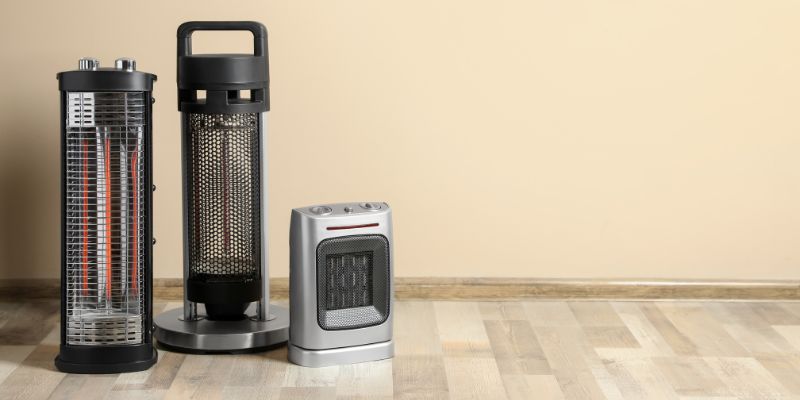
Frequently Asked Questions
Are Butane Heaters Safe Indoors?
Yes, butane heaters are safe indoors if you ventilate well. Open a window and use a CO detector. Never leave the heater on unattended, especially when sleeping. Follow the manual and keep it away from flammable items.
Can I Leave a Butane Heater On Overnight?
No, never leave a butane heater on while you sleep. It could produce carbon monoxide or start a fire. Always turn it off before bed and use a CO detector for extra safety.
How Do I Know If My Butane Heater Is Leaking?
Sniff for a gas smell before lighting. Check connections for hissing sounds. If you suspect a leak, turn off the heater, ventilate the room, and contact a professional. Don’t light it!
Do Butane Heaters Produce Carbon Monoxide?
Yes, butane heaters produce carbon monoxide when they burn. Good ventilation, like an open window, prevents buildup. A CO detector is a must to stay safe.
Are Butane Heaters Cheaper Than Electric Heaters?
Butane heaters are often cheaper to run since canisters cost less than electricity for small spaces. However, electric heaters are safer indoors and don’t need ventilation. Compare costs based on your needs.
Can I Use a Butane Heater in a Small Room?
Yes, but only with proper ventilation. Small rooms can trap CO faster, so open a window and use a CO detector. Don’t use the heater in a tiny, sealed space like a closet.
What’s the Best Butane Heater Brand?
Brands like Coleman and GasOne are reliable and affordable. Look for models with ODS, tip-over shutoff, and overheat protection. Check reviews on sites like Consumer Reports for trusted options.
Conclusion
Butane heaters can be safe indoors if you follow simple rules. Ventilate the room, use a CO detector, and choose a heater with safety features. They’re great for emergencies or small spaces, but always be careful. Try using one for your next camping adventure or power outage. Share your tips in the comments or ask me anything! Stay warm and safe!
For more safety info, check CDC on CO poisoning, CPSC heater safety, and NFPA heating tips.