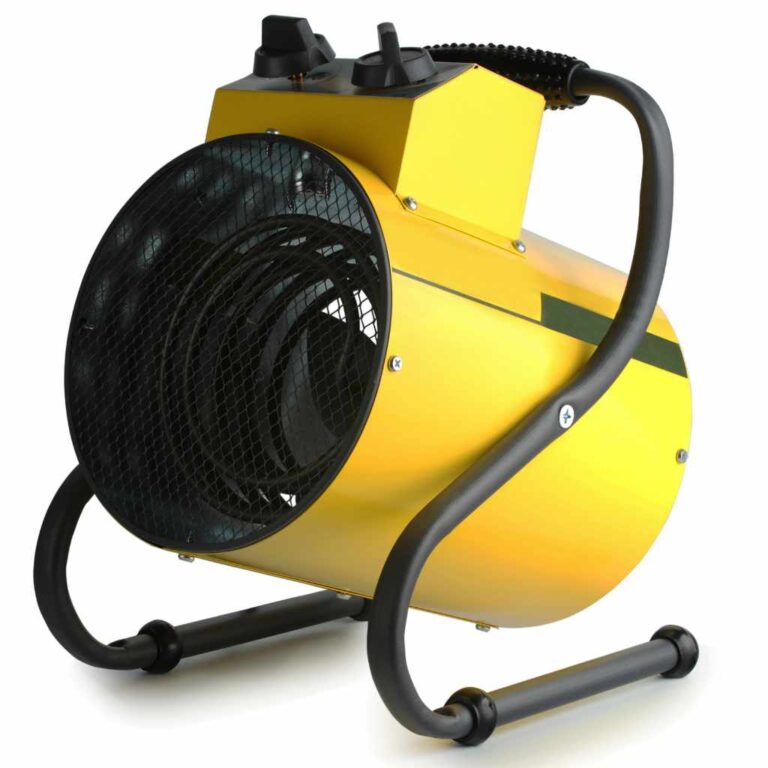
Ceramic Vs Non Ceramic Space Heaters: Proven Best
Ceramic vs non-ceramic space heaters: For most homes seeking fast, safe warmth, a high-quality ceramic heater often proves the best, offering rapid heating and good safety features, though oil-filled radiators (a non-ceramic type) excel at gentle, lasting heat.
Picking the right portable heater can feel overwhelming. You see terms like “ceramic,” “radiant,” and “oil-filled,” and it’s easy to get confused about which one keeps you cozy without hiking up your electric bill or creating a safety risk. Don’t worry! Choosing a space heater doesn’t need to be a guessing game.
We are here to clear up the confusion between ceramic and non-ceramic heaters. We will break down exactly how they work, who they are perfect for, and how to choose the model that offers you the best comfort and peace of mind this winter.
Understanding Space Heater Basics: What Makes Them Different?
When we compare “ceramic vs non-ceramic space heaters,” we are mostly talking about the heating element—the part that actually gets hot and pushes warmth into your room. The core difference lies in the material used to generate and transfer that heat.
Most portable electric heaters fall into two main categories based on technology:
- Fan-Forced Ceramic Heaters: These use a ceramic plate as the core heating element.
- Non-Ceramic Heaters: This catch-all group includes radiant heaters (like quartz or mica), oil-filled radiators, and traditional coil heaters.
Let’s look closely at these two major contenders.
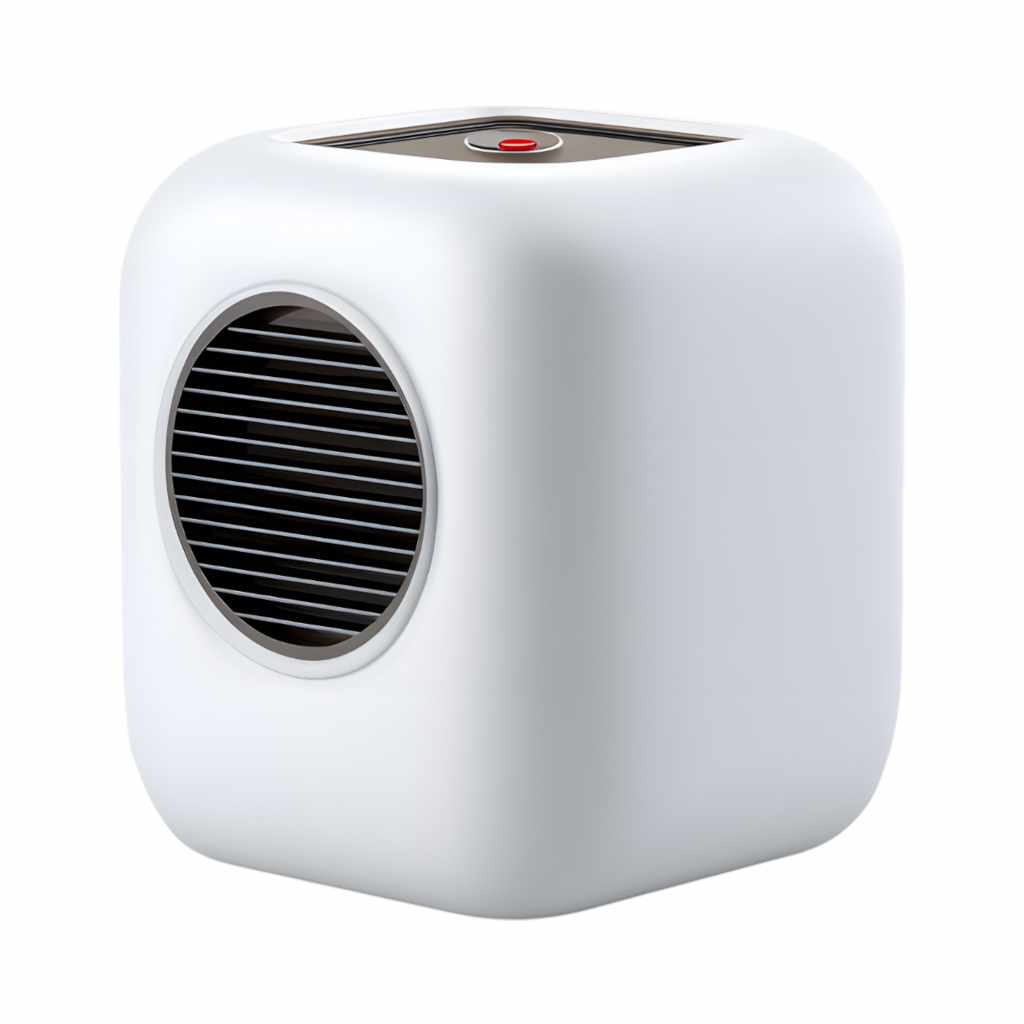
Spotlight on Ceramic Heaters: Fast, Targeted Comfort
Ceramic heaters are incredibly popular for a good reason. They work using a positive temperature coefficient (PTC) element, usually made of a ceramic material. Think of it like a dense clay plate embedded with electrical resistors.
How Ceramic Heaters Work
This is simple and effective:
- Electricity passes through the ceramic element, causing it to heat up quickly.
- An internal fan blows air directly across the hot ceramic surface.
- This warmed air is then pushed into your room, providing immediate heat.
Because they use a fan, ceramic heaters are excellent ‘forced-air’ heaters. If you need heat now in a small to medium room, they deliver quickly.
Pros and Cons of Ceramic Heaters
When weighing the options, these strengths stand out:
The Good Stuff (Pros) of Ceramic
- Fast Heat: They warm up your immediate space very quickly—often within minutes.
- Safety Features: Because the element is encased and self-regulating (it doesn’t get too hot), they often have excellent built-in safety features like tip-over shutoff and overheat protection. They are generally safer to touch than older coil heaters.
- Compact Size: Most ceramic models are small, light, and easily portable for moving from room to room.
- No Burning Smell: They don’t consume oxygen or cause dust to burn immediately, leading to cleaner air quality compared to some older technologies.
The Trade-Offs (Cons) of Ceramic
- Warms Limited Areas: They are best for supplemental or zone heating. They struggle to heat large, open spaces evenly.
- Drying Air: Because they rely on circulating forced air, some users find they dry out the ambient air a bit more than radiant models.
- Longevity: The fan mechanism can sometimes be the first part to wear out over many years of heavy use.
Diving into Non-Ceramic Heaters: Variety is the Spice of Heat
The “non-ceramic” category covers several distinct heating technologies. The best non-ceramic options for modern home comfort usually fall into two camps: Oil-Filled Radiators and Radiant/Infrared Heaters.
1. Oil-Filled Radiator Heaters (Radiant/Convection Mix)
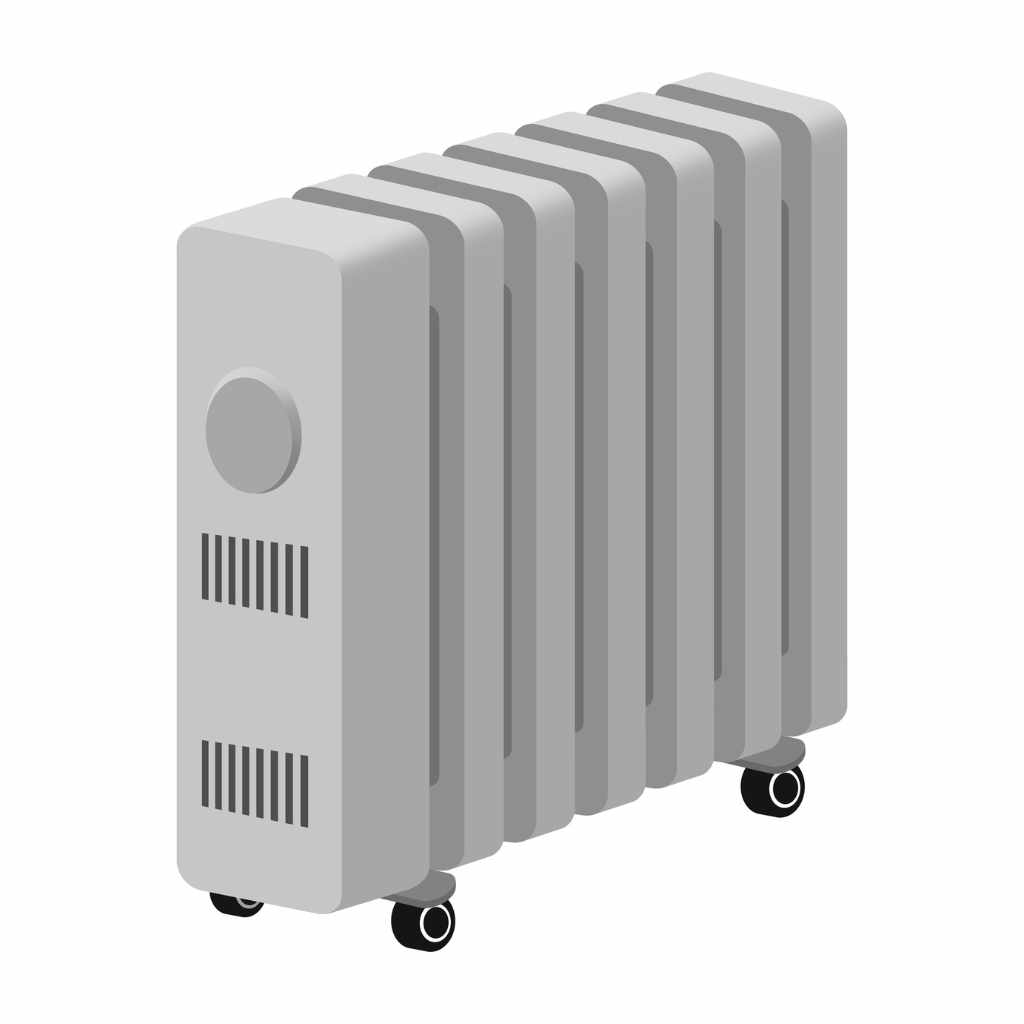
These are the sturdy, columned heaters you often see wheeled around. They do not use a fan and rely on heated oil permanently sealed inside the metal fins.
How Oil-Filled Heaters Work
- An element heats the internal, natural mineral oil.
- The oil circulates through the fins, heating the exterior metal.
- The fins emit silent infrared (radiant) heat and also warm the air around them (convection).
Key Benefit: Once the thermostat turns the heating element off, the hot oil continues to radiate heat into the room for a long time, offering sustained warmth.
2. Radiant/Infrared Heaters (Quartz or Mica)
These heaters often use quartz tubes or mica elements. Unlike ceramic heaters that heat the air, radiant heaters operate more like the sun.
How Radiant Heaters Work
They heat objects in their direct line of sight, not the air itself. You feel the warmth instantly on your skin and on the furniture in front of the unit. Because they don’t rely on a fan to move heated air, they are completely silent.
Pros and Cons of Non-Ceramic Options
Since this category is diverse, let’s focus on the pros and cons of the most common types you’ll encounter:
| Heater Type | Primary Advantage | Primary Disadvantage | Best Use Case |
|---|---|---|---|
| Oil-Filled Radiator | Silent operation and long-lasting residual heat. | Slow to heat a room initially; bulky. | Bedroom or office where sustained, gentle warmth is needed overnight. |
| Radiant/Infrared (Quartz) | Instant, direct heat; highly efficient for personal warmth. | Heat dissipates quickly once you move out of its direct path. | Warming a workstation or a specific chair in a large, potentially drafty room. |
Head-to-Head Showdown: Ceramic Vs Non-Ceramic Space Heaters
Deciding between ceramic and non-ceramic (specifically radiant or oil-filled) becomes much easier when you look at four critical factors: Speed, Coverage, Safety, and Running Cost.
1. Heating Speed and Coverage Area
If instant gratification is your goal, ceramic wins.
- Ceramic Winners for Speed: Excellent for quickly warming a bathroom before a shower or a small home office when you first sit down.
- Non-Ceramic Radiant Advantage: While it feels instant, the heat “stops” when you step out of the beam.
- Non-Ceramic Oil-Filled Slowness: These are the tortoise of the group. They take much longer to warm the air initially, but they excel at keeping large spaces gently warm for hours without cycling on and off constantly.
2. Energy Efficiency and Running Cost
This is a common point of confusion. All standard electric space heaters that use a standard outlet (1500 watts, the maximum most run at) use the same amount of electricity per hour. They all convert electrical energy to heat at nearly 100% efficiency.
The perceived difference in cost often comes down to how effectively the heater delivers that energy:
- Ceramic Efficiency: Because it heats fast, you can often turn it off sooner, saving money by running it in short bursts.
- Oil-Filled Efficiency: They maintain temperature very efficiently once the room reaches the target temperature, cycling on for short periods to hold steady heat well.
Tanim’s Take: Efficiency isn’t about the heating element material; it’s about turning the heater off when you leave the room. Never use a 1500W heater on the 1200W setting if you need full power—it often just means it runs longer to reach the same temperature.
3. Safety Features and Surface Temperature
Safety is paramount, especially with children or pets around. Both modern ceramic and oil-filled units are very safe, but they behave differently when touched.
- Ceramic Safety: The front grille where hot air exits can get quite hot, but the ceramic element itself is self-limiting. Newer models universally include tip-over shutoff and often an exterior cool-touch casing.
- Oil-Filled Safety: These heat evenly across the metal fins. While they get hot, they typically do not reach the scorching temperatures of exposed glowing elements found in older radiant heaters. They are usually the safest for ambient room heat where accidental brushing is a concern.
- Radiant Quartz Safety: The face of a quartz heater glows bright orange/red. Keep children and flammable materials well clear—usually at least three feet away.
4. Noise Level
If quiet is your absolute priority (like in a recording studio or bedroom), the choice is clear.
- Silent Heat: Oil-filled radiators and some low-power radiant heaters emit virtually no sound.
- Fan Noise: All standard ceramic heaters generate fan noise while running. It’s usually a low hum, but it’s present.
Making Your Decision: Which Heater Is Proven Best For You?
There is no single “best” heater for every situation. The proven best heater is the one that matches your specific heating need. Use this guide to pinpoint your requirements:
When the Ceramic Heater is Your Best Friend
Choose ceramic if your main goals are:
- You need quick, supplemental heat in a specific zone (like under your desk).
- Portability and light weight are essential; you move the heater often.
- You prioritize features like cool-touch casings and auto-shutoff standard in these units.
- Noise is not a major concern, or you often run the heater when other ambient noise is present (like watching TV).
When a Non-Ceramic Heater Takes the Crown
Choose a non-ceramic option if your needs align with one of these:
- Choose Oil-Filled Radiator if: You need quiet, long-lasting, sustained warmth for an entire room (like a bedroom overnight) and are not in a rush for the heat to start.
- Choose Radiant/Quartz if: You need instant, intense warmth directed only at you, often useful in workshops or very drafty areas where heating the ambient air is inefficient relative to heating your body directly.
Step-by-Step: Setting Up Your New Space Heater Safely
No matter which type you choose, proper setup ensures safety and efficiency. Since most portable electric heaters draw a lot of power (often up to 1500 watts), following these steps can prevent electrical strain or fire hazards. This advice applies equally to ceramic and non-ceramic electric models.
Step 1: Check the Heater’s Wattage and Rating
Verify the heater’s maximum draw. Most portable heaters are rated at 1500W, which is generally safe for most modern, grounded 15-amp circuits. Always check the manufacturer’s label.
Step 2: The Golden Rule of Outlets
Never plug a space heater into an extension cord or power strip. Heaters draw too much current, and extension cords can overheat, potentially causing a fire. Plug the unit directly into a wall outlet. For best results, use an outlet that is dedicated or shared with very few other devices. For more homeowner electrical safety tips, consult resources from the U.S. Fire Administration.
Step 3: Clear the Clearance Zone
This is non-negotiable for safety. You must maintain a minimum clearance around the unit. While exact specs vary, the standard safety recommendation from the National Fire Protection Association (NFPA) is the “Three-Foot Rule.”
Keep everything flammable—including curtains, bedding, furniture, and paper—at least three feet away from the intake and exit vents of the heater.
Step 4: Place on a Hard, Flat Surface
Place your heater on a level, non-combustible surface. Avoid placing heaters on rugs, carpets, or uneven furniture. Oil-filled models often come with wheels, but ensure they are stable once positioned.
Step 5: Check for Safety Certifications
Ensure your heater has been tested and certified by a recognized safety laboratory, such as UL (Underwriters Laboratories) or ETL. This confirms it meets rigorous safety benchmarks.
A Quick Comparison Table: Finalizing Your Choice
To help you visualize the differences one last time—let’s put the top contenders head-to-head across general performance metrics:
| Feature | Ceramic (Fan Forced) | Oil-Filled Radiator (Non-Ceramic) | Infrared/Quartz (Non-Ceramic) |
|---|---|---|---|
| Heat Delivery Speed | Very Fast | Slow | Instant (Line-of-Sight) |
| Heat Type | Forced Convection | Radiation & Mild Convection | Pure Radiation |
| Best For | Quick zone warming; portability | Sustained, silent whole-room background heat | Direct personal warmth in cold spots |
| Noise Level | Medium (Fan noise) | Silent | Silent |
| Surface Temperature | Grille is hot; body warms up | Fins are uniformly warm/hot | Element face glows very hot (Requires large buffer zone) |
Maintenance Tips for Optimal Heater Performance (Both Types)
A little regular care goes a long way to ensuring your space heater serves you safely for years. This simple preventative maintenance enhances a heater’s efficiency whether it’s ceramic or non-ceramic.
Cleaning Your Heater Elements
- Unplug First: Always unplug the unit from the wall outlet and allow it to cool completely before beginning any cleaning.
- Dust the Interior: Dust accumulation on the heating coils or radiators reduces their ability to transfer heat effectively. If the cover can be removed easily (check your manual!), carefully vacuum any trapped dust inside, especially around the fan blades in ceramic models.
- Wipe the Exterior: Use a slightly damp cloth to wipe down the exterior casing and air grilles of the unit. Do not use harsh chemicals.
- Inspect the Cord: Check the power cord for any fraying, cuts, or exposed wires. If you find damage, do not use the heater; recycle it safely.
Seasonal Check: Before you pull your heater out for the season, complete this cleaning check. A clean heater runs hotter, faster, and is less of a fire risk, as dust is a combustible material.
Frequently Asked Questions (FAQ) About Space Heaters
Q1: Can I use a space heater to heat my entire house?
A: Generally, no. Portable space heaters use an immense amount of electricity and are designed for “zone heating”—warming one room or area where you temporarily need extra heat. Trying to heat an entire home often results in high bills and inconsistent temperatures. Focus on heating the room you are currently occupying.
Q2: Which heater type uses the most electricity?
A: Most high-end portable electric heaters run around 1500 watts (W). Ceramic, oil-filled, and radiant heaters usually all max out near this level. Therefore, they all consume about the same amount of energy per hour running at full power. Efficiency comes from how quickly and how long you run it.
Q3: Are ceramic heaters safe around pets and children?
A: Newer ceramic models are among the safest portable options because the heating element is internal and shielded, and they usually feature tip-over protection. However, any heating element gets hot. Always maintain the three-foot safety perimeter, especially with curious children or pets.
Q4: Do oil-filled radiators need refilling, or does the oil leak?
A: No, the oil is permanently sealed inside the metal casing for the lifetime of the heater, similar to a sealed transformer. If you notice a burning smell or oil residue, the unit is likely damaged and must be safely disposed of and replaced.
Q5: Can I set a timer on a ceramic heater?
A: Many mid-to-high-end ceramic heaters feature built-in electronic timers (e.g., 1 to 8 hours), allowing you to set them to turn off automatically. Thermostatic controls are standard to prevent overheating the space, but a true countdown timer is more common on these fan-forced models.