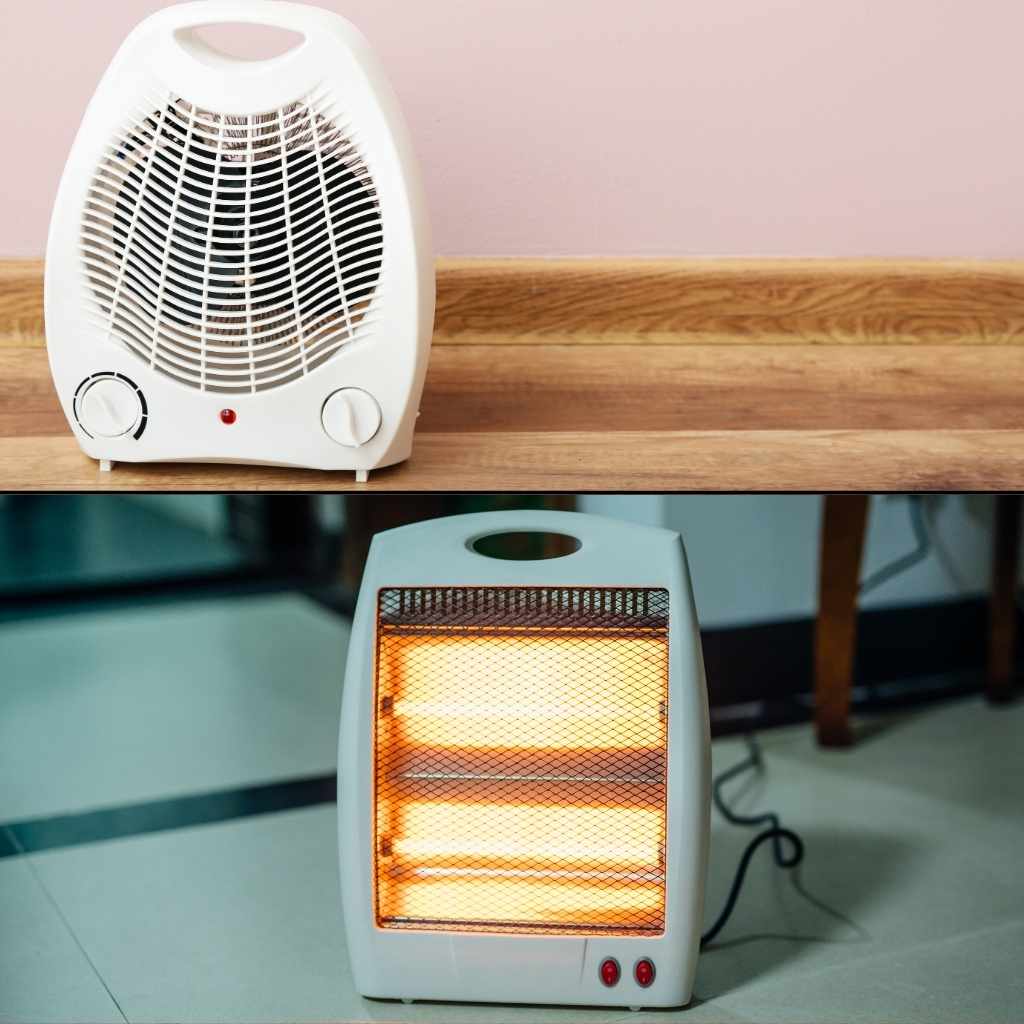
Ceramic vs Infrared Space Heater: Essential Showdown
Ceramic space heaters warm the air through a fan, quickly heating a small room, while infrared heaters use radiant heat to warm objects and people directly, making them efficient for targeted, personal warmth. Choosing between ceramic vs infrared space heater depends on whether you need fast, whole-room comfort or efficient, immediate personal heat.
Feeling that chill creep into your favorite corner? Choosing the right space heater can feel confusing. You see “ceramic” and “infrared” and immediately wonder which one cooks your socks off more affordably and safely. Don’t worry! I’m Tanim, and I’m here to walk you through what these two popular heaters actually do, without any complicated jargon. We will break down the magic behind ceramic and infrared technology so you can pick the perfect warmth maker for your home.
It is much easier than you think to create a cozy zone. By the end of this guide, you’ll know exactly which heater suits your living room, office nook, or drafty bedroom budget best. Let’s dive into the great showdown: Ceramic vs Infrared Space Heater!
Understanding Modern Supplemental Heat: How Space Heaters Work
Before we compare the heavy hitters, let’s briefly understand what supplemental heat means. A space heater is a portable appliance designed to give you a quick, focused boost of warmth in a specific area, saving you from cranking up your main furnace all the time. They are perfect helpers!
The main difference between the two types we are discussing comes down to how they move that heat energy:
- Convection Heating: This is what many standard heaters do. They heat the air, and that warm air then circulates around the room. (Think of a central air vent.)
- Radiant Heating: This mimics the sun. It sends out energy waves that heat the objects and people directly in their path, not the air itself. (Think of sitting close to a campfire.)
Ceramic mostly uses convection, and Infrared relies purely on radiation. Keep that simple difference in mind as we explore the details!
Deep Dive: The Ceramic Space Heater Explained
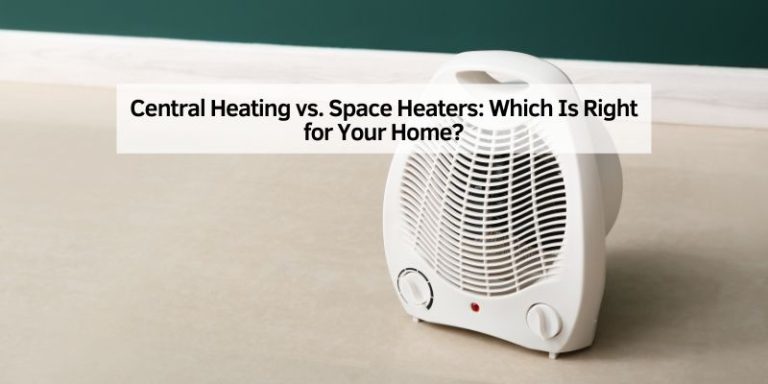
Ceramic heaters are giants in the portable heating world. They are reliable, usually budget-friendly, and very common. They work by passing electricity over ceramic plates—which are great at holding heat—and then blowing air across those hot plates using a built-in fan.
How Ceramic Heaters Produce Heat
The process is simple and effective for general room heating:
- Electricity heats small ceramic components (the heating elements).
- A small internal fan pulls cool room air across these hot elements.
- The warmed air is then blown out into the room.
Because they heat the air, it takes a few minutes for that warm air to circulate and make the whole space feel comfortable. This is great for warming up a drafty office or a medium-sized bedroom.
Pros and Cons of Ceramic Heaters
Every heater has strengths and weaknesses. Understanding these helps you match the tool to your job.
The Good (Pros):
- Fast Warm Air Output: Because they use a fan, you feel the warm air blowing almost immediately.
- Excellent Safety Features: Most modern ceramic heaters have auto-shutoff for tipping over and overheat protection.
- Area Coverage: Better for heating an entire standard room moderately, not just one spot.
- Affordability: Generally the most budget-friendly option upfront.
The Tricky Bits (Cons):
- Noise Level: The required fan motor creates noticeable background noise, which can be annoying in quiet settings like a bedroom.
- Drying Effect: Blowing air across hot elements can sometimes make the air feel drier.
- Less Efficient for Drafts: If you have a cold draft coming from a window, the warm air they produce can be quickly carried away.
Introduction to Infrared Space Heaters: Radiant Warmth
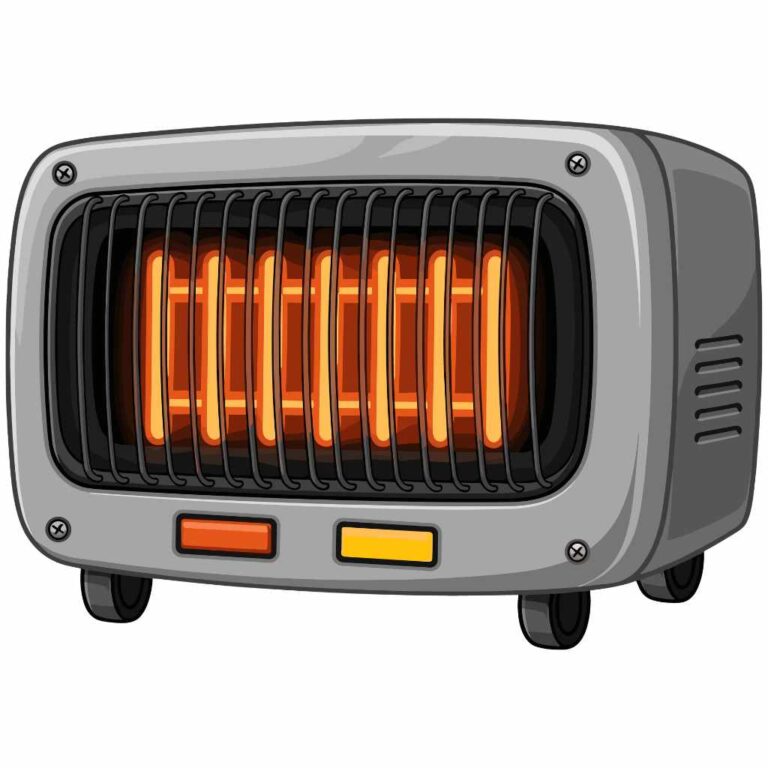
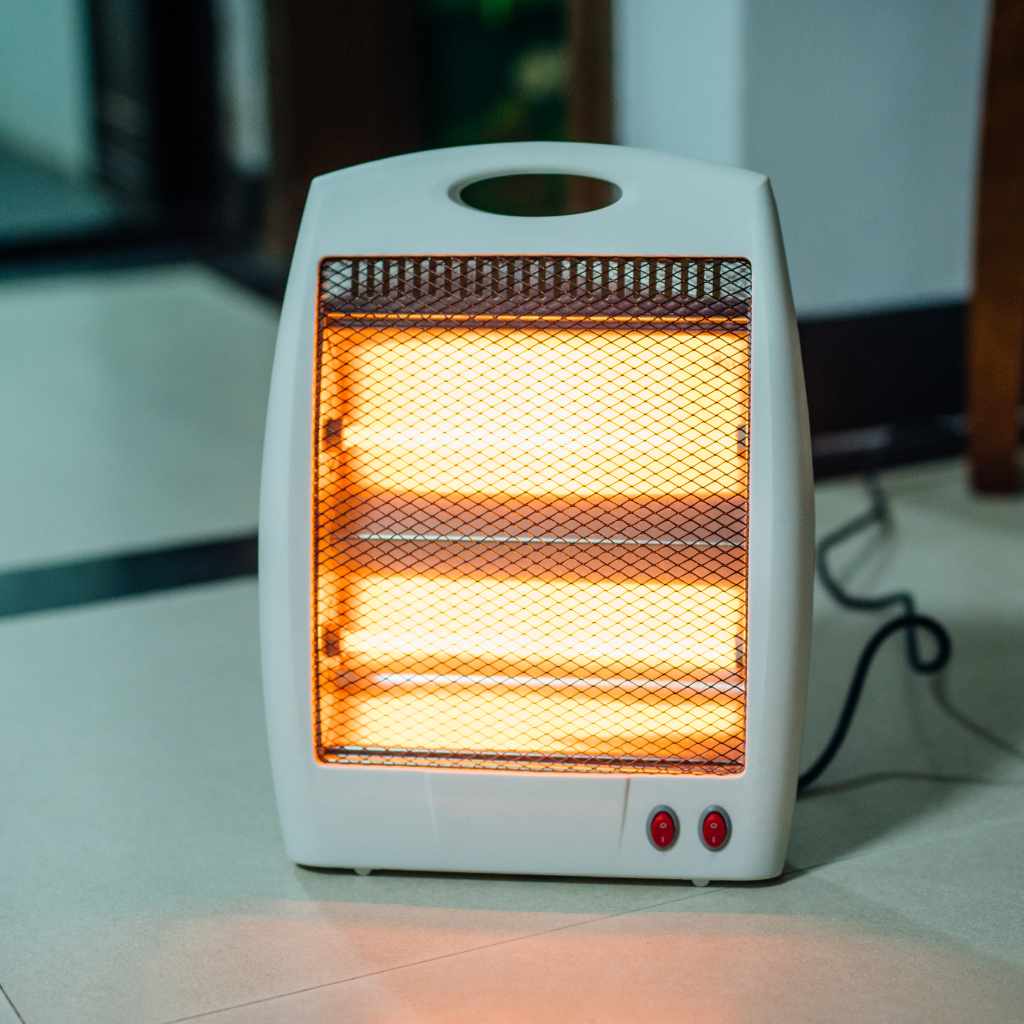
Infrared heaters, sometimes called radiant heaters, feel like a completely different experience. Instead of heating the air, they operate much like the sun or a glowing heating element in a fireplace. They emit invisible infrared waves that travel through the air until they hit an object—like you, your furniture, or the wall—and convert to heat right there.
The Science of Infrared Heating (The Simple Version)
There is no fan involved in the primary heating mechanism. Instead, electricity is sent through special tubes or quartz filaments. These filaments glow red-hot and release infrared radiation.
This heat travels directly to you. This means that even if there is a draft blowing cool air into the room, the infrared waves still reach you unimpeded. You feel warmth instantly, even if the air right around the heater is still cool.
For more reading on the physics of how infrared waves transfer energy, you can check resources like high-level science education sites regarding electromagnetic radiation.
Pros and Cons of Infrared Heaters
Infrared is fantastic for targeted comfort, but it has its limits:
The Good (Pros):
- Silent Operation: Since there’s usually no fan (or only a very quiet one for safety cooling), they are ideal for near-silent environments like offices or bedrooms.
- Energy Efficiency (Targeted Use): Because they heat objects directly, they are highly efficient when you are sitting right in front of them. You feel warm without having to heat the entire volume of empty air in a large room.
- No Dry Air: They don’t blow air across hot elements, so they tend to retain more moisture in the air.
- Immediate Feel: You feel the heat immediately upon turning them on.
The Tricky Bits (Cons):
- Line of Sight Required: If you move out of the direct path of the rays, you stop feeling the heat instantly. They don’t warm the whole room evenly.
- Slower Overall Room Heat: While you warm up fast, it can take much longer for the surrounding air temperature to rise compared to a ceramic heater.
- Higher Upfront Cost: Good quartz infrared units generally cost more than basic ceramic models.
Head-to-Head Comparison: Ceramic vs Infrared Space Heater
To make the choice crystal clear, let’s put these two types side-by-side based on key homeowner concerns: efficiency, speed, and best use case.
| Feature | Ceramic Space Heater | Infrared Space Heater |
|---|---|---|
| Primary Heating Method | Convection (Heats the air) | Radiation (Heats objects directly) |
| How Fast Heat is Felt | Medium (Requires air circulation first) | Instant (Heat travels straight to you) |
| Noise Level | Moderate (Due to the fan) | Very Low to Silent (No fan needed for heating) |
| Best Use Case | Warming a small-to-medium enclosed room relatively evenly. | Personal localized heating or spot heating in drafty areas. |
| Air Quality Impact | Can slightly dry the air by continuously moving it over elements. | Does not significantly affect air humidity. |
| Typical Cost | Lower upfront cost. | Mid-to-Higher upfront cost. |
Choosing Your Winner: Scenarios for Success
The best heater is the one that solves your heating problem reliably and safely. Here are simple scenarios to guide your decision about the ceramic vs infrared space heater matchup.
When to Choose Ceramic: The Whole-Room Helper
You want a ceramic heater if:
- You need to raise the ambient temperature of a small office, bathroom, or bedroom quickly before you settle in.
- Noise isn’t a major concern (e.g., daytime use in a busy area).
- You have a limited initial budget.
- You want a versatile heater that works reasonably well in most settings.
When to Choose Infrared: The Personal Warm Blanket
You should lean toward an infrared heater if:
- You are primarily sitting still (working at a desk, watching TV) and need instant warmth focused right on you.
- Silence is essential (e.g., nightstand placement near a sleeping area).
- You live in a very drafty area where blowing warm air against cold drafts is inefficient.
- You are concerned about keeping the air from getting too dry.
Essential Safety Features: Tips from Tanim
Regardless of whether you choose ceramic or infrared, safety is always my number one priority when discussing supplemental heat. These tips apply to both types!
Always look for these safety features when you are purchasing:
- Tip-Over Shutoff: The unit must automatically power off if it gets knocked over. This is crucial protection in households with pets or kids.
- Overheat Protection: The heater should sense when its internal temperature gets too high and power itself down before damage occurs.
- Certification Marks: Look for recognized safety certifications, such as UL (Underwriters Laboratories) approval, which means it has met rigorous safety standards.
Placement and Spacing: Keeping Things Safe
This is where many beginners create hazards. Always maintain clear space around your portable heater. Even though infrared seems safer because it doesn’t blow hot air, its infrared elements get extremely hot!
Follow the 3-Foot Rule:
- Keep a minimum of three feet (about one meter) of clear space in front of, behind, and to the sides of the heater.
- Never place any heater near flammable materials: curtains, bedding, paper piles, or upholstered furniture.
- Always plug the heater directly into a wall outlet. Never use an extension cord or power strip, as they can overheat and cause a fire.
Installation and Setup (It’s Easier Than You Think!)
One of the best parts about portable space heaters is they require zero installation. “Installation” here really means “setup and first use.”
Step-by-Step Setup Guide
Follow these simple steps:
- Unpack and Inspect: Carefully remove the unit from its box. Check the power cord for any nicks or damage before plugging it in.
- Find a Stable Surface: Place the heater on the floor or a sturdy piece of furniture that is level, non-flammable, and stable. Do not place it on a rug or carpet thick enough to block ventilation slots.
- Plug In Directly: Plug the unit securely into a dedicated wall outlet (preferably on a circuit that isn’t already shared with many other high-draw appliances).
- Adjust Settings: Turn the thermostat or power dial up to your desired setting. For infrared units, you are usually just turning it on; for ceramic, ensure the fan speed and thermostat are set correctly.
- Allow Warm-up Time: Give the unit 5-10 minutes to reach peak efficiency, especially the ceramic models, as the air needs time to circulate.
Energy Efficiency and Cost: Saving Money While Staying Warm
People often ask if one type costs more to run than the other. Since both ceramic and infrared heaters typically use the same amount of electricity (often maxing out around 1,500 watts, which is standard for a portable heater), the running cost is very similar.
Where the efficiency difference lies is in how effectively the heat reaches you.
If you are using an infrared heater to keep yourself perfectly toasty while sitting in front of it, you save money because you might be able to lower your main thermostat setting by a few degrees. You get directed comfort without heating the entire house volume.
If you use a ceramic heater to gently raise the overall temperature of a small bedroom overnight, it’s achieving a different, but also energy-smart, goal—avoiding turning the main furnace on inefficiently during the night.
| Activity | Energy Saver Choice | Why? |
|---|---|---|
| Working at a Desk All Day | Infrared | Direct, focused heat keeps you comfortable without heating the entire office air. |
| Warming a Bathroom Before Showering | Ceramic | Quickly circulates warm air to raise the ambient temperature in a small, enclosed room. |
| Sitting by a Drafty Window | Infrared | Radiant heat bypasses the cold air movement. |
Maintenance: Keeping Your Heater Ready for Winter
Routine, simple cleaning is key to efficiency and stopping dust buildup that can be a safety hazard. Maintenance is easy for both types.
Routine Cleaning Steps (Monthly During Use)
- Unplug the heater and allow it to cool down completely (even the infrared element needs to cool if you’ve used it recently).
- Dust Removal: Use a soft brush attachment on your vacuum cleaner to gently suck dust off the exterior grille or vents. For ceramic heaters, pay special attention to the fan area if you can safely reach it.
- Wipe Down Exterior: Use a slightly damp (not wet!) cloth to wipe down the exterior casing. Do not allow any moisture near internal components.
- Inspect the Cord: Every time you clean, give the cord a quick visual check for kinks, fraying, or stress near the plug or the heater casing.
Remember, never use abrasive cleaners or solvents on your space heater. A clean heater runs more quietly and safely, maintaining great airflow for ceramic models and great radiance for infrared models.
Frequently Asked Questions (FAQ)
Q1: Can I use an infrared heater to warm up a large living room?
A: Infrared heaters are best for targeting one or two people in a specific zone. They will struggle to raise the overall temperature of a large, open living room evenly, as they don’t heat the air as well as a ceramic unit does.
Q2: Which type of heater is generally quieter?
A: Infrared heaters are generally much quieter, often silent, because they don’t rely on a fan motor to distribute heat. Ceramic heaters utilize a fan, which always produces some level of operational noise.
Q3: Are ceramic heaters safe to leave running overnight?
A: Yes, provided you have purchased a modern unit that includes automatic tip-over shutoff and overheat protection, and you have followed all safe placement guidelines (the 3-foot rule). Always double-check the manufacturer’s manual, but these features are standard now.
Q4: Does infrared heat feel hot on the skin?
A: Yes, it feels like direct warmth, similar to standing near a warm window on a sunny winter day. However, be careful not to touch the quartz element itself, as it becomes very hot and can cause severe burns.
Q5: Which one is better for very dry climates?
A: Infrared is usually better in dry climates. Ceramic heaters work by having air blow over a hot element, a process that naturally reduces the relative humidity of the air being blown out. Infrared heats objects directly, so it doesn’t impact the ambient moisture level of the room air.
Q6: Can I run a 1500W space heater on a standard home outlet?
A: Absolutely. Most standard 15-amp household circuits can handle a 1500-watt load safely, provided you don’t run many other high-draw electronics (like hair dryers or microwaves) on that same circuit simultaneously. As mentioned before, always plug it directly into the wall, not into an extension cord.
Finding the Perfect Heat Match for Your Home Life
We have journeyed through the fundamental differences between ceramic and infrared space heaters. As your guide, Tanim, I hope you now see that this isn’t about declaring one a definite winner, but rather identifying which technology is the perfect partner for your specific heating needs. Do you need silent, immediate, targeted warmth? Go Infrared. Do you need reliable, decently quick, affordable heating for a small enclosed area? Ceramic is your trustworthy friend.
Remember the crucial safety reminders: direct wall plugging, maintaining that three-foot safety buffer, and checking for auto-shutoff features. With the power of informed choice and careful placement, you can successfully introduce supplemental heat into your home this season. Stay warm, keep it simple, and enjoy the cozy results!