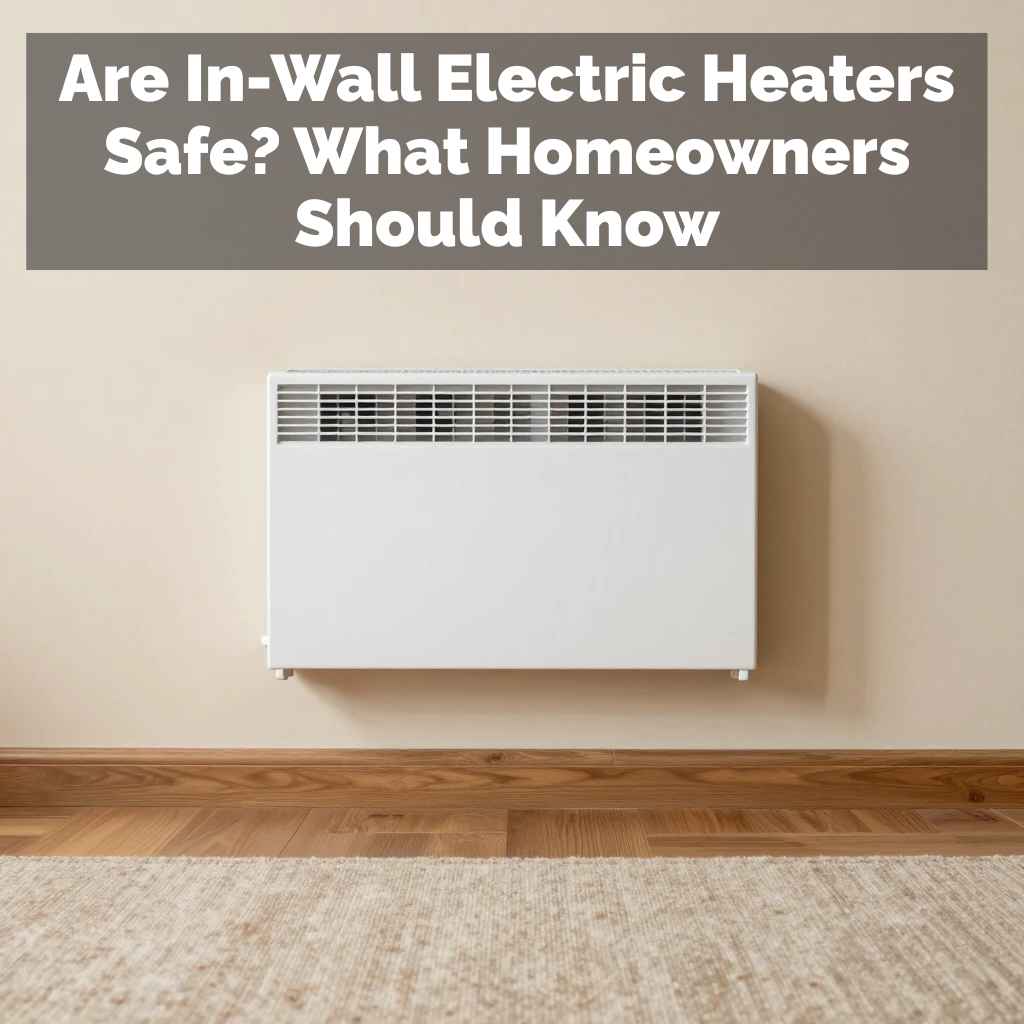
It’s a common question, especially when thinking about heating your home. You see those sleek electric heaters built right into the wall. They look modern and save floor space.
But a big concern pops up: are they really safe? This is a worry many homeowners share, and it’s totally understandable. We all want our homes to be warm and cozy, but never at the expense of safety.
Let’s dive in and figure out what you need to know about in-wall electric heaters. We’ll break down the safety aspects, the benefits, and what can go wrong. By the end, you’ll feel much more confident about these heating options.
In-wall electric heaters can be safe when installed and used correctly. However, like any heating system, they carry risks if neglected or misused, including fire hazards and electrical issues. Proper maintenance, installation by a qualified electrician, and mindful usage are key to ensuring their safety in your home.
What Are In-Wall Electric Heaters?
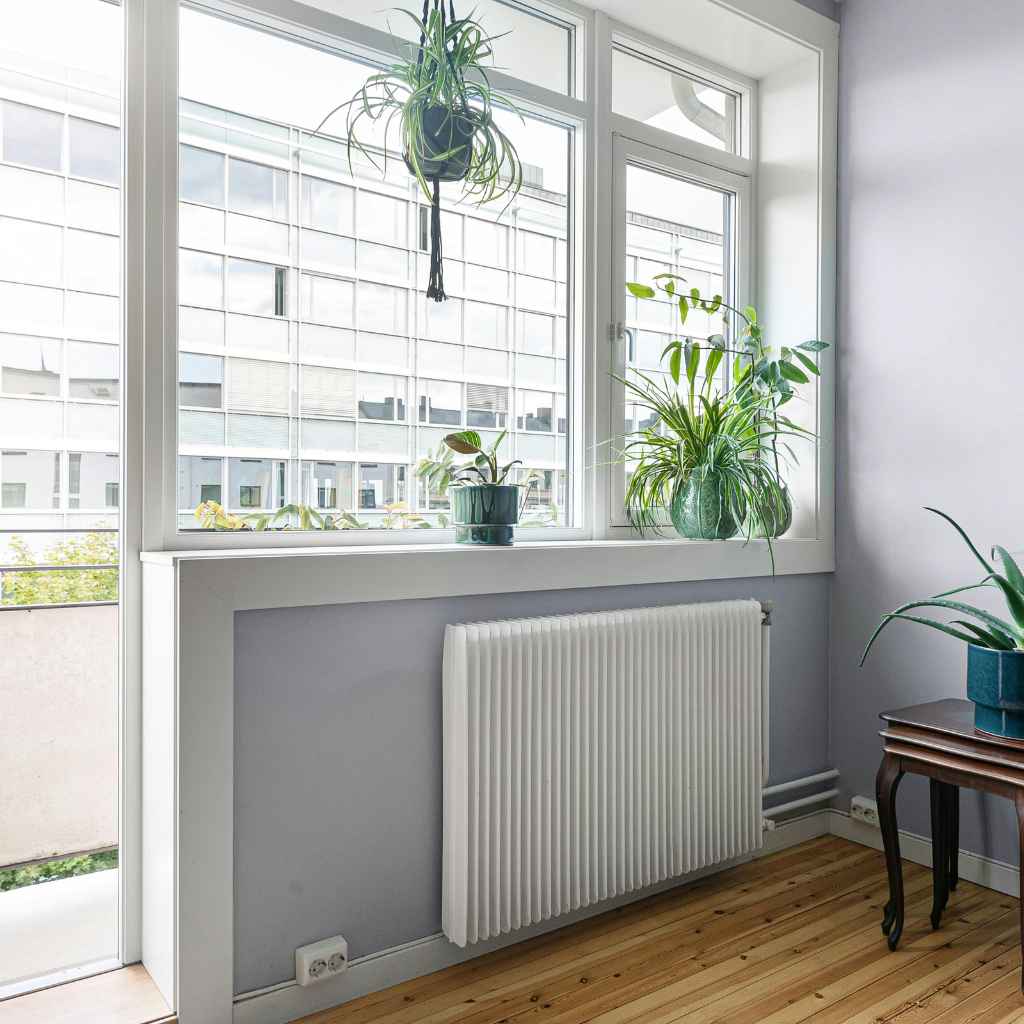
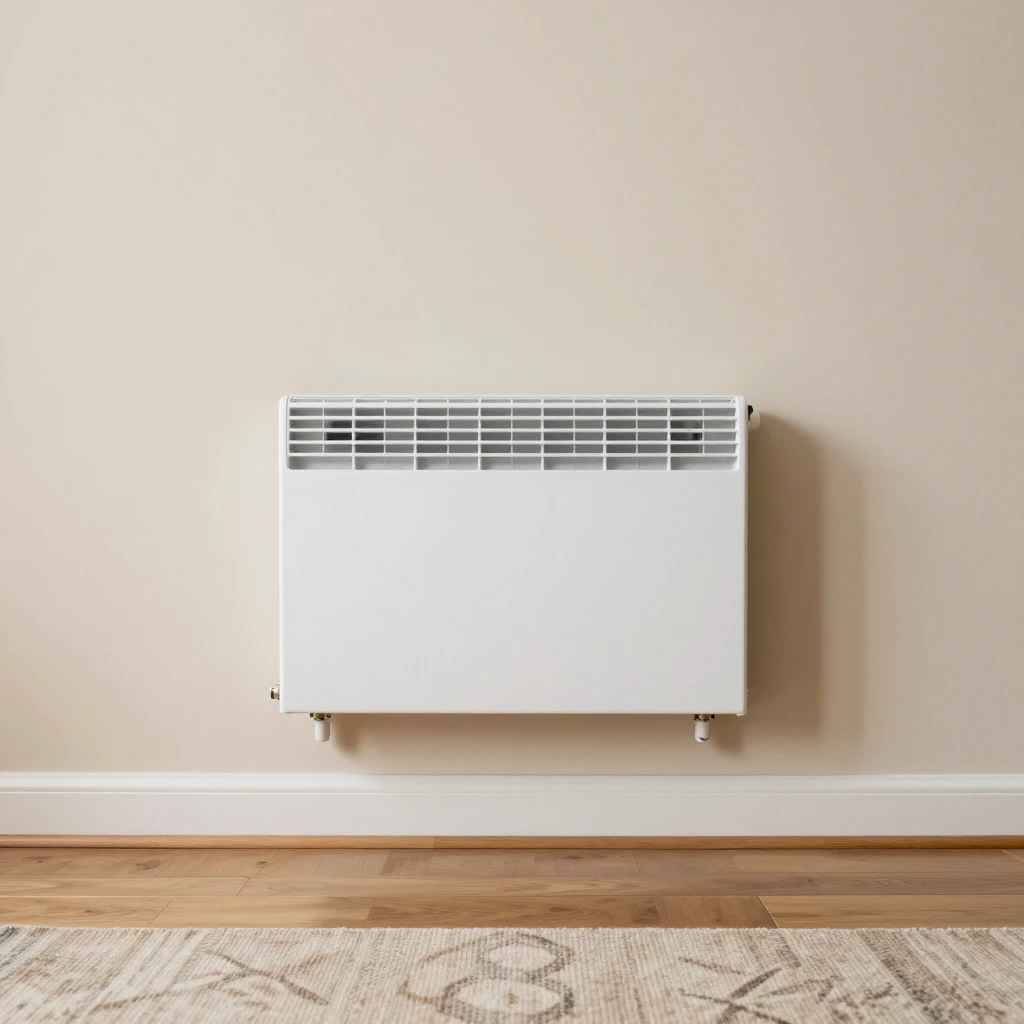
In-wall electric heaters, often called baseboard heaters or wall heaters, are heating units installed directly into the wall. They use electricity to create heat. This heat then warms the air around them.
The warm air rises, and the cooler air sinks. This natural movement, called convection, helps circulate heat throughout a room. They come in various types.
Some are long and thin, like electric baseboard heaters that run along the bottom of a wall. Others are smaller units, sometimes found in bathrooms or smaller spaces. They don’t need ducts like central heating systems.
This makes them a popular choice for additions or rooms where central heating is tricky.
These heaters work by passing electricity through a resistance element. Think of it like a toaster or an electric kettle. The element gets hot.
A fan might be used to push the warm air out, or the heat might radiate or convectively warm the space. They are great for supplemental heat. They can also be the main heat source in smaller areas or rooms with little sun.
Because they are mounted on the wall, they free up floor space. This is a big plus for smaller homes or rooms with a lot of furniture. They also offer individual room control.
This means you can heat only the rooms you are using. This can help save energy.
My Own Little Heater Scare
I remember a few years back, I was helping a friend move into a new apartment. It was a bit older, and the landlord had installed these slim electric heaters along the base of the walls in the living room. They looked neat.
The tenant, my friend, was excited about not having a big bulky heater taking up space. We got everything set up. Then, the first cold snap hit.
She turned them on. For a few days, it was great. The apartment was warm.
She felt so pleased with the space-saving design. But then one evening, I was over. I smelled something odd.
It wasn’t a strong burning smell, just a faint, acrid scent. I mentioned it to her. She hadn’t noticed it.
We looked around the apartment. The smell seemed strongest near one of the heaters. I knelt down.
There was a small pile of dust bunnies and a stray piece of paper that had somehow fallen behind the heater. The element inside was glowing red hot, and that paper was starting to char. It wasn’t on fire, thankfully, but it was close.
We immediately turned off that heater. Then we turned off all of them. It was a good reminder that even simple things need attention.
That little incident stuck with me. It showed me that anything that gets hot needs to be kept clear and clean, no matter how modern or safe it looks.
Common In-Wall Heater Types
Baseboard Heaters: These run along the base of a wall. They are long and low. They use convection to heat a room.
They are very common.
Convection Heaters: These are often found inside walls. They pull cool air from the floor. They heat it, and then release it through a vent at the top of the wall.
They can be silent.
Fan-Forced Heaters: These have a fan. The fan blows air over a hot element. This heats the air quickly.
They are common in bathrooms.
Radiant Heaters: Some wall units produce radiant heat. This is like heat from the sun. It warms objects directly.
It doesn’t rely as much on air movement.
The Safety Question: What Are the Real Risks?
The main safety concern with any electric heater is fire. In-wall electric heaters are no different. The heat source itself is electricity.
When electricity flows through the heating element, it gets very hot. If something flammable comes into contact with this hot element, it can catch fire. Dust, curtains, furniture, and even pet bedding are all potential fire starters if they get too close.
Another risk is electrical issues. Like any appliance, wiring can wear out. Loose connections can cause overheating or sparks.
Improper installation is a big one here. If a heater isn’t wired correctly, it can be a fire hazard. It can also lead to electrical shocks.
This is why it’s so important to have these heaters installed by a qualified electrician. They know the local codes and best practices. They ensure the wiring is adequate for the heater’s power draw.
Overheating can also happen if the heater’s vents are blocked. This prevents air from circulating properly. The unit can get too hot.
This can damage the heater itself. It can also pose a fire risk. Some heaters have built-in safety features, like automatic shut-offs.
These are designed to turn the heater off if it gets too hot or if it’s tipped over. However, these safety features are not foolproof. They are meant to be a backup, not a replacement for careful use.
Children and pets add another layer of risk. Curious hands or paws can touch a heater that is running. Even if it’s not hot enough to cause a serious burn, it can be uncomfortable or startling.
Some heaters get hotter than others. Knowing the surface temperature of your specific model is important. Always check the manufacturer’s warnings.
Safety Checks You Can Do
Visual Inspection: Look for any damaged cords or plugs. Check the heating elements for excessive rust or damage.
Clearance: Make sure there’s nothing flammable near the heater. Keep curtains, papers, and furniture at a safe distance. The manufacturer will list recommended clearances.
Dust and Debris: Regularly clean dust from the heater’s vents and fins. This helps with airflow and reduces fire risk.
Professional Check: If you have older units, consider having an electrician inspect them. They can check the wiring and overall condition.
The Benefits of Having Them
Despite the risks, in-wall electric heaters offer some great advantages. The biggest one is often space-saving. Unlike portable electric heaters or bulky central units, they blend into the wall.
This gives you more usable living space. Your furniture placement isn’t dictated by where the heater needs to go. This is a huge benefit for smaller apartments, condos, or even just for a tidier look in any room.
Another major plus is individual zone heating. You can control the temperature in each room separately. This means you don’t have to heat the whole house if you’re only using one or two rooms.
This can lead to energy savings. You’re not wasting electricity on empty spaces. For homes with varying heating needs, like bedrooms versus living areas, this is fantastic.
Some systems even offer programmable thermostats. You can set schedules for when rooms should be heated.
They are also relatively easy to install compared to central heating systems. They don’t require extensive ductwork. This can make them a more affordable option for adding heat to a specific area.
They are also quite efficient at converting electricity into heat. For every unit of electricity they use, they produce a unit of heat. This is known as 100% efficiency, though that doesn’t account for energy loss in electricity generation or transmission.
Finally, they provide quick heat. When you turn them on, they start producing warmth fairly quickly. This is great for areas that get chilly during certain times of the day or year.
Bathrooms are a classic example. A quick burst of heat from a wall heater can make getting out of the shower much more comfortable. They offer a simple and direct way to add comfort where you need it most.
When Are In-Wall Heaters a Good Idea?
Room Additions: Perfect for adding heat to a new room without connecting to central HVAC.
Older Homes: Great for areas in older homes that may not have adequate existing heat.
Supplemental Heat: Can boost heat in rooms that are always colder than others.
Zoned Heating: Ideal for controlling heat in specific areas to save energy.
Aesthetic Appeal: When you want a clean look without visible heating units.
Installation Matters: The Electrician’s Role
The safety of your in-wall electric heater hinges heavily on its installation. This is not a DIY job for most people. A qualified electrician has the knowledge and tools to ensure the job is done right.
They will assess your home’s electrical panel. They’ll make sure it can handle the added load of the heater. They will use the correct gauge wire.
This wire is strong enough to carry the electricity safely. Using the wrong wire can cause overheating and fire.
They will also ensure the circuit breaker is properly sized. A breaker protects the circuit from overcurrent. If the current gets too high, the breaker trips, cutting off power.
This prevents fires. The electrician will connect the heater to the appropriate circuit. They will follow all local building codes and electrical standards.
These codes are in place to protect you and your home.
Proper grounding is another critical step. Grounding provides a safe path for electricity to flow in case of a fault. This helps prevent shocks.
The electrician will also ensure the heater is securely mounted. It needs to be firmly attached to the wall framing. This prevents it from becoming loose over time.
They will also ensure proper clearances are maintained during installation. This means making sure the heater isn’t placed too close to flammable materials like drywall or wood studs.
Think of it this way: the heater is the brain, but the installation is the nervous system. A faulty nervous system can cause major problems. A good installation means the heater can do its job safely and effectively for years to come.
Always get quotes from licensed and insured electricians. Ask for references if you’re unsure. It’s an investment in your safety.
What to Ask Your Electrician
Licensing and Insurance: Confirm they are licensed in your state and insured.
Experience: Ask if they have experience installing these types of heaters.
Quoting Process: Get a detailed written quote that includes all parts and labor.
Timeline: Understand how long the installation is expected to take.
Warranty: Ask about any warranty on their workmanship.
Understanding Your Heater’s Controls
Most in-wall electric heaters come with controls to manage their operation. These controls are important for both comfort and safety. The most basic control is usually a thermostat.
This device senses the room temperature. It tells the heater when to turn on and off to maintain a set temperature. Some thermostats are built directly into the heater unit.
Others can be mounted on the wall separately.
More advanced models might have digital displays. These show the current temperature and the set temperature. They can also offer programming features.
You can set different temperatures for different times of the day or week. For example, you might want the house cooler overnight. Then, you can set it to warm up before you wake up.
This saves energy and improves comfort.
Some heaters also have fan speed controls. This affects how quickly heat is distributed. Higher fan speeds usually mean faster heating but can be noisier.
Lower speeds are quieter but might take longer. There might also be timers. These allow you to set the heater to run for a specific period.
This is useful for areas like bathrooms where you only need heat for a short time.
Safety features are also part of the controls. Many heaters have a high-limit shutoff. This is a safety device that automatically turns the heater off if it gets too hot.
This is crucial for preventing fires. Some models have tip-over protection. This is more common in portable heaters but can be found in some wall units.
If the heater is knocked over, it will shut off. Always read your heater’s manual to understand all its controls and features. Knowing how to use them properly is part of safe operation.
When Is it Normal, and When Should You Worry?
It’s normal for electric heaters to produce heat and sound a little when they first turn on or off. You might hear a soft click as the thermostat engages or disengages. You might also hear a slight popping or pinging sound as the metal elements expand or contract with temperature changes.
A faint hum from a fan-forced unit is also typical.
However, there are signs that indicate a problem. A strong burning smell is a major red flag. This could mean something is overheating inside the unit or is too close to the heating element.
Strange noises, like grinding, squealing, or loud buzzing, are also cause for concern. These could point to a malfunctioning fan motor or other internal issues. Visible sparks or smoke are immediate dangers.
You should shut off the power to the unit at the breaker box and call a professional immediately.
If the heater is not producing heat, or not producing enough heat, it could be a sign of a faulty thermostat, a blown fuse, or a problem with the heating element itself. If the unit’s casing feels excessively hot to the touch, even in areas that aren’t the direct heating element, that could indicate an internal problem or blocked airflow. In bathrooms, ensure the unit is specifically rated for that environment.
Moisture and electrical devices need careful consideration. Always prioritize safety. If you’re ever in doubt about a heater’s operation, it’s best to err on the side of caution.
Quick Safety Checks
Smell: A faint “new heater” smell is sometimes normal at first. A strong, acrid, or persistent burning smell is NOT normal.
Sound: Gentle clicks or hums are okay. Loud grinding, squealing, or buzzing means trouble.
Heat: The heating element area will be hot. The casing should not be excessively hot to the touch.
Visuals: Look for any signs of damage, discoloration, or debris.
Keeping Them Clean and Clear
Dust is the silent enemy of electric heaters. Over time, dust settles on the heating elements and gets into the fins. When the heater turns on, this dust heats up.
It can smolder. In some cases, it can ignite. Dust also clogs vents.
This reduces airflow. Reduced airflow makes the heater work harder. It can also cause the unit to overheat.
Regular cleaning is one of the most important safety and maintenance tasks you can do.
How often should you clean? A good rule of thumb is to clean them at least once a year. Many people do it in the fall before they start using them for the season.
However, if you live in a dusty environment or have pets that shed, you might need to clean them more often. Twice a year is a good idea for many households.
Before you start cleaning, always turn off the power to the heater. You can do this at the thermostat or at the circuit breaker. This is a crucial safety step.
Once the power is off, you can begin cleaning. For most baseboard and convection heaters, you can use a vacuum cleaner with a brush attachment. Gently vacuum the fins and any accessible vents.
For dust that’s stuck, a soft brush can help loosen it. You might also use a damp cloth to wipe down the exterior surfaces. Make sure the cloth is only slightly damp, not wet.
You don’t want water getting into the electrical components.
For fan-forced heaters, like those in bathrooms, you may need to remove the cover to get to the fan and heating element area. Consult your owner’s manual for specific instructions on how to safely remove the cover. Once cleaned, reassemble the unit carefully.
Then, turn the power back on. Do a test run to ensure it’s working correctly and that there are no unusual smells or sounds.
Cleaning Checklist
Safety First: Turn off power at the breaker!
Vacuum: Use a brush attachment to remove surface dust from fins and vents.
Brush: A soft brush can dislodge stubborn dust.
Damp Cloth: Wipe down the exterior. Avoid getting water inside.
Manual Check: Consult your owner’s manual for model-specific cleaning tips.
Test Run: After cleaning, turn power back on and test the unit.
Smart Use for Safer Homes
Using your in-wall electric heaters smartly is as important as having them installed correctly and kept clean. It’s about being mindful of how they operate and what’s around them. Always maintain safe clearances.
This means keeping furniture, curtains, bedding, and anything else flammable at least three feet away from the heater. This is a standard recommendation, but always check your specific model’s manual.
Avoid using extension cords with electric heaters. They are not designed for the high power draw of heaters. Using an extension cord can cause it to overheat and potentially start a fire.
Plug the heater directly into a wall outlet. If your outlet is damaged or worn, have it repaired or replaced by an electrician.
Don’t run heaters unattended for extended periods. While many have safety features, accidents can still happen. If you’re going out or going to sleep, it’s a good practice to turn off or set back the thermostat for the heater.
This is especially true for older units or those without advanced safety features. Teach children about heater safety. Explain that they are hot and should not be touched.
When using programmable thermostats, set realistic temperatures. Extreme temperatures can strain the heater. Also, be aware of your home’s insulation.
Poor insulation means the heater will have to work harder and longer to maintain a temperature. This uses more energy and puts more wear on the unit. Regularly check your home’s smoke detectors.
Make sure they have fresh batteries and are working correctly. They are your first line of defense against a fire.
Smart Usage Habits
Clearance is Key: Always maintain a safe distance from flammable items.
No Extension Cords: Plug directly into a wall outlet.
Supervise Operation: Avoid leaving heaters on unattended for long periods.
Educate Family: Teach children about heater safety rules.
Monitor Performance: Listen for unusual sounds and check for smells.
Test Detectors: Ensure smoke detectors are working.
When to Call a Professional
There are times when a problem with your in-wall electric heater is beyond a simple fix. If you notice any persistent strange smells, unusual noises, or signs of damage, it’s time to call a professional. An electrician is the right person for the job.
They can diagnose electrical issues. They can also identify problems with the heating elements or internal wiring.
If your heater suddenly stops working, or isn’t heating properly, an electrician can determine if it’s a simple fix like a tripped breaker or a more complex issue with the unit itself. If the unit is sparking, smoking, or showing visible signs of melting or burning, immediately shut off power to the unit at the circuit breaker. Do not attempt to use the heater.
Call an electrician right away. These are serious fire hazards.
Even if you’re just considering installing new in-wall heaters or replacing old ones, a professional installation is crucial for safety. They will ensure the wiring is adequate for the heater’s power needs. They will make sure the installation meets all safety codes.
Don’t try to cut corners on electrical work. The potential consequences are too severe. A professional installation and timely repairs are investments in the safety of your home and family.
Frequent Questions About In-Wall Electric Heaters
Are in-wall electric heaters safe for bedrooms?
Yes, in-wall electric heaters can be safe for bedrooms when properly installed and used. It’s important to ensure they are kept clear of bedding and curtains. Always follow the manufacturer’s safety guidelines regarding clearances and usage.
Programmable thermostats can also help maintain a safe and comfortable temperature throughout the night.
Can dust cause a fire in an electric heater?
Yes, accumulated dust on the heating elements can heat up and smolder when the heater is on. If there is enough dust or other flammable material, it can ignite and start a fire. Regular cleaning of your heaters is essential to prevent this risk.
How often should in-wall electric heaters be inspected?
It’s recommended to perform visual inspections and cleaning yourself at least once a year, usually before the heating season begins. For a more thorough safety check, especially for older units, it’s wise to have a qualified electrician inspect the heater and its wiring every 2-5 years.
What is the difference between a convection heater and a fan-forced heater?
A convection heater heats air naturally through circulation. Cooler air enters the unit, is heated, and then rises to warm the room. A fan-forced heater uses a fan to blow air over the heating element, which heats the air more quickly and distributes it faster, but can be noisier.
Are in-wall electric heaters expensive to run?
Electric heaters convert electricity directly into heat, making them 100% efficient at the point of use. However, electricity costs can vary by region. They can be more expensive to run than natural gas heaters if electricity prices are high.
However, their ability to heat specific zones can lead to overall energy savings if used strategically.
Can I paint over an in-wall electric heater?
It is generally not recommended to paint over the heating elements or vents of an in-wall electric heater. Paint can affect the heater’s performance and potentially become a fire hazard as it heats up. If the unit’s casing is painted, use high-temperature paint specifically designed for appliances, and always consult the manufacturer’s guidelines.
Final Thoughts on Safety and Comfort
In-wall electric heaters can be a safe and effective way to heat your home when treated with respect. The key lies in proper installation, regular maintenance, and smart, mindful usage. By understanding the potential risks, keeping your units clean and clear of obstructions, and always prioritizing safety checks, you can enjoy the warmth and convenience they offer.
Further Reading: CPSC in-wall heater fire safety | DOE electric heating guide
Don’t hesitate to call a professional electrician if you have any doubts or notice any issues. Your comfort and safety are worth the effort.