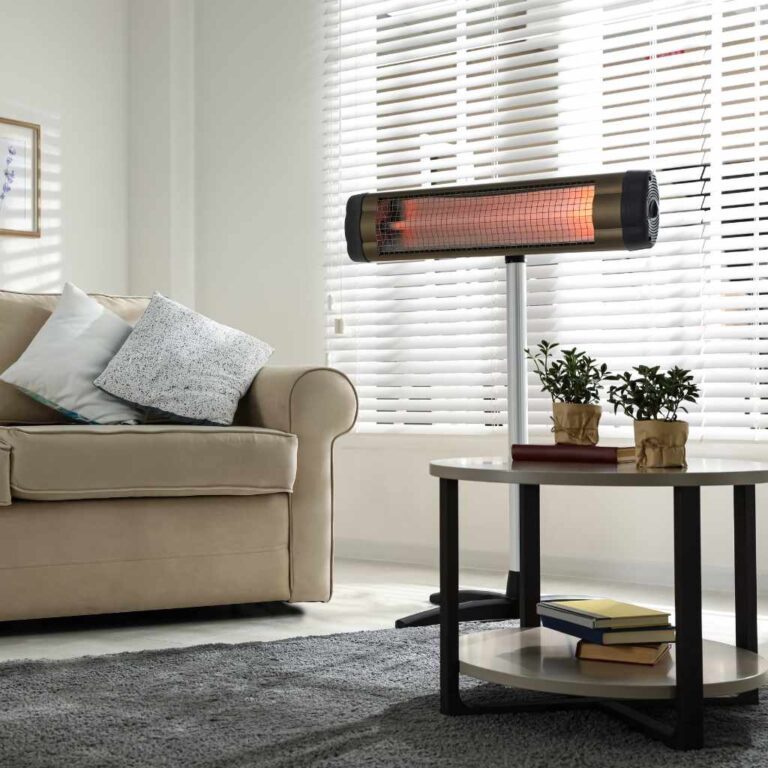
Do Infrared Heaters Need Annual Maintenance?
Yes. Electric infrared heaters need annual homeowner maintenance: clean the reflector, emitter, grille, and cord, then test controls. Gas-fired or commercial units may also need annual professional service. Skipped maintenance can raise fire risk, cut heat output, and shorten component life by letting dust, loose hardware, and worn parts keep working unchecked. This guide separates simple yearly upkeep from service checks and lists warning signs that mean it is overdue.
Maintenance needs by heater type and usage
Yes, but the answer depends on the heater type. Electric infrared heaters usually need about yearly cleaning and inspection, while gas-fired models may also need combustion service. For electric units, a late-fall check before the heating season is the practical baseline, and some homes need monthly checks during heavy use.
Electric infrared heaters have fewer moving parts and need less frequent attention, which is why the homeowner task list is shorter. Gas-fired units have burner parts, venting, combustion air paths, and safety controls that can drift out of spec and need a technician.
Infrared heater maintenance matrix
| Heater type | Monthly | Seasonal | Annual | Red flags for service |
|---|---|---|---|---|
| Electric panel | Check for dust buildup, loose mounting, odd noise, or reduced output during heavy use | Wipe the reflector and grille, inspect the cord and plug, test the safety shutoff | Late-fall pre-season inspection, tighten mounting screws, confirm controls respond normally | Frayed cord, heat damage, repeated shutoffs, cracked element, loose mounting |
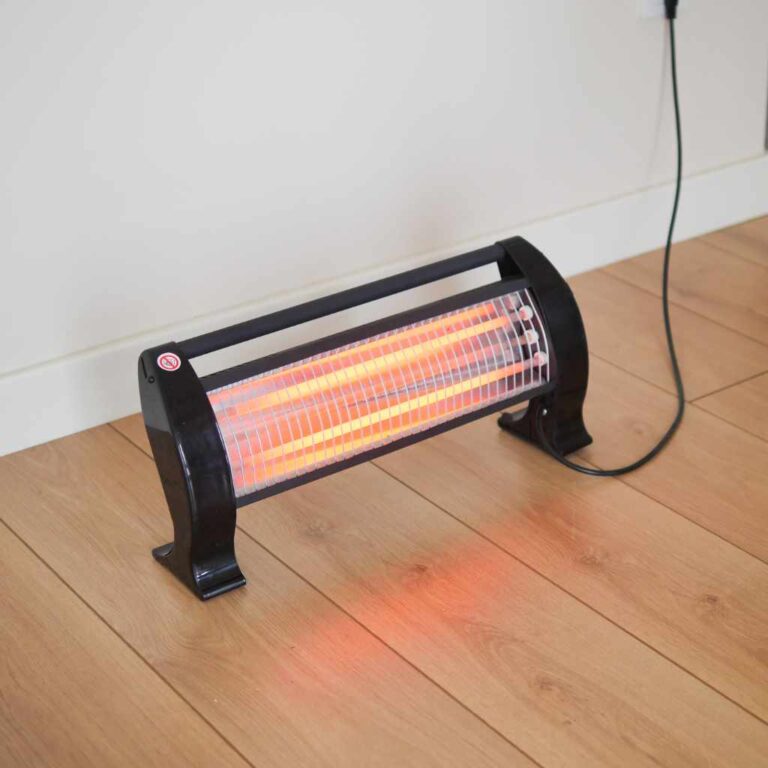
| Quartz tube | Look for dust on the tube and reflector if the heater is used often | Clean with a soft brush or low-pressure compressed air; avoid touching the tube with bare fingers | Inspect tube condition, reflector condition, and output before the heating season | Broken section, dark spots, cracked tube, weak output, scorch marks |
| Carbon fiber | Check for dust, loose hardware, and uneven heating during heavy use | Seasonal cleaning of the reflector, grille, and visible surfaces before winter | Pre-season inspection of cord, plug, mounting, controls, and heating element condition | Fraying, heat damage, strange smell, repeated shutoff, visible wear on the element |
| Gas-fired infrared | Check for reduced output, ignition problems, or unusual flame behavior if applicable | Inspect intake and vent openings for blockage before the heating season | Professional combustion service, burner port cleaning, orifice inspection, gas pressure check | Gas smell, soot, repeated shutdowns, flame issues, vent blockage, combustion problems |
How often should you clean an infrared heater?
Clean electric infrared heaters at least once a year, ideally before the heating season. If the heater runs often in a garage, workshop, patio enclosure, or other dusty area, check it about monthly during heavy use. The target is simple: remove dust before it coats the reflector or settles on the element.
Dirty reflectors reduce radiant output, and dust on quartz or ceramic surfaces can slow heat transfer. A light seasonal cleaning is usually enough for many electric models, but the schedule gets shorter when the heater operates in a dusty room or near stored items that shed debris.
What to do during cleaning
- Unplug the heater or switch off the circuit, then let it cool completely.
- Wipe the reflector with a soft cloth or a non-abrasive cleaner.
- Use a soft brush or gentle, low-pressure compressed air on quartz tubes.
- Inspect the cord, plug, and visible housing for cracks, fraying, or heat damage.
- Tighten loose mounting screws and check that the heater sits securely.
Say your 1500-watt electric panel heater hangs in a mudroom and starts pushing less warmth across the room. A dusty reflector can be enough to explain the drop. Clean the reflector and grille before replacing parts.
What should be checked during infrared heater maintenance?
Start with visible safety and output checks. For electric heaters, inspect the cord, plug, mounting hardware, reflector, heating element, and safety shutoff system. For gas-fired heaters, add burner ports, orifices, venting, combustion air intakes, safety controls, and gas pressure verification.
A simple visual inspection can identify frayed electrical connections or a worn fuel line. It can also catch cracks, bulges, broken sections, and loose hardware before the heater fails completely. If any part looks damaged, stop using the unit until it is repaired or replaced.
Electric heater checks
- Inspect the power cord and plug for fraying, scorch marks, or bent blades.
- Look at the reflector for dust, tarnish, or damage that may reduce output.
- Check heating elements for cracks, bulges, or broken sections.
- Tighten loose mounting screws and confirm the unit is secure.
- Test the safety shutoff system and tip-over switch if the model includes one.
Safety shutoff systems
Safety shutoff systems matter because they help prevent overheating and unsafe operation. A tip-over switch should stop the heater when it is out of position, and any safety shut-off sensor should respond normally. If the unit keeps tripping for no clear reason, service is overdue.
Do quartz tube heaters need special care?
Yes. Quartz tube infrared heaters need the same basic electric-heater care, but the tubes need gentler handling. Dust can build up on the tube surface, and the tube should be cleaned with a soft brush or low-pressure compressed air. Never touch the tube with bare fingers.
Reflector condition matters here too. A dirty or tarnished reflector throws less radiant energy into the room, so the heater may seem weaker even when the tube still lights. That is why a clean reflector and a clear tube surface matter together.
Quartz tube cleaning priorities
- Let the tube cool fully before touching anything nearby.
- Clear dust from the tube and surrounding reflector.
- Avoid direct finger contact with the quartz surface.
- Check for dark spots, cracks, or broken sections.
Suppose a patio enclosure heater still turns on, but the seating area feels cooler than it did last month. If the reflector has a film of dust and the tube looks dull, cleaning may restore performance. If the tube is cracked or darkened in sections, that is a service issue, not a cleaning issue.
How do carbon fiber and panel heaters compare?
Carbon fiber heaters and electric panel heaters usually have the same homeowner upkeep pattern: regular dust removal, pre-season inspection, and safety checks. The difference is in the heating surface and the form factor, so the visible wear points vary by model. The maintenance burden stays lower than on gas-fired units.
For panel heaters, focus on the reflector, grille, cord, plug, and mounting hardware. For carbon fiber heaters, check the emitter surface, housing, and control response. In both cases, monthly checks make the most sense during heavy use, and a yearly pre-season inspection is the minimum for most homes.
What varies by model
- Mounting method: wall, ceiling, or freestanding.
- Heating surface: panel, quartz tube, or carbon fiber element.
- Control type: manual switch, thermostat, or safety sensor package.
- Location: indoor living area, garage, workshop, or covered patio.
When gas-fired infrared heaters need service
Gas-fired infrared heaters need more involved maintenance because combustion adds parts that electric units do not have. They need burner port cleaning, orifice inspection, venting checks, combustion air intake checks, safety control testing, and manifold gas pressure verification. A manometer is the tool used to verify that pressure.
That is why gas-fired units should not be treated like simple plug-in heaters. Annual professional service is the safer standard, and some fuel-burning units may need deeper maintenance on a shorter interval depending on use and the manufacturer’s instructions.
Gas-service tasks
- Clean burner ports and orifices.
- Inspect venting and combustion air intakes for blockage.
- Test safety controls and ignition behavior.
- Verify manifold gas pressure with a manometer.
Why a technician is the right call
Gas service becomes technician work when the issue involves combustion, gas pressure, venting, or repeated shutdowns. A trained service visit is also the right move if the heater smells of gas, soots the area, or shows flame problems. Those are not cleaning problems.
What happens if you skip infrared heater maintenance?
Skipping maintenance can lower output, waste energy, and shorten the life of the heater. Dust on reflectors and emitters blocks radiant energy, loose hardware can create noise or instability, and ignored damage can turn into a fire or electrical hazard. Gas-fired units carry added combustion and venting risks.
The practical result is often gradual. The heater may feel weaker, cycle off more often, or take longer to warm a room. In a garage or workshop, that usually shows up first as colder corners or a heater that no longer reaches the same area evenly.
How do I know if my infrared heater needs service?
Service is overdue when the heater shows clear damage, abnormal behavior, or repeated control problems. Look for cracks, bulges, broken sections, frayed cords, heat damage, loose mounting, strange noises, reduced output, or repeated shutoffs. Any gas smell or combustion issue means DIY work should stop immediately.
A common mistake is assuming an infrared heater that glows and warms the room evenly does not need an annual inspection. A unit can still run while a reflector is tarnished, a cord is overheated, or a safety switch is failing. Those issues often get worse before they get obvious.
When DIY ends
- Heating element damage that is visible or suspected.
- Repeated trips or shutoffs with no clear cause.
- Gas odor, soot, or signs of poor combustion.
- Loose or damaged wiring, plug, or cord insulation.
Are annual inspections enough for infrared heaters?
Annual inspections are enough for many electric infrared heaters only if the unit is lightly used and kept clean. They are not enough by themselves for a dusty room, a garage heater that runs often, or any gas-fired model that needs combustion service. Monthly checks during heavy use are a better fit in those cases.
Think of annual inspection as the baseline, not the whole plan. The yearly visit catches slow wear. Seasonal cleaning catches dust before the heater goes back into service. Monthly checks catch changes that happen during a long heating run.
What parts wear out on infrared heaters over time?
The parts that wear most often are the heating element, reflector, cord, plug, mounting hardware, switches, and safety sensors. On gas-fired units, burner parts, orifices, venting components, and gas controls also wear. Tarnished reflectors may need replacement every 3-5 years, depending on the unit and conditions.
Modern Restaurant Management says infrared heaters require comparatively little maintenance, but that does not mean the wear points can be ignored. The right approach is to inspect the visible parts, clean them on schedule, and replace damaged components before they fail in service.
Frequently asked questions
Do infrared heaters need annual maintenance?
Yes. Electric infrared heaters usually need a yearly cleaning and inspection, while gas-fired units need annual professional service as well. A late-fall pre-season check is a good default for electric models, and heavy-use setups may need monthly checks for dust, loose hardware, or performance changes.
Do electric infrared heaters need less maintenance than gas models?
Yes. Electric infrared heaters have fewer moving parts and usually need less frequent attention. Gas-fired models need combustion checks, venting inspection, and pressure verification, which makes their service more involved. That difference is why electric units are easier for homeowners to maintain.
When should I call a professional for infrared heater maintenance?
Call a technician for any combustion issue, gas smell, repeated shutdowns, damaged heating elements, or anything involving internal gas components. Professional service is also the right move when a cord is heat-damaged, the heater is making strange noises, or the unit no longer holds normal output after cleaning.